
Michigan Summer Undergraduate Research Experience (M-SURE)
To enhance our M-SURE trainees’ experience, we offer a weekly lecture series on the physiology of diabetes, endocrinology & metabolism, as well as career development in biomedical research and responsible conduct of research.
Trainees will also present their work at the end of summer Annual Undergraduate Research Symposium. We aim to provide training and mentorship in basic and translational research, fostering the next generation of biomedical scholars in NIDDK-related areas.
For More Information
Program Overview
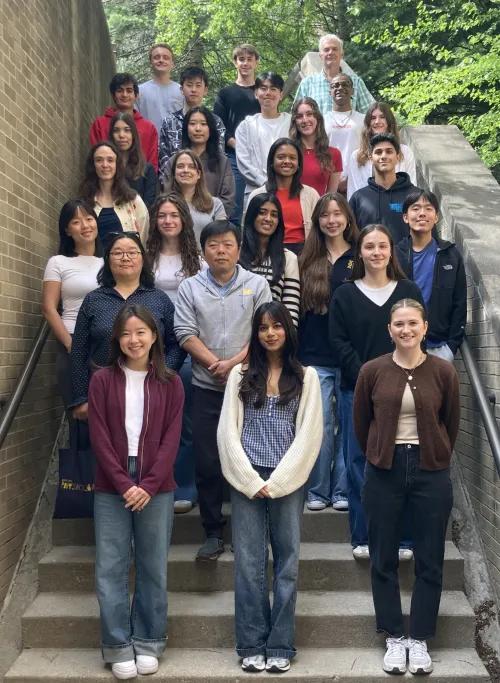
The funding for 2026 is $7200, pre-tax, for twelve weeks of full-time work from May 26 through August 14. The start and end dates may be adjusted to fit the academic calendar of home institutions.
Students enrolled at any degree-granting university or college are eligible to apply, with preference given to those interested in a research career. While NIH funding is limited to US citizens or permanent residents, a few slots are available for well-qualified international candidates.
M-SURE welcomes all eligible applicants and strives to support diversity and inclusion in biomedical research.
Applications accepted Monday, November 24, 2025 – Sunday, February 1, 2026 at 11:59 PM (EST).
How to Apply
Application Process
- Interested students can apply for an M-SURE Fellowship by:
- Completing and submitting an online application form, including personal statements, undergraduate transcript (official or unofficial), and selecting three faculty mentors in order of preference. Indicate citizenship status in the application.
- Arranging for two confidential recommendations to be sent on their behalf. Enter recommenders' email addresses in the online application; a link for the recommendation form will be emailed directly to them.
- Submitting all materials by Sunday, February 1, 2026, 11:59 p.m.
Eligibility Requirements
- Any student currently enrolled in a degree-granting college or university is eligible. Applicants should have excellent academic records, with preference given to those showing strong performance in science courses and relevant lab experience. Only US citizens or permanent residents are eligible.
- Be full-time college students
- Have completed at least two terms
- Have maintained a GPA of 3.0 or better
- Pay for housing during their fellowship from their stipend. Several opportunities for summer housing exist, with subletting off-campus being the most reasonable and cost-effective.
- Devote 12 consecutive weeks to full-time (40 hours/week) laboratory research (excluding July 3, in celebration of Saturday, July 4, 2026). The faculty member and the student must agree upon vacation days, and any missed hours must be made up before the end of summer.
- Attend a Summer Symposium at the end of the program to report their research findings.
Awardees
- Awardees will use their stipend to pay for housing during the fellowship. Several summer housing options are available, though subletting off-campus housing is often the most reasonable and cost-effective.
- Students are expected to work 40 hours per week in the laboratory during the 12-week fellowship period, excluding July 3, in celebration of July 4, 2026. Any vacation days must be agreed upon with the faculty member and made up before the end of the summer.
- Students must attend a Summer Symposium at the end of the program to report their research findings.
Hear from our Students
The MSURE program was an incredible opportunity to build confidence in my lab skills and learn to think more critically about experimental design. Through both my personal project and the weekly seminars led by a variety of PIs, I was able to explore a field I was previously unfamiliar with (diabetes and metabolic disease), which broadened my scientific perspective and deepened my interest in translational research.
I had a great summer! I was encouraged to think independently and become my own scientist. My questions and curiosity were always welcomed, which made me realize how special and impactful this environment was for a growing researcher.
Our Core Values
We are guided by our core priorities—Belonging, Access, Safety & Quality, and Experience (BASE)—and are committed to creating a supportive environment where every summer fellow can thrive, feel valued, and make meaningful contributions to our research. We welcome individuals who would value being part of such an inclusive and empowering atmosphere to apply.
Faculty Mentors
- Alison Affinati, MD, PhD - Neural control of energy balance
- Eric Buras, MD, PhD - Obesity and musculoskeletal system
- Christian R. Burgess, PhD - Neural control of energy balance
- Maria Coronel, PhD - Bioactive therapeutics
- Eva Feldman, MD, PhD - Diabetic complications
- Erin Giles, PhD - Obesity and breast cancer
- Brigid Gregg, MD - Metabolic programming
- Chelsea Hepler, PhD - Metabolic circadian rhythms
- Nadia Kramer, PhD - Hormonal control of metabolism
- Jun Hee Lee, PhD - Cellular adaptation to stress
- David Lorberbaum, PhD - Physiology of the pancreas
- Ormond A. MacDougald, PhD - Adipocyte tissue physiology
- Martin Myers, MD, PhD - Neural control of energy balance
- Liangyou Rui, PhD - Obesity and liver disease
- Randy Seeley, PhD - Neural control of energy balance
- Yatrik Shah, PhD - Gastrointestinal physiology and cancer
- Scott Soleimanpour, PhD - Pancreatic beta cell function
- Xin (Tony) Tong, MD, PhD - Hepatic Liver disease - Not Accepting Students
- Lei Yin, MD, PhD - Hepatic metabolic disease - Not Accepting Students
Program Leadership
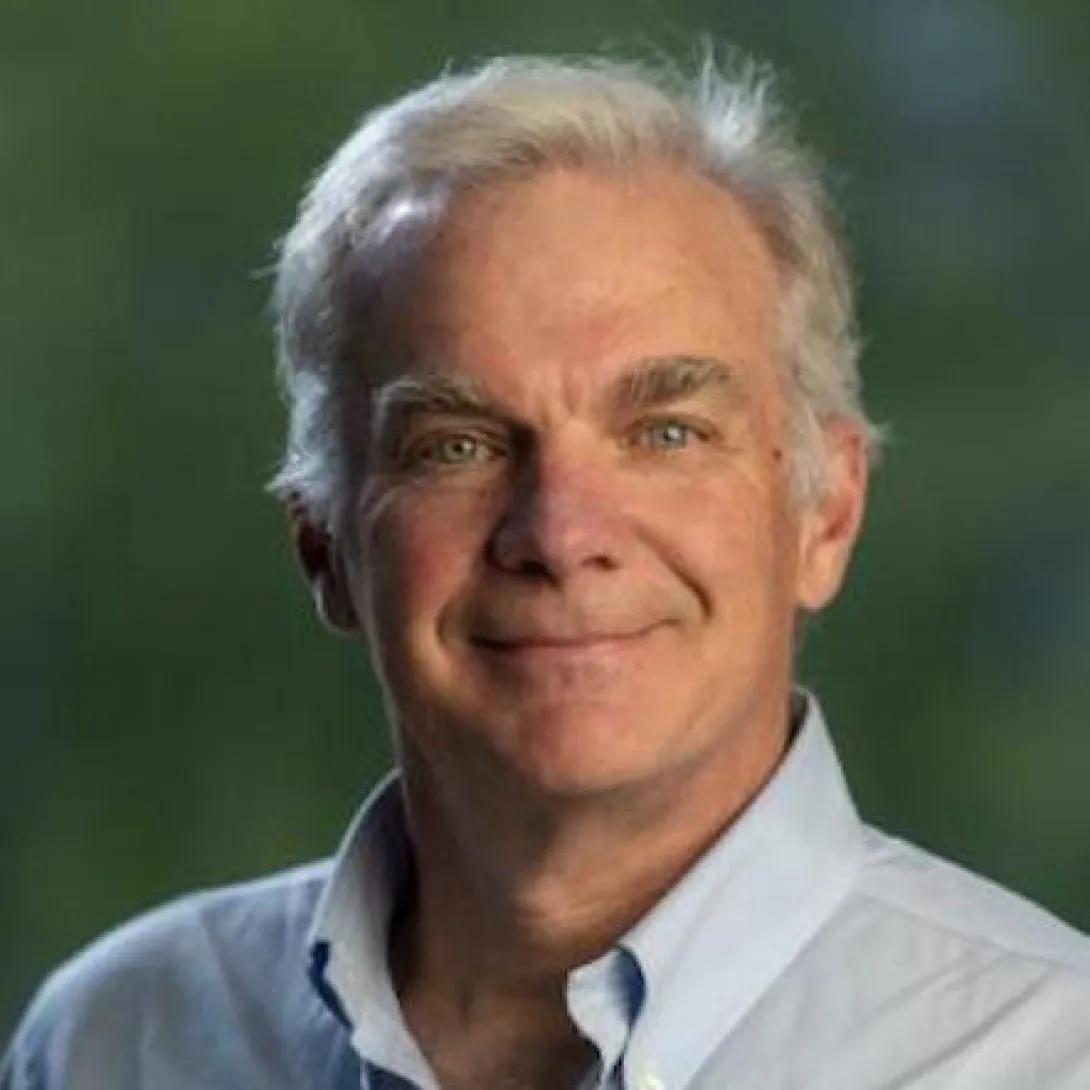
Ormond A MacDougald
Professor of Molecular and Integrative Physiology
Professor of Internal Medicine
Medical School
Lei Yin, MD, PhD
Professor of Internal Medicine, Medical School
Xin Tong
Molecular and Integrative Physiology
Medical School
