
Dementia for Scientists Curriculum
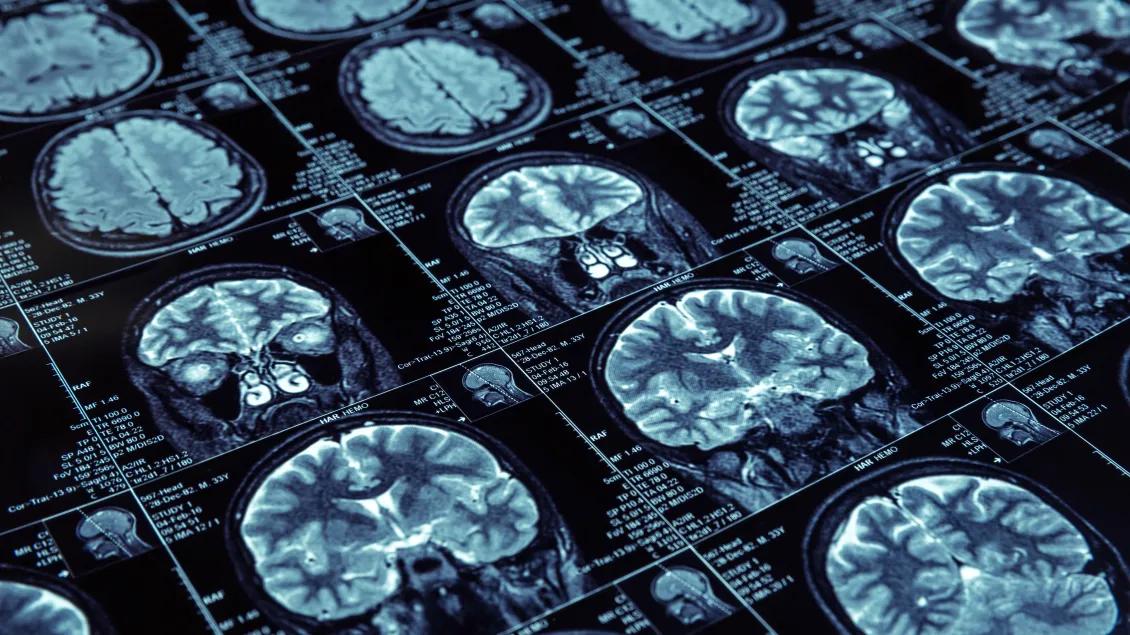
The Dementia for Scientists Curriculum provides investigators with an introduction to important aspects of dementia-related research.
This curriculum aims to provide a broad and current introduction to important aspects of dementia and dementia-related research. The target audience is junior investigators.
Why did we create this curriculum?
Dementia research is highly diverse in content, ranging from basic biophysical research to social science. While investigators entering the field from diverse research backgrounds are well-trained in their own discipline, they may lack broader knowledge of the many aspects of dementia and dementia research that are important in understanding critical issues in the field. This curriculum aims to provide a relatively sophisticated introduction to critical aspects of dementias across the broad sweep of the field. The ultimate goal is to enhance the ability of junior investigators to read and understand relevant literature outside their disciplines.
How the curriculum is structured
The curriculum comprises nine modules, each addressing an important area in contemporary dementia research. The modules begin with basic definitional material (Module 1: Dementia Definition and Evaluation) and proceed through the biology of dementias (Module 2: Dementia Pathology & Pathogenesis; Module 3: Dementia Genetics), clinical research (Module 4: Dementia Imaging; Module 5: Therapy Development in Dementias), and important policy and social science aspects of dementias (Module 6: Health Services and Policy Dementia Research; Module 7: Approaches to Community-Partnered Research with At-Risk Populations).
We encourage users to view all modules, though many may wish to focus on topics outside their areas of expertise. Modules 1, 2, 5, and 6 constitute core elements everyone should know.
Curriculum Summary
- Introduction: What's New in Alzheimer's & the Michigan ADRC
- Module 1: Dementia Definition & Evaluation
- Module 2: Dementia Pathology & Pathogenesis
- Module 3: Dementia Genetics
- Module 4: Dementia Imaging
- Module 5: Therapy Development in Dementias
- Module 6: Health Services and Policy Dementia Research
- Module 7: Approaches to Community-Partnered Research with At-Risk Populations
- Module 8: HIV & Cognitive Performance
- Module 9: Cognition Oriented Treatments in Aging & Dementia
