
Extracellular Vesicles | Neuronetwork

Particles involved in cell-to-cell comunication.
What are extracellular vesicles?
Extracellular vesicles (EVs) are small, membrane-bound particles released by cells into the extracellular environment. They play a crucial role in cell-to-cell communication by transporting proteins, lipids (fats), and genetic material between cells. EVs are involved in various physiological processes and have potential applications in disease diagnostics and therapeutics.
Why extracellular vesicles and neurological health?
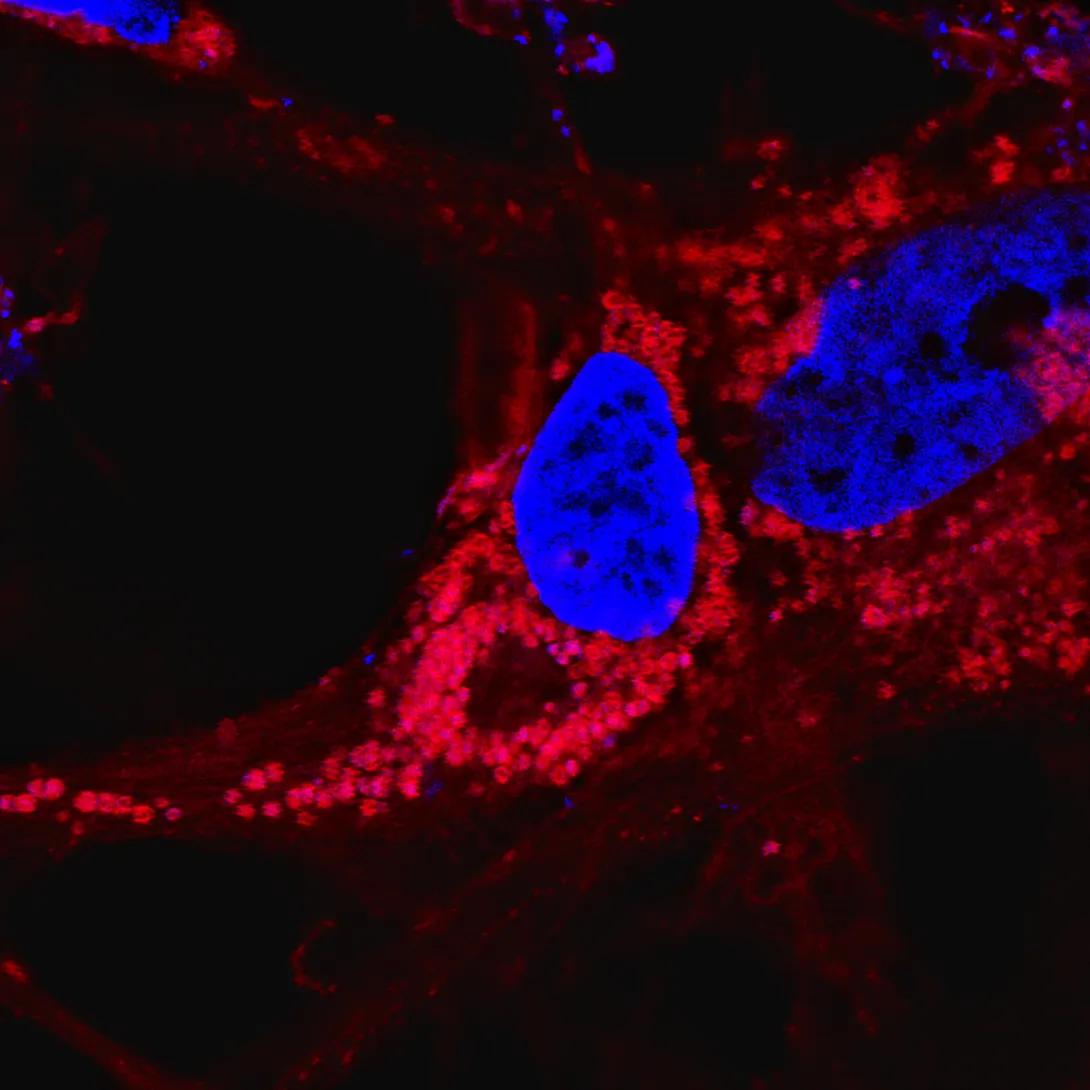
EVs serve dual roles in the peripheral and central nervous systems, supporting both neurological health and potentially promoting neurological disease. Under healthy conditions, EVs facilitate cell-to-cell communication, repair damaged neurons, and help maintain equilibrium by transporting essential molecules. However, in disease states or conditions of metabolic dysregulation, such as obesity and diabetes, EVs can also spread toxic proteins and inflammatory signals, contributing to the progression of neurological disorders, including peripheral neuropathy and Alzheimer’s disease. At the NeuroNetwork for Emerging Therapies, we aim to leverage the dual nature of EVs, potentially harnessing their beneficial properties while mitigating their harmful effects in disease conditions. By understanding how EVs function in these contexts, we hope to develop novel diagnostic tools and therapeutic strategies to better manage and treat neurological disorders.
Key Areas:
Inflammation and brain health
The immune system plays a key role in the brain, especially through the action of microglia, the brain’s primary immune cell type. Microglia work closely with other brain cells through a process called neuroimmune crosstalk, which is mediated by EVs. EVs can also activate cGAS/STING, a pro-inflammatory pathway that might contribute to cognitive impairment. We have shown that exposure to fats increases the production of EVs in microglia. We believe these EVs contain pro-inflammatory cargo, activating downstream signaling in recipient cells. This amplifies the inflammatory response and contributes to cognitive decline. We are exploring how EVs contribute to inflammatory crosstalk and cognitive outcomes, including the specific components of EV cargo and how they interact with recipient cells.
Schwann cells and nerve health
In the peripheral nervous system, Schwann cells communicate with neurons through EVs. Under normal conditions, this transfer of EVs from SCs to neurons helps maintain peripheral nerve health. It is thought that diet and exercise can also enhance nerve health by altering the release of EVs. However, in the case of obesity or diabetes, SCs may release EVs that contribute to nerve injury and peripheral neuropathy. We hypothesize that diet and exercise stimulate SCs to release EVs that contain beneficial components, which help improve nerve function. By understanding how diet and exercise influence the communication between supportive SCs and neurons and identifying the specific contents of beneficial and harmful EVs, we aim to develop targeted treatments to prevent or reverse nerve damage associated with obesity and diabetes.
Metabolic syndrome and brain health
We are also investigating the role of EVs in Alzheimer’s disease. Abnormal accumulation of amyloid precursor protein (APP) fragments is a hallmark of Alzheimer’s disease. We found that treatment of neurons with glucose or palmitate enhanced neuronal release of EVs containing APP and that isolation and addition of these EVs to untreated, healthy neurons promoted key features of Alzheimer’s disease in recipient neurons. These exciting results identified EVs as the potential missing link between metabolic dysregulation and Alzheimer’s disease.

Extracellular vesicles as the missing link between metabolic dysregulation and Alzheimer’s disease. Metabolic dysregulation enhances secretion of APP via extracellular vesicles from neurons. Released extracellular vesicles are taken up by nearby neurons, which triggers hallmarks of and increases risk of Alzheimer’s disease.
