Flint Neuropathy Study | Neuronetwork
Studying diabetes and neuropathy in Flint, MI.
What is the Flint Neuropathy Study?
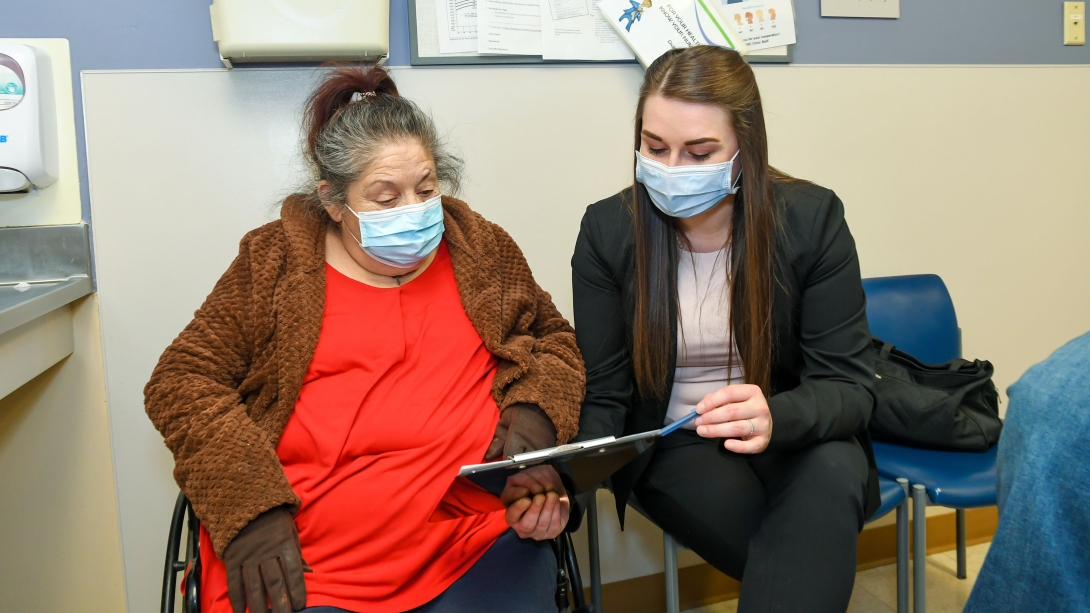
Investigators at the NeuroNetwork for Emerging Therapies are leading a cohort study in partnership with internal medicine providers at the Hurley Medical Center Internal Medicine Residency Clinic and the McLaren Flint Internal Medicine Residency Group Practice in Flint, Michigan. This study, which is funded by the National Institutes of Health, seeks to understand the extent of undiagnosed diabetes and neuropathy among primary care patients in Flint, Michigan.
Why the Flint Neuropathy Study?
Neuropathy is a common and disabling condition that causes pain or loss of sensation and lowers quality of life. However, there is limited knowledge regarding its diagnosis and management in Black, low-income communities. We found that 75% of primarily Black, low-income patients with neuropathy at the Hurley Medical Center Clinic were undiagnosed. Without proper diagnosis, managing modifiable risk factors, such as high blood sugar and obesity, as well as treating neuropathic pain, becomes challenging. This pioneering initiative brings together primary care doctors, who often see diabetes in its very early stages, and neurologists, who typically become involved when diabetes complications like neuropathy have already become severe. It aims to identify the gaps in neuropathy diagnosis and management in a predominantly Black, low-income population and tailor interventions to address these gaps, with the ultimate goal of reducing health disparities, decreasing disability, and improving quality of life.
Key areas:
Access to diabetes care
Accessing diabetes care requires not only the availability of healthcare services but also the ability of individuals to have the necessary time, financial resources, transportation, and childcare, along with the absence of other pressing concerns, to reach it. Our aim is to identify the specific challenges patients face in Flint, Michigan, and determine how healthcare providers can effectively address these gaps.
Diagnosing neuropathy
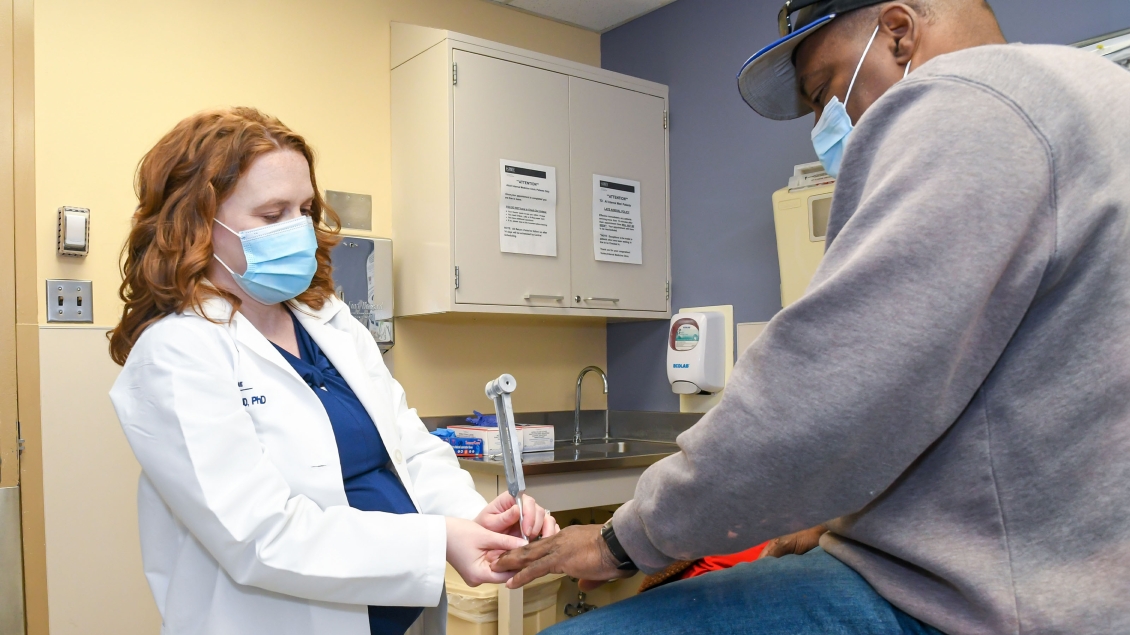
Many individuals with diabetes and neuropathy are unaware of their conditions. This is particularly concerning as neuropathy involves nerve damage in the arms and legs, reducing the ability to feel injuries, like stepping on something sharp, which can lead to infections and increase the risk of amputation. Early diagnosis of diabetes and neuropathy is crucial to provide patients with the necessary education to manage their conditions. We are dedicated to diagnosing neuropathy in this underserved population, connecting study participants to essential resources, and investigating the reasons behind the underdiagnosis of these conditions among patients in Flint.
Other undiagnosed conditions
Diabetes is linked to an increase in the risk of cognitive impairment, as elevated blood sugar levels and related metabolic disturbances can lead to changes in brain structure and function. Thus, we are also interested in examining the prevalence of other undiagnosed neurological conditions, and are currently screening for cognitive impairment in this patient population.