Neurosurgery Education
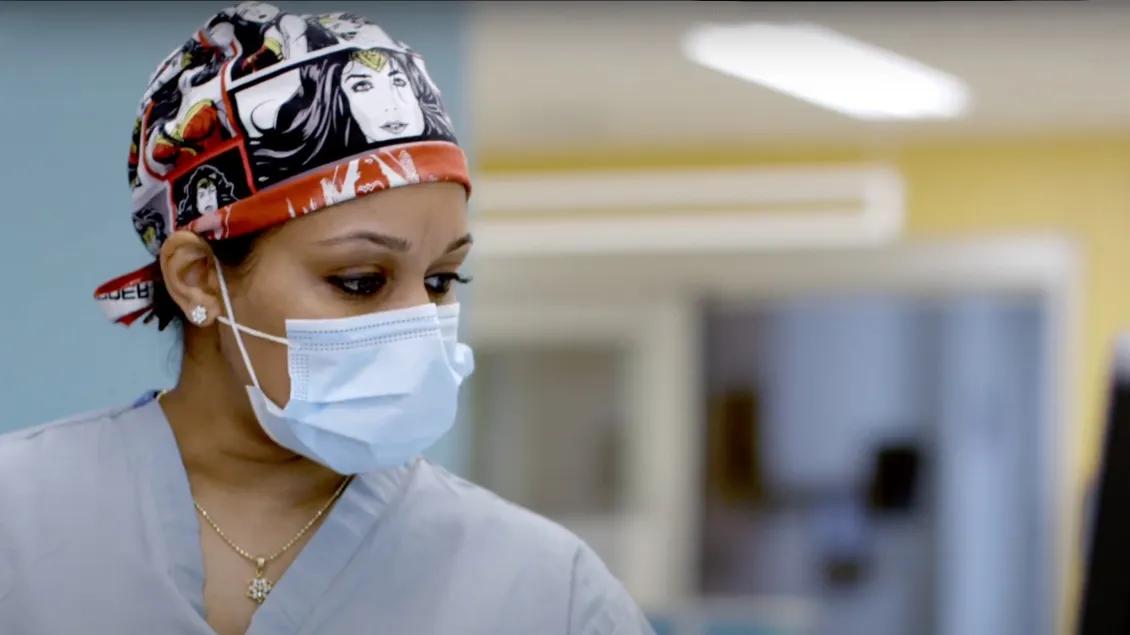
A Legacy of Excellence
Join our 100+ year world-class legacy of training the next generation of neurosurgical leaders.
WHERE COMPETENCY & CURIOSITY THRIVE
The educational mission of the U-M Medical School Department of Neurosurgery is to train highly skilled neurosurgeons, building a strong foundation in both clinical neurosurgery and research.
In the classroom, we equip neurosurgical residents with the industry’s highest standard of clinical skills while providing the opportunity to grow their passion for teaching and research. Within our cutting-edge facilities, experienced neurosurgeons and researchers closely monitor trainees, providing progressive responsibility that nurtures clinical skills and safe judgment.
Not only does our renowned faculty focus on sharing the skills and judgment to practice neurosurgery, but we also work hard to make your continuing education both relevant and fulfilling.
We are committed to creating an ideal colleagial and collaborative culture while providing a high-volume neurosurgical experience and ample research opportunities.
EDUCATION & TRAINING PROGRAMS
Why Train at Michigan?
From our vibrant community in Ann Arbor to a culture of curiosity and excellence, discover why Michigan Medicine is the ideal place to grow your career and your life.
At Michigan Medicine, you’re joining a community where collaboration, curiosity and excellence shape everything we do. Train alongside leaders in medicine and research, grow with mentors who invest in your success, and be part of teams driving meaningful change in health care.
Located in vibrant Ann Arbor, you’ll find a place where learning extends beyond the classroom -- and where you can truly feel at home. Whether you’re preparing for the next step in your training or building a long‑term career, this is where your path forward begins.
(Video thumbnail description: Two people look at and point to a large black-and-white map displayed indoors, with exhibit panels visible in the background. Overlaid text reads, “Why Michigan? Explore your training options.” One person wears a University of Michigan varsity jacket with a large maize “M.”)
Leadership
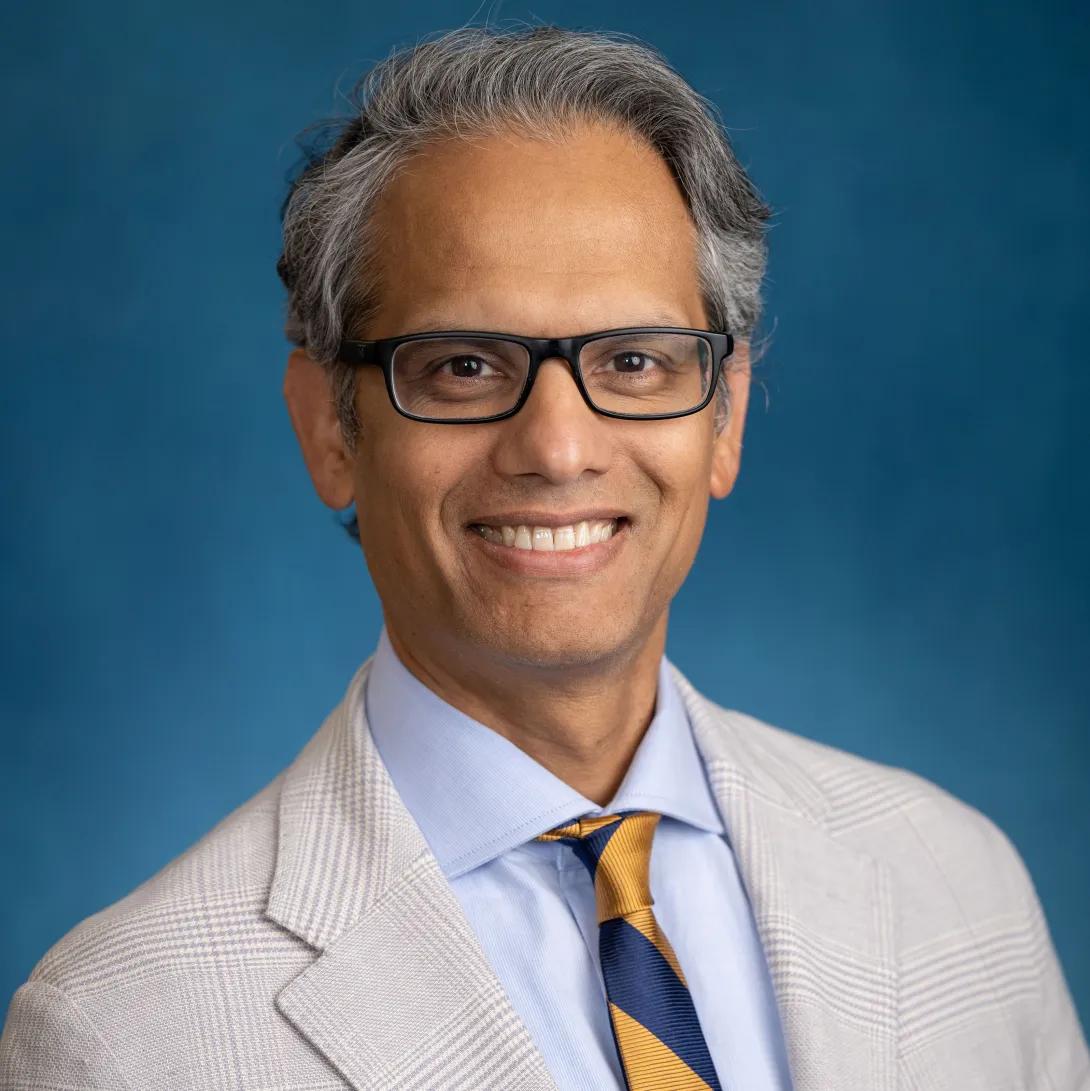
Aditya S Pandey, MD
Professor of Neurosurgery
Chair, Department of Neurosurgery
Professor of Neurosurgery
Professor of Radiology
Professor of Otolaryngology-Head and Neck Surgery
Surgical Director, Comprehensive Stroke Center Surgical
Medical School
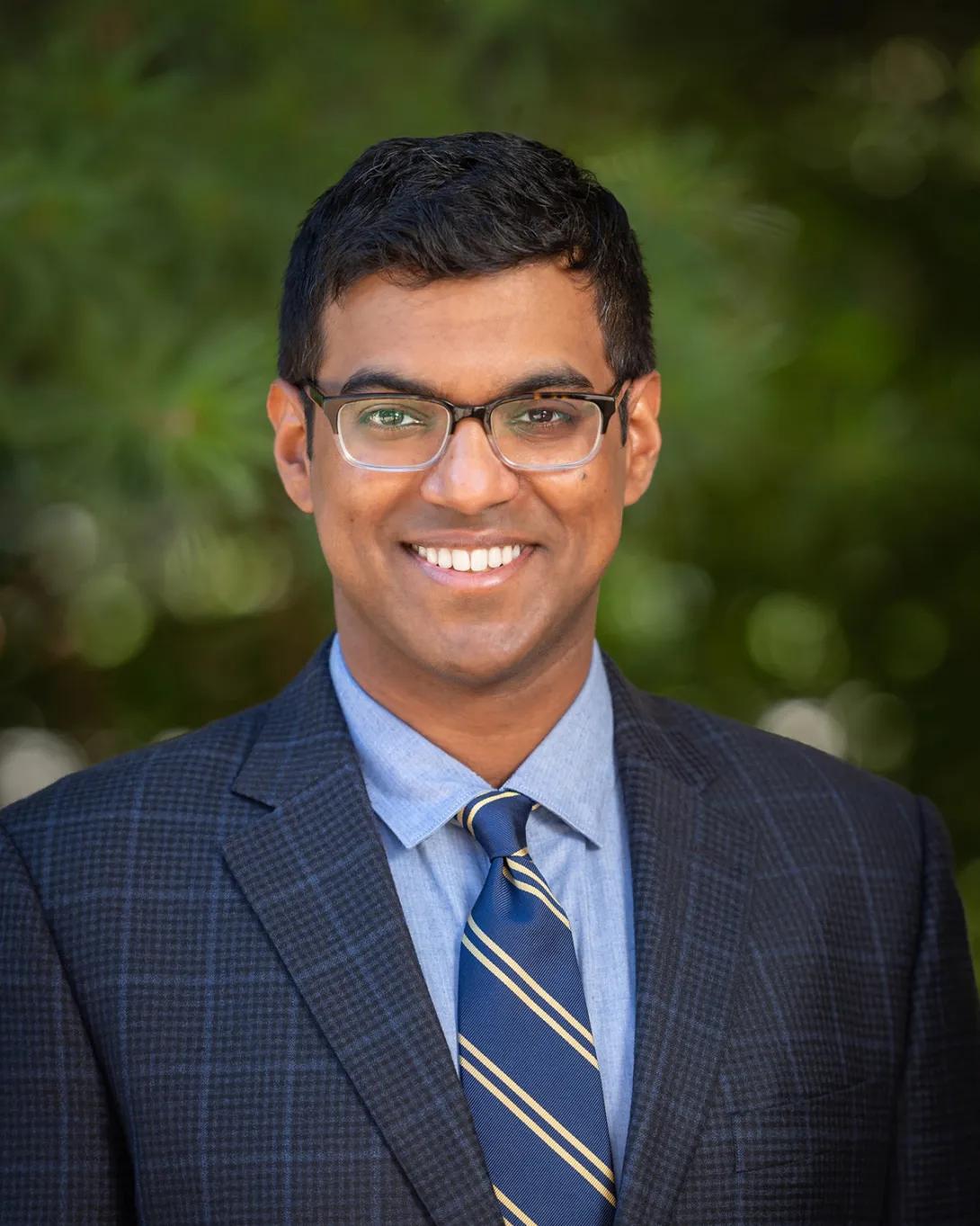
Jacob R Joseph, MD
Clinical Associate Professor of Emergency Medicine and Medical Director
CNS Trauma
Medical School
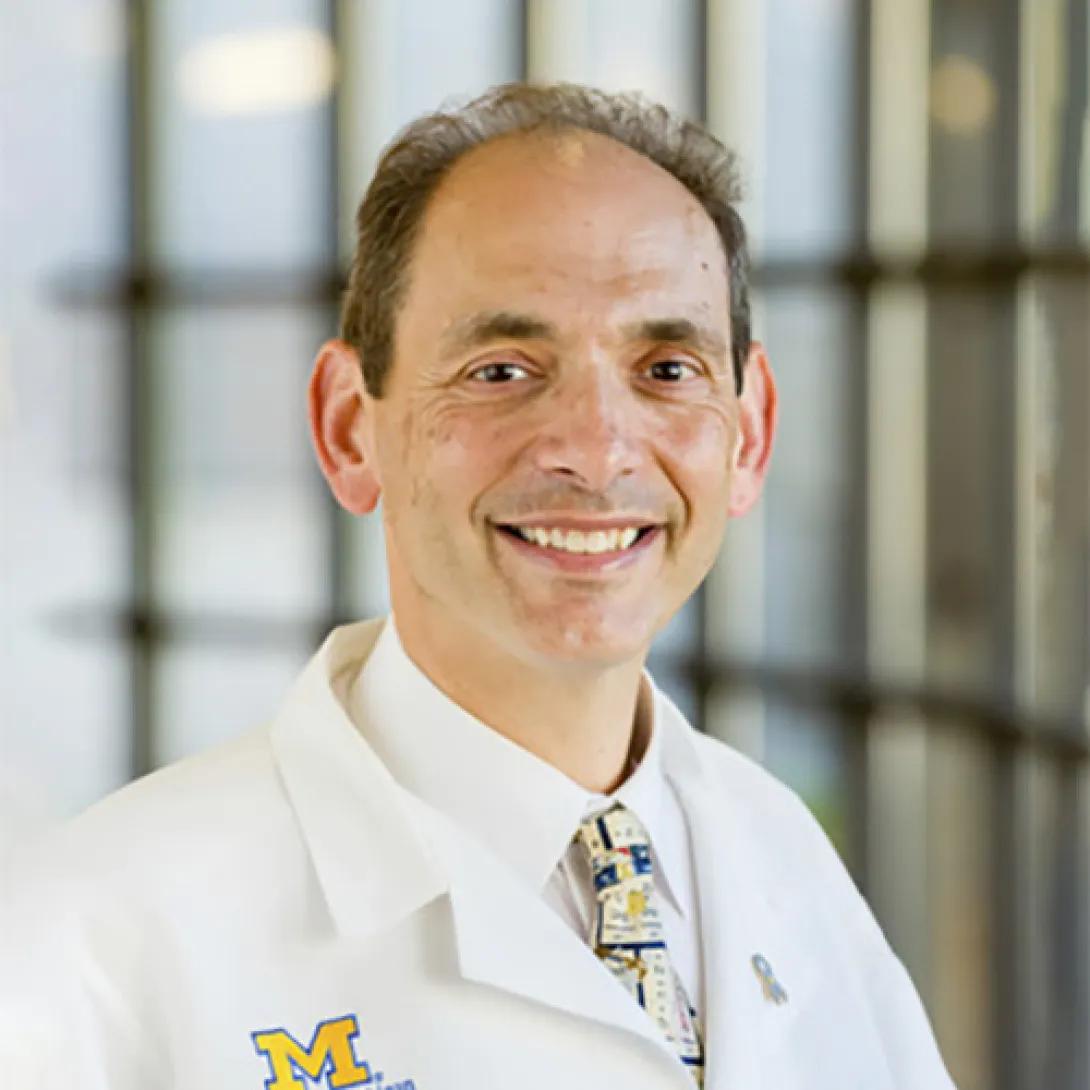
Oren Sagher
Associate Chair
Department of Neurosurgery
Professor of Neurosurgery
Professor of Anesthesiology and Section Head
Technology and Clinical Innovations
Functional Neurosurgery
Medical School
Featured News & Stories
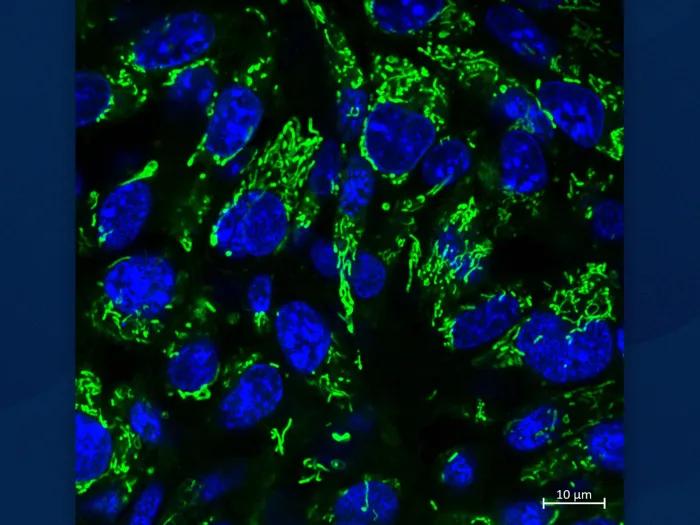
Engineered nanoparticles sensitize gliomas to radiotherapy

Spinal implant eliminates patient’s 'all-consuming' pain without need for a fusion
Podcast: Supporting student success: Building well-being into medical education
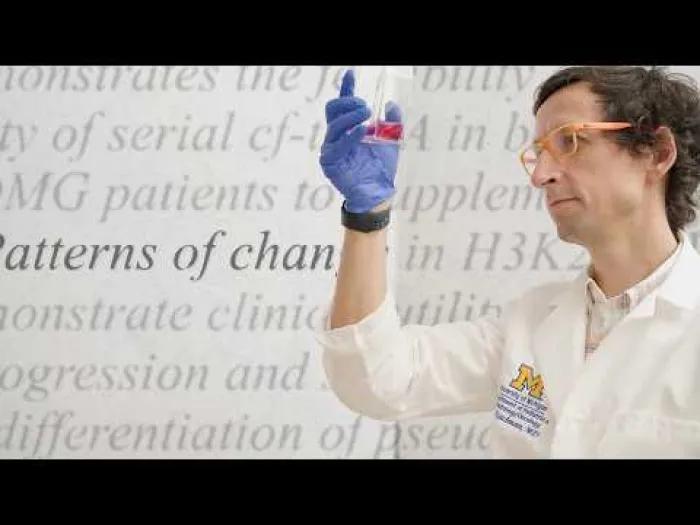
Path forward for glioblastoma treatment
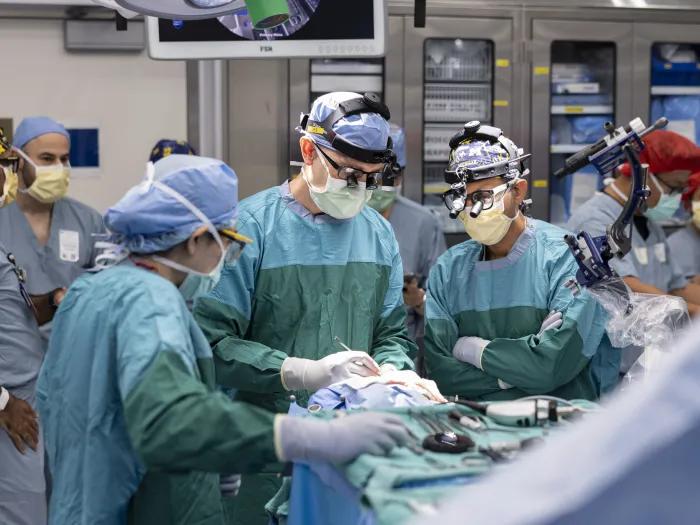
University of Michigan implants first-in-human Paradromics wireless brain-computer interface, designed to restore communication