Neurosurgery Fellowships

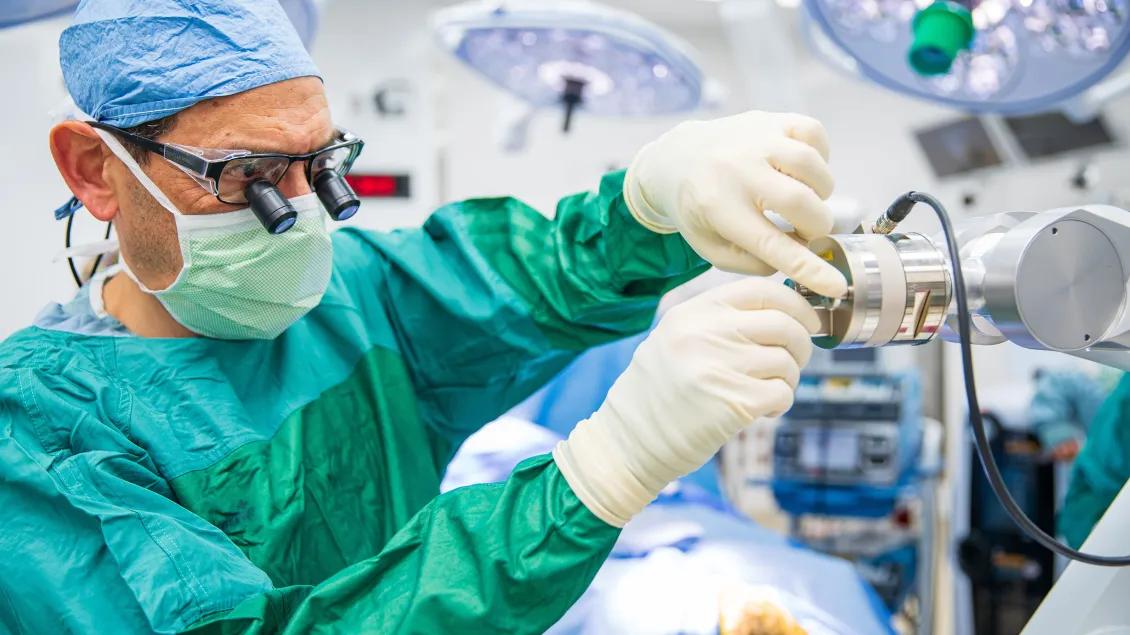
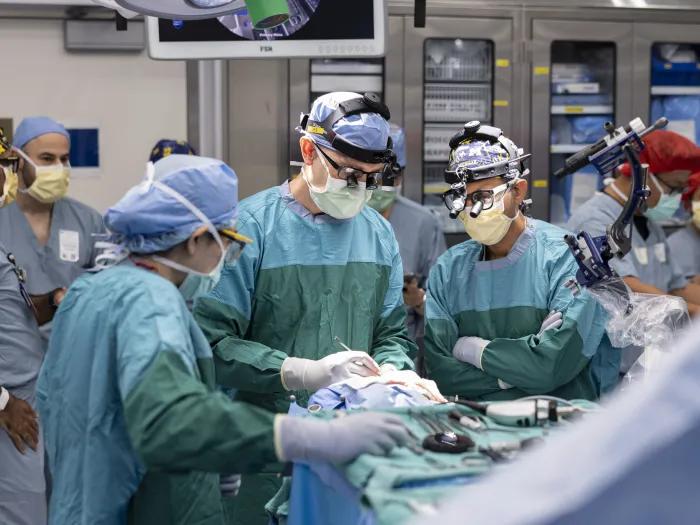
 A surgeon working on a machine in an operating room. A surgeon working on a machine in an operating room

Advance your career

The U-M Medical School Department of Neurosurgery offers post-residency clinical training in several subspecialty areas.

Specialized Training

Our fellowship programs include a complex and reconstructive spine fellowship, a peripheral nerve fellowship, and a stereotactic and functional fellowship – all accredited through the Society of Neurological Surgeons Committee on Advanced Subspecialty Training (CAST).

The Department also offers a neurocritical care fellowship accredited through the American Council of Graduate Medical Education (ACGME) and United Council of Neurological Subspecialties (UCNS), a second neurocritical care fellowship accredited by CAST (designed specifically for current neurosurgery residents), and a neurovascular/endovascular fellowship.

Fellowships

Neurocritical Care

Advance your expertise in complex neurocritical care management through this ACGME and UCNS-accredited training program at a world-class academic medical center.

Neuroendovascular Surgery

Master multidisciplinary neurointerventional techniques and gain extensive clinical experience in this CAST-accredited fellowship program.

Peripheral Nerve

Specialize in the surgical diagnosis and management of peripheral nervous system disorders through this comprehensive, CAST-accredited 12-month program.

Spine

Refine your surgical proficiency in complex and reconstructive spine care through this immersive, CAST-accredited clinical fellowship.

Stereotactic & Functional

The Stereotactic & Functional Fellowship is CAST-accredited.

Why Train at Michigan?

From our vibrant community in Ann Arbor to a culture of curiosity and excellence, discover why Michigan Medicine is the ideal place to grow your career and your life.

At Michigan Medicine, you’re joining a community where collaboration, curiosity and excellence shape everything we do. Train alongside leaders in medicine and research, grow with mentors who invest in your success, and be part of teams driving meaningful change in health care.

Located in vibrant Ann Arbor, you’ll find a place where learning extends beyond the classroom -- and where you can truly feel at home. Whether you’re preparing for the next step in your training or building a long‑term career, this is where your path forward begins.

(Video thumbnail description: Two people look at and point to a large black-and-white map displayed indoors, with exhibit panels visible in the background. Overlaid text reads, “Why Michigan? Explore your training options.” One person wears a University of Michigan varsity jacket with a large maize “M.”)
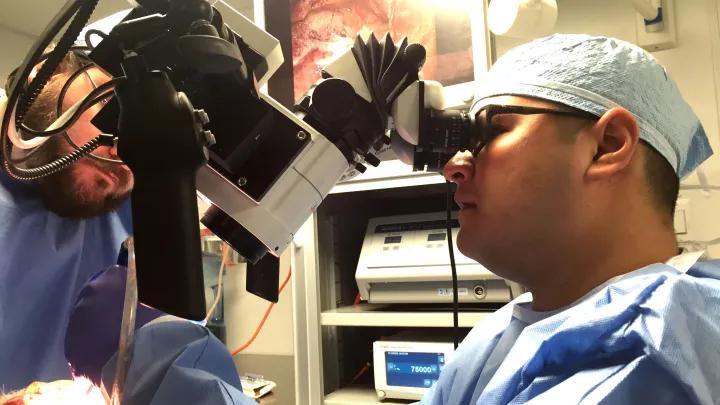
a person looking through a microscope

See Where Training Takes Place

We continually work to ensure that our program offers the best possible environment for developing the careers of future leaders of neurosurgical practice and science.

  • See Training Locations
  • Nightlife downtown Ann Arbor

    Life in Ann Arbor

    We find a new reason to love Ann Arbor nearly every day — year-round outdoor activities, cultural experiences, a growing food scene, and a welcoming, family-friendly atmosphere are just a few that come to mind. Explore all that Ann Arbor and our surrounding communities have to offer. 

  • Explore Ann Arbor
  • FEATURED NEWS & STORIES

    See all news
    A team of medical professionals in surgical attire performs a procedure in an operating room. They are surrounded by medical equipment, including a robotic arm and various monitors.
    News Release

    University of Michigan implants first-in-human Paradromics wireless brain-computer interface, designed to restore communication


    Neurosurgeons at University of Michigan Health completed the first-in-human implantation of a Paradromics Inc., wireless brain-computer interface, or BCI, as part of a national clinical trial for patients with difficulty speaking.
    sanjay gupta and woman on zoom interview
    Health Lab

    Sanjay Gupta recounts his U-M years and shares life lessons for medical school commencement

    Sanjay Gupta speaks with a Michigan Medicine Medical School graduate with words of wisdom for U-M graduates and his favorite past times of Ann Arbor.
    newborn close up in adult's arms
    Health Lab

    Early intervention and expertise crucial for treating pediatric craniofacial disorder

    Pediatric neurosurgeon Suresh Magge, M.D., clinical professor of neurosurgery at University of Michigan Health C.S. Mott Children’s Hospital and a nationally recognized leader in the surgical management of craniosynostosis, answers important questions about the condition, stressing the critical need for early intervention.
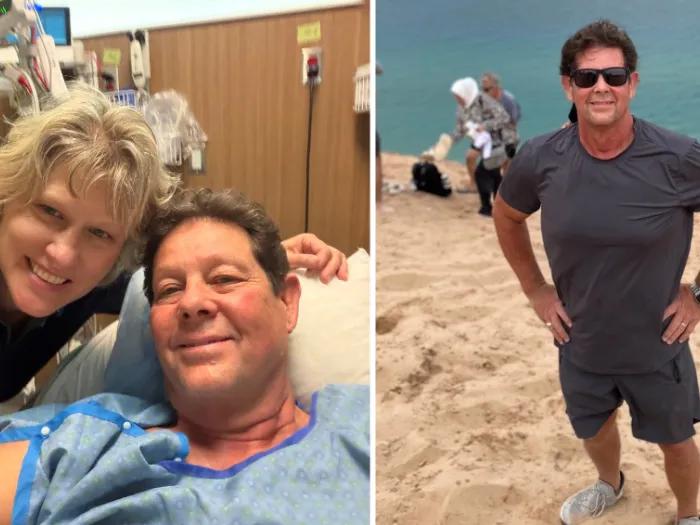
    Man stands with woman in front of water and sand in a tropical setting.  Second picture on the right is a man in a hospital gown walking with a health care worker besde him
    Health Lab

    Timely treatment helps former baseball pro survive on-field stroke with no complications

    Two days after his players recognized stroke symptoms at practice, a baseball and softball coach left the hospital with zero complications or lingering effects thanks to timely treatment.
    Person in a dark blazer and white shirt holds a sign reading “I MATCHED!” with “Into Neurosurgery” handwritten, standing indoors by large windows.
    Dose of Reality

    Backpropagating to Better Patient Care: My Experiences in an AI Neurosurgery Lab

    University of Michigan medical student Samir Harake shares his journey training AI models in a UMMS neurology lab, allowing him to combine his passions for research and patient care.
    Nurse or home caregiver and senior woman holding hands at home
    Health Lab

    Severe strokes linked to 5 times higher dementia risk

    As stroke severity increases, the risk of progressive cognitive decline and dementia substantially rises, according to a national study led by Michigan Medicine researchers.