Neurosurgery Patient Care
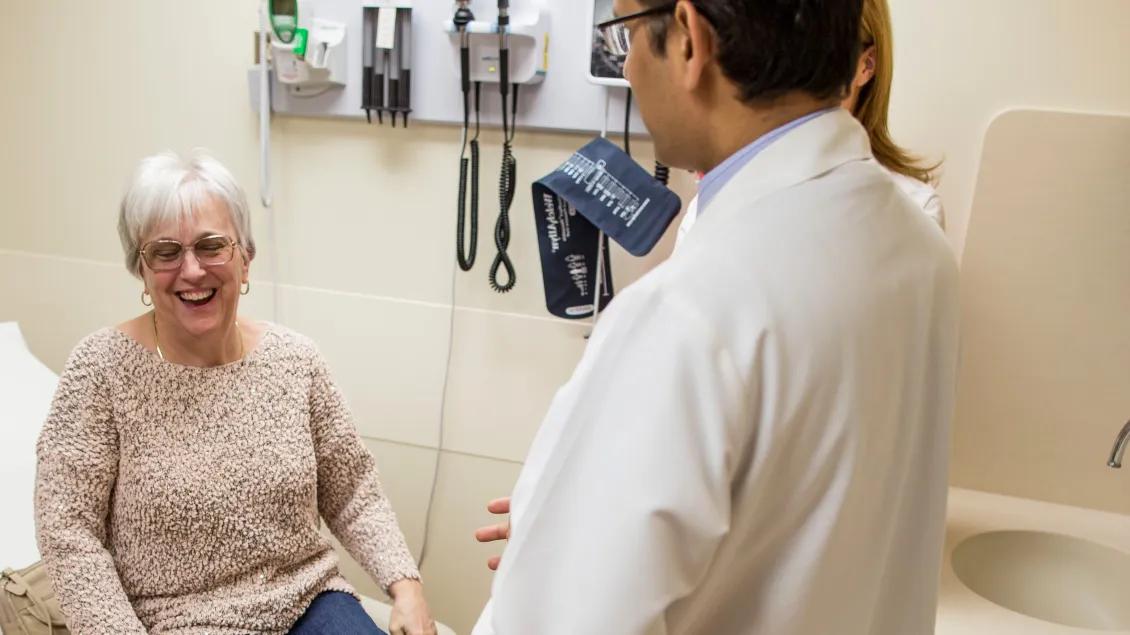
100+ Years of Neurosurgical Care
The Department of Neurosurgery's rich history begins in 1918. Our humble start within the Department of Surgery has evolved into world-renowned patient care.
About Us
For more than one hundred years, we have provided comprehensive, careful, and compassionate treatment of the entire range of neurological surgical problems for our adult and pediatric patients. There are busy clinical programs in Brachial Plexus/Peripheral Nerve Surgery, Functional Neurosurgery (including Epilepsy, Movement Disorders, and Pain), Neurocritical Care and more. For more information, visit the Neurosciences page on UofMHealth.org.
Nationally Ranked in Neurology & Neurosurgery
U-M Health has been recognized as one of the nation's top hospitals for neurology and neurosurgery by U.S. News & World Report for 2026-2027
Our Programs
Brain Tumor
Our Brain Tumor Program provides state-of-the-art, comprehensive, patient-centered services to individuals affected by tumors of the brain and spine. The U-M Neuro-Oncology Program specializes in treating malignant (cancerous) and non-malignant tumors of the brain and spinal cord. Patients are also encouraged to join the Functional Wellness Initiative, a collaborative early intervention program combining language, motor and neurocognitive rehabilitation to improve the survival and quality of life of brain tumor patients. You can also visit the Multidisciplinary Brain Tumor Clinic website for more information.
Cranial Base
At the University of Michigan, our Cranial Base Program diagnoses and treats benign and malignant tumors involving the cranial base region, cerebrospinal fluid leaks and encephaloceles, and traumatic injuries to the face and skull. Some of the other areas of expertise include the Pituitary and Neuroendocrinology Program and treatment of Acoustic Neuroma.
Hydrocephalus
The Adult Hydrocephalus Program at the University of Michigan is dedicated to the identification and treatment of patients with normal pressure hydrocephalus as well as hydrocephalus due to other causes such as tumors, hemorrhage and infection.
Functional Neurosurgery
With world-recognized expertise in the clinical neurosciences, the basic neurosciences, neuroimaging, and neuroengineering, Michigan Medicine is a leader in many fields. Clinical program areas in Functional Neurosurgery include: Cancer Pain, Epilepsy, Pain Neuromodulation, Spasticity, Surgical Therapies to Improve Movement (STIM), and Trigeminal Neuralgia and Facial Pain.
Brachial Plexus & Peripheral Nerve Disorders
Our program provides comprehensive care for all patients with Brachial Plexus and Peripheral Nerve Disorders – adults and pediatrics. A timely diagnosis with interdisciplinary care is crucial for the best outcomes.
Learn more about Brachial Plexus & Peripheral Nerve Disorders
Neurocritical Care
The Adult Neurocritical Care Program at the University of Michigan focuses on the treatment of critically ill patients in the Neurological Intensive Care Unit. Our 15-bed Neuro-ICU is staffed by four neurology-trained UCNS-certified neurointensivists as well as faculty from the Department of Anesthesiology.
Neurovascular Program & Stroke
The Neurovascular Program of the University of Michigan evaluates and treats patients with vascular diseases of the brain, neck, and spinal cord. These include cerebral and carotid aneurysms, arteriovenous malformations of the brain and spinal cord, cavernous malformations of the central nervous system, stroke and venous malformations.
Spine Surgery
The University of Michigan Spine Surgery Program provides state-of-the-art, comprehensive, patient-centered services to individuals affected by spinal disorders that may require surgical intervention. Patients referred to the spine surgery program may suffer from significant pain, weakness, numbness, and tingling due to degenerative disc disease, disc herniation, stenosis, spondylolisthesis, scoliosis, spinal tumor, or traumatic injury.
Advanced Neurological Care
We treat all forms of neurological disease and offer programs for patients who need advanced care, including our Epilepsy Program, our Movement Disorders Program and our Functional Wellness Initiative for patients with brain tumors. In addition, our Stroke Program has been accredited as a Certified Stroke Center by the Joint Commission.
Featured News & Stories
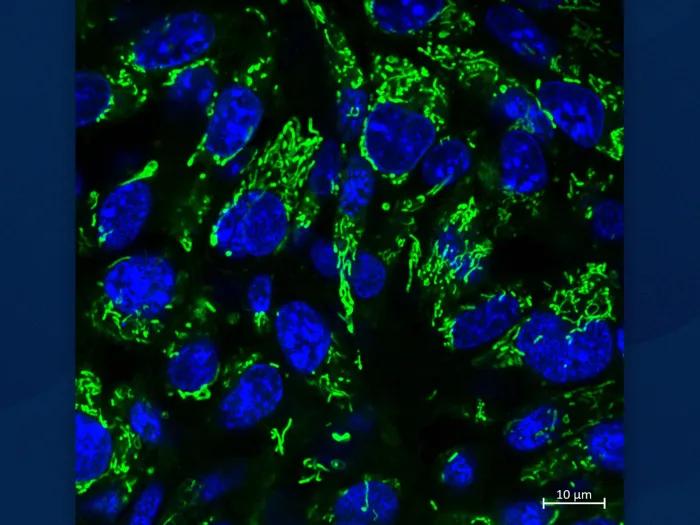
Engineered nanoparticles sensitize gliomas to radiotherapy
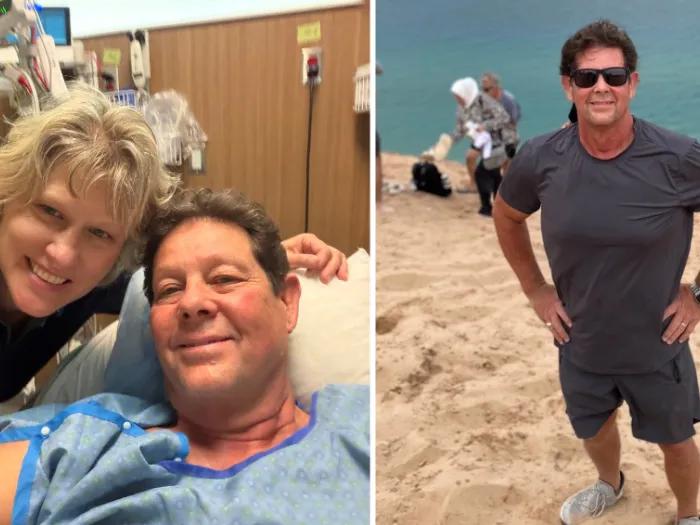
Spinal implant eliminates patient’s 'all-consuming' pain without need for a fusion
Podcast: Supporting student success: Building well-being into medical education
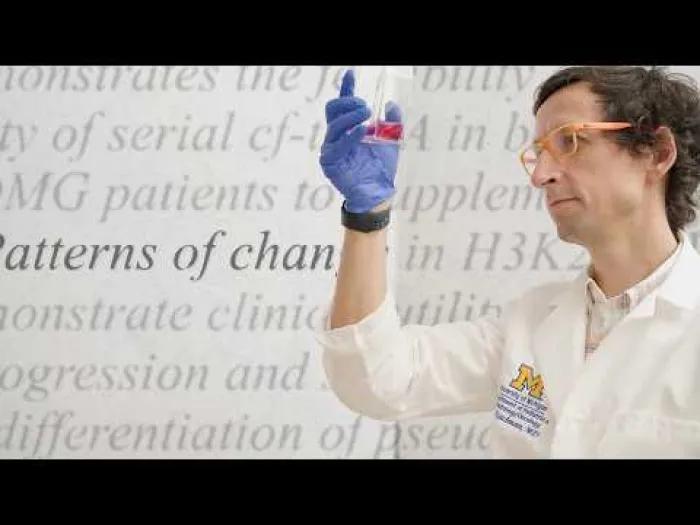
Path forward for glioblastoma treatment
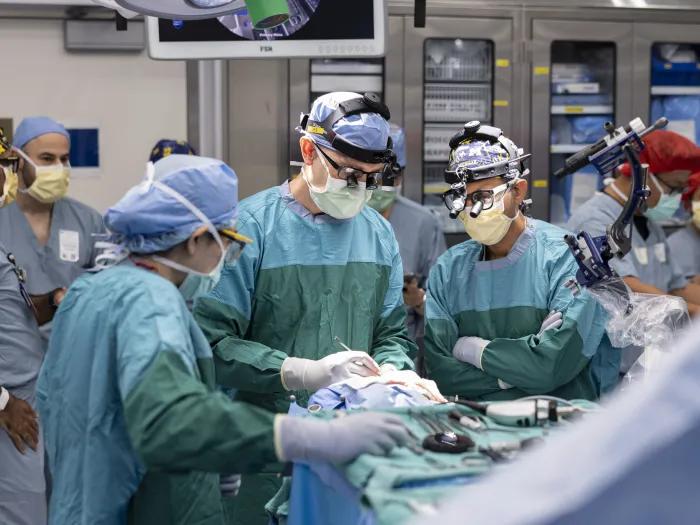
University of Michigan implants first-in-human Paradromics wireless brain-computer interface, designed to restore communication