
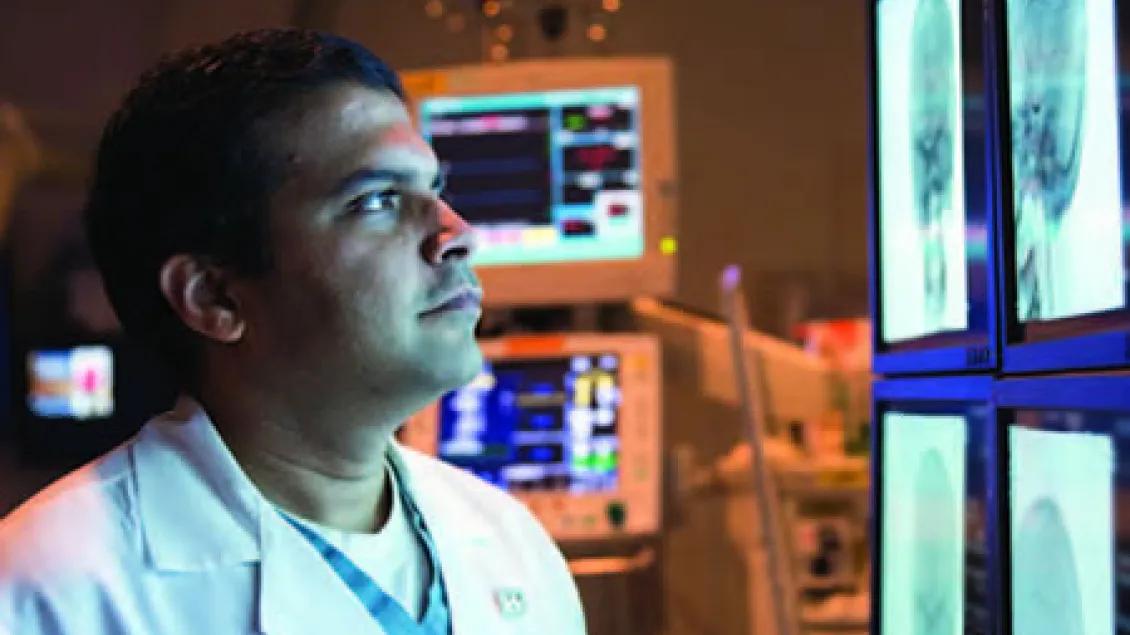
Neuroendovascular Surgery Fellowship
The Neuroendovascular Surgery/Neurointerventional Fellowship program is CAST Accredited and is supported by the U-M Medical School Departments of Neurosurgery and Radiology. The fellowship is designed for individuals who seek advanced, multidisciplinary training in the diagnosis, treatment, and research of neurovascular disease.
This combined fellowship for Neurosurgery and Radiology trainees provides comprehensive, hands-on clinical experience in neurointervention across both adult and pediatric cases.
For More Information
How to Apply
Applicants must have completed or be senior residents in an ACGME-accredited neurological surgery program or an ACGME-accredited radiology residency.
All applications must go through the formal Electronic Residency Application Service (ERAS) and the National Resident Matching Program (NRMP) process, following the requirements set by the Committee on Advanced Subspecialty Training (CAST).
Fellowship duration depends on prior experience. We offer 1- and 2-year options. Our 1-year fellowship is open to neurosurgery trained applicants who have already completed at least 200 catheter-based diagnostic/interventional procedures. Our 2-year fellowship is for radiology trained candidates who have not yet met this procedural requirement; the first year focuses on core diagnostic procedures and the second-year advances to therapeutic intervention.
Curriculum
Our fellowship provides comprehensive clinical, research, and teaching experiences in neuroendovascular surgery, with a multidisciplinary approach involving Neurosurgery, Radiology, Neurology, Neurocritical Care, Emergency Medicine, and Biomedical Engineering.
Fellows work closely with cerebrovascular neurosurgeons, neurointerventional radiologists, neurointensivists, and neurologists during clinical training, with exposure to all phases of patient care—diagnosis, surgery, nonoperative management, postoperative care, and long-term follow-up. Fellows will gain a deep knowledge of functional and angiographic anatomy and acquire technical skillset for the interventional treatment of aneurysms; brain, head and neck, and spinal arteriovenous malformations, dural and pial arteriovenous fistulas of the head and spine, carotid and vertebral stenosis, acute stroke, low flow vascular malformations of the head and neck, and intra- and extra-cranial tumors with both pediatric and adult neurovascular patients.
Research Opportunities
Research is integrated closely with clinical training. Fellows gain support with grant writing, regulatory affairs (IBR/FDA), statistics, grant and scientific writing and also collaborate across departments and have the chance to participate in projects ranging from:
- Developing novel devices to outcome analysis using population databases
- Defining a clinical or translational research project with faculty mentorship
- Contributing to the field by publishing at least one manuscript per year
- Presenting at academic meetings, participate in brain injury group meetings
Salary & Benefits
We offer highly competitive salaries and generous benefits to our residents, fellows, and advanced trainees. Trainee salary will be commensurate with that of a House Officer at an equivalent level of training based on the HOA contract.
Shaping Future Leaders
Hear from past fellows and learn more about how their unique training experiences at U-M Medical School shaped their careers.
Fellow, 2013-2015
Assistant Professor of Neurosurgery, University of Colorado
The fellowship was probably the most important decision I made and has benefited me in too many ways to count. I came to the fellowship from private practice neurosurgery, and the fellowship allowed me to pursue a career in academic neurosurgery. The two years spent with Drs. Thompson and Pandey are still two of my most enjoyable years of neurosurgery. It truly was a treasured time. I also just enjoyed being around the caliber of a neurosurgical department such as U of M. Top notch humans (everyone from surgical staff, APPs, residents, other fellows, and attendings) taking really good care of people with complex neurosurgical problems.
Fellow, 2023-2024
Assistant Professor of Neurosurgery, MedStar Georgetown University Hospital
My fellowship in Endovascular Neurosurgery at the University of Michigan was an exceptional and transformative experience. The program’s high clinical volume, complex case diversity, and strong mentorship cultivated both technical skill and clinical judgment. Working closely with neurosurgical faculty (Dr. Pandey and Dr. Thompson) as well as neuroradiology faculty (Dr. Chaudhary and Dr. Wilseck) who were all deeply dedicated to education and multidisciplinary collaboration allowed me to develop a balanced perspective in treating cerebrovascular pathology via endovascular approaches.
The experience I had at U-M, both in terms of technique and clinical decision-making, continues to shape my practice today. I left U-M with not only new skills, but also a perspective on how to contribute and advance the field of endovascular neurosurgery due to the ample opportunities provided to me in research and innovation. Following my fellowship at U-M, I completed a one-year fellowship in open cerebrovascular and skull base fellowship at Northwell Health in NY. Currently, I am a faculty member at MedStar Georgetown University Hospital in DC where I focus on treating patients with cerebrovascular disorders and tumors as well as advancing the field through clinical research.
Recent Graduates
- 2024–2025: Rachel Hunt Qayed
Next appointment: Henry Ford Health, Detroit - 2023–2024: Ehsan Dowlati
Next appointment: MedStar Health, Washington, DC - 2022–2023: Daniel Vollhaber
Next appointment: MyMichigan Medical Center Midland
- 2021–2022: Adam Khan
Next appointment: Corewell Health - 2013–2015: Christopher Roark
Next appointment: School of Medicine, University of Colorado Anschutz
Program Leadership
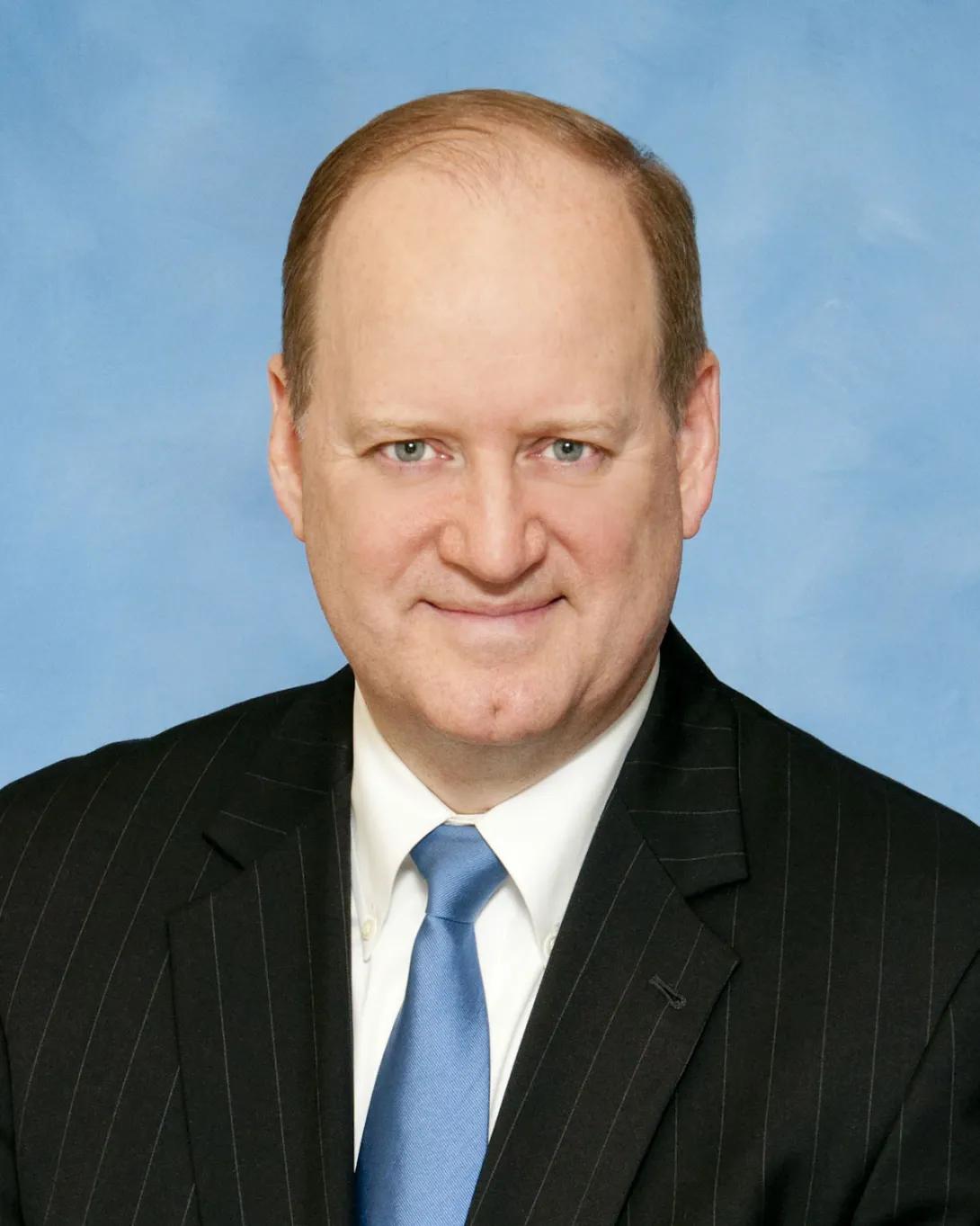
Byron Gregory Thompson, Jr, MD
Associate Chair, Department of Neurosurgery
Assistant Chair, Professionalism
Professor of Neurosurgery
Professor of Otolaryngology-Head and Neck Surgery
Professor of Radiology
Medical Director, Neurocritical Care Surgical and Neurosurgical OR Management
Section Head, Neurovascular Neurosurgery and Skull Base Neurosurgery
Medical School
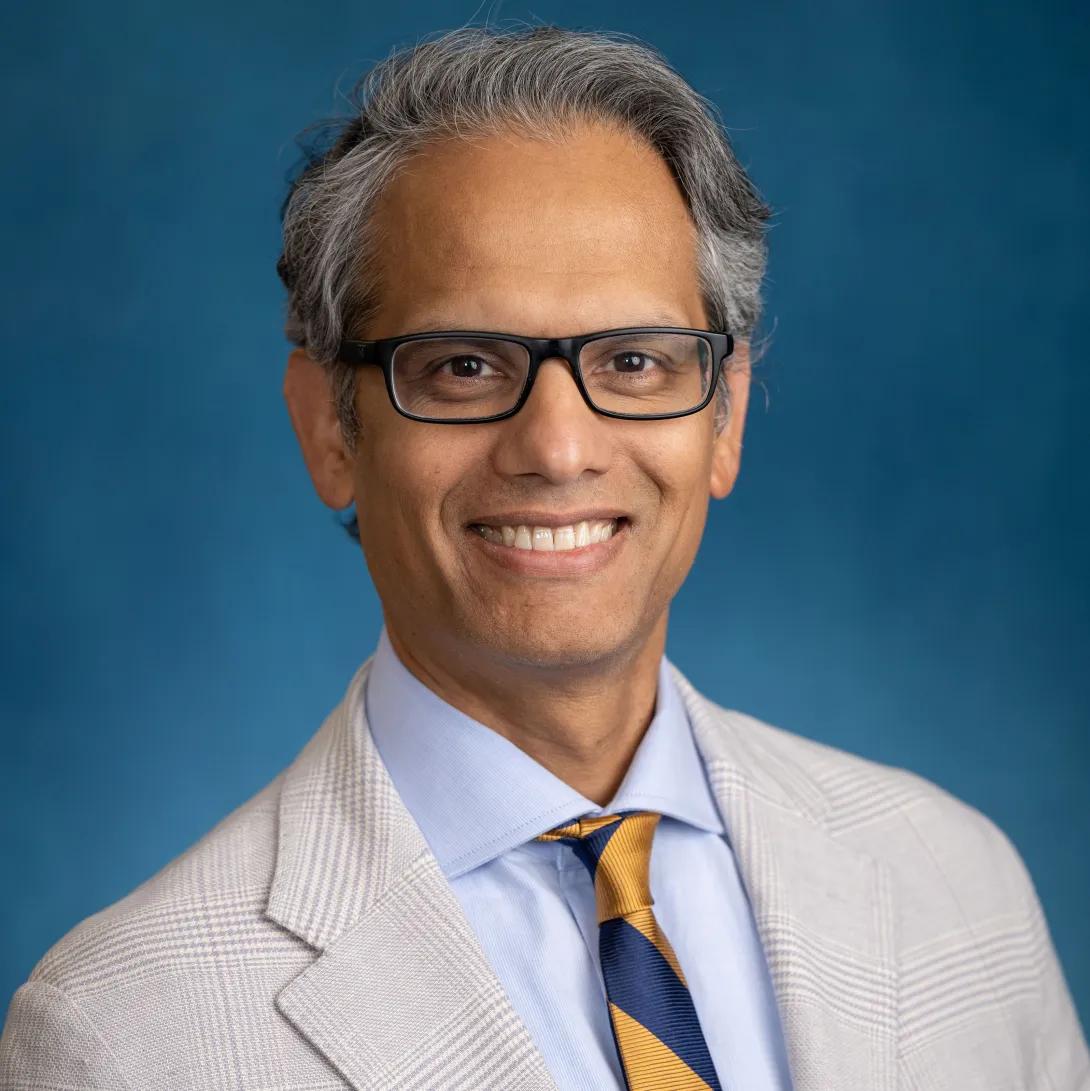
Aditya S Pandey, MD
Professor of Neurosurgery
Chair, Department of Neurosurgery
Professor of Neurosurgery
Professor of Radiology
Professor of Otolaryngology-Head and Neck Surgery
Surgical Director, Comprehensive Stroke Center Surgical
Medical School
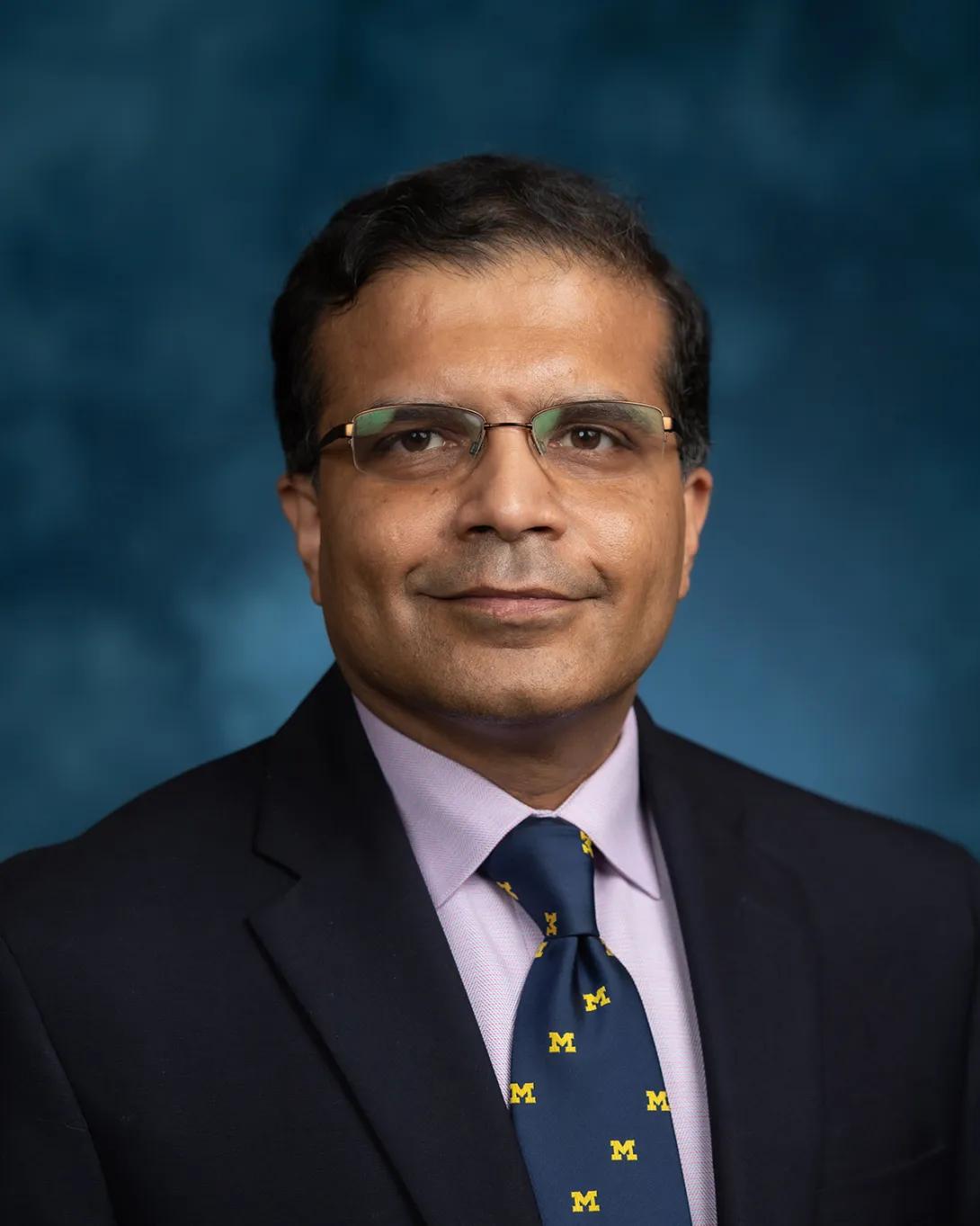
Neeraj Chaudhary, MD, MBBS, MRCS (UK), FACR (USA), FRCR (UK), FAHA, FEBNI (EU)
Clinical Professor of Neurology
Clinical Professor of Neurosurgery
Clinical Professor of Otolaryngology-Head and Neck Surgery and Program Director
Neurointerventional Radiology
Medical School
Sravanthi Koduri, MD
Medical School
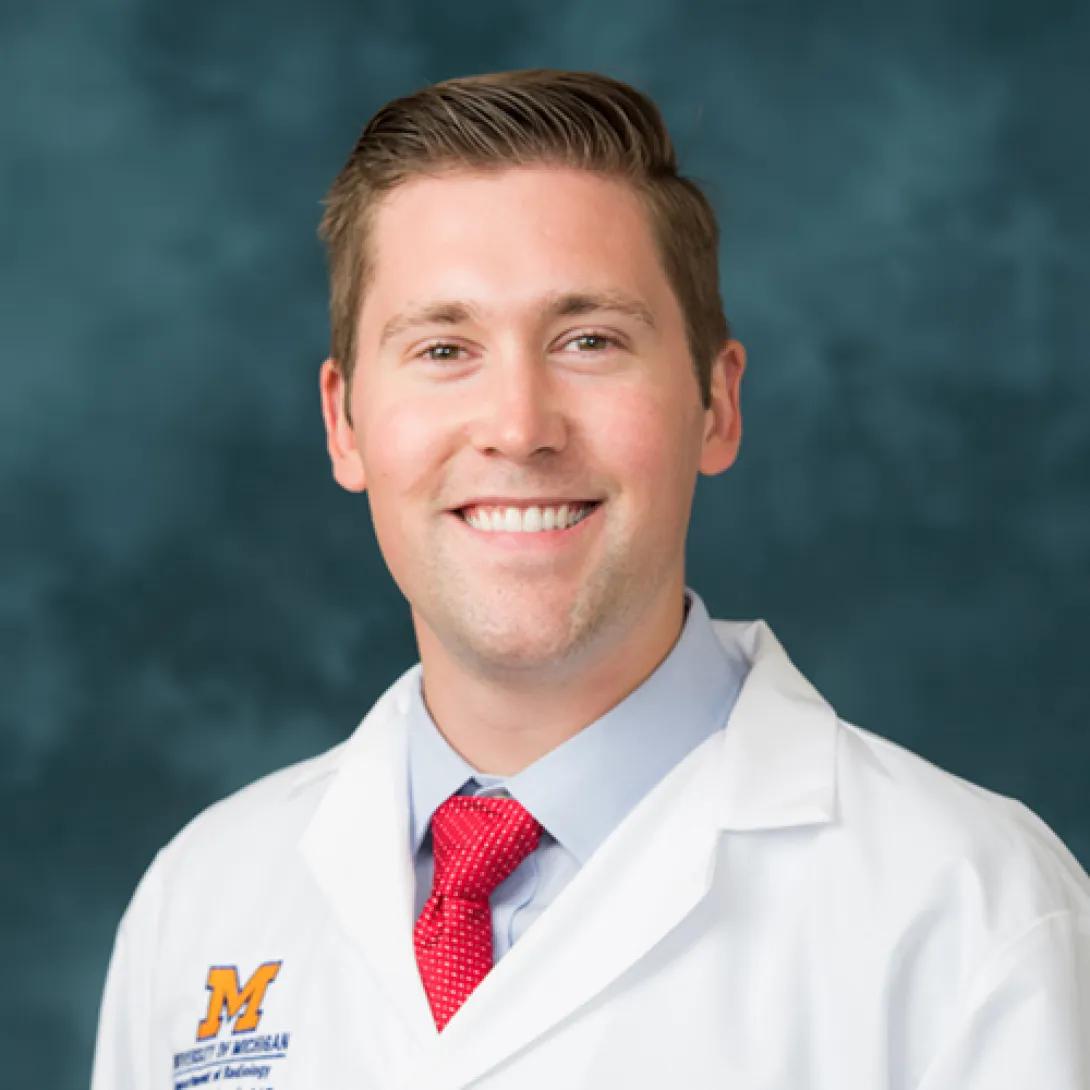
Zachary M Wilseck, MD
Clinical Assistant Professor of Neurosurgery
Medical School
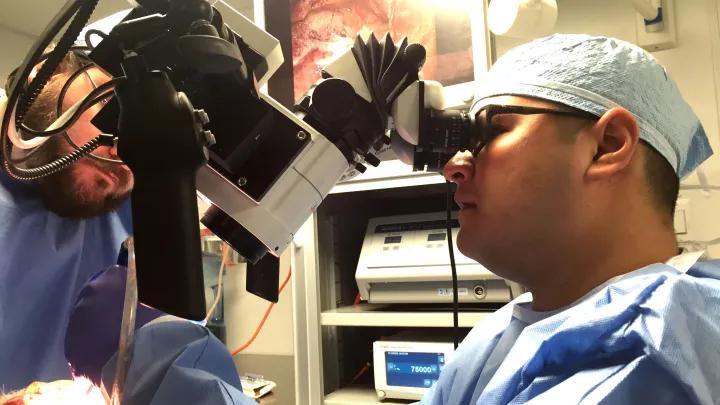
See Where Training Takes Place
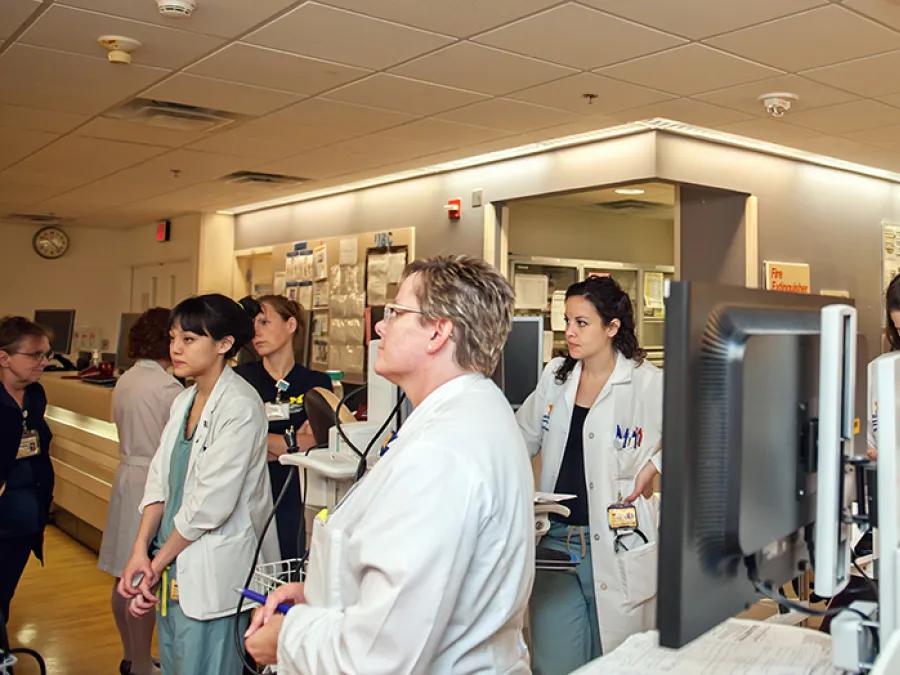
We continually work to ensure that our program offers the best possible environment for developing the careers of future leaders of neurosurgical practice and science.

Life in Ann Arbor
We find a new reason to love Ann Arbor nearly every day — year-round outdoor activities, cultural experiences, a growing food scene, and a welcoming, family-friendly atmosphere are just a few that come to mind. Explore all that Ann Arbor and our surrounding communities have to offer.
