
Neurointerventional Radiology Fellowship
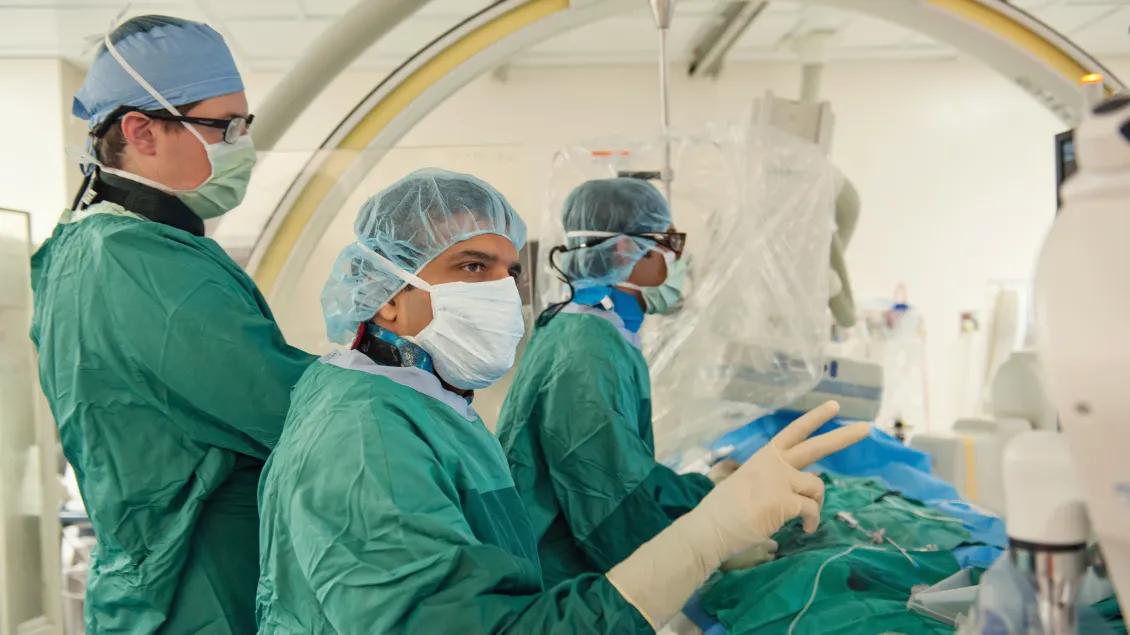
The U-M Medical School Department of Radiology's Neurointerventional Radiology Fellowship is designed for individuals who desire sub-specialized training in neurointerventional radiology.
The fellowship involves extensive clinical and catheter-based training under the supervision of two full-time faculty in neurointerventional radiology, plus three full-time faculty from neurosurgery and provides fellows with an outstanding hands-on experience. The combined specialty of Neurointervention at Michigan Medicine can boast of a long tradition of involvement in level 1 evidence establishment ion Stroke outcome research with participation in multicenter clinical trials like DEFUSE 3, TIMELESS, MR RESCUE, THERAPY & MISTIE III. The faculty involved in Neurointerventional Mentorship and training are all RFP CNS-ES certified or eligible. Apart from accomplishments in clinical outcomes based research the faculty are NIH funded with a strong track record of completion of R21 & R01 grants with several ongoing NIH funded projects. The senior faculty in the group have more than 200 publications each in high impact journals.
Learn more by jumping to the sections below:
How to Apply
Applicants must have completed or be senior residents in an ACGME-accredited radiology residency program or an ACGME-accredited neurological surgery residency.
All applications must go through the formal Electronic Residency Application Service (ERAS) and the National Resident Matching Program (NRMP) process, following the requirements set by the Committee on Advanced Subspecialty Training (CAST).
Fellowship duration depends on prior experience. We offer 1- and 2-year options. Our 1-year fellowship is open to neurosurgery trained applicants who have already completed at least 200 catheter-based diagnostic/interventional procedures. Our 2-year fellowship is for radiology trained candidates who have not yet met this procedural requirement; the first year focuses on core diagnostic procedures and the second-year advances to therapeutic intervention.
The Neurointerventional Radiology fellowship is integrally tied in with the departments of Neurosurgery and Neurology to enhance the individual's clinical exposure.
Applicants from radiology are required to complete ONE of the following:
Completion of an ACGME accredited residency in Radiology and diagnostic Neuroradiology fellowship.
Completion of the Neurointerventional Radiology (NIR) pathway within the IR/DR residency.
ABR certification in Interventional Radiology/Diagnostic Radiology (IR/DR) followed by independent completion of the clinical prerequisites for the Neurointerventional pathway.
Further details can be found at the Society of Neurological Surgeons (SNS) CAST website: https://sns-cast.org/wp-content/uploads/2025/09/Neuroendovascular-Requirements-Sept.-2025.pdf
Submit Applications
Curriculum
Our fellowship provides comprehensive clinical, research, and teaching experiences in neuroendovascular surgery, with a multidisciplinary approach involving Neurosurgery, Radiology, Neurology, Neurocritical Care, Emergency Medicine, Otorhinolaryngology, Ophthalmology and lab-based bench side research involving Biomedical Engineering and lab-based neurovascular research.
The Neurointerventional Radiology fellowship involves training under the supervision of five full-time faculty in addition to working closely with cerebrovascular neurosurgeons, neurointensivists, and stroke neurologists during clinical training.
Collectively, the group performs diagnostic cerebral angiograms and interventional cases with more than 1,000 cases per year (400 diagnostic angiograms and 600 interventional cases). This training spans the full spectrum of adult and pediatric neurointervention. The diverse practice includes, but is not limited to, interventional treatment of aneurysms, vascular malformations of the brain, orbit, head and neck, and spine, intra-cranial and extra-cranial arterial stenosis, acute ischemic stroke, intra- and extra-cranial tumors, venous stenosis and IIH, spontaneous intracranial hypotension related to spinal CSF leaks and CSF-venous fistulae, IA chemotherapy for pediatric retinoblastoma, and full spectrum of vertebral augmentation of vertebral fractures including cervical levels.
Fellows actively participate in all neurointerventional cases. Additional responsibilities include post-operative management of patients, participation in call, and evaluation of patients in our outpatient clinic. Daily duties are also structured such that there is time for research and publication.
Current Fellows
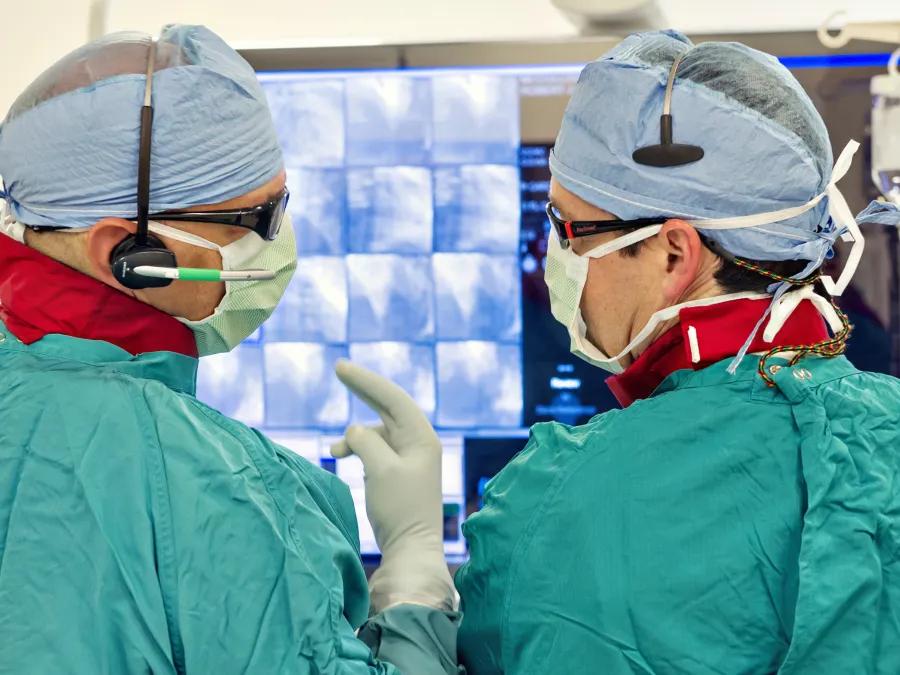
Meet the current trainees in the Neurointerventional Radiology Fellowship. We emphasize teamwork, excellence, and leadership while preparing our fellows with resources to be successful in their careers.
ABR Pathway
The Department of Radiology offers qualified candidates the opportunity to participate in the American Board of Radiology (ABR) alternate pathway to complete four years of radiology fellowship training towards eligibility for ABR certification.
Program Leadership
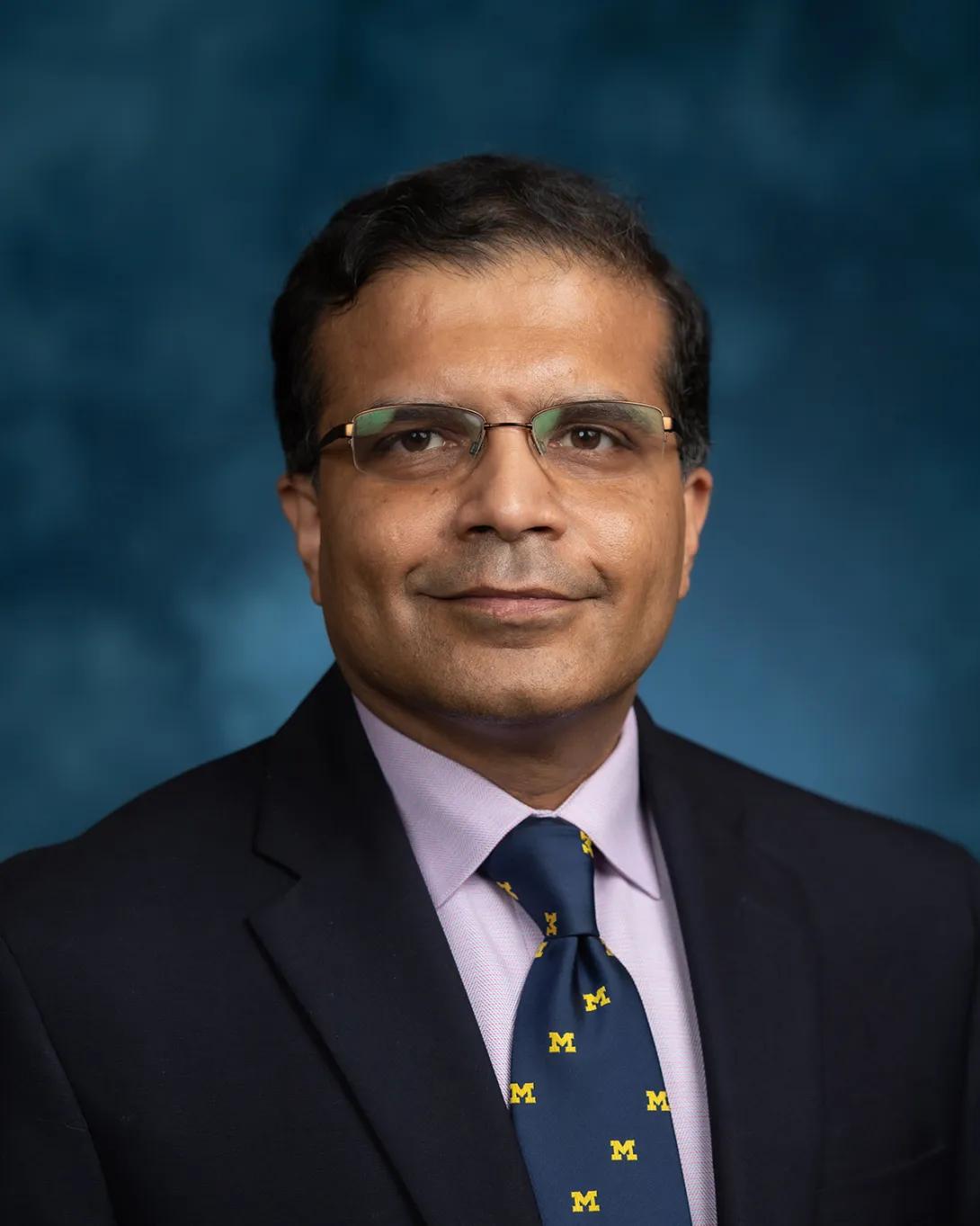
Neeraj Chaudhary, MD, MBBS, MRCS (UK), FACR (USA), FRCR (UK), FAHA, FEBNI (EU)
Clinical Professor of Neurology
Clinical Professor of Neurosurgery
Clinical Professor of Otolaryngology-Head and Neck Surgery and Program Director
Neurointerventional Radiology
Medical School
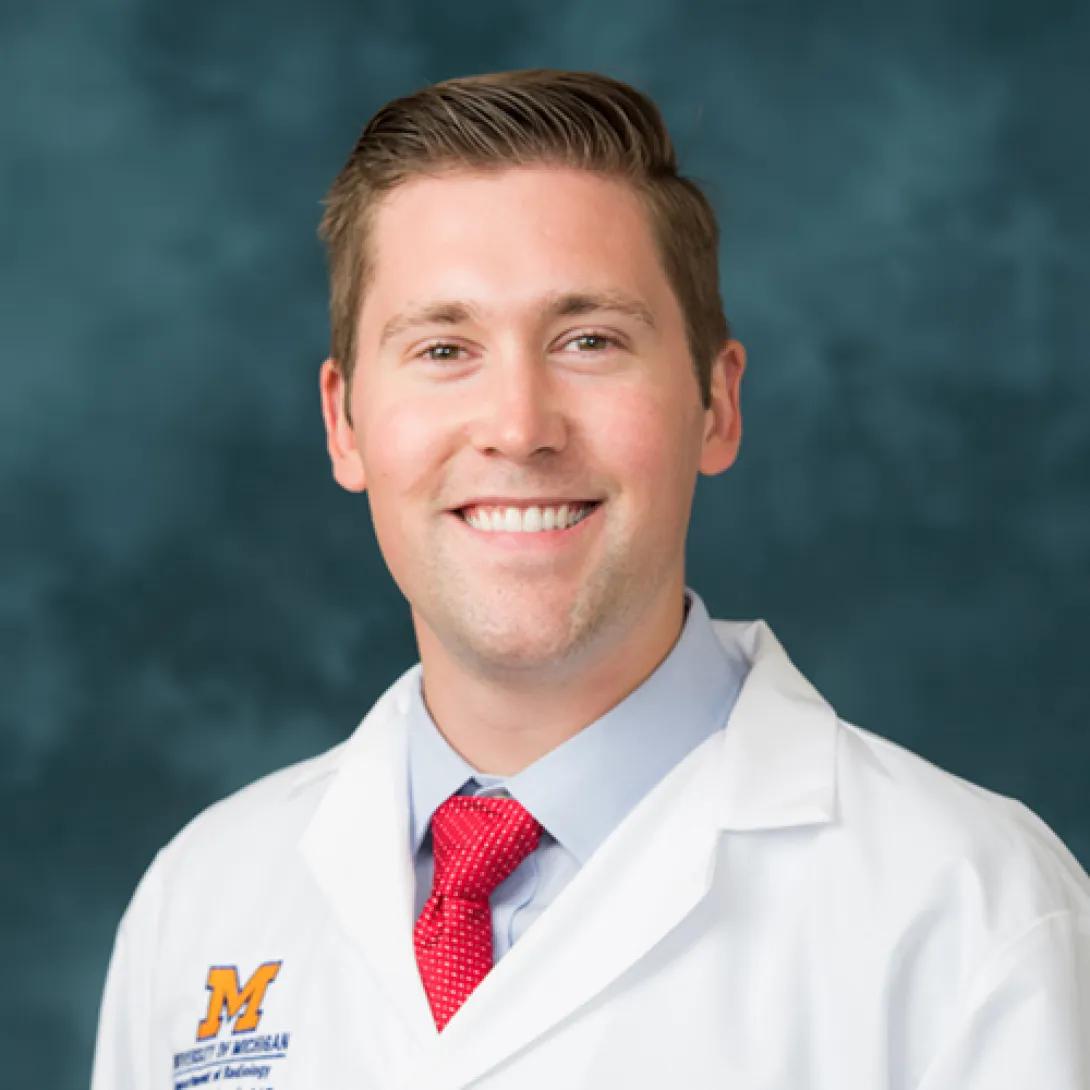
Zachary M Wilseck, MD
Clinical Assistant Professor of Neurosurgery
Medical School
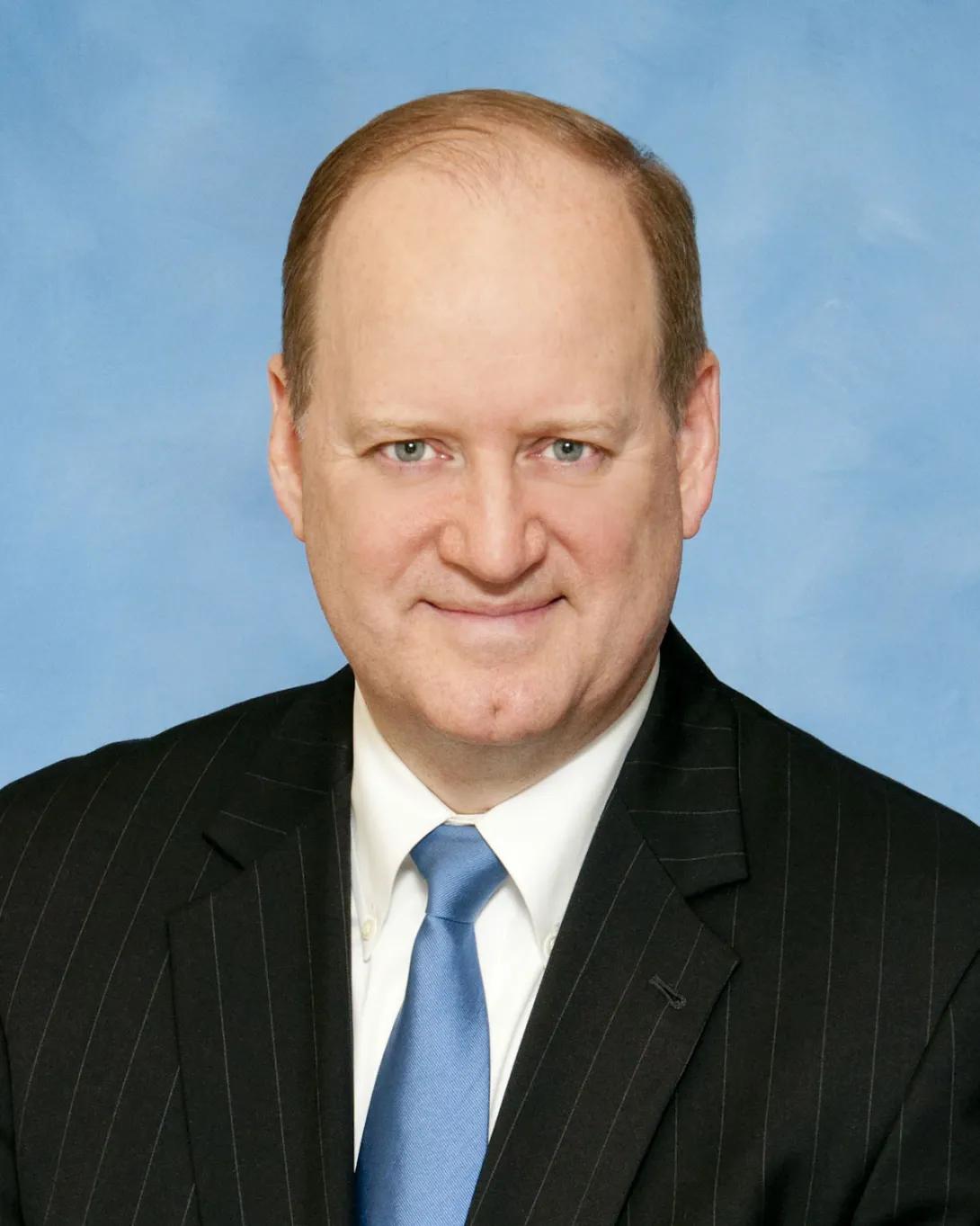
Byron Gregory Thompson, Jr, MD
Associate Chair, Department of Neurosurgery
Assistant Chair, Professionalism
Professor of Neurosurgery
Professor of Otolaryngology-Head and Neck Surgery
Professor of Radiology
Medical Director, Neurocritical Care Surgical and Neurosurgical OR Management
Section Head, Neurovascular Neurosurgery and Skull Base Neurosurgery
Medical School
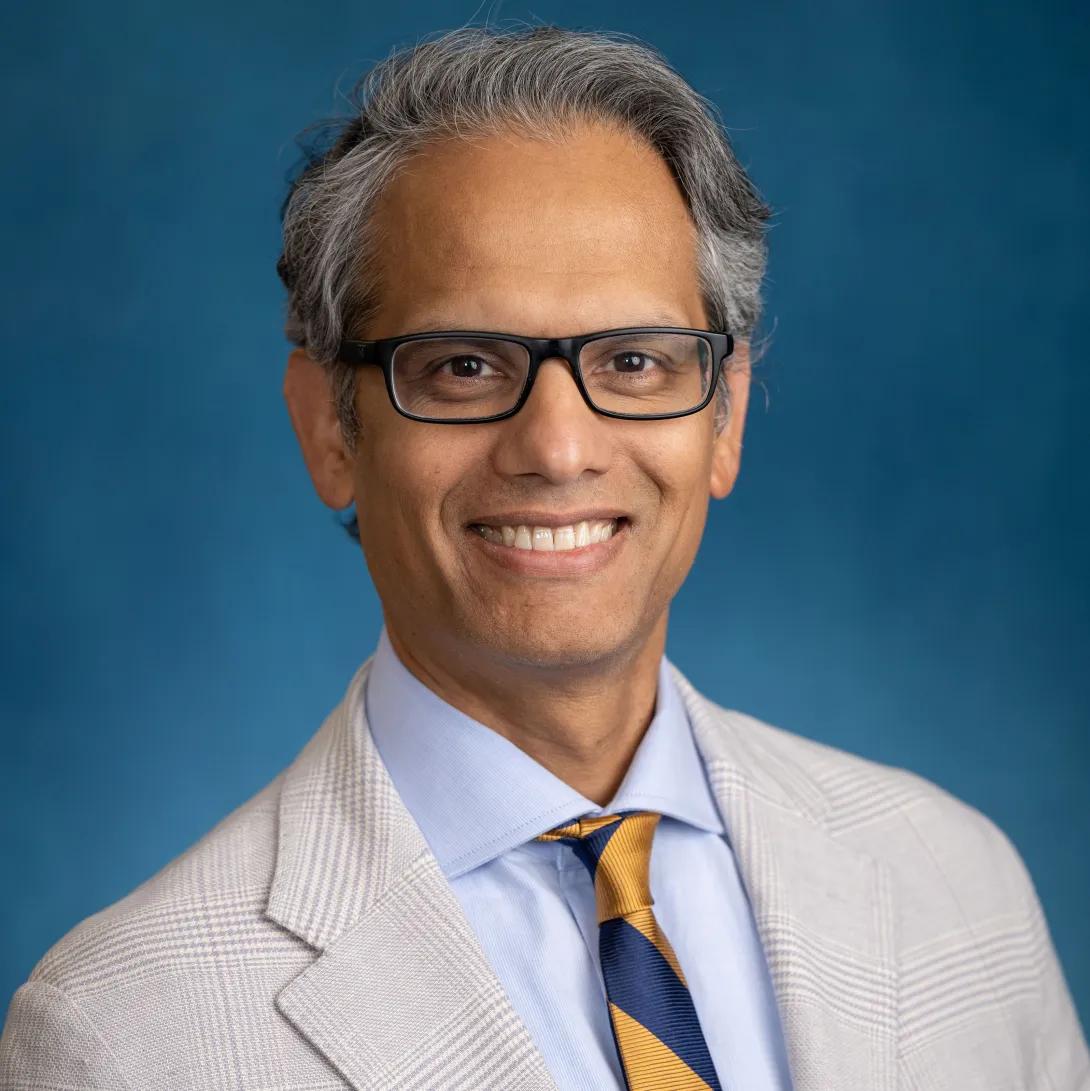
Aditya S Pandey, MD
Professor of Neurosurgery
Chair, Department of Neurosurgery
Professor of Neurosurgery
Professor of Radiology
Professor of Otolaryngology-Head and Neck Surgery
Surgical Director, Comprehensive Stroke Center Surgical
Medical School
Sravanthi Koduri, MD
Medical School
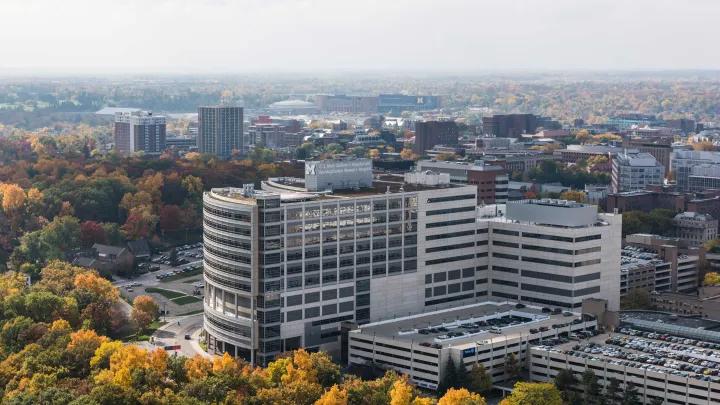
See Where Training Takes Place
The University of Michigan Medical School campus offers numerous spaces dedicated to academic learning, research and clinical care, including specialty clinics, research labs, lecture halls, and clinical simulation centers. Each space and facility provides a collaborative and innovative environment for education, research and patient care.

Life in Ann Arbor
We find a new reason to love Ann Arbor nearly every day — year-round outdoor activities, cultural experiences, a growing food scene, and a welcoming, family-friendly atmosphere are just a few that come to mind. Explore all that Ann Arbor and our surrounding communities have to offer.
