
Musculoskeletal Radiology Fellowship
The U-M Medical School Department of Radiology's Musculoskeletal (MSK) Radiology Fellowship is a one-year program that provides well-balanced subspecialty training in all areas of musculoskeletal imaging from a very large and experienced division.There is a wide range of MSK pathology, as our patient population ranges from primary care to quaternary care.
Notable areas include sports medicine, orthopaedic trauma, joint reconstruction, soft tissue and bone tumors, and rheumatologic disorders. The sports medicine orthopaedic surgeons and physicians support all the collegiate athletes from the University of Michigan, and this provides exposure to a wide range of sports-related MSK pathology since we serve as the MSK radiologists for all University of Michigan athletics.
We have a busy Musculoskeletal Oncology and Sarcoma Center with vast pathology and offering high-volume interventions. Fellows and division members participate in numerous intradepartmental conferences as well as interdisciplinary working conferences.
Learn more by jumping to the sections below:
For More Information
Program Highlights
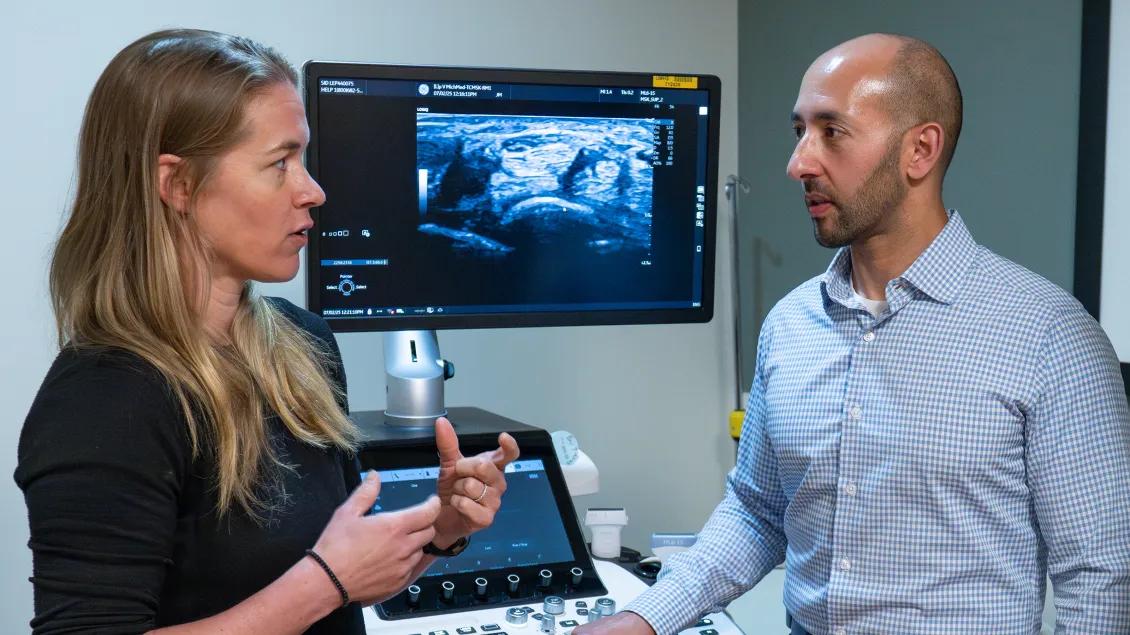
Teaching is highly valued by MSK division members, as shown by the Division's top rating in this area by its radiology residents. Fellows are provided a series of weekly didactics taught by the faculty, a daily noon conference, and ample hands-on training in ultrasound. As junior faculty/clinical instructors, fellows are encouraged to develop their own teaching style, and to participate in local, regional, and national conferences. Funding and time off are provided for such participation.
The faculty are actively engaged in clinical research and strongly encourage fellows to become involved in research projects, culminating in presentations at national meetings and publications in major journals. Academic time, mentoring by faculty members, and quality ancillary support are provided to promote a rewarding academic experience.
Fellows work closely with faculty members in clinical work, with progressive independence as their experience grows. Fellows will develop the complete range of technical and consultative skills needed to successfully manage complex imaging cases. The atmosphere is professional, friendly, and promotes the highest quality in clinical services, teaching, and research.
How to Apply
We support the NRMP MSK Fellowship Match for the fellowship year 2028-29. The MSK match will follow the SCARD/NRMP timeline for fellowship applications and interviews. We will begin accepting applications September 1, 2026 through December 31, 2026. We will offer interviews from January through March 2027.
All interviews will be virtual. We will accept the SSR common application. Since ERAS does not support the MSK Match, please email the following documents directly to us:
- SSR common application form
- CV including USMLE scores
- Personal statement
- Three letters of recommendation. One of these letters should be from your Residency Program Director. Please have your letter writers email the letters directly to us.
Submit Applications
Please send all documents via email to the Fellowship Coordinator.
Curriculum
During the one-year fellowship in Musculoskeletal Radiology, each fellow will develop expertise in MSK MRI, CT, US, radiography, and interventional procedures. Through hard work, education, and sharing of responsibilities, our fellows emerge from their training as well-rounded MSK consultants, equipped with the knowledge and experience that will allow them to succeed in any type of practice, clinical, or academic. We emphasize the team approach to our division, with the goal of completing the daily work in an efficient manner, in an atmosphere that is positive, supportive, friendly, and educational.
As junior faculty/clinical instructors at the University of Michigan, fellows have gradually increased clinical responsibilities throughout the year. The faculty and each fellow decide when the time is right for this transition. Limited independent interpretation of radiographs usually begins early in the year, followed by other imaging studies when the fellow is comfortable. At all times, there are several MSK faculty present to assist with difficult cases and consultations. We encourage fellows to strive to continually improve speed and accuracy of interpretation and dictation as they progress through the fellowship.
We have developed a fellowship-level MSK curriculum based on the ACGME core competencies to serve as a guide for independent study. In addition, the faculty teach a series of weekly didactics and seminars geared to the fellowship level, to augment material learned in the daily readout sessions.
- Daily 12:30–1:00 pm (12:45 pm on Tuesdays)
- Daily working conference. Review of biopsy/procedure requests, discussion of tumor board cases or other interesting cases.
- Tuesdays 12:00-12:45 pm
- Faculty didactics for residents in Sept. – June.
- Wednesdays 7:30-8:30 am, Sept. – June.
- Fellow case conferences for residents, 3 per fellow per year
- Wednesdays, 4:45–6 pm
- Sarcoma tumor board multidisciplinary conference.
- Ortho Surgery Sports Conference – Once a month
- Ortho Surgery Arthroplasty Conference – Once a month
- Ortho & Plastic Surgery Hand Conference – Once a month
- Rheumatology Fellow Conference – Once a month, Sept. – May.
- Sports Medicine (non-op) Fellow Conferences – Once a month
- Orthopaedic Surgery Grand Rounds/ M&M (optional) - Thursdays, 6:30-7:30 am
- MSK Journal Club – Once a month
- MSK US Conference – Every other month
- MSK US Hands-on Sessions – Frequent
- Multi-institutional Bone Club - Quarterly 5:30-7 pm - fellows present one interesting case virtually in a multi-institutional conference for MSK fellows from multiple institutions.
Fellowship-level didactics are taught by faculty throughout the year. These include practice teaching points at the daily “working conference” and focused teaching sessions on advanced MSK concepts, including the following: fracture fixation, joint reconstruction, tumor and infection imaging, imaging of metallic implants, sports medicine, interventions, MSK ultrasound didactics and hands-on training sessions, career planning and practice development.
As junior faculty/clinical instructors, teaching residents and medical students is an integral part of the fellowship, both in conference format and one-to-one at the workstation. Each fellow is assigned three resident teaching conferences from September - June. The preparation of conferences not only allows fellows to gain expertise, but to create a teaching file and lectures, develop their own style of teaching, and increase confidence in public speaking. Faculty are always available to help fellows prepare if there are questions and attend these resident teaching conferences.
- Resident conferences – didactic case conference format. Fellows may present a topic of their choice.
- Teaching of residents and medical students at the workstation. Every 2 weeks we have a rotating group of M2’s in the MSK reading room. We occasionally have M3’s and M4’s on electives, in addition to med students visiting from other institutions. Occasionally we have visiting international residents and faculty.
- Interdisciplinary conferences
- Sarcoma tumor board (weekly)
- Ortho Surgery Sports Conference (monthly)
- Ortho Surgery Arthroplasty Conference (monthly)
- Others – Rheumatology, sports medicine (non-op), etc.
Fellows get two – four PD days per month, depending on staffing. Fellows receive one PD day prior to the day of sarcoma tumor board to prepare. PD time can also be used for the following:
- Study/Reviewing cases
- Lecture/Abstract preparation
- Observation of procedures or readouts
- Research, review article preparation, QA
- Observation of orthopaedic surgery
- Cadaveric dissection is possible
Three weeks are allotted for electives in other Radiology divisions. These are tailored for each fellow to afford additional educational experience prior to starting practice.
Moonlighting:
Several moonlighting opportunities exist within the department.
- Contrast coverage: We have several outpatient centers requiring paid radiologist CT and MRI contrast coverage.
- ED plain film coverage: Moonlighting shifts may be available to fellows who work in the capacity of staff radiologists in the ED.
In the Fellows’ online folder, there is a publication archive, organized by body part, modality, procedures, medical education, etc. In addition, there are multiple other resources including PowerPoint presentations and multiple free textbooks.
Each fellow’s progress will be discussed among the bone faculty during our monthly division meetings and any concerns will be shared with the fellow in real time. In addition, comments will be gathered from our faculty, PAs, MSK sonographers, and clerks to be used to complete the evaluation form. The evaluation form and progress to date will be reviewed by Dr. Soliman with the fellow throughout the year. Formal feedback will be given to the fellows regarding progress achieving the MSK Fellowship Milestones. At that time formal feedback will be solicited from you to the faculty, with faculty assessment forms. We encourage you to tell us what you want out of this fellowship.
- 22 days per year for vacation
- Major holidays paid include: New Year’s Day, Memorial Day, Independence Day, Labor Day, Thanksgiving Day, Day after Thanksgiving, and Christmas Day
- 4 “season” days to use either at Christmas or New Year’s week
- 5 days for conferences
- 3 days for interviewing
- Additional time may be available if presenting research
- Additional ½ week to attend RSNA and ARRS (2 fellows must remain to staff the division; fellows decide among themselves how to split the weeks)
- As clinical lecturers/junior faculty, fellows receive 15 medical days per year to be used for the following: illness; preventive medical/dental appointments/procedures; maternity/paternity leave; and care for a sick child or parent.
A total of $2500 per year can be used to pay professional society dues, medical licenses, books, journal subscriptions, computer software, and travel funds for professional enhancement. See Carol Kruise for details on how to submit expenses for reimbursement from your fund. An additional $1500 is available once per year as a presentation bonus (when presenting research done at this institution only) at a national meeting.
Schedules
- General: Check in with daily assigned bone faculty for details. The day begins at 8 a.m.
- Bone 1: ER and Inpatient MRI, CT, and XR. Then outpatient MRI and CT. This rotation is staffed by 1 faculty, 1 fellow, and 1-2 residents.
- Bone 2: Outpatient MSK Ultrasound from Taubman and Domino’s Farms as well as outpatient MRI and XR. Ample time is offered for hands-on scanning for MSK ultrasound and fellows are encouraged to get as much “hands-on” scanning practice as possible. Additionally, days are provided for the fellow to scan their own patients with the MSK sonographer or faculty present as a backup. Fellow can help with some ultrasound-guided and fluoroscopic-guided procedures. This rotation is staffed by 1 faculty, 1 fellow, and 1 resident.
- Bone 3: Outpatient biopsies (CT-guided, US-guided, & MRI-guided), outpatient and inpatient US-guided procedures, some MRI and XR reading. We average 1-2 CT- or US-guided biopsies and 3-6 US-guided injections per day. MSK faculty supervise all biopsies. We average one osteoid osteoma radiofrequency ablation every 2-3 months. This rotation is staffed by 1 faculty, 1 fellow, and 1 resident.
- Bone 4: Outpatient MRI and XR, MSK ultrasound from Northville and Brighton. This rotation is staffed by 1 faculty and 1 fellow.
- Bone XR: After spending some time on our clinical service early in the year, fellows have the opportunity to function as independent staff interpreting radiographs on this rotation.
Current Fellows
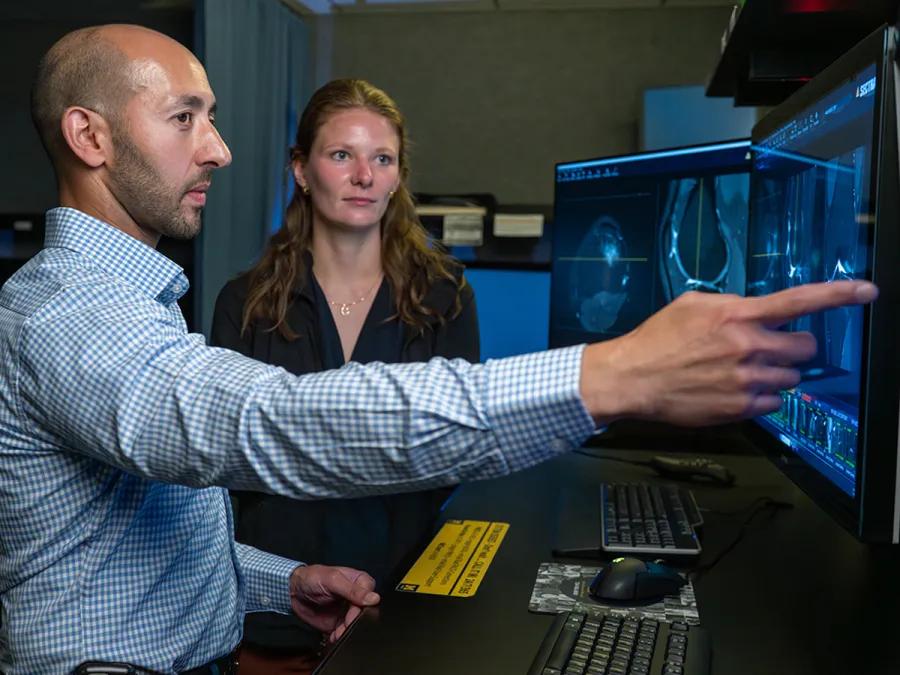
Meet the current trainees in the Musculoskeletal Radiology Fellowship. We emphasize teamwork, excellence, and leadership while preparing our fellows with resources to be successful in their careers.
Research
The Musculoskeletal Faculty have diverse backgrounds and diverse research interests. Areas of research interest include but are not limited to MRI, ultrasound, cadaveric studies, comparative anatomy, arthritis, sports medicine, pelvic floor imaging, bone mineral density and metabolism, osteoarthritis, and procedures. Collaboration with Orthopaedic Surgery and Rheumatology, among others, is common with most research projects. Please see the individual Musculoskeletal Faculty web pages for specific research interests. Musculoskeletal Fellows and Residents often work with Musculoskeletal Faculty on research projects, which are expected to result in exhibits, presentations, and manuscripts. The Musculoskeletal Faculty will serve as mentors for such projects and provide guidance to achieve such results.
Fellows are expected to participate in at least one type of project listed below. Reviews or QA projects tend to be easier to accomplish in one year.
- Research Projects: Each faculty has several IRBs and projects in various stages of development. Fellows can participate in all areas of literature search, data collection and analysis and manuscript preparation (First authorship is not required if time is limited)
- Education Exhibits: Aim to submit education exhibits, case of the day, scientific posters or abstracts to RSNA, SSR, ISS, ARRS, and other conferences.
- Review Papers: Many of our faculty are invited to submit review papers to various journals every year and they frequently offer first authorship to interested fellows.
- QA Projects
ABR Pathway
The Department of Radiology offers qualified candidates the opportunity to participate in the American Board of Radiology (ABR) alternate pathway to complete four years of radiology fellowship training towards eligibility for ABR certification.
Program Leadership
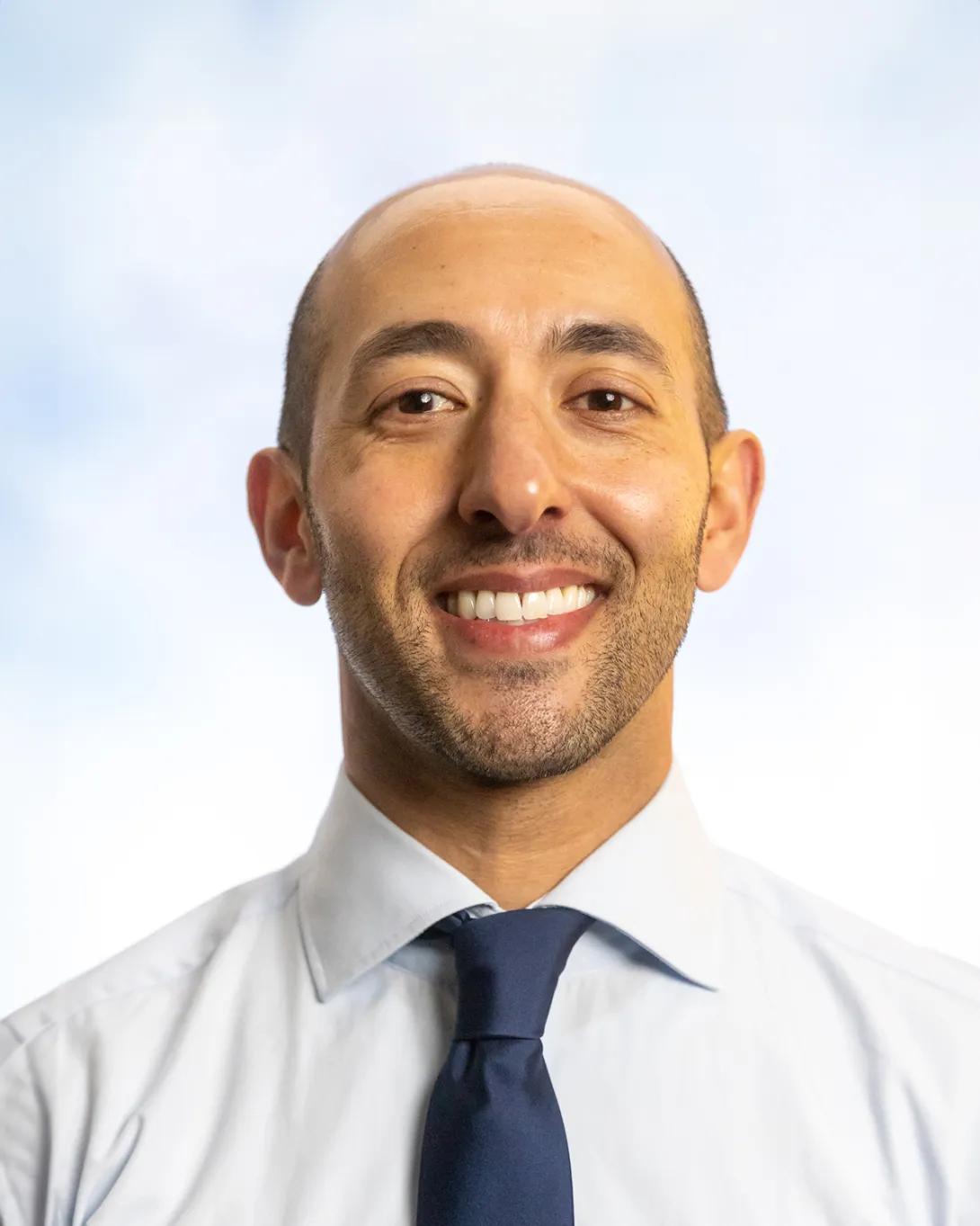
Steven B Soliman, DO, RMSK, FAIUM, FAOCR
Program Director, Musculoskeletal Radiology Fellowship Program
Program Associate
Clinical Research Lead for Musculoskeletal Radiology
Medical School
See Where Training Takes Place
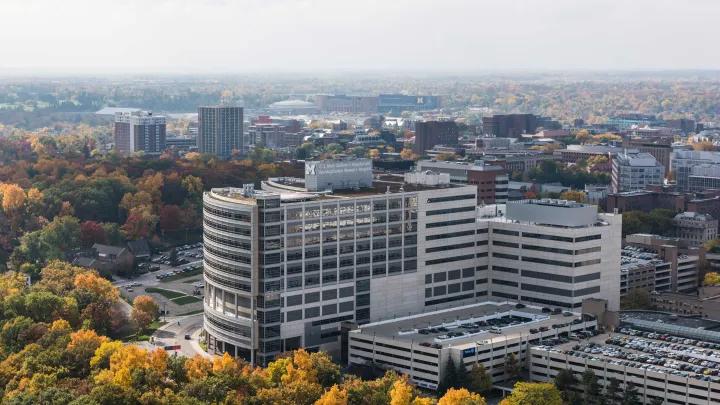
The University of Michigan Medical School campus offers numerous spaces dedicated to academic learning, research and clinical care, including specialty clinics, research labs, lecture halls, and clinical simulation centers. Each space and facility provides a collaborative and innovative environment for education, research and patient care.
Life in Ann Arbor
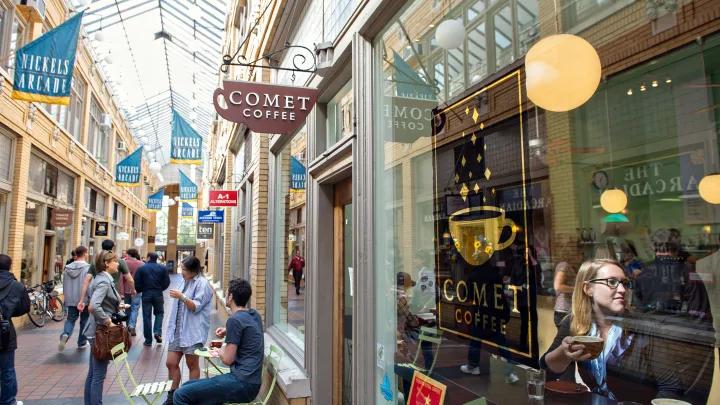
We find a new reason to love Ann Arbor nearly every day — year-round outdoor activities, cultural experiences, a growing food scene, and a welcoming, family-friendly atmosphere are just a few that come to mind. Explore all that Ann Arbor and our surrounding communities have to offer.
