
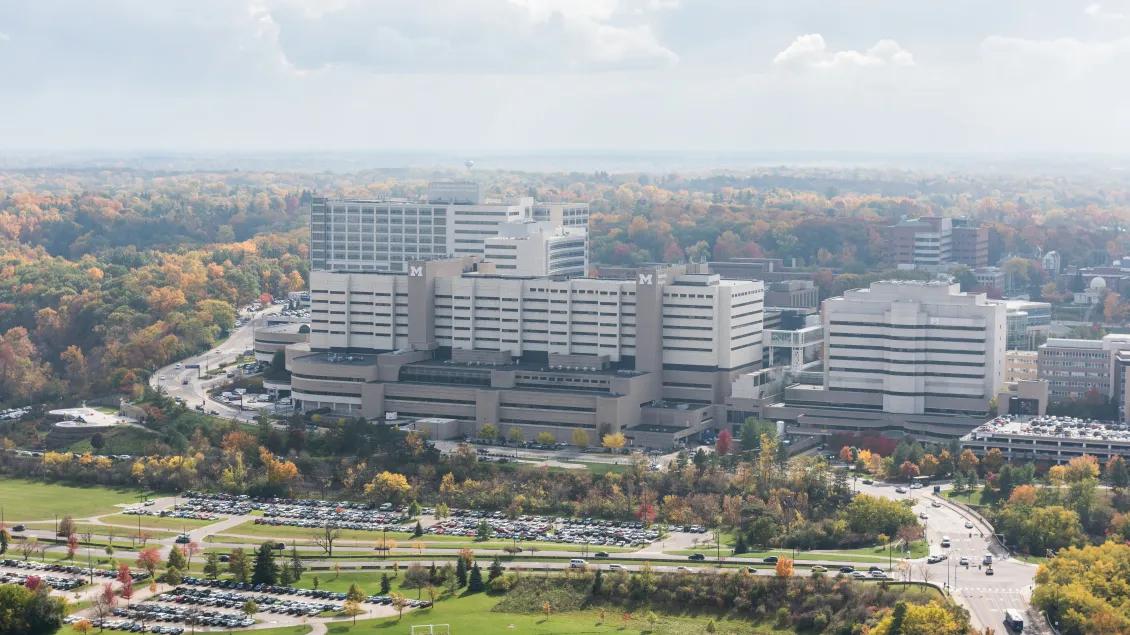
T32 Michigan Translational Imaging Program (M-TIP)
The Michigan T32 Translational Imaging Program (M-TIP) is a multidisciplinary mixed MD and PhD postdoctoral Training Program in medical imaging across the campus of the University of Michigan Medical School.
The U-M Medical School Department of Radiology's T32 Program was launched in July 2025 and is funded by the National Institute of Biomedical Imaging and Bioengineering (NIBIB).
Program Goal
Program Overview
Training in M-TIP will last two years. Mentored research will be supplemented with a rich learning environment in which MD and PhD Trainees can interact, honing the skills needed to become leaders of collaborative research teams developing and translating innovative imaging technologies.
Activities include mentored research, interactive seminars, and social gatherings, where trainees will learn about topics including funding opportunities, grant submissions, collaborative research, data management, promotion and tenure, tech transfer, career development, and clear communication.
How to Apply
Applicants must be US citizens who have completed MD or PhD training with a strong interest in medical imaging.
Four candidates are admitted to the M-TIP program in July of each year. Radiology residents are encouraged to apply.
Please reach out to Nicole Seiberlich ([email protected]) for more information.
Program Leadership

Vikas Gulani, MD, PhD
Chair, Department of Radiology
Professor of Radiology
Medical School and Professor of Biomedical Engineering
Medical School and College of Engineering
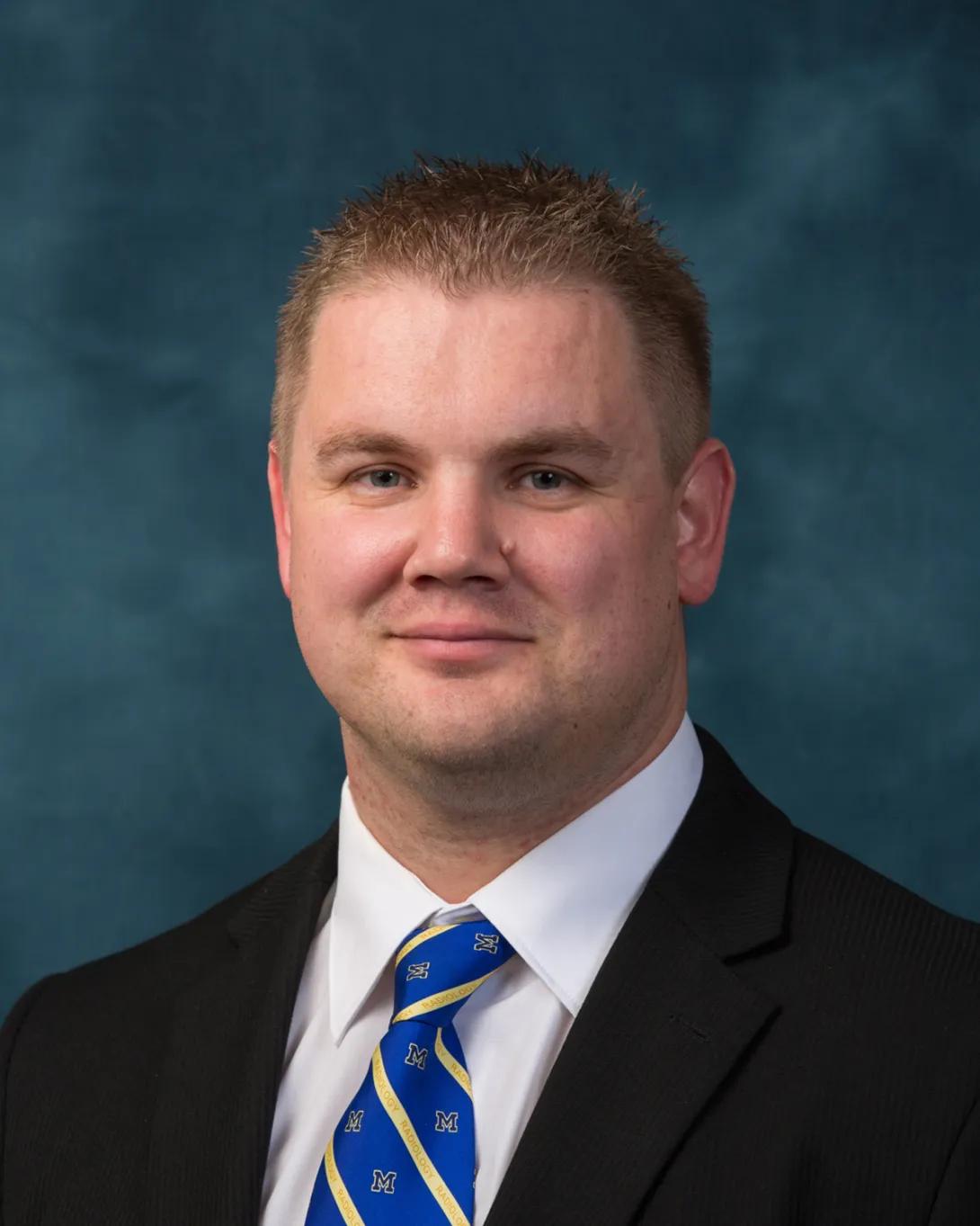
Peter JH Scott, PhD
Associate Chair, Basic Science Research
Program Assistant, Cyclotron Facility, Department of Radiology
Professor of Pharmacology, Medical School
Professor of Medicinal Chemistry, College of Pharmacy
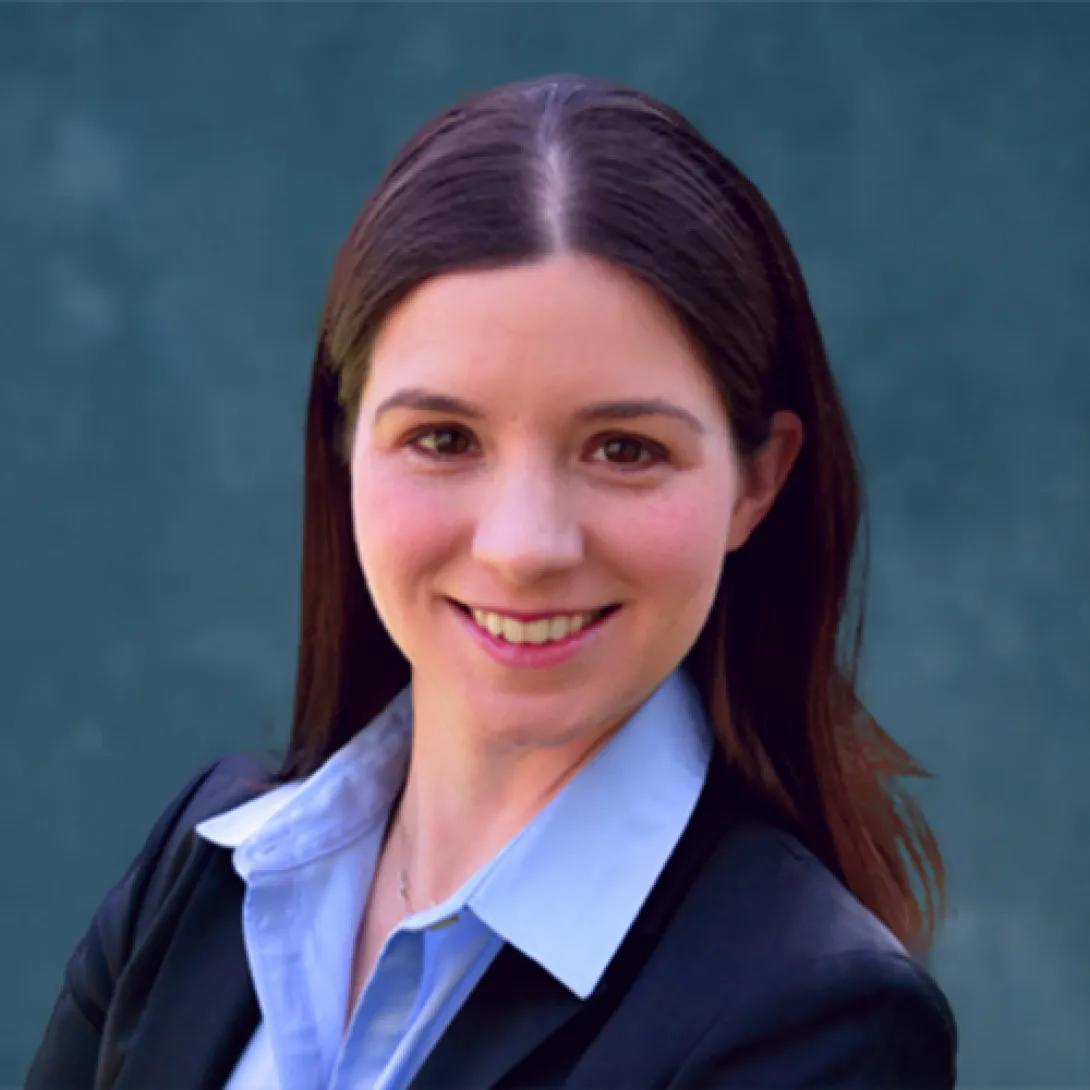
Nicole Seiberlich, PhD
Professor of Internal Medicine
Program Director
Co-Director MIITT
Radiology
Medical School and Professor of Biomedical Engineering
Medical School and College of Engineering
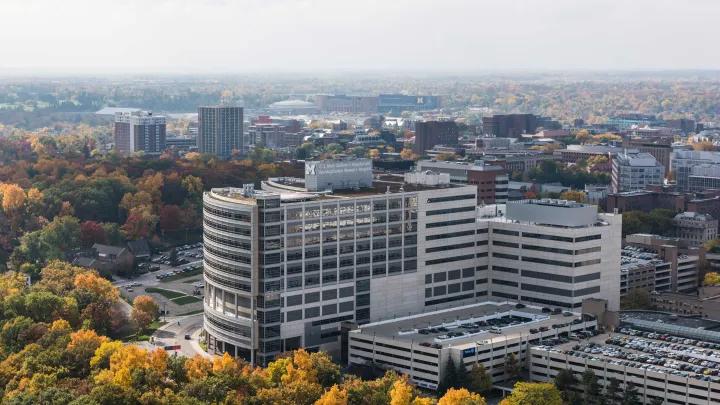
See Where Training Takes Place
The University of Michigan Medical School campus offers numerous spaces dedicated to academic learning, research and clinical care, including specialty clinics, research labs, lecture halls, and clinical simulation centers. Each space and facility provides a collaborative and innovative environment for education, research and patient care.
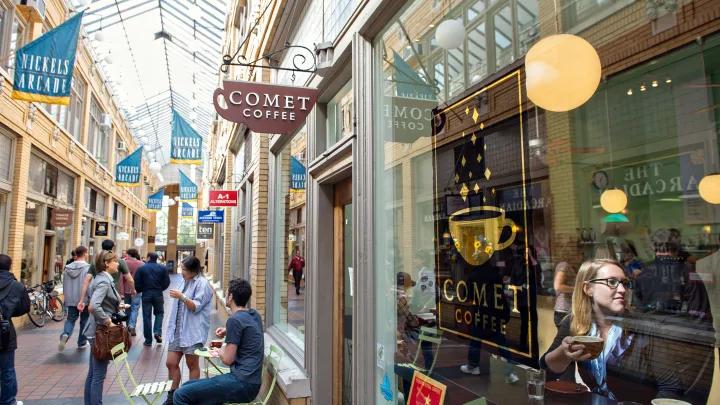
Life in Ann Arbor
We find a new reason to love Ann Arbor nearly every day — year-round outdoor activities, cultural experiences, a growing food scene, and a welcoming, family-friendly atmosphere are just a few that come to mind. Explore all that Ann Arbor and our surrounding communities have to offer.
