
Abdominal and Thoracic Imaging (Hybrid) Fellowship
The U-M Medical School Department of Radiology offers a combined hybrid Abdominal and Thoracic Imaging Fellowship, with six months of dedicated training in each specialty. Designed for post-residency radiologists seeking advanced subspecialty training in a leading academic environment, the fellowship provides broad clinical experience, progressive responsibility, and opportunities to learn from nationally recognized faculty.
Abdominal imaging training emphasizes state-of-the-art clinical practice and cutting-edge imaging techniques, with a particular focus on advanced MRI. Fellows actively participate in the division while developing expertise through progressive clinical responsibility and close faculty mentorship.
Thoracic imaging training encompasses all aspects of cardiothoracic radiology, including chest radiography, thoracic CT, cardiac and vascular CT, adult and pediatric cardiac MRI, and MR angiography. Fellows have the flexibility to tailor their experience to their individual interests, with a variety of elective opportunities to further develop areas of expertise.
Fellows may also participate in resident education and pursue basic or clinical research aligned with their interests. Our goal is to provide a personalized training experience that prepares graduates for successful careers in academic or private practice.
We value lasting relationships with our fellows, and our graduates have built successful careers across North America and abroad.
Learn more by jumping to the sections below:
For More Information
How to Apply
We are seeking qualified applicants for two Abdominal & Thoracic Imaging Fellowship positions to begin July 1, 2028.
Applicants' prior training must be in an ACGME or RCPSC-accredited radiology residency program and they should be US citizens or green card holders.
We will adhere to the SCARD guidelines (see expanded description below) for the recruitment season. According to the 2026 SCARD guidelines, we will begin accepting applications on September 1, 2026, and the start date for interviews will be January 11, 2027.
If you have any questions regarding our fellowship program or the application process, please feel free to contact our fellowship program director Dr. Stephen Polanski ([email protected]) at any time. We want to hear from our applicants!
Submit your application: Interested applicants may submit their applications to our program coordinator, Jeanette Schultz ([email protected])
Fellowship Embargo Program
SCARD is pleased to announce the continuation of our fellowship embargo program. The program has been extremely successful in meeting its objectives of improving the fairness of the fellowship application process and providing our residents with more time to experience all of Radiology sub-specialties before choosing their future career. In order to maintain flexibility, sub-specialties can either utilize the match or comply with the embargo dates. Based on feedback from many of you, we have made some significant changes to our guidelines, particularly regarding the first date of interviews, the first date to offer acceptances and the grace period.
- Interviews - All interviews should be virtual.
- Dates:
- September 1 – First day to accept applications
- November 1 – Open house webinars can begin
- January 11 – First day of interviews
- January 26 (Noon eastern standard time) – First days offer can be made. Programs cannot send out more offers than they have spots to fill.
- March 31 – Last day of interviews
- Applicants have until noon eastern standard time on January 28 to accept or decline any offer made before January 28. For any offer made on or after January 28 the candidate has a 1 day grace period (noon eastern standard time) to accept or decline the offer.
- Exceptions to the embargo:
- Applicants whose spouse/domestic partner is also applying for a medical fellowship in the same year.
- Internal candidates
- Military candidates
- International candidates – international candidates are defined as applicants from programs that are neither ACGME or RCPS programs (i.e. Canadian applicants are NOT excluded from the embargo.)
Curriculum
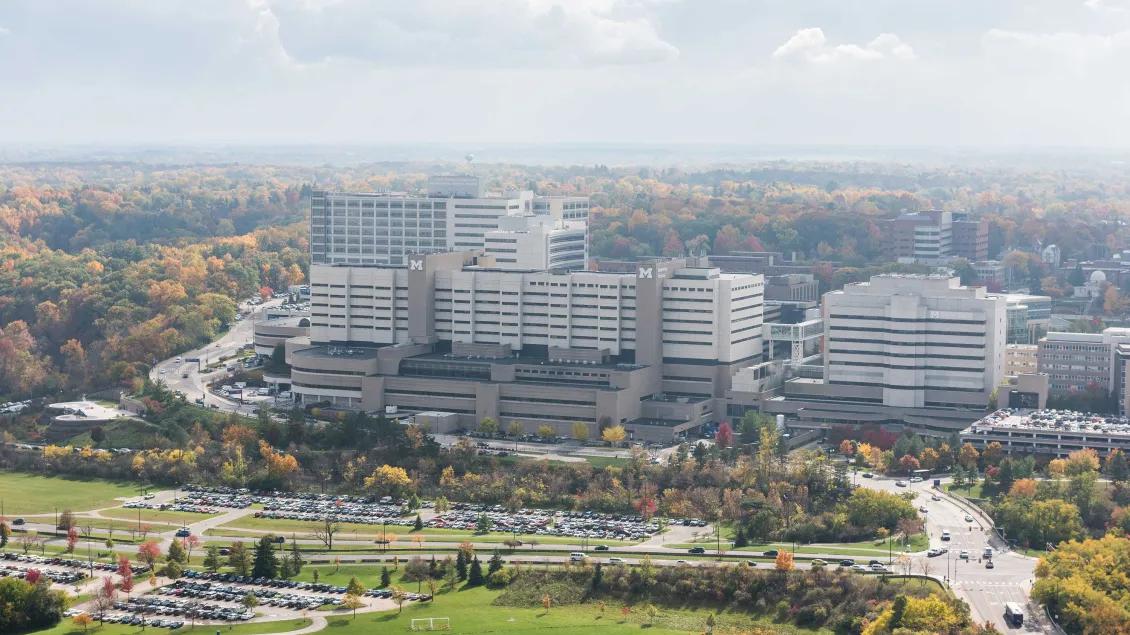
The U-M Medical School Department of Radiology is responsible for diagnostic imaging at Michigan Medicine which includes University Hospital, C.S. Mott Children’s Hospital, Von Voigtlander Women’s Hospital, Frankel Cardiovascular Center, and multiple large outpatient facilities. The range of clinical material available is reflected in the diagnostic output of over 600,000 examinations yearly. As a large tertiary referral center, a very high percentage of cases performed in our radiology department have significant pathology, and the variety of clinical material is outstanding.
The fellowship in the combined Abdominal and Thoracic divisions covers many aspects of abdominal and thoracic imaging. The abdominal focus is a MR-predominant cross-sectional imaging fellowship, which includes abdominal CT, MR, and ultrasonography.
During the thoracic rotations, trainees will gain clinical experience in all aspects of cardiothoracic radiology, including chest radiography, thoracic computed-tomography (CT), cardiac and vascular CT, cardiac MRI (adult and pediatric) and MR angiography. Emphasis is on flexibility with options to tailor the fellowship to your needs and a variety of electives are available to hone further interests.
Interested fellows can expect to spend roughly half of the year each on abdominal and thoracic rotations respectively. This fellowship is designed to consolidate and expand the basic skills acquired as a resident and to allow more intensive training while maintaining a broader field of specialization.
Current Fellows
Meet the current trainees in Radiology. We emphasize teamwork, excellence, and leadership while preparing our fellows with resources to be successful in their careers.
Didactics & Rotations
Faculty from the abdominal radiology division provide weekly teaching conferences to fellows covering a broad spectrum of topics. These are generally lectures prepared for national meetings and are geared to CME-level participation.
The cardiothoracic division offers monthly didactic lectures focused on the latest updates in subspecialized areas of cardiothoracic radiology. Fellows will also be able to attend and/or present at various tumor boards according to their chosen half-year clinical concentrations.
Electives
Two weeks of elective time will be available to all fellows during their Abdominal imaging rotations so that they may tailor their fellowship year to their educational and future practice needs. Previous electives have included: Interventional procedures, vascular imaging, neuroimaging, nuclear medicine and PET/CT, research, high-risk OB ultrasound, breast imaging, and musculoskeletal imaging.
Cross-sectional interventional procedures are also offered during electives. Fellows work one-on-one with faculty members on both US and CT-guided percutaneous procedures. Procedures include organ and mass biopsy, fluid and abscess drainage, and tumor ablation.
Chest Rotations
Fellows will refine their skills in both inpatient and outpatient chest radiography, familiarizing themselves with the newest devices and post-operative cardiothoracic appearances thanks to our state-of-the-art clinical services.
As an institution on the cutting edge of cardiovascular surgical techniques, trainees at Michigan Medicine will become familiar with pre-operative and post-operative CT for a wide array of cardiovascular procedures, including extensive structural heart, valvular, and aortic imaging.
Michigan Medicine also offers specialized care in many additional areas, including interstitial lung disease, COPD, cystic lung disease, and complex airway pathology.
Fellows will also have the opportunity to read inpatient and emergency room-based CT for a comprehensive, well-rounded learning experience.
Fellows will become skilled in cardiac MRI imaging, with ample cardiac MRI volume scanned daily, including the option to read pediatric congenital cardiac MRI. As a collaborative effort between cardiology and radiology, our service offers a unique opportunity to blend clinical expertise from both fields for an optimum learning environment.
Abdominal Rotations
Over the course of the year fellows will become proficient in the protocoling and interpretation of advanced abdominopelvic MRI studies including: MR enterography, multiparametric prostate MRI, cervical and endometrial cancer staging MRI, rectal cancer staging MR, MR elastography, and MR lymphangiography.
Active clinical groups in hepatology, pancreatology, urology, surgical oncology, colorectal surgery and gynecology drive a robust imaging volume and afford the fellows exposure to a broad spectrum of pathologies.
Our clinical operation includes over a dozen MR scanners with ~20,000 body MRI scans performed in our system annually in addition to thousands of second-opinion interpretations on exams performed elsewhere.
Fellows will become skilled in the interpretation of abdominopelvic and vascular CT. At Michigan Medicine, fellows will encounter a vast array of pathologies, and interpret CT scans performed in the outpatient, inpatient, and emergency room settings.
The diagnostic ultrasound rotations consist of in-depth training in the performance and interpretation of abdominopelvic ultrasound examinations. There is a large variety of examinations performed, including but not limited to: routine abdominal ultrasound, pelvic ultrasound, obstetric ultrasound (predominantly first trimester), transplant ultrasound, and hysterosonography.
ABR Pathway
The Department of Radiology offers qualified candidates the opportunity to participate in the American Board of Radiology (ABR) alternate pathway to complete four years of radiology fellowship training towards eligibility for ABR certification.
Program Leadership
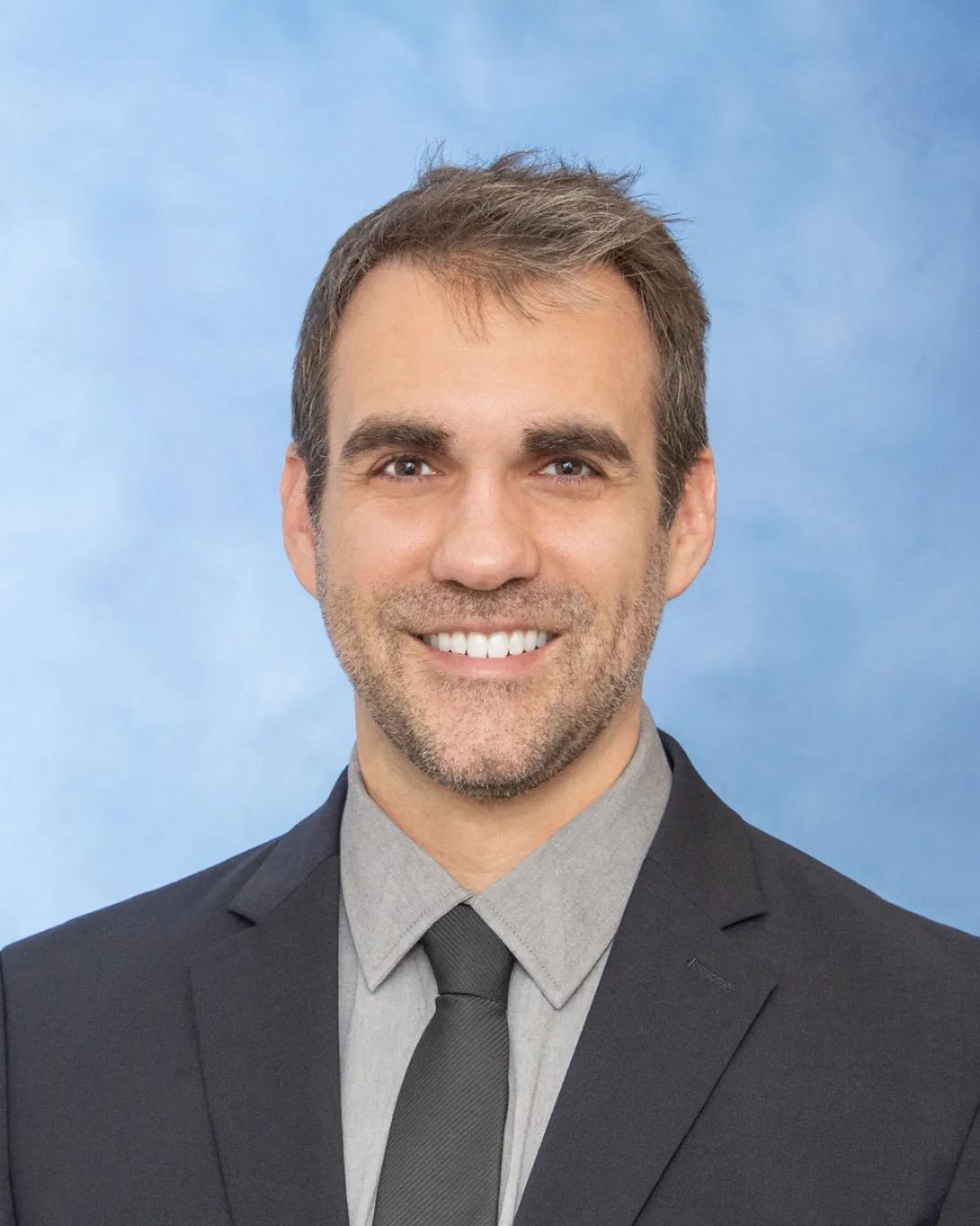
Stephen P Polanski, MD
Program Director, Abdominal Division Fellowship Program, Radiology, Medical School
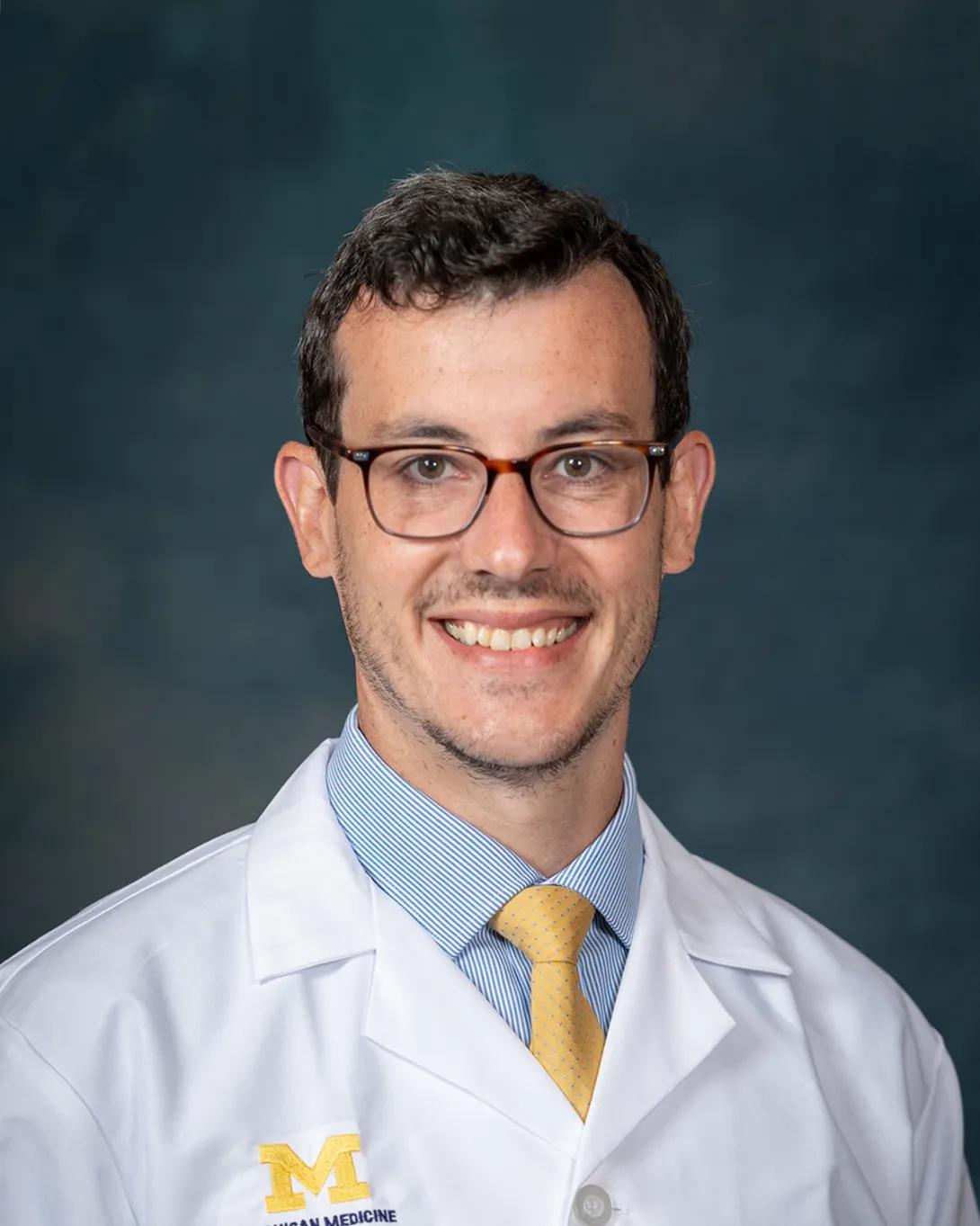
William Truesdell, MD
Radiology
Medical School
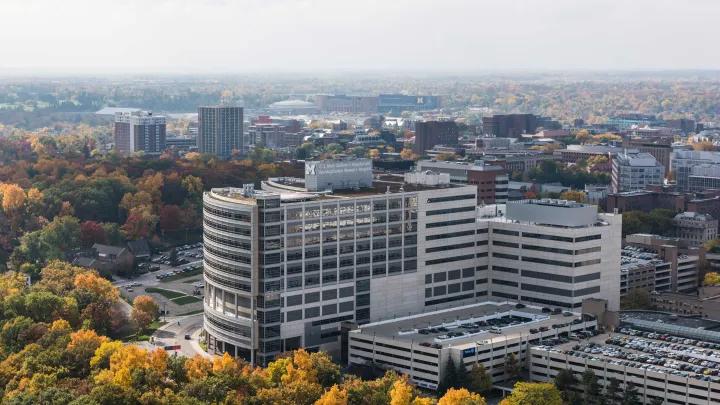
See Where Training Takes Place
The University of Michigan Medical School campus offers numerous spaces dedicated to academic learning, research and clinical care, including specialty clinics, research labs, lecture halls, and clinical simulation centers. Each space and facility provides a collaborative and innovative environment for education, research and patient care.

Life in Ann Arbor
We find a new reason to love Ann Arbor nearly every day — year-round outdoor activities, cultural experiences, a growing food scene, and a welcoming, family-friendly atmosphere are just a few that come to mind. Explore all that Ann Arbor and our surrounding communities have to offer.
