
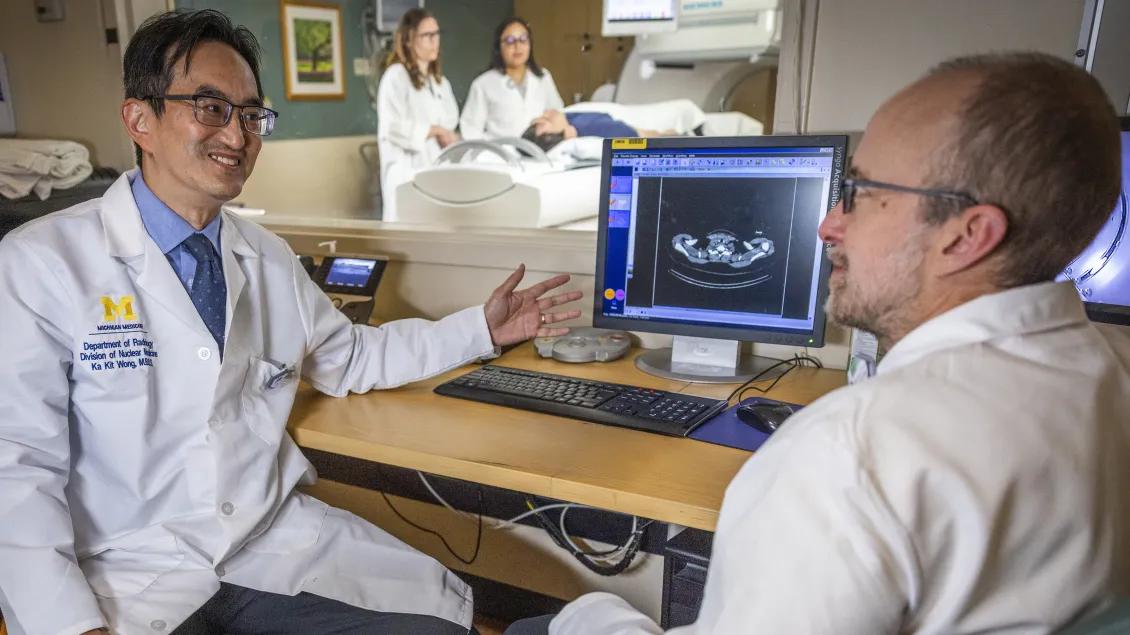
Nuclear Medicine Fellowship
The U-M Medical School Department of Radiology's Division of Nuclear Medicine offers two levels of postdoctoral physician training experience directed toward clinical competence:
- To qualify Radiology Residents for certification in Diagnostic Radiology by the American Board of Radiology (ABR)
- To qualify Nuclear Medicine residents (Fellows) for advanced certification in Nuclear Medicine by the American Board of Nuclear Medicine (ABNM).
Learn more by jumping to the sections below:
For More Information
Program Overview
We offer a one-year or two-year training program (Nuclear Medicine residency) directed to ABNM certification. To be eligible for admission to this path, candidates must have successfully completed a clinical residency in an approved training program in Radiology, Internal Medicine, Family Medicine, Pathology, Neurology, or other relevant specialty. The length of training to become certified by the ABNM is one year after completion of a radiology residency and two years after completion of a clinical residency program.
The principal objective of this clinical training is to prepare physicians to be competent independent practitioners of the full scope of nuclear medicine. The educational program has three parallel requirements: a) satisfactory direct participation in all aspects of clinical patient care, b) satisfactory completion of courses and laboratories in clinical nuclear medicine, physics and instrumentation and radiobiology, and c) attendance and participation in weekly conferences.
Direct participation in clinical patient care is central to the training program. This occurs in the following clinical activities: general nuclear medicine, nuclear cardiology, pediatric nuclear medicine, a formal clinic that includes direct care of patients with thyroid disease and the therapeutic use of radionuclides, radio-pharmacy and camera operations, and clinical PET/CT and SPECT/CT. In addition, the educational program provides opportunities for the development of research skills in both basic and clinical nuclear medicine appropriate for trainees to enter academic and research careers in nuclear medicine.
How to Apply
Eligibility for Nuclear Medicine training is according to ACGME criteria for Nuclear Medicine Residency. One-year of training is offered to candidates who have recently completed American Board of Radiology training requirements. A 2-year Nuclear Medicine training program is available to candidates who have completed an ACGME residency in a discipline other than Diagnostic Radiology. Trainees are expected to be eligible for certification by the American Board of Nuclear Medicine at completion of the program.
Minimum Requirements
- Completed a 4-year, ACGME-accredited Diagnostic Radiology residency. You are then eligible for a 1-year Nuclear Medicine residency.
- Competed an ACGME-accredited residency in Internal Medicine, Surgery or another clinical care discipline. You are then eligible for a 2-year Nuclear Medicine residency.
- American Board of Radiology (ABR) Alternate Pathway
Curriculum
In each year, the clinical experience includes duties on general nuclear medicine imaging, which includes prescribing the appropriate imaging study, quality control, and the interpretation and integration with other imaging and laboratory findings of all imaging studies.
Separate rotations include pediatric nuclear medicine imaging, nuclear cardiology, positron emission tomography (PET) and the nuclear medicine endocrine and therapy clinic. In the first year, a week-long laboratory rotation in nuclear imaging equipment, nuclear pharmacy practices and the safe handling of radioactive materials is included. In addition to the clinical rotations, a lecture series on nuclear medicine physics and radiobiology is given to first-year fellows.
The principal objective of the nuclear curriculum for fellows is to provide trainees with a comprehensive experience in the basics of nuclear medicine practice. This training is intended to prepare for clinical practice involving all aspects of nuclear radiology and nuclear medicine. The training includes mentored experiences in interpretation of adult and pediatric diagnostic radiotracer imaging studies, nuclear cardiology (including stress testing), hybrid dual modality PET/CT and SPECT/CT imaging, radionuclide therapy of hyperthyroidism and cancer and general quality control and radiation protection considerations.
Upon successful completion of the clinical, laboratory and lecture series of the program, trainees will qualify for Nuclear Regulatory Commission - authorized user licensure.
Conferences
Fellows attend and make didactic presentations at several regular Divisional, Departmental and Institutional conferences. Regularly occurring Nuclear Medicine and related conferences include NM Case Correlation Conference, NM Journal Club, NM Protocol Review, and Tumor Boards.
Radiology residents and NM Fellows present interesting or challenging cases for review by faculty, nuclear medicine fellows and radiology residents. Emphasis is placed on studies with known, confirmed pathological diagnostic outcomes, on the indication(s) and appropriateness of the studies and on correlations between nuclear medicine diagnostic appearances and those of other imaging modalities.
Nuclear medicine fellows lead the journal club discussion. A focused review of recent published literature is presented by an assigned fellow, together with a faculty mentor.
These sessions take place beginning in September and continue through the year and are led by a nuclear medicine fellow and an assigned faculty mentor. The current indications, procedures and interpretation schemes for studies performed in the Division are reviewed and updated.
A variety of Multidisciplinary Tumor Boards are held at U-M Health hospitals as well as one at the VA to review data and make diagnostic and therapeutic recommendations for management of individual patient cases. When on an appropriate clinical rotation, NM fellows attend Tumor Boards during that week together with a faculty mentor.
Salary & Benefits
The University of Michigan offers highly competitive salaries and generous benefits to our fellows and advanced trainees. Trainee salary will be commensurate with that of a House Officer at an equivalent level of training based on the HOA contract.
Current Fellows
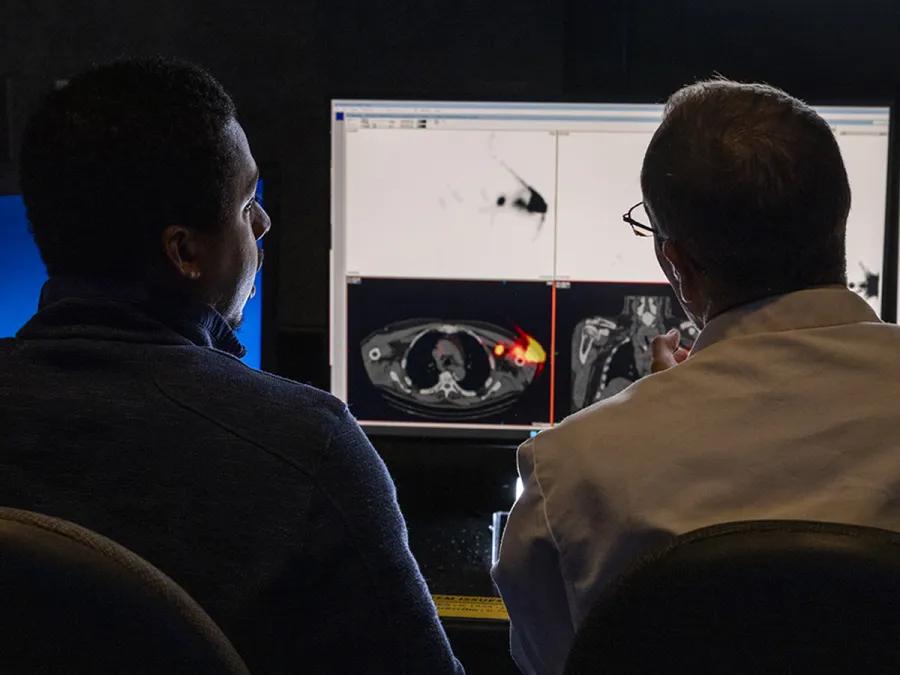
Meet the current trainees in the Nuclear Medicine Fellowship. We emphasize teamwork, excellence, and leadership while preparing our fellows with resources to be successful in their careers.
Research
The Nuclear Medicine research program is a broad one, but it is especially strong in introducing new radiotracer imaging methods to detect earliest neurochemical alterations in degenerative brain disorders.
Space dedicated for Nuclear Medicine research is in the adjacent Medical Science buildings, which house a complete cyclotron/radio-assay chemistry laboratory plus laboratories for image analysis, image instrument development and small animal study. Micro PET, primate PET, and SPECT units provide for research animal imaging.
ABR Pathway
The Department of Radiology offers qualified candidates the opportunity to participate in the American Board of Radiology (ABR) alternate pathway to complete four years of radiology fellowship training towards eligibility for ABR certification.
Program Leadership
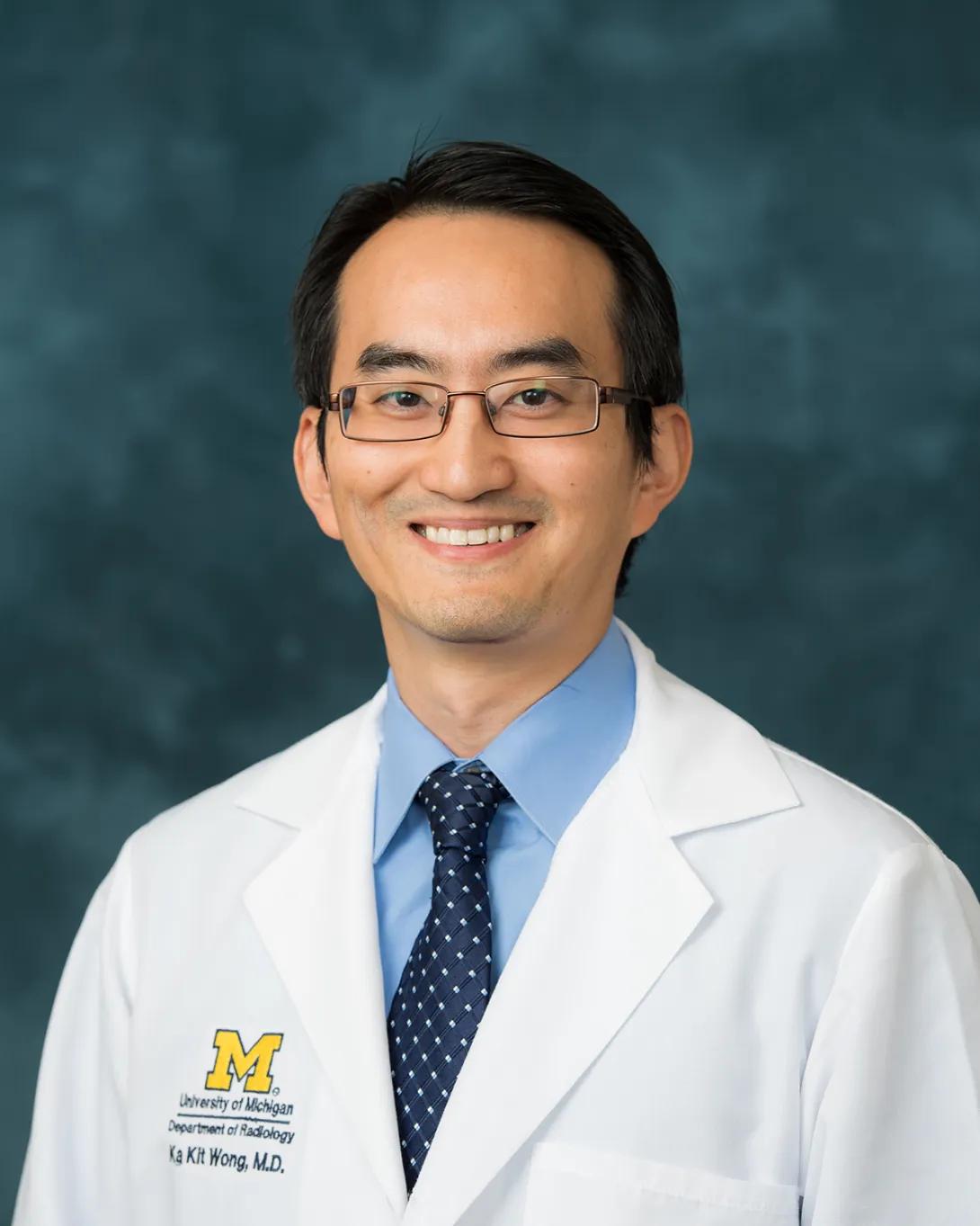
Ka Kit Wong, MBBS
Medical School
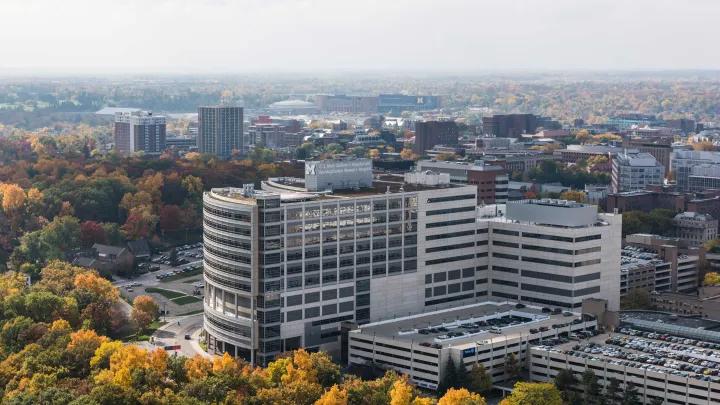
See Where Training Takes Place
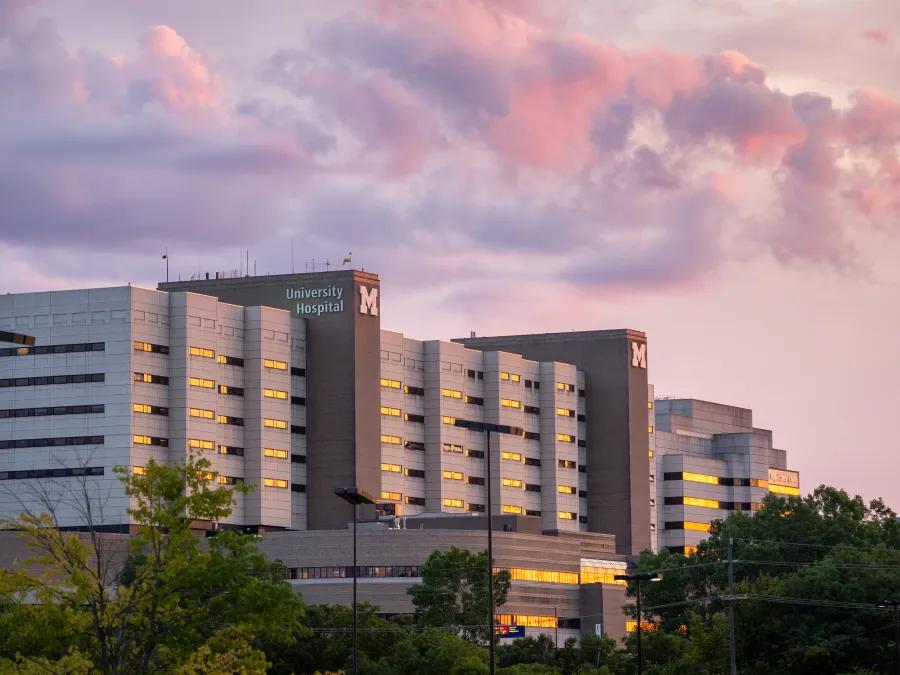
The University of Michigan Medical School campus offers numerous spaces dedicated to academic learning, research and clinical care, including specialty clinics, research labs, lecture halls, and clinical simulation centers. Each space and facility provides a collaborative and innovative environment for education, research and patient care.

Life in Ann Arbor
We find a new reason to love Ann Arbor nearly every day — year-round outdoor activities, cultural experiences, a growing food scene, and a welcoming, family-friendly atmosphere are just a few that come to mind. Explore all that Ann Arbor and our surrounding communities have to offer.
