
Nuclear Medicine
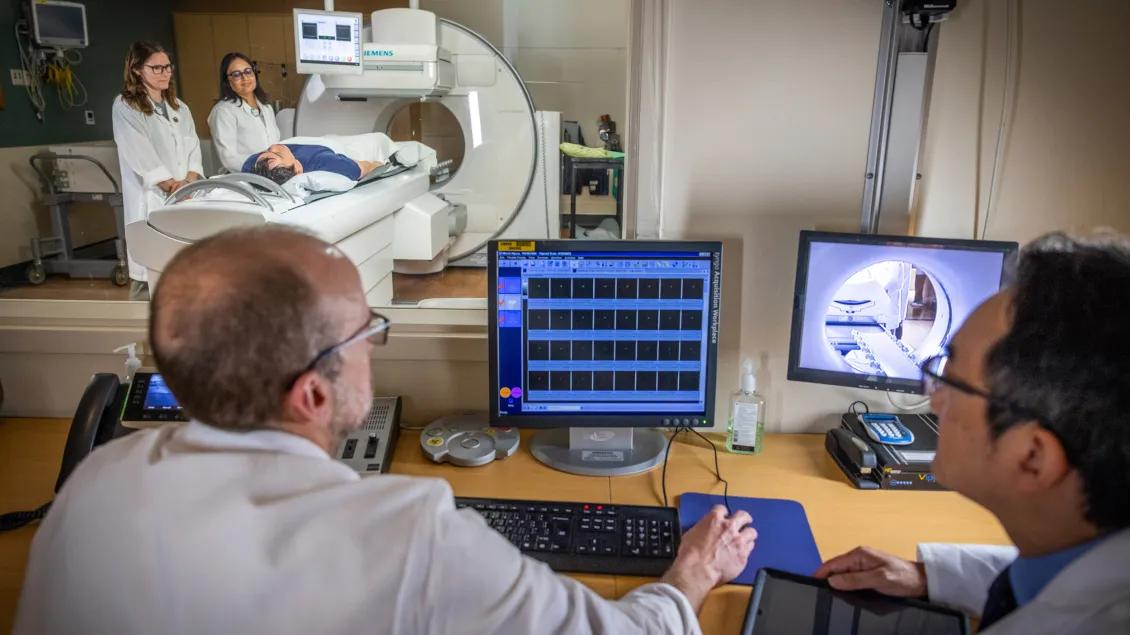
Division of Nuclear Medicine
Leading clinical care, research, and education in radiopharmaceuticals
The U-M Medical School Department of Radiology Division of Nuclear Medicine was founded in 1952, after beginning to use radiopharmaceuticals (molecules tagged with a radioactive isotope) for clinical care and research in the 1940s.
Our programs focus on clinical service, research and education involving the medical uses of radiopharmaceuticals, and a dedicated and experienced faculty of approximately 30 physicians and scientists leads these programs.
Clinical Care
Nuclear Medicine involves the medical uses of radiopharmaceuticals (drugs that have been tagged with radioactivity) to either see how organs or tissues are working (for diagnosis) or to target and destroy damaged or diseased organs or tissue (for therapy).
Within the Division of Nuclear Medicine - part of U-M Health’s Radiology Department - our patients benefit from cutting-edge equipment and highly trained personnel for both diagnostic and therapeutic services. Our diagnostic clinic is led by Dr. Benjamin Viglianti, and our theranostics clinic and pediatric nuclear medicine teams are led by Dr. KaKit Wong. While our clinical program is broadly based, major emphases of our diagnostic and theranostic clinics are on:
- Cancer Diagnosis
- Cancer Therapeutics
- Disorders of the central nervous system
- Heart disease
Research
Faculty & Facilities: Our diverse mix of world‑renowned faculty are conducting research in every aspect of Nuclear Medicine, from bench to clinic. Our radiochemists have NIH funding to develop more efficient methods for producing radiopharmaceuticals in our state-of-the-art cyclotron and radiochemistry facility. They are also using Artificial Intelligence (AI) to design and evaluate new radiopharmaceuticals for diseases and disorders that we cannot currently image in the clinic.
Several medical physicists work in the division, conducting research into kinetic modeling and PET data analysis:
- Building new AI methods for calculating the therapeutic dose needed to destroy tumors (Dr. Yuni Dewaraja)
- Developing new radiopharmaceuticals for diagnostic imaging in cardiology and oncology (Dr. David Raffel)
Clinical & Translational Research: Many of our clinical faculty are involved in translational research across neurology, oncology, and cardiology, as well as theranostics, and they lead numerous industry-sponsored clinical trials.
This highly collaborative group of radiochemistry, medical physics, and nuclear medicine experts enables our clinics to develop and translate new radiopharmaceuticals into clinical trials.
Global Impact & FDA Approval: We conduct our own clinical research with new radiopharmaceuticals developed at U‑M Health. Agents developed by our researchers are now used worldwide, and a number have received FDA approval for clinical care.
We provide both new and established radiopharmaceuticals for clinical research. These include investigator‑initiated faculty studies as well as advanced clinical trials conducted via partnerships with pharmaceutical and biotech companies from around the world.
Division Faculty
Leadership
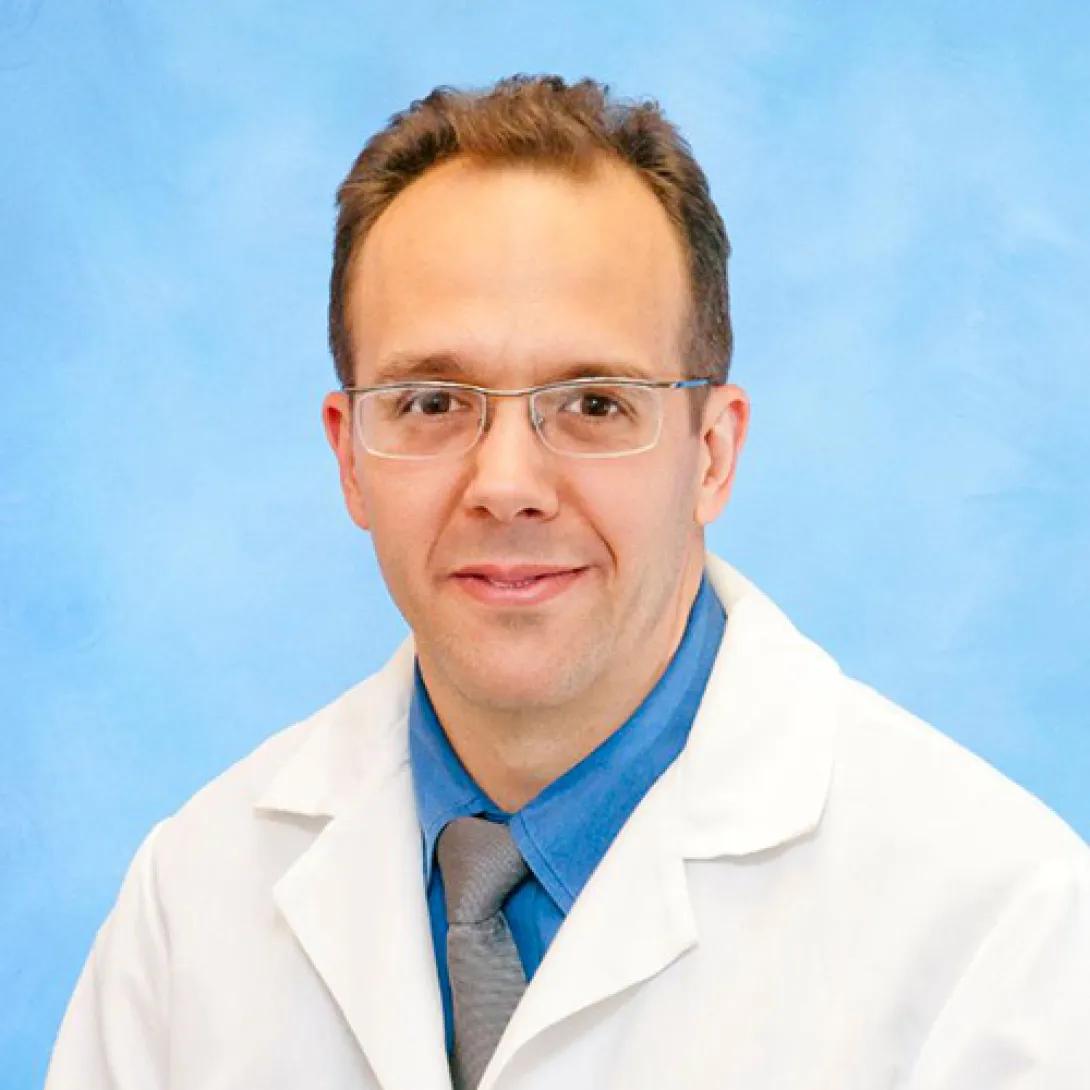
Benjamin L Viglianti, MD, PhD
Section Head
Division of Nuclear Medicine
Service Chief of Nuclear Medicine
Program Associate
Nuclear Medicine Clinical Research
Clinical Professor of Radiation Oncology
Medical School
Faculty
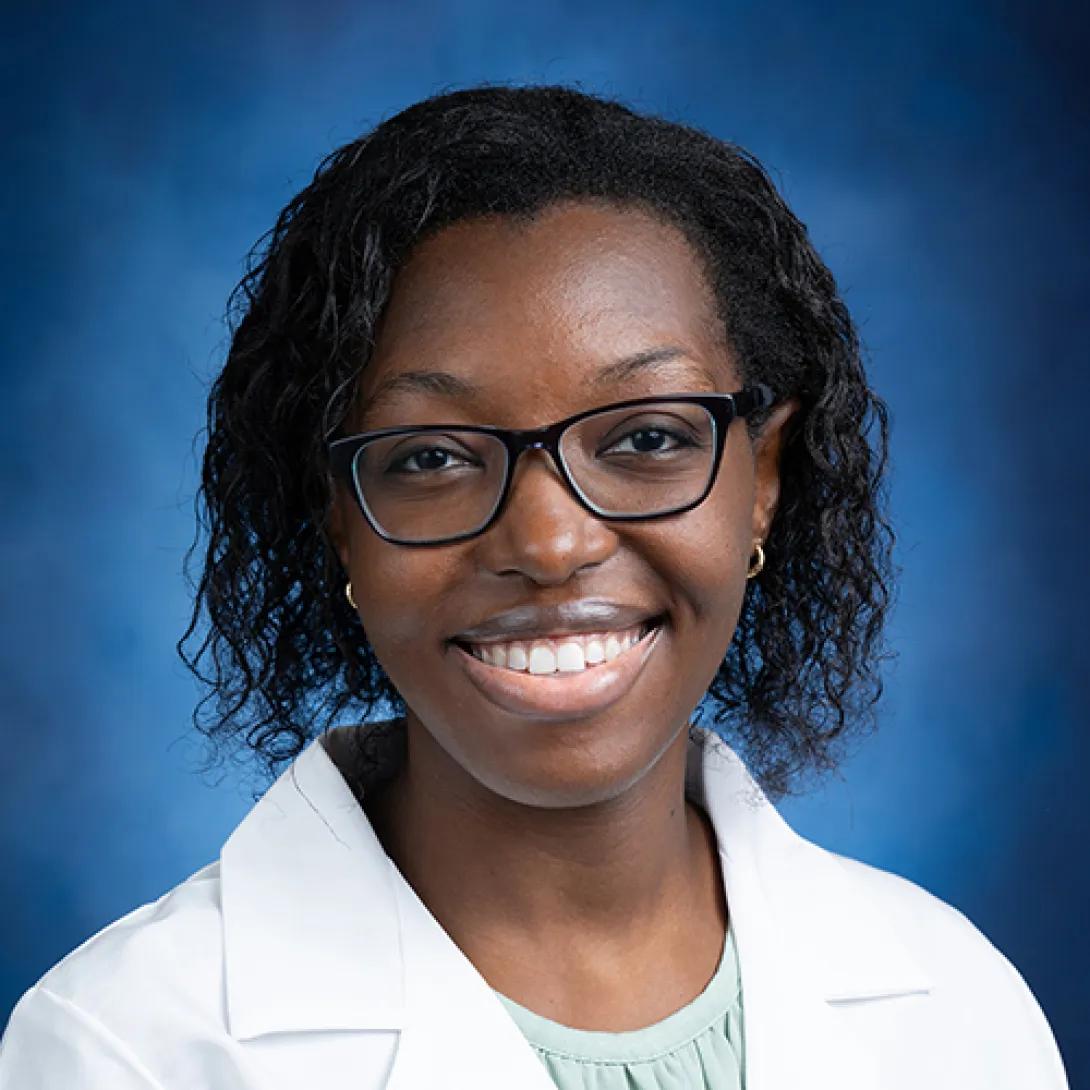
Effie B Adjei, MD
Medical School
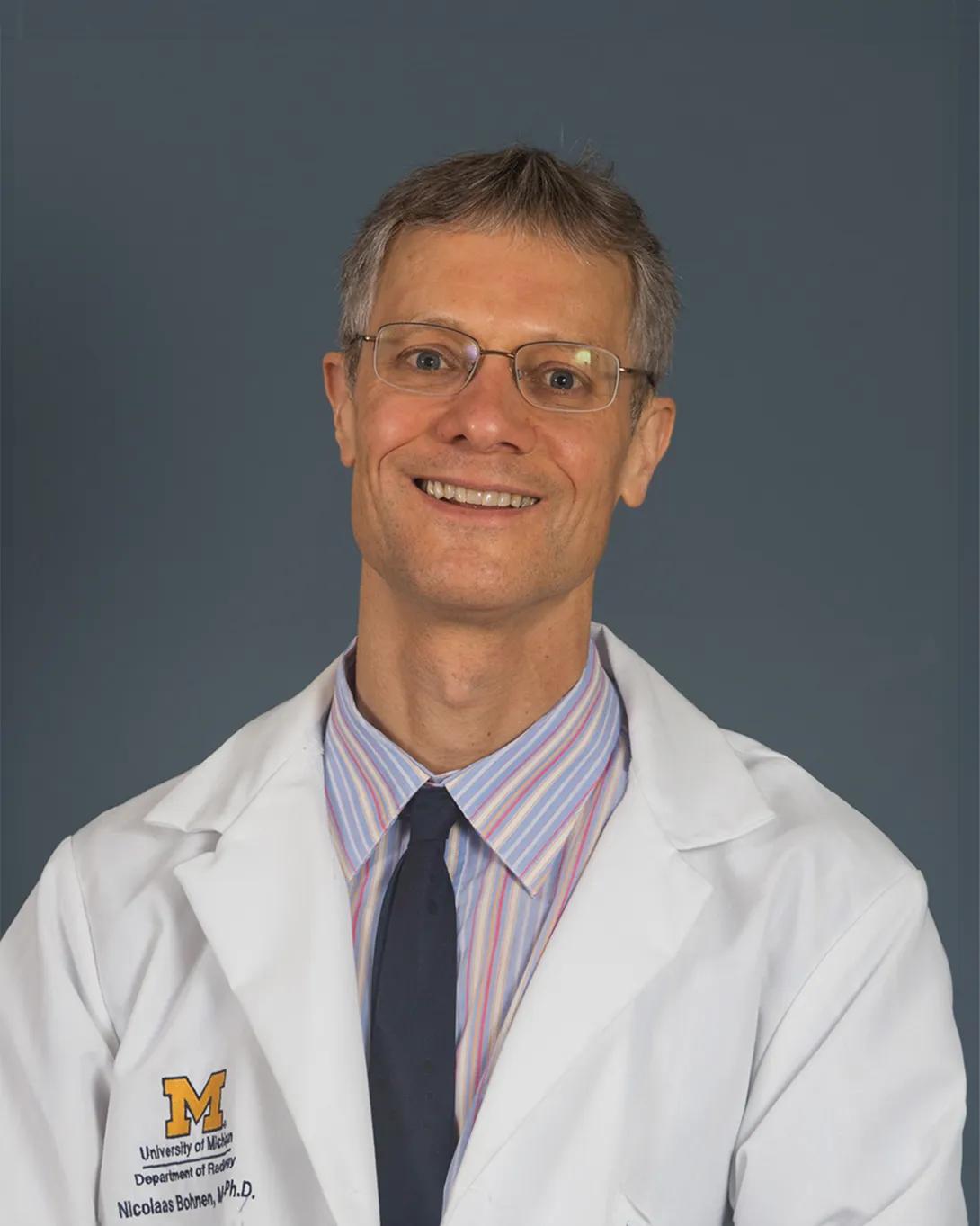
Nicolaas Bohnen, MD
Professor of Neurology
Medical School
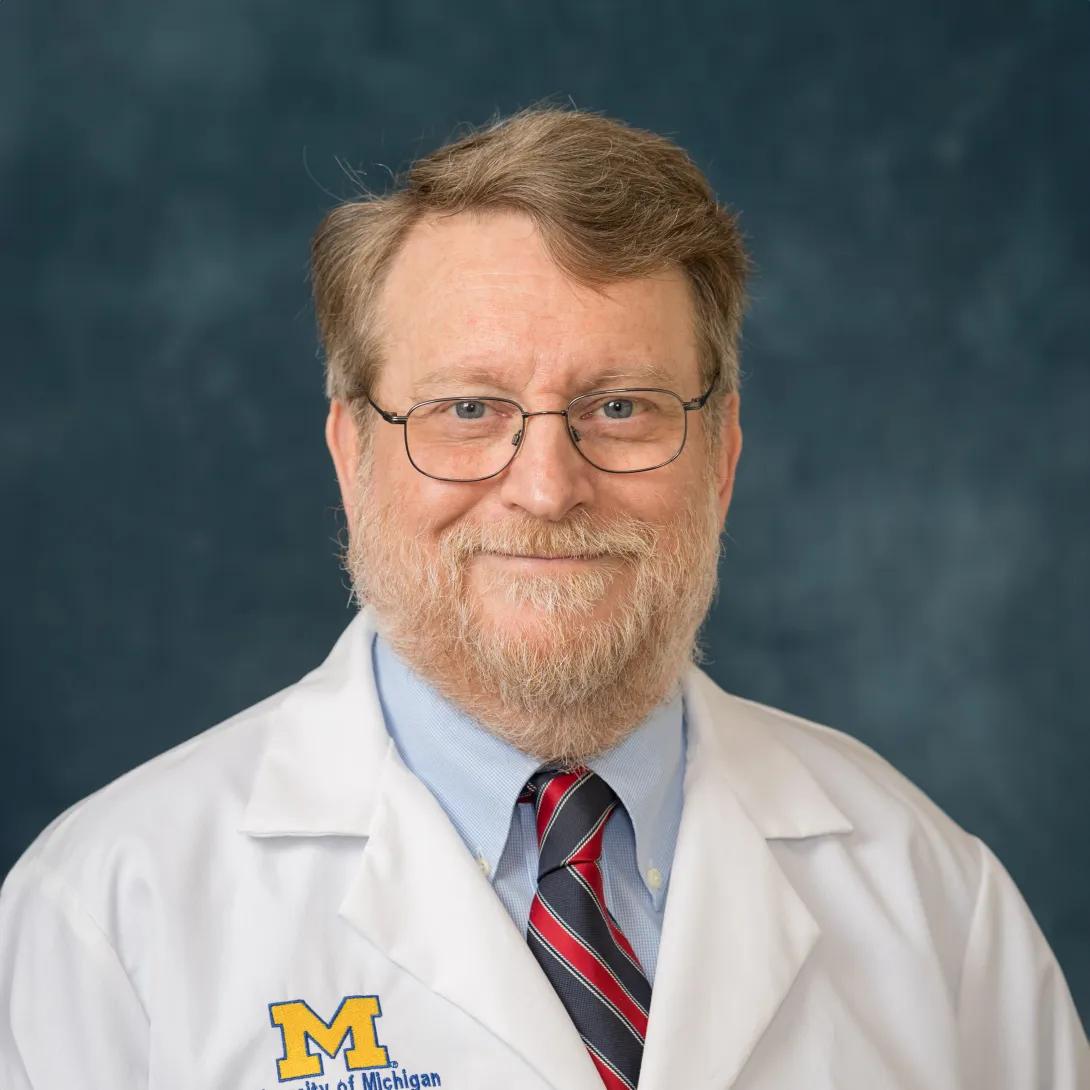
Kirk A Frey
Professor of Radiology
Professor of Neurology and Research Professor
Michigan Neuroscience Institute
Medical School
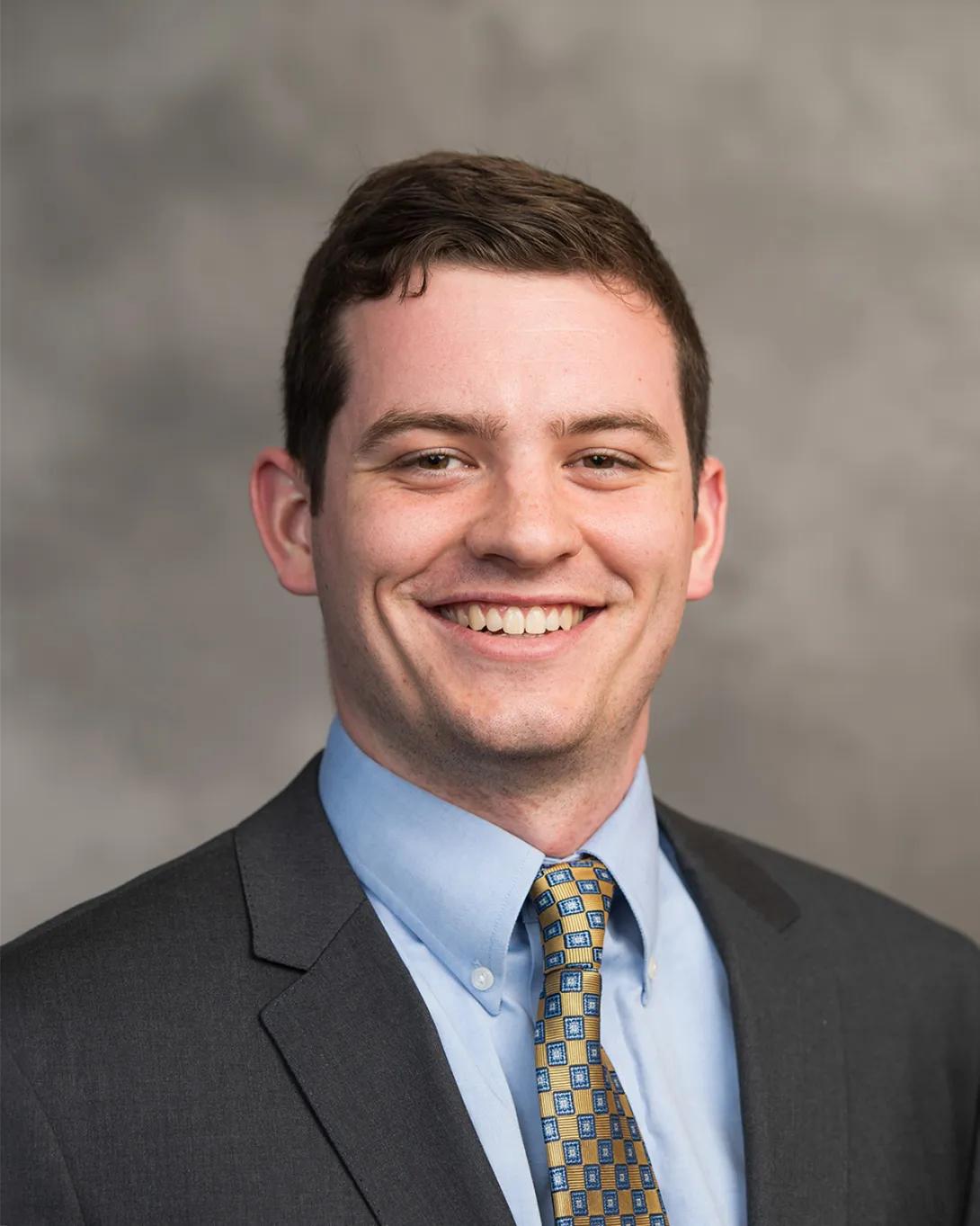
Sean R Miller, MD
Clinical Assistant Professor of Radiology
Medical School
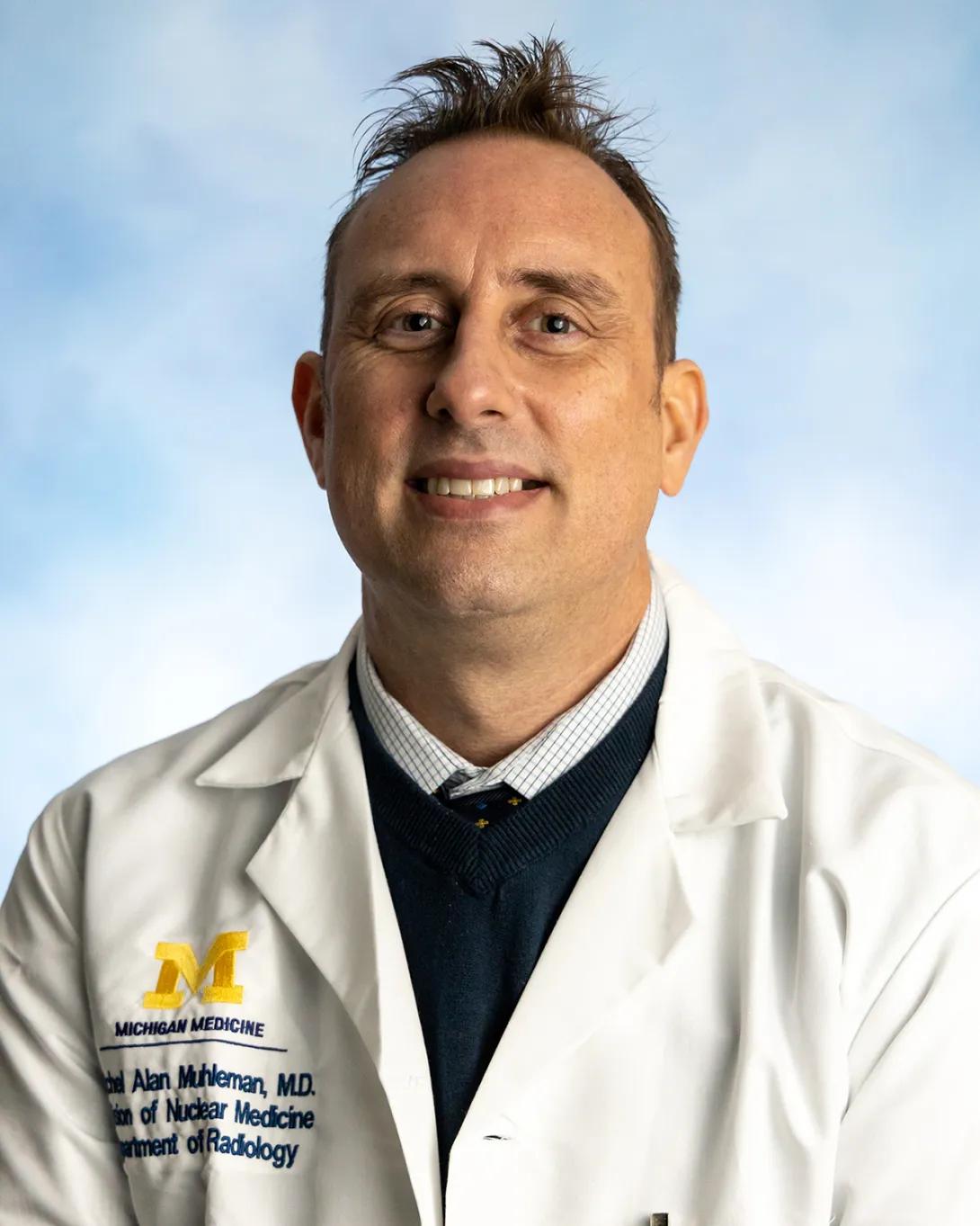
Mitchel Muhleman, MD
Medical School
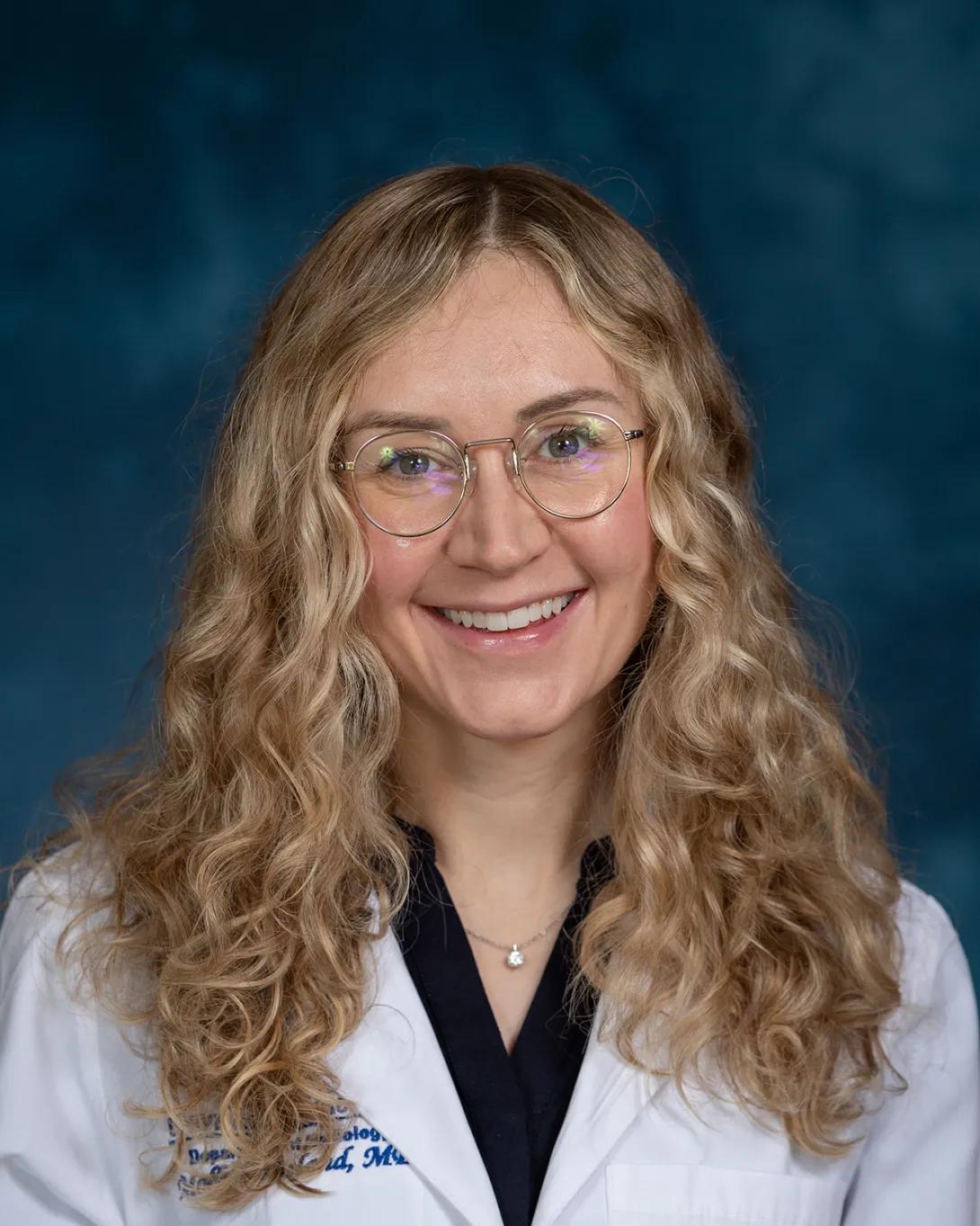
Molly Roseland, MD
Program Assistant
OMSE Content & Discipline Lead
Medical School
Yashesh Shah
Medical School
Daniel Wale
Medical School
Ka Kit Wong, MBBS
Medical School

James Corbett
Professor of Internal Medicine
Medical School
