
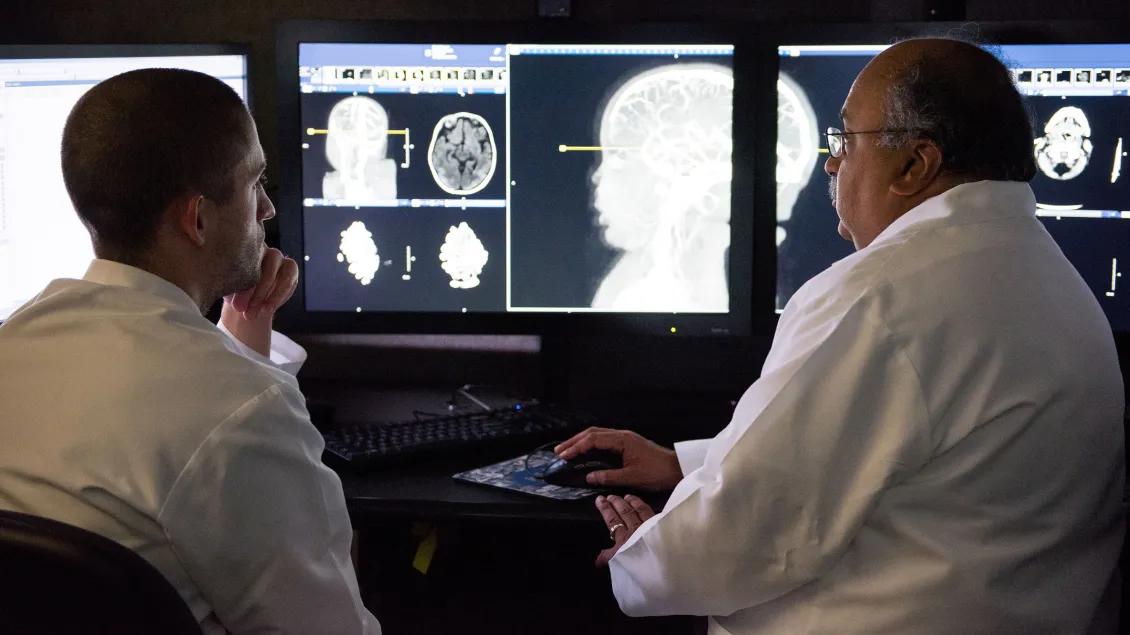
Diagnostic Neuroradiology Fellowship
One of the primary educational missions of the Neuroradiology Division is our ACGME-accredited fellowship. The mission of our fellowship is to produce fellows who are excellent clinical diagnostic neuroradiologists in all aspects of neuroimaging and who are outstanding consultants to referring physicians, working with them to advance patient care.
For those fellows interested in academic neuroradiology, we aim to provide them with the fundamentals to pursue an academic career.
The U-M Medical School Department of Radiology's Division of Neuroradiology offers a one-year diagnostic neuroradiology fellowship program that is fully accredited by the Accreditation Council for Graduate Medical Education (ACGME) for six positions per year.
Learn more by jumping to the sections below:
For More Information
How to Apply
We participate in the Radiology Specialty Match sponsored by the National Resident Matching Program (NRMP) to fill our ACGME positions not filled by internal applicants prior to the date that match registration begins. Applicants must register for the match.
Be aware that deadlines differ each year. The exact interview and match dates are determined each year by the NRMP, which you can find on their website.
ERAS Applications must include the following to be considered complete:
- Application form
- Curriculum vitae
- Personal statement
- Three letters of recommendation (including one from your residency program director)
- Copy of Dean’s letter from your medical school
- USMLE or COMLEX board score
- ECFMG certificate if applicable
Curriculum
Fellowship training occurs mostly at Michigan Medicine and includes dedicated rotations to C.S. Mott Children’s Hospital which is attached to the main hospital and East Ann Arbor (EAA) Health and Geriatrics Center which includes an outpatient imaging facility. Fellows also rotate at the Lieutenant Colonel Charles S. Kettles VA Medical Center.
Call
Fellows are assigned to home call approximately once every six weeks, always with support from neuroradiology faculty members. The exception of diagnostic lumbar punctures, any procedures performed after hours are always done along with the neuroradiology faculty on call. There is no in-house call for our fellows.
Conferences
Each week a Fellow’s Conference is held which consists primarily of didactic lectures by the faculty. This is interspersed with journal club, morbidity and mortality conference and a pediatric neuroradiology conference. There is also a weekly interesting case conference, where fellows and faculty informally discuss difficult or unusual cases. Fellows also participate in interdisciplinary conferences such as head and neck tumor board, brain tumor board, neurosurgery CPC and neuro-ophthalmology conference.
Our fellows also participate in the teaching efforts of the neuroradiology division. Fellows participate in the teaching of 3rd and 4th year medical students, radiology residents and residents from other services who rotate through our division. Each fellow also prepares approximately two conferences each year for our radiology residents.
Rotations
Fellows rotate on the Neurointerventional Radiology (NIR) service to obtain exposure to diagnostic angiograms and neurointerventional procedures.
The diagnostic neuroradiology division performs fluoroscopically or CT guided interventional procedures which consist of myelograms, lumbar punctures (both diagnostic and to administer intrathecal chemotherapy) and biopsies of the head and neck and spine. The fellows perform these procedures on adults during their “Specials” rotation at the University Hospital and on pediatric patients during their pediatric neuroradiology rotation at C.S. Mott Children’s Hospital.
The CT equipment at the UMHS includes a total of 12 scanners. One of these CT scanners is located within the University Hospital Emergency Department. This allows fellows to gain competence in routine neuroradiologic exams as well as advanced head/neck, spine and cerebrovascular imaging.
There are 15 clinical MRI units (0.55T, 1.5T and 3T) and one 3T research unit. The 3T research unit is located at the main hospital and administrated by the Department of Radiology. Fellows become competent at all aspects of neuro MRI including advanced imaging procedures such as MR angiography (including time-resolved MRA), MR spectroscopy, diffusion tensor imaging and MR perfusion.
Given the numerous scan sites and breadth of examinations ordered the fellows far exceed the ACGME requirement of 250 non-invasive (CT and/or MR) angiograms.
This rotation entails CT and MRI exams, and special procedures performed on pediatric patients at C. S. Mott Children’s Hospital where 3 of our MRI scanners and 2 of our CT scanners are housed. There is also a fluoroscopy room for special procedures. Our fellows spend a minimum of 4 weeks on this rotation, per ACGME requirements. We have several faculty members who have completed pediatric neuroradiology fellowships or have extensive long-term interest and experience in pediatric neuroradiology.
This rotation exposes our fellows to neuroimaging in an outpatient setting, and includes both MRI and CT.
Salary & Benefits
The University of Michigan offers highly competitive salaries and generous benefits to our fellows and advanced trainees. Trainee salary will be commensurate with that of a House Officer at an equivalent level of training based on the HOA contract.
Current Fellows
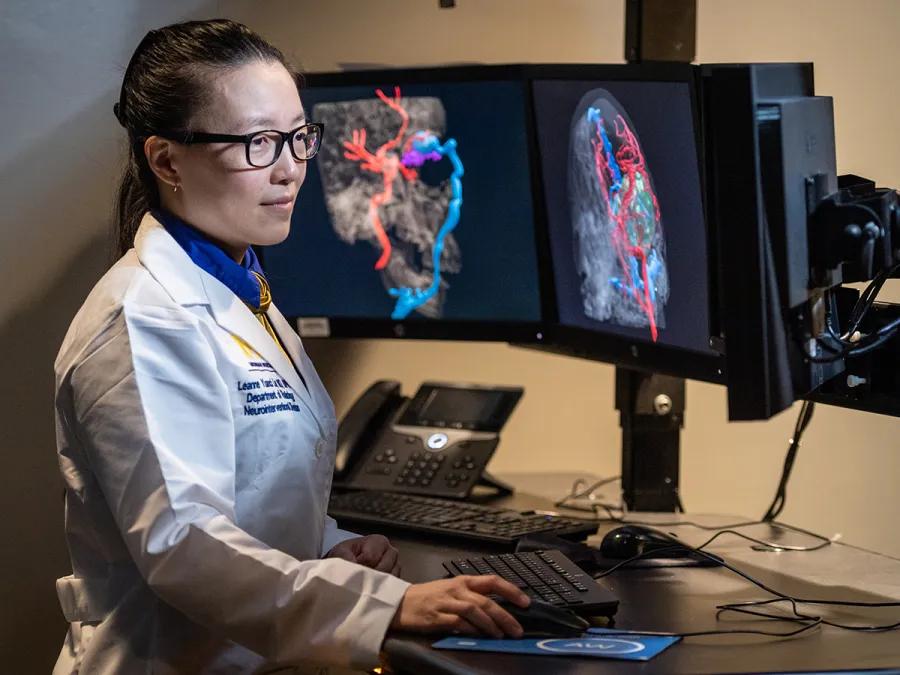
Meet the current trainees in the Diagnostic Neuroradiology Fellowship. We emphasize teamwork, excellence, and leadership while preparing our fellows with resources to be successful in their careers.
Research
There is a tradition of collaborative clinical and basic science research between members of the Division of Neuroradiology and the other clinical Neuroscience departments. Senior research physicists with special interest in MR physics, contrast agents, digital image processing, and MR spectroscopy are available within the Department of Radiology for technical and research support.
Fellows are expected to complete at least one research project with submission to a national meeting and or journal or other scholarly project such as a review article or book chapter with a faculty mentor. Fellows are also required to complete one quality improvement/patient safety (QI/PS) project. On average, the fellows have approximately 2 professional development days per month, during which time they can work on their projects. Early in the academic year the faculty discuss their research interests and ongoing research and QI/PS projects with the new fellows. Fellows can then choose with whom they would like to work. All our fellows have easily accomplished these requirements, and many have had more than one project accepted to meetings or published.
ABR Pathway
The Department of Radiology offers qualified candidates the opportunity to participate in the American Board of Radiology (ABR) alternate pathway to complete four years of radiology fellowship training towards eligibility for ABR certification.
Program Leadership
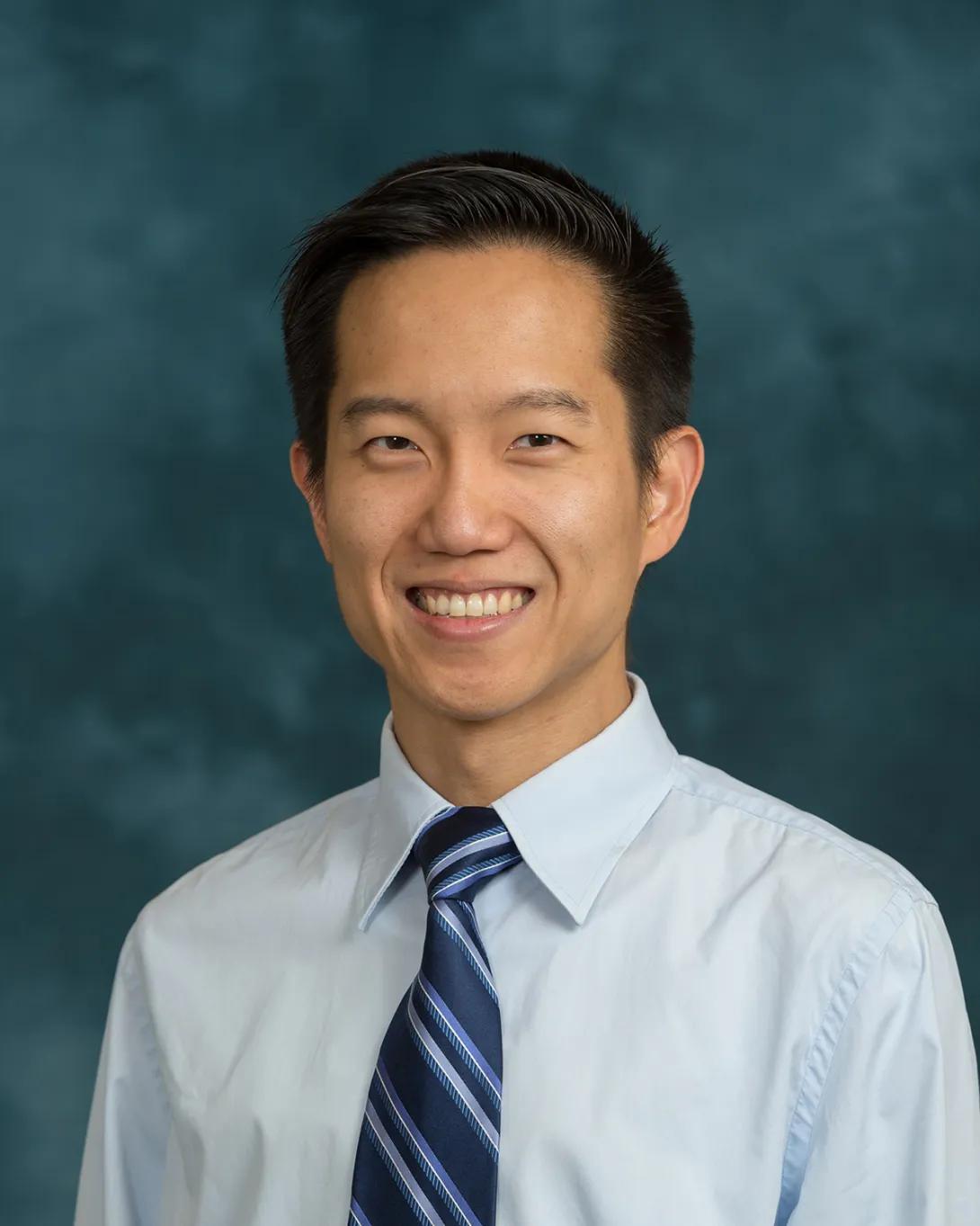
John Kim, MD, MRMD (MRSCTM)
Clinical Associate Professor of Radiology
Medical School
See Where Training Takes Place
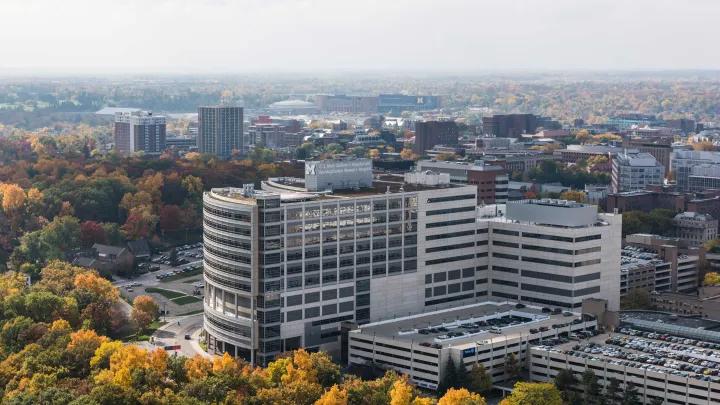
The University of Michigan Medical School campus offers numerous spaces dedicated to academic learning, research and clinical care, including specialty clinics, research labs, lecture halls, and clinical simulation centers. Each space and facility provides a collaborative and innovative environment for education, research and patient care.

Life in Ann Arbor
We find a new reason to love Ann Arbor nearly every day — year-round outdoor activities, cultural experiences, a growing food scene, and a welcoming, family-friendly atmosphere are just a few that come to mind. Explore all that Ann Arbor and our surrounding communities have to offer.
