Neurosurgery Research
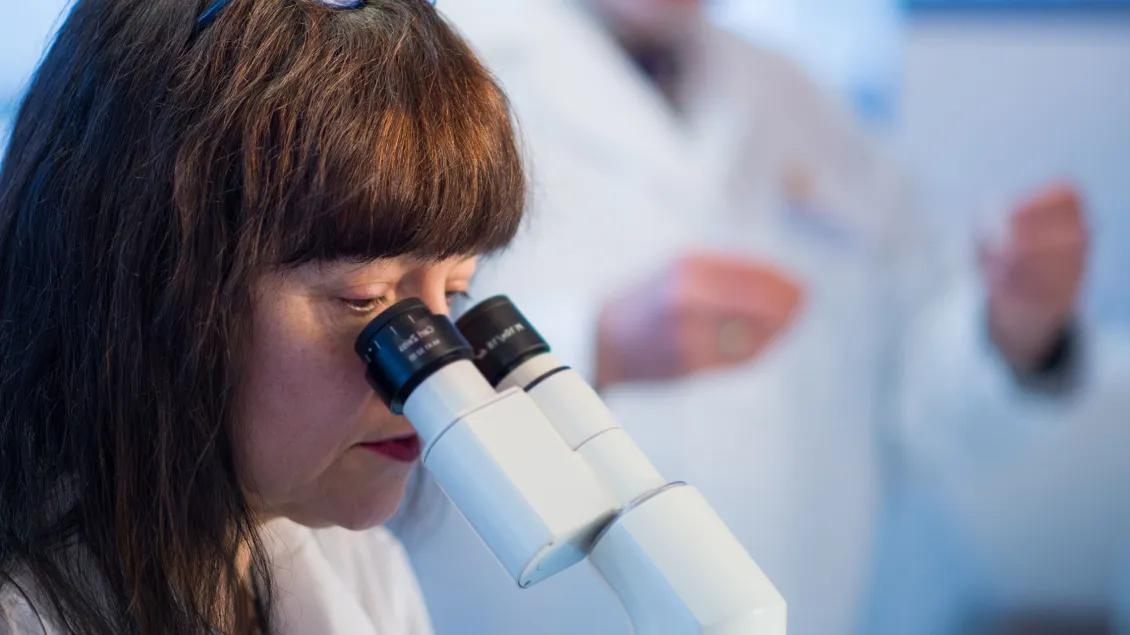
Neurosurgery Research at the Highest Level
With $1.58 billion in annual research expenditures and the top research volume among U.S. public universities, the Department of Neurosurgery can support research at the highest level.
Research & Discovery
Our research program encompasses basic, translational, and clinical investigations. Our clinical faculty perform diverse research within their specialties and are complemented by a large group of dedicated research faculty, positioning the Department among the leaders in the nation for federal and extramural research funding.
We are committed to the academic development of our residents, and maintain a two-year period during the fourth and fifth years of training that is largely free from call or clinical responsibilities. Many residents have chosen to pursue research in laboratories within the Department or around campus, while some have pursued master’s or doctoral degrees during their research time.
Within the Department, the Neurosurgery Clinical-Translational Research Office (NCTRO) provides administrative support and oversight for both clinical trials and clinical research, allowing faculty and residents to be more productive researchers, despite ongoing clinical demands. NCTRO supports all phases (I-IV) of clinical and therapeutic research trials for pharmaceutical and device companies, and is engaged in research studies supported by the National Institutes of Health, Department of Defense, industry and foundations and other internal programs.
Our physicians and researchers have expertise across a wide range of areas, including aneurism, stroke, neuro-oncology, and spine. The clinical research and basic science teams strive to translate findings seamlessly into new or improved therapies. Our clinical research staff provides support for the life-time of a project, including assistance in preparing grants, creating budgets, IRB applications, data collection, and study coordination.
Department research is conducted primarily by investigators in the Crosby Neurosurgical Research Laboratories, the Translational Neuro-Oncology Laboratories, the Restorative Neuroengineering Group, MLiNS (Machine Learning in Neurosurgery) Laboratory, and the laboratories of individual investigators in various clinical areas.
Research Areas
Learn more about the research being conducted across more than six areas of focus.
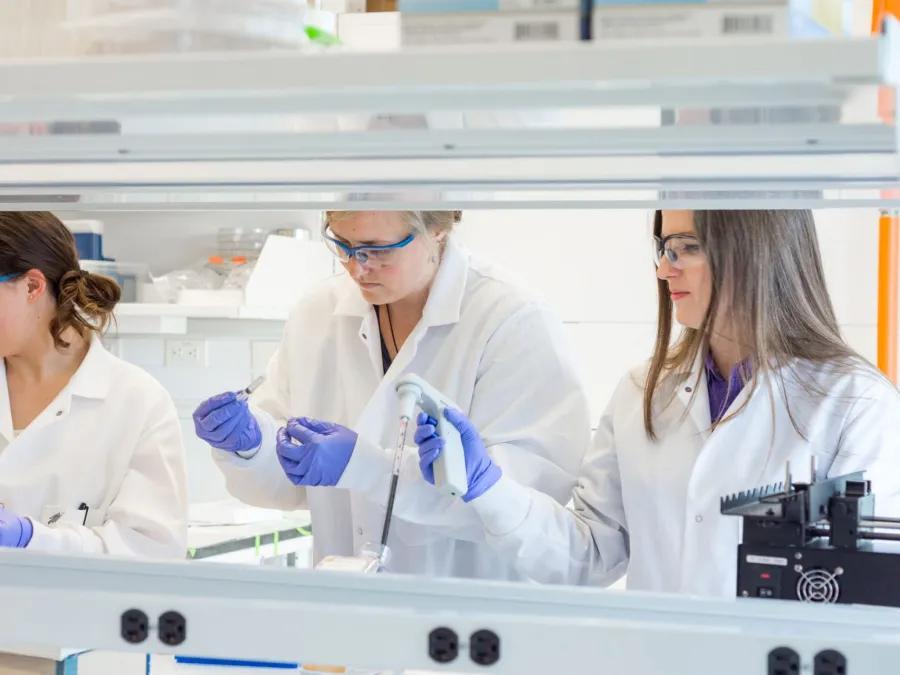
Resident Research Opportunities
The research component of the Neurosurgery residency program is typically done at the PGY-4 and PGY-5 years. Residents have the opportunity to plan and design their research projects.
Featured News & Stories
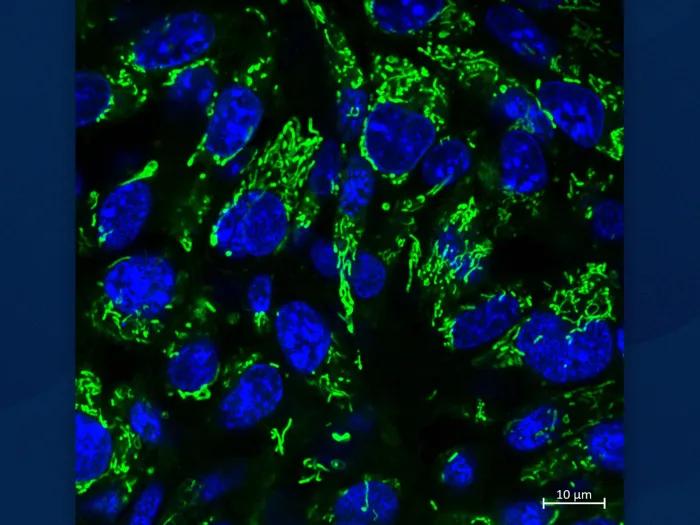
Engineered nanoparticles sensitize gliomas to radiotherapy
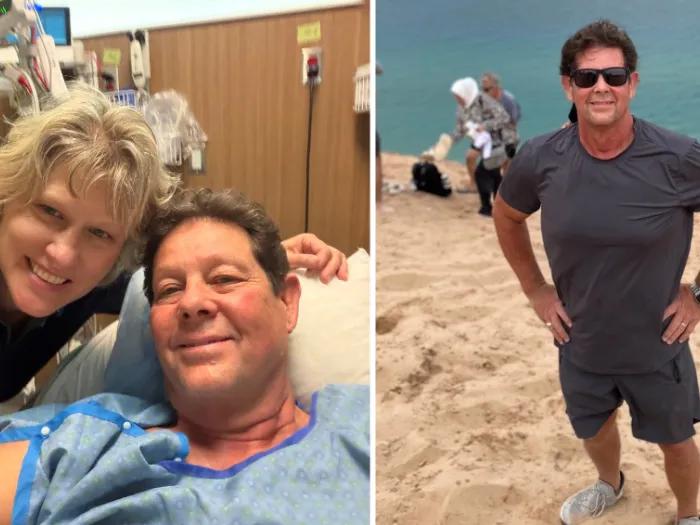
Spinal implant eliminates patient’s 'all-consuming' pain without need for a fusion
Podcast: Supporting student success: Building well-being into medical education
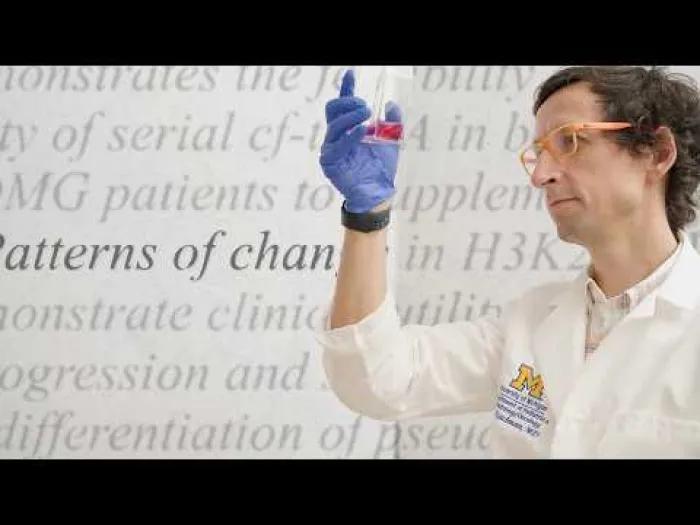
Path forward for glioblastoma treatment
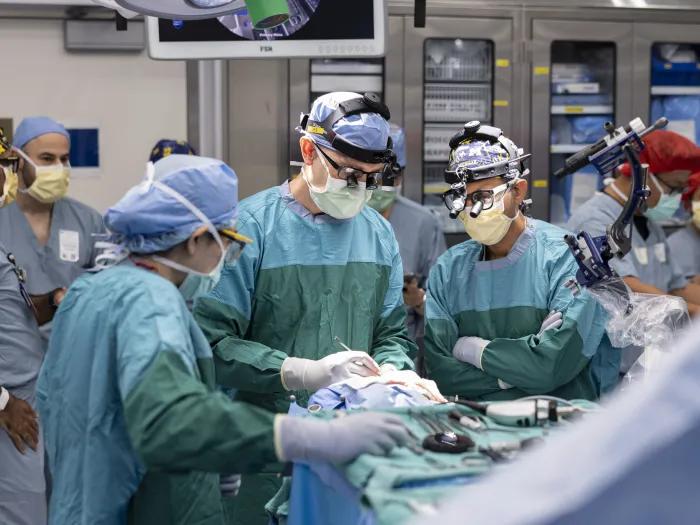
University of Michigan implants first-in-human Paradromics wireless brain-computer interface, designed to restore communication