
Projects | CHCR

Building Software Platforms
Our projects reflect CHCR’s role as an embedded software development agency supporting research, health, and education initiatives across the University of Michigan and Michigan Medicine. We design and build custom digital products including web and mobile applications, engagement platforms, and data-driven tools, partnering closely with faculty, clinicians, and program teams. Each project is developed to meet real operational needs, comply with institutional and regulatory requirements, and remain scalable and sustainable over time.
Past Projects

Testing for inherited susceptibility to cancer has been available for over 20 years, but uptake remains low among even patients at high risk. It is now well-established that between 1 in 5 and 1 in 20 patients with breast, ovarian, endometrial or colorectal cancers has a deleterious germline mutation conferring inherited susceptibility to cancer.
Despite advances in genetic testing technologies and a decrease in the cost of testing, the uptake of testing among eligible patients with cancer remains unacceptably low. There is thus a gap between actual and ideal care with implications for primary and secondary cancer prevention and treatment in people with an inherited susceptibility and their family members.
The MiGHT study leverages diverse, statewide partnerships among healthcare and public health entities to employ both practice- and patient-level interventions to improve family history collection and uptake of genetic testing, with the overarching goal of reducing cancer morbidity and mortality.
For more information, go to info.mightstudy.org.
Investigator(s)
Elena Stoffel, MD, MPH
University of Michigan
Some families are at a higher risk for cancer because of changes or mutations that can happen to certain genes. In these families, it is important for family members who are closely related to a person with cancer to consider genetic testing to learn if they do or do not have an increased genetic risk for cancer.
The Genetic Information and Family Testing (GIFT) Study is designed to:
- Help families with a history of cancer more easily share important health information about hereditary cancer risk
- Help interested family members get genetic testing for cancer risk
The GIFT Study includes two groups of people:
- Men and women who were diagnosed with selected cancers in 2017 and who had genetic testing and were found to carry a gene variant that increases cancer risk
- Their closely-related biological (blood) family members
Participants receive access to a secure website with personalized information about genetics, genetic cancer risk, and how genetic testing can be helpful to their family. A Family Health Navigator is available to help with outreach to family members and to answer questions. Participants in the “closely-related family members” group can opt to receive home-based genetic testing for cancer risk through the study.
Genetic testing services for the GIFT Study are provided by Color Health. The genetic testing process can be done entirely from home and involves spitting into a tube and mailing it back to the Color laboratory for processing. Color will provide results electronically along with access to a licensed genetic counselor to discuss the test results.
Investigator(s)
Lawrence C. An, MD
University of Michigan
Steven J. Katz, MD, MPH
University of Michigan
Allison Kurian, MD, M.Sc
Stanford University
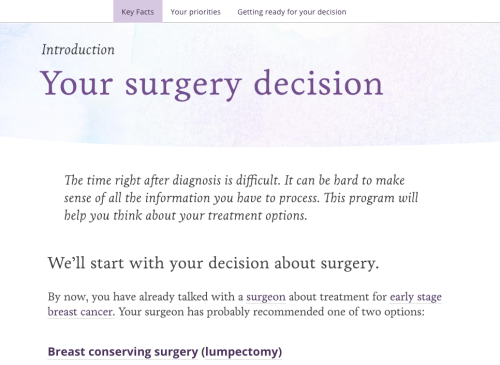
The SharES study recruited 700 newly diagnosed, early-stage breast cancer patients at 25 practices all over the US. Patients were given access to a mobile-responsive website that assisted in their decision to have a mastectomy or breast conserving surgery. Clinicians were given access to a clinician dashboard that provided the clinician with information about the patient gathered from the patient-facing website.
For this project, CHCR created a patient-facing decision aid, a clinician dashboard, and a study dashboard.
iCanDecide
iCanDecide was the patient-facing educational component of SharES. It provided educational content including key facts about surgery, key facts about systemic treatment, emotional-self care, and genetic testing.
Clinician Dashboard
The Clinician Dashboard provided clinicians with information about their breast cancer patients to better equip them to help their patients make an informed decision about treatment. This was studied using a stepped wedge cluster trial.
Study Dashboard
The Study Dashboard allowed the SharES Research Assistants to perform key study tasks such as monitor enrollment and track incentives.
Puedo Decidir: Spanish Version
The patient-facing iCanDecide educational site was also offered in Spanish.
Investigator(s)
Sarah T. Hawley, PhD, MPH
University of Michigan

We partnered with the Michigan Primary Care Association (MPCA) and United Way to create COVID-19 vaccine communication trainings. These online trainings were focused on communication strategies for clinicians and community members to talk to people about the COVID-19 vaccines. Principals of motivational interviewing and background information about the vaccines were covered in the training. The training also included Interactive activities, animated example videos, and reference materials.
Investigator(s)
Lawrence C. An, MD
University of Michigan

Getting to Yes Michigan is a program that is designed to improve understanding and acceptance of COVID-19 vaccines in 4 Michigan counties (Genesee, Kent, Washtenaw and Wayne). We are particularly interested in helping people from under-represented communities of color get access to COVID-19 vaccines.
The program includes the following features:
- Text messages that address common COVID-19 vaccine questions and concerns
- A website with COVID-19 vaccine information and updates, messages from faith leaders, and links to helpful resources
- Vaccine Champions who can help provide information and access to the vaccine
- Communication training for participants who wish to become Vaccine Champions
- Funded by the National Institutes of Health, the study is a partnership between faith leaders, Michigan CEAL, Michigan CIVIC, and researchers from the University of Michigan.
Investigator(s)
Ken Resnicow, PhD
University of Michigan
Barbara Israel, DrPH, MPH
University of Michigan
To educate newly diagnosed breast cancer patients about financial toxicity, we developed a tool that can be given to patients to inform them about resources and action steps regarding financial stress. The tool was developed after conducting qualitative interviews with breast cancer patients. After the tool was developed, we conducted usability sessions with 4 breast cancer survivors who experienced financial stress during their treatment.
Investigator(s)
Laila A. Gharzai, MD, LLM
Northwestern University

This project is testing the efficacy of a 12-week remote therapy intervention (RTI) to decrease aggression and victimization behaviors among violently injured youth (age 14-20) seeking treatment in the emergency department (ED) in Detroit or Flint.
Study Design
The intervention has 3 study arms:
- S-RTI: Standard ED counseling session + 5 post-ED remote therapy sessions
- AI-RTI: An adaptive artificial intelligence (AI) supported RTI package that optimizes therapeutic intensity using reinforcement learning. Participants are assigned to varying therapy conditions based on their risk status each week. Therapies in this arm include:
- 30-minute telephone-based remote therapy session;
- Automated electronic tailored therapy (chatbot); or,
- Assessment only without intervention (i.e., none)
- Standard care
Randomization is stratified by age (14-17; 18-20) and sex.
Chatbot
CHCR leveraged our MTS system to create highly tailored, interactive chatbot interactions in the AI-RTI arm for automated electronic tailored therapy. The chatbot was also designed to show different emotions to help build empathy and rapport with participants. Participants saw relevant testimonials, infographics and behavioral tips within the chatbot as well. The chatbot was delivered on a personalized website that also included links to community resources.
Therapist MI Dashboard
CHCR also created a therapist dashboard to guide the ED counseling session based on principles of motivational interviewing (MI). Data from a participant surveys and chatbot responses was fed into this feature in order to produce tailored summary screens to help guide the counselor’s MI session with that participant. The therapist dashboard also records all relevant data for each counseling session.
Investigator(s)
Patrick Carter, MD
University of Michigan
Ken Resnicow, PhD
University of Michigan
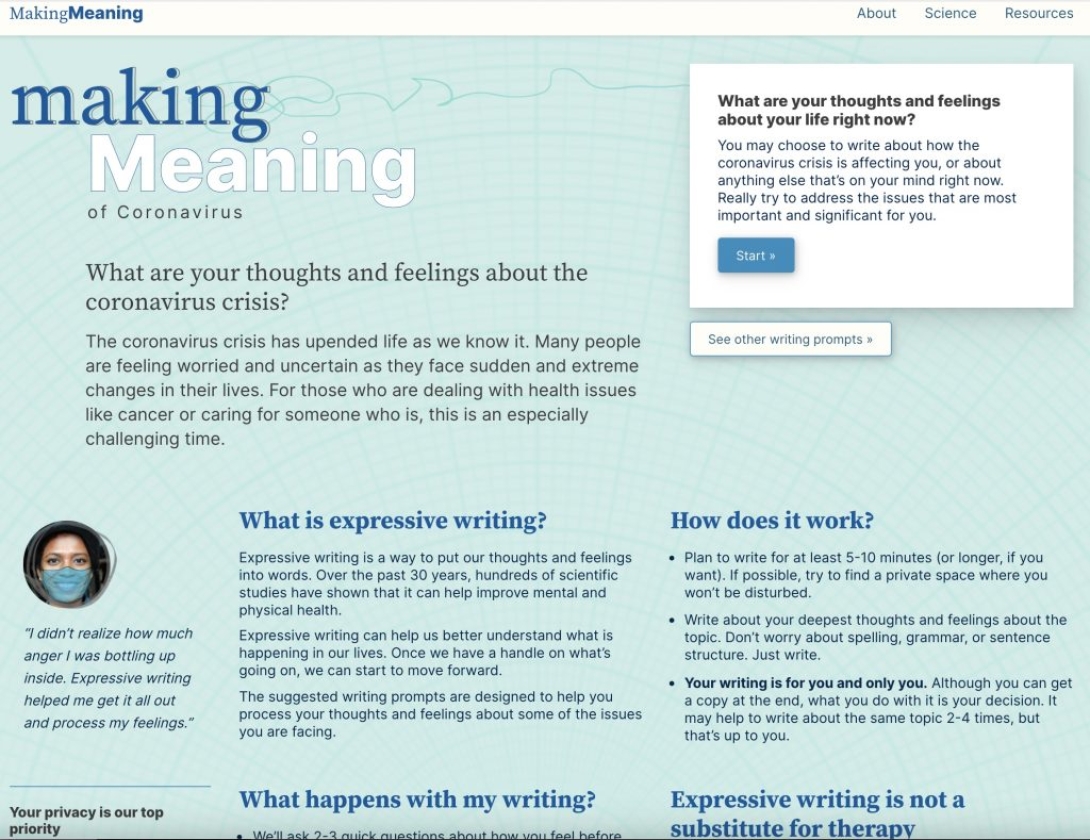
Expressive writing is an evidence-based practice that been shown to reduce stress and improve coping for people facing a wide range of health and social challenges.
Because of the coronavirus crisis, people are facing serious health challenges and extremely difficult circumstances. This unprecedented, anxious time has enormous impact — not only on our way of operating, but also on our well-being.
The University of Michigan Rogel Cancer Center’s Office of Patient Experience and Center for Health Communications Research partnered with health psychologist James Pennebaker and his team at the University of Texas at Austin to build this website. The writing feedback that is provided is powered by the Receptiviti natural language platform.
Investigator(s)
Lawrence C. An, MD
University of Michigan
Sarah T. Hawley, PhD, MPH
University of Michigan
Ken Resnicow, PhD
University of Michigan
James W. Pennebaker, PhD
University of Texas - Austin
Investigator(s)
Christine M. Veenstra, MD, MSHP
University of Michigan

The University of Michigan and its partners wanted to understand if messages created by the community could protect people from COVID-19. Community Engagement Alliance (CEAL) is a national, NIH-funded program working toward a goal of reducing the burden of COVID-19 on the hardest hit communities.
Online surveys to assess a range of individual and household characteristics, attitudes, and behaviors related to the COVID-19 pandemic.
Survey #1 - May 2020
We conducted an online survey of a representative sample of over 1,000 US adults to assess social distance attitudes, COVID-19 related beliefs and behaviors, and demographics. Surveys were completed through the Qualtrics online platform using a sample provided by Dynata.
Investigator(s)
Lawrence C. An, MD
University of Michigan
Investigator(s)
Reshma Jagsi, MD, DPhil
University of Michigan
Laila A. Gharzai, MD, LLM
Northwestern University

Guys/Girls Opt for Activities for Life (GOAL) intervention includes and after school GOAL club to incorporate physical activity and health eating, parent-child meetings, and a social networking website for parents to motivate each other.
Guided by Self-Determination Theory and the Information-Motivation-Behavioral Skills Model, the novel 16-week Guys/Girls Opt for Activities for Life (GOAL) intervention includes 3 components:
- After-school GOAL Club: 26 120-minute events (2 days/week) for boys and girls that incorporate physical activity and healthy eating and cooking;
- Three parent-adolescent dyad meetings to empower dyads about physical activity and healthy eating and cooking; and
- GOAL social networking website so parents can motivate each other to help their adolescents increase physical activity and diet quality.
Investigator(s)
Lorraine Robbins, PhD, RN, FNP-BC
Michigan State University

This study aims to test and compare two methods for educating parents/caregivers of children ages 6 months to 10 years about child passenger safety. The study will help determine how best to deliver this information in a way that appeals to parents/caregivers.
Over the course of 1 year, participants receive 8 requests to share pictures of their child as they usually ride in cars with the research team via text message. There are also 2 in-person visits with the research team to assess the appropriateness and fit of the child's current vehicle restraint.
Administrative Dashboard
CHCR created an administrative dashboard that allowed the research team to manage study participants, as well as handle the complex process of photo request submissions, organization, and replies. The dashboard shows a comprehensive participant list with study status and upcoming events for each individual. Photo submissions are also logged in each participant’s record along with all other message history and ability to send custom text responses.
Car Seat Compass Website
CHCR also created the participant-facing Car Seat Compass website. This website included:
- Tailored road map based on child’s height, weight, and age to give an accurate car seat recommendations
- Car seat calculator to recommend a seat type based on child’s age and weight, with answers to common questions
- Educational information about proper car seat fit, including diagrams and videos
- Personalized summary and feedback based on survey data about child’s car seat
Investigator(s)
Michelle Macy, MD, MS
Northwestern University
The Sleep Coach app provides access to evidence-based CBT-I strategies for insomnia. It engages users with a computerized dialogue agent to support adoption and adherence to these evidence-based strategies.
Sleep disturbance is one of the most common problems among cancer patients and cancer survivors. Sleep disturbance negatively impacts quality of life across multiple dimensions. Cognitive behavioral therapy for insomnia (CBT-I), an evidence-based psychoeducational intervention, is considered a first line treatment; however, access to CBT-I is severely limited. We therefore formed a multidisciplinary collaboration to address this critical gap in survivorship care through the development and evaluation of a mobile CBT-I Sleep Coach app.
Innovative features of this app include incorporation and integration of:
- Evidence-based CBT-I strategies and interactive activities
- A computerized dialogue agent to engage users in the adoption of and adherence to CBT-I strategies
Investigator(s)
Lawrence C. An, MD
University of Michigan
Sarah T. Hawley, PhD, MPH
University of Michigan
Tiffany Braley, MD, MS
University of Michigan
The Cancer Support Community (CSC) created the Open to Options® program to help newly diagnosed cancer patients as they prepare to make an upcoming treatment decision.
The program involves talking with a trained specialist in-person or via phone who guides the patient through a structured, non-directive interaction to elicit their questions, concerns and priorities. At the end of the session, patients have a curated list of questions prepared for their upcoming medical appointment to make an informed treatment decision. Open to Options® has been validated in clinical studies, including a CDC-sponsored study, that showed the program is effective at lowering distress and improving self-efficacy among cancer patients when making a treatment decision.
In an effort to reach a wider audience, CSC partnered with the Center for Health Communications Research at the University of Michigan Rogel Cancer Center to create an interactive chatbot experience that simulates the in-person experience of Open to Options®. The chatbot is currently being tested in newly diagnosed cancer patients as a pilot study at the cancer center.
Following the same structure as the in-person interaction, the Open to Options® chatbot provides an engaging conversational experience that involves the exchange of information, the opportunity for reflection, and the expression of emotional support.
Investigator(s)
Daniela A Wittmann, PhD, LMSW
University of Michigan
Investigator(s)
Paul Reiter, PhD, MPH
The Ohio State University
We have determined racial disparities in cancer incidence and mortality within the Rogel Cancer Center catchment area, however, we know less about the underlying sociodemographic, psychosocial, and behavioral factors driving these disparities. Obtaining these data in a manner that is both cost effective and scientifically rigorous is a critical step in planning effective strategies to reduce disparities.
We responded to this need by conducting survey research that appropriately sampled our catchment area, and collected information to understand and decrease cancer disparities.
Understanding & Reducing Disparities
The overall objective of this work was to generate data to help us better understand, and thereby reduce, health disparities within the University of Michigan Rogel Cancer Center catchment area.
We conducted a new survey in our catchment area, oversampling key demographic groups. We also compared three methods of survey data collection in our catchment area to inform similar surveys for other cancer centers.
This included two non-random (and less costly) sampling strategies:
- In-person community events using paper and online surveys
- An online listed panel through Dynata
As well as a “gold standard:”
- Population probability telephone survey conducted by Harris Insights and Analytics.
Arab and Chaldean Community Health Survey
Our catchment area includes southeast Michigan, which is home to some of the largest Middle Eastern and North African populations in the US.
We partnered with the Dearborn-based organization ACCESS – the largest Arab American community nonprofit in the US – to create a version of the Community Health Survey specifically geared towards the Arab and Chaldean communities. This version included extra questions about cultural identity, discrimination, and healthcare attitudes. In order to better meet the needs of this population, we also translate the survey into Arabic for paper or online completion.
Investigator(s)
Ken Resnicow, PhD
University of Michigan
This pancreatic cancer screening education tool is targeted to people visiting the New York University Pancreatic Cancer Center website who might be interested in learning more about their risk factors for pancreatic cancer (including patients, future patients, family members of patients).
Investigator(s)
Diane M. Simeone, MD
New York University
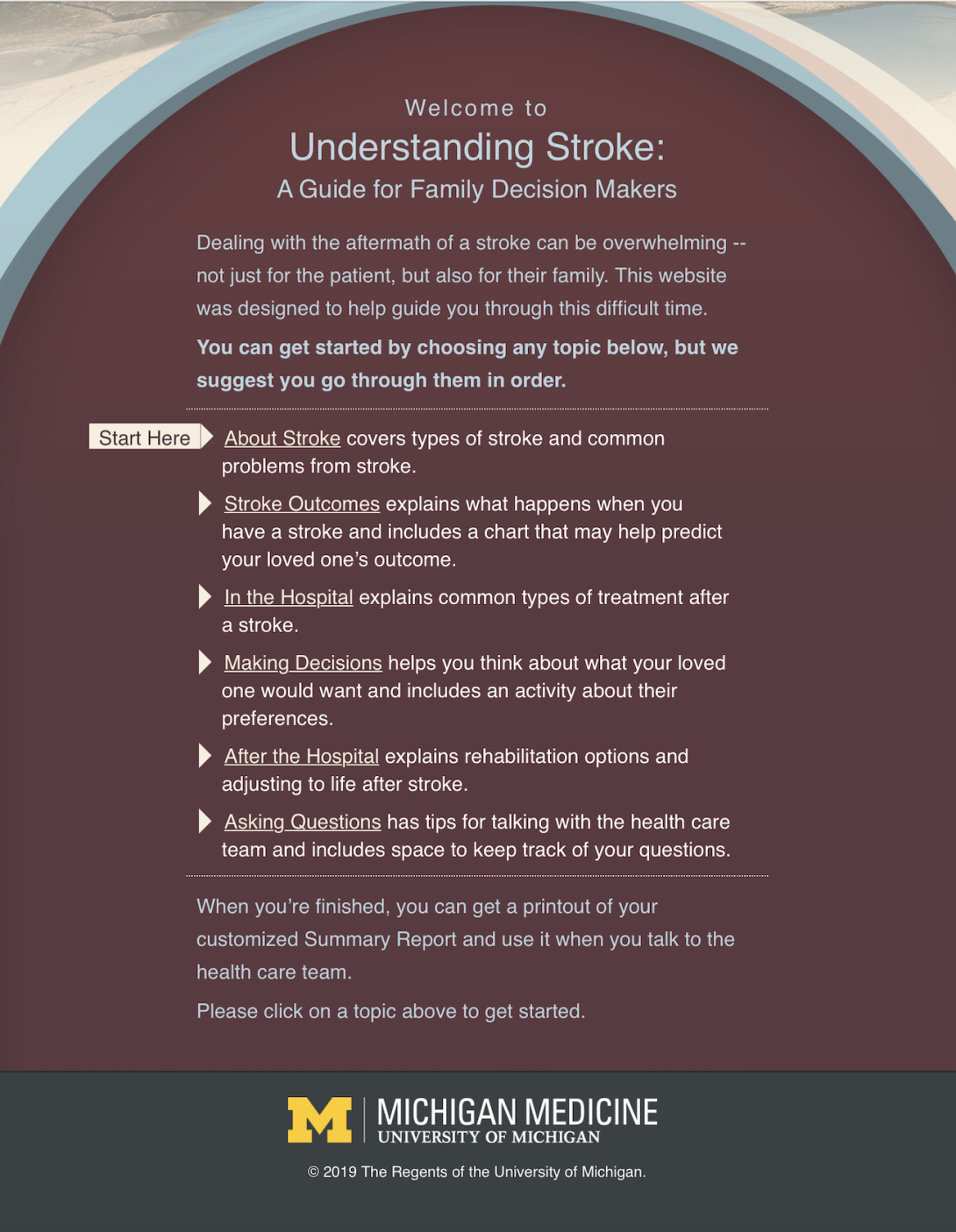
Surrogate decision makers of stroke patients are often unprepared to make critical decisions on life-sustaining treatments. This web-based, patient-centered, tailored decision aid includes general information about stroke, outcomes (prognostic information and recovery), in-hospital and life-sustaining treatments, decision making and values clarification, post-hospital care, tips for talking to the health care team, and a summary report. Preliminary usability testing received generally favorable feedback.
Investigator(s)
Darin Zahuranec, MD, MS
University of Michigan
Investigator(s)
Michael Dorsch, PharmD, MS
University of Michigan
Investigator(s)
Edwin Grant Wilkins, MD
University of Michigan
Investigator(s)
Michael Dorsch, PharmD, MS
University of Michigan
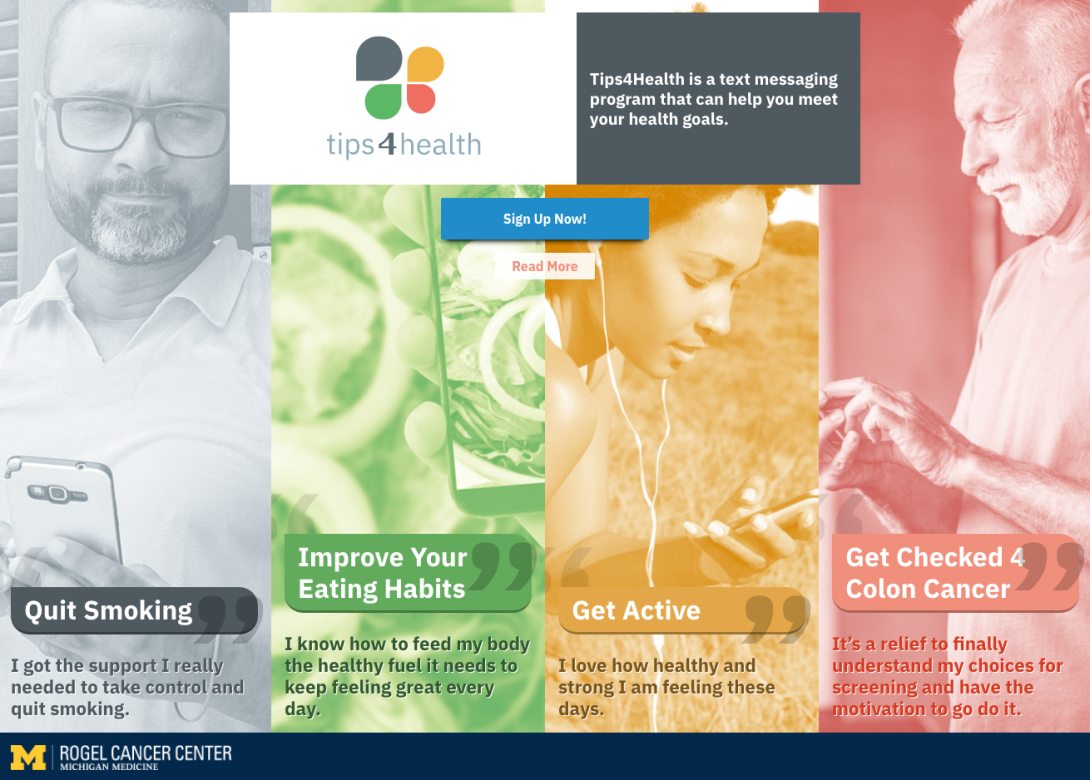
An interactive, personalized, text-messaging program to help participants prevent cancer and lead a healthy life.
T4H is a nationally available resource that was created by the National Cancer Institute (NCI) and the CHCR. Participants get several texts per week for about 6 weeks. Text messages include healthy tips, strategies to stay on track, and check-ins.
T4H Programs
There are 4 programs to choose from and participants can enroll in as many as they want:
- Eat healthier
- Be more active
- Quit smoking
- Get screened for colorectal cancer (CRC)
Version 1 - 2016
The first version of T4H included the 3 primary programs:
- Eating healthy
- Exercising more
- Quitting smoking
Version 2 - 2017
The second version of T4H added a new program to promote screening for colorectal cancer (CRC). It targets people age 50 and older at average risk for developing colon cancer and encourages them to get a colonoscopy or complete a home stool test.
The CRC program includes interactive text messages and additional educational components on a dedicated website. The website contains information and video stories related to:
- Getting checked
- What tests are available
- How to pay for testing
- How to overcome barriers to getting tested
The text messages and website content were highly tailored to each participant’s testing preference, as well as their barriers and motivators to getting tested.
The CRC screening program was built on findings from an earlier project called Inside Health led by Dr. Ken Resnicow. Inside Health used a tailored print newsletter to encourage CRC screening in an African Americans in Detroit.
Read more about Inside Health: Resnicow, K., Zhou, Y., Hawley, S., Jimbo, M., Ruffin, M. T., Davis, R. E., Shires, D., & Lafata, J. E. (2014). Communication preference moderates the effect of a tailored intervention to increase colorectal cancer screening among African Americans. Patient education and counseling, 97(3), 370–375. https://doi.org/10.1016/j.pec.2014.08.013
Version 3 - 2019
The third version of T4H included a few updates:
- Text messages for the healthy eating, exercise, and quit smoking programs was updated to align with new messages released by NCI
- Created 2 new versions of the quit smoking program:
- 1 focused on patients in the University of Medicine system
- 1 focused on patients in rural clinics in Michigan
- These versions are very similar to the original program, with modifications to deliver these patients more relevant resources and follow-up
- Added a new feature to allow healthcare providers or clinic staff to send a welcome text directly to potential patient participants inviting them to enroll
- CHCR redesigned the T4H website for easier dissemination among healthcare providers and patients, as well as more efficient enrollment
Yallah Quit - 2020
This version of T4H uses culturally specific, bilingual messaging to help the Muslim community quit smoking during Ramadan. Southeast Michigan is home to some of the largest Middle Eastern and North African populations in the US.
We partnered with the Dearborn-based organization ACCESS – the largest Arab American community nonprofit in the US – to update T4H smoking cessation messages to create a campaign called Yallah Quit. Yallah is Arabic for “Let’s go!” We worked closely with community stakeholders at ACCESS to modify messaging to ensure relevance and cultural humility. For example, smoking hookah is a social activity that is sometimes considered less dangerous than smoking cigarettes, though both increase cancer risk significantly.
Investigator(s)
Lawrence C. An, MD
University of Michigan
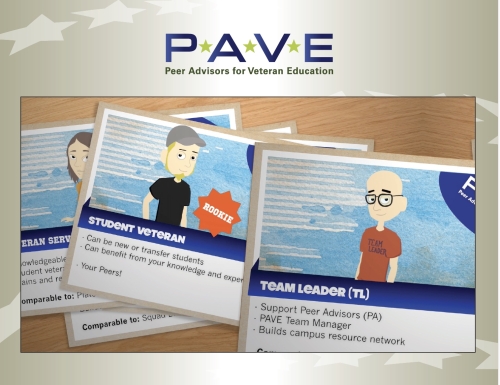
PAVE is a peer support program that connects incoming student veterans on college campuses with student veterans who are trained as Peer Advisors to help them navigate college life, address challenges, refer them to appropriate resources on and off campus, and provide ongoing support.
This project created a technology platform to expand the reach of the PAVE program by converting the in-person training materials to a robust online training site. In addition, a mobile tracking system for Peer Advisors and a management console were created to support the program's rollout.
Investigator(s)
Michelle Kees, PhD
University of Michigan
We sought to develop and evaluate an intervention for military spouses that would enhance individual resilience and improve psychological functioning, in part by identifying and changing negative thoughts specific to military life and deployment experiences. Thus began the development of Home Front Strong (HFS), an 8 week group grounded in evidence-based components of positive psychology, cognitive behavioral therapy and dialectical behavior therapy, tailored for military spouses.
Investigator(s)
Michelle Kees, PhD
University of Michigan
Investigator(s)
Michael Sabel, MD
University of Michigan
Investigator(s)
Ken Resnicow, PhD
University of Michigan
Investigator(s)
Kevin Kerber, MD, MS
University of Michigan
Investigator(s)
José A. Bauermeister, PhD, MPH
University of Pennsylvania
Investigator(s)
Victor J. Strecher, PhD
University of Michigan
Brian Zikmund-Fisher, PhD
University of Michigan
Angela Fagerlin, PhD
University of Utah
Investigator(s)
Michael L. Volk, MD, MSc, AGAF
Loma Linda University
Investigator(s)
Jennifer McClure, PhD
Kaiser Permanente
Investigator(s)
Amanda F. Dempsey, MD, PhD, MPH
University of Colorado
Karen Albright, PhD
Miriam Dickinson, PhD
Investigator(s)
Paula Anne Newman-Casey, MD, MS
University of Michigan
Investigator(s)
Nancy J. Birkmeyer, PhD
Angela Fagerlin, PhD
University of Utah
Sarah T. Hawley, PhD, MPH
University of Michigan
Edward C. Norton, PhD
University of Michigan
M. E. Michele Heisler, MD, MPA
University of Michigan
Lisa Prosser, PhD
University of Michigan
Investigator(s)
M. E. Michele Heisler, MD, MPA
University of Michigan
Investigator(s)
Yuh-Pey Anne Buu, PhD
As part of the 30-minute intervention, participants are guided to explore their goals and values, how risky behaviors could affect their goals, and positive ways to resolve conflict. Afterwards, participants receive booster text messages for two months to reinforce intervention content. Previous studies led by our team with teens recruited from the emergency department have found that patients who receive the SafER Teens program are less likely to report involvement in violence and violence-related consequences at follow-up.
Investigator(s)
Maureen A. Walton, PhD, MPH
University of Michigan
Investigator(s)
Sara Konrath, PhD
Indiana University
Investigator(s)
Shawna J. Lee, PhD
University of Michigan
Investigator(s)
John C. Krauss, MD
University of Michigan
Investigator(s)
Lawrence C. An, MD
University of Michigan
Investigator(s)
Debbie Sue Gipson, MD
University of Michigan
Investigator(s)
Helen C. Kales, MD, PPA
Investigator(s)
Timothy A. McKay, PhD
University of Michigan
Investigator(s)
Christopher R. Friese, PhD, RN, AOCN, FAAN
University of Michigan
Investigator(s)
Emily B. Falk, PhD
University of Pennsylvania
Investigator(s)
Rachel E. Davis, PhD
University of South Carolina
Investigator(s)
Scott D. Halpern, MD, PhD
University of Pennsylvania
Angela Fagerlin, PhD
University of Utah
Joseph N. Cappella, PhD
University of Pennsylvania
Investigator(s)
L. Aubree Shay, PhD, MSSW
Investigator(s)
Marjorie C. McCullagh, PhD, RN, APHN-BC, COHN-S, FAAOHN, FAAN
University of Michigan
Investigator(s)
Jennifer J. Griggs, MD, MPH
University of Michigan
Sarah T. Hawley, PhD, MPH
University of Michigan
Tunghi May Pini, MD, MPH
Investigator(s)
Ruth Carlos, MD, MS, FACR
University of Michigan
Vanessa Dalton, MD, MPH
University of Michigan
Alaina Town Bennett, MD, MS
Investigator(s)
Kathryn Moseley, MD, MPH
University of Michigan
Investigator(s)
Ruth Carlos, MD, MS, FACR
University of Michigan
Ken Resnicow, PhD
University of Michigan
Amanda F. Dempsey, MD, PhD, MPH
University of Colorado
Vanessa Dalton, MD, MPH
University of Michigan
Mack T. Ruffin IV, MD, MPH
University of Michigan
James Myles
Investigator(s)
Kenneth J. Pienta, MD
Johns Hopkins University
Nicholas H. Steneck, PhD
University of Michigan
Alla Karnovsky, PhD
University of Michigan
Frank J. Manion, PhD
Investigator(s)
Borsika Rabin, PhD, MPH, PharmD
Investigator(s)
Ted A. Skolarus, MD, MPH, FACS
University of Michigan
Margaret Holmes-Rovner, PhD
Michigan State University
John D. Piette, PhD
University of Michigan
Lawrence C. An, MD
University of Michigan
John Thomas Wei, MD
University of Michigan
Julie Phillips, MD, MPH
Michigan State University
Joel J. Heidelbaugh, M.D., FAAFP, FACG
University of Michigan
Investigator(s)
Ken Resnicow, PhD
University of Michigan
Ann Andrews, MPH
National Kidney Foundation of Michigan
Investigator(s)
Daniel Allan Hamstra, MD, PhD
University of Michigan
Shruti Jolly, MD
University of Michigan
Doris Renee Brown, MD, PhD
Wake Forest Baptist Health
Karin Barbara Olson PA-C, MS
University of Michigan
John Thomas Wei, MD
University of Michigan
Investigator(s)
Michael L. Volk, MD, MSc, AGAF
Loma Linda University
Investigator(s)
Emily MacDonald Fredericks, PhD
University of Michigan
Investigator(s)
Jennifer McClure, PhD
Kaiser Permanente
Lawrence C. An, MD
University of Michigan
Vijayan N. Nair, PhD
University of Michigan
Investigator(s)
Jennifer Elston Lafata, PhD
University of North Carolina
Ken Resnicow, PhD
University of Michigan
Victor J. Strecher, PhD
University of Michigan
Emily B. Falk, PhD
University of Pennsylvania
Mack T. Ruffin IV, MD, MPH
University of Michigan
Masahito Jimbo, MD, PhD, MPH
University of Michigan
The topics covered include smoking cessation, alcohol consumption, exercise, and eating breakfast.
Investigator(s)
Lawrence C. An, MD
University of Michigan
Jasjit S. Ahluwalia, MD, MPH, MS
John Connett, PhD
University of Minnesota
Victor J. Strecher, PhD
University of Michigan
Colleen M. Klatt, PhD
Xianghua Luo, PhD
University of Minnesota
Janet Thomas, PHD, LP
University of Minnesota
Theodore V. Cooper, PhD
University of Texas - El Paso
Investigator(s)
Lawrence C. An, MD
University of Michigan
Victor J. Strecher, PhD
University of Michigan
Anne Joseph, MD, MPH
University of Minnesota
Jasjit S. Ahluwalia, MD, MPH, MS
Alexander J. Rothman, PhD
University of Minnesota
John Connett, PhD
University of Minnesota
John A. Nyman, PhD
University of Minnesota
Colleen M. Klatt, PhD
Investigator(s)
Hannah Faye C. Chua, PhD
Investigator(s)
Rachel E. Davis, PhD
University of South Carolina
Investigator(s)
Amanda Dillard, PhD
Grand Valley State University
Investigator(s)
Hannah Faye C. Chua, PhD
Victor J. Strecher, PhD
University of Michigan
Investigator(s)
M. E. Michele Heisler, MD, MPA
University of Michigan
Ken Resnicow, PhD
University of Michigan
Investigator(s)
Hannah Faye C. Chua, PhD
Investigator(s)
Sarah T. Hawley, PhD, MPH
University of Michigan
Steven J. Katz, MD, MPH
University of Michigan
Joel Rubenstein, MD, MSc
University of Michigan
Angela Fagerlin, PhD
University of Utah
Philip S. Schoenfeld, MD, MSEd, MSc
Investigator(s)
Suresh K. Bhavnani, PhD
University of Texas

Investigator(s)
Ken Resnicow, PhD
University of Michigan
Christine D. Cole Johnson, PhD, MPH
Henry Ford Health System
Dennis D. Tolsma, MPH
Kaiser Permanente
Investigator(s)
Victor J. Strecher, PhD
University of Michigan
Angela Fagerlin, PhD
University of Utah
Peter A. Ubel, MD
Duke University
Brian Zikmund-Fisher, PhD
University of Michigan
Jennifer McClure, PhD
Kaiser Permanente
Sharon M. Hensley Alford, PhD
Henry Ford Health System
Daniel F. Hayes, MD
University of Michigan
Paula Lantz, PhD
University of Michigan
Priti R. Shah, PhD
University of Michigan
Dylan M. Smith, PhD
Stony Brook University
Stephen H. Taplin, MD, MPH
National Cancer Institute
Investigator(s)
Mick P. Couper, PhD
University of Michigan
Investigator(s)
Paul Resnick, PhD
University of Michigan
Investigator(s)
Nola J. Pender, PhD, RN, FAAN
University of Michigan
Unto E. Pallonen, PhD
University of Texas
Investigator(s)
Bernadine Cimprich, PhD, RN, FAAN
University of Michigan
