
History | MNI
Over 70 Years of Neuroscience Excellence
History
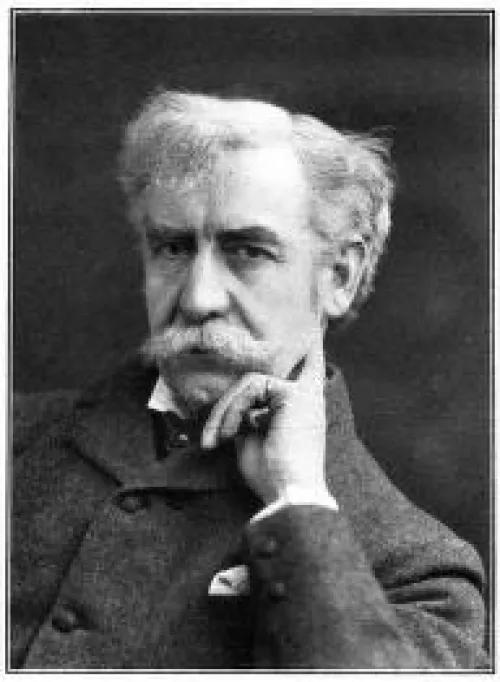
The origins of University of Michigan's neuroscience research at can be traced back to 1888, when W. J. Herdman was appointed Professor of Practical Anatomy and Diseases of the Nervous System, a title that was soon amended to Professor of Diseases of the Mind and Nervous System.
In 1906, separate departments of Psychiatry and Neurology were established within the Medical School. The next half-century was marked by the advances in the emerging discipline of neuropathology and the use of electroencephalography (EEG).
1995 to present
Into the New Century
The breadth of collaboration within the MHRI’s expanded focus continues at the dawn of the 21st century, driving advances ranging from genetic and molecular to behavioral and clinical.
Appointed in 1995, the leadership team of Drs. Huda Akil and Stanley J. Watson, Jr. guided MNI forward, emphasizing building new structures and teams to support basic and translational studies in the age of neuro-genomics and neuro-informatics.
Two important developments impacted the Institute during this period. One strengthened its intramural impact, while the other significantly raised its national profile.
First, a greater number of secondary faculty appointments improved the link between the Institute, the UM Medical School’s clinical and basic science departments, and the UM College of Literature, Sciences, and the Arts.
Second, MHRI leadership played a pivotal role in establishing the Pritzker Neuropsychiatric Research Consortium.
In 2005, when the Institute celebrated its 50th anniversary, the Regents of the University of Michigan changed its name to the Molecular and Behavioral Neuroscience Institute (MBNI) to better reflect the evolution of its collaborative research mission and its cornerstone research in neural organization and signaling and the dynamically changing brain across the lifespan.
This marked the first time a university research unit used the term ‘neuroscience’ in its name. The term, believed to have been first coined at U-M by Ralph Waldo Gerard, underscores a commitment to linking the molecular and behavioral aspects of brain research.
Neuroscience is highly interdisciplinary and requires approaches ranging from molecular mechanisms to behavioral and social analyses. It demands state-of-the-art technologies, novel tools, and computational and imaging power.
The MBNI served for over 60 years as one of the key nodes of neuroscience research on campus, with seminal contributions to neuroscience, distinguished national and international leadership, and important partnerships both within Michigan Medicine and across colleges. Yet, over time, it became clear that a campus like the University of Michigan - which combines schools and colleges that span all levels of human knowledge - presents a unique setting for addressing the needs of a powerful and far-reaching neuroscience initiative. The Institute and our colleagues in U-M’s greater neuroscience community have made innumerable seminal contributions to the field. Today, the depth and breadth of neuroscience research and training at Michigan can currently be found in seven different schools and colleges, 27 departments, and 15 institutes and centers.
To that end, the UM Medical School Leadership sought to re-invest, coalesce, and unite the large neuroscience community across the University. The initial step toward developing a robust, cross-campus neuroscience institute began on December 5th, 2019, with the UM Board of Regents approving a new, more encompassing name for the Institute, the Michigan Neuroscience Institute (MNI). Drs. Akil and Watson served as the co-Directors from January 2020 - 2021.
The MNI harnesses those highly interdisciplinary collaborations, creating new synergies, enabling groundbreaking discoveries, and enhancing Michigan Neuroscience’s visibility and impact.
2023-present

Ravi Allada, M.D.
Executive Director, Michigan Neuroscience Institute (MNI)
Theophile Raphael, M.D., Collegiate Professor of Neurosciences
Dr. Ravi Allada joined the Michigan Neuroscience Institute on September 1, 2023, as the institute's new Executive Director. He comes to MNI from Northwestern University, where Dr. Allada served as Professor and Chair of the Department of Neurobiology, Professor in the Department of Pathology, and Associate Director of the Center for Sleep and Circadian Biology for 23 years.
MNI's Journey: Past, Present, and Beyond
After MNI welcomed current Executive Director Ravi Allada, MD, in 2023, the new leader expanded the institute's mission:
The Michigan Neuroscience Institute is a cross- campus institute that catalyzes interdisciplinary neuroscience research across labs, departments and schools at the University of Michigan. Our mission is to leverage advances across all fields of science and engineering to solve the mysteries of the brain, advance human health, and address society’s challenges.
The human brain is arguably the most sophisticated information processing device in nature. It forms the basis of our emotions like love and hate, how we still remember events from our childhood and the basis of traits like intelligence and creativity. The study of the brain is really about the study of who we are. Diseases of the brain touch virtually every family—the problems of suicide, gun violence, and mental illness, the opioid crisis and substance abuse, dementia and neurodegenerative disease.
The brain is the by far the most complex organ in our bodies with roughly 100 billion neurons and 1000 trillion synaptic connections. The complexity remains a major barrier to both understanding healthy function but also to solve diseases of the brain. Solving problems on this scale will require unprecedented collaboration among scientists and engineers across many disciplines.
Neuroscience is undergoing a revolution with innovative technologies to monitor and manipulate at the resolution of single genes, at spatial resolution of a width of a human hair, and the temporal resolution of a thousandth of a second. And to do this across entire nervous systems while an animal is perceiving, thinking and acting.
These approaches are generating massive amounts of data far beyond the capacity of traditional methods to analyze. This has created a critical need for advancements in computational neuroscience, data science, and artificial intelligence to interpret these complex datasets. At the Michigan Neuroscience Institute, researchers are working at the forefront of this revolution, utilizing cutting-edge technology and innovative approaches to unlock the mysteries of the brain.
The integration of disciplines such as biology, engineering, psychology, and computational sciences is key to this effort. By leveraging expertise from diverse fields, the institute aims to drive breakthroughs in understanding how the brain functions in health and disease. This, in turn, can lead to new treatments for neurological and psychiatric conditions that affect millions worldwide.
The Michigan Neuroscience Institute is committed to training the next generation of scientists, fostering collaborations across departments and schools, and sharing discoveries that will ultimately enhance human health and well-being. Through interdisciplinary research and collaboration, the institute is poised to make transformative impacts on neuroscience and medicine.
2021-23

Henry Paulson, M.D., Ph.D.
Henry L. Paulson is the Interim Co-Director and Research Professor of the Michigan Neuroscience Institute and the Lucile Groff Professor of Neurology. He also directs the Michigan Alzheimer’s Disease Research Center (ADRC) and co-directs the U-M Protein Folding Diseases Initiative.
Dr. Paulson’s medical degree and doctorate in Cell Biology are from Yale University. After completing a neurology residency and neurogentics/movement disorders fellowships at the University of Pennsylvania, he spent 10 years in the Neurology Department at the University of Iowa. Dr. Paulson joined the U-M faculty in 2007.
Dr. Paulson's research and clinical interests concern the causes and treatment of age-related neurodegenerative diseases, with an emphasis on polyglutamine diseases, Alzheimer's disease and frontotemporal dementia. In 1997, his lab described abnormal protein aggregates in the polyglutamine diseases, which now are recognized as a pathological hallmark in this important class of inherited diseases. Using test tube, cell-based and animal models, he has contributed to advances in the understanding of various neurodegenerative diseases. His lab also has helped pioneer the use of gene silencing methods as potential therapy for the many neurological disorders caused by toxic mutant genes.

Shelly B. Flagel, Ph.D.
Shelly Flagel served as MNI's Interim Co-Director from 2021-23 along with Hank Paulson. She is an MNI Research Professor with appointments as a Professor of Psychiatry and an Adjunct Professor of Psychology. Dr. Flagel is a proud alumnus of the University of Michigan, having earned her B.S. in Biopsychology here, and her Ph.D. from the Neuroscience Graduate Program.
Dr. Flagel’s research focuses on understanding the psychological and neurobiological factors that contribute to individual differences in reward learning and susceptibility to addiction. Her work has identified key mechanisms and circuits that render some individuals more vulnerable to addiction. Ongoing research in the Flagel Lab aims elucidate the neural processes that contribute to maladaptive behaviors characteristic of psychiatric symptomatology. Animal models are used in conjunction with human subjects in hopes of identifying novel targets for the treatment of psychiatric conditions.
1995 - 2021

Stanley J. Watson, Jr., M.D., Ph.D.
Both a basic neuroanatomist and a board-certified psychiatrist, Watson was a Co-Director and Research Professor of the MNI and the Ralph Waldo Gerard Professor of Neurosciences in the U-M Department of Psychiatry. He made numerous significant contributions to our understanding of functional and molecular neuroanatomy and the synthesis of neuroanatomy and molecular neurobiology.
The Watson laboratory has generated tools and strategies for more sophisticated studies of brain function in well-defined circuits, including the anatomy and regulation of specific genes in emotional and motivated behavior. For example, Watson was part of the team that developed in situ hybridization, a technique used to study changes in gene expression and regulation in brain circuits coinciding with behaviors – now a standard tool in neuroscience labs.

Huda Akil, Ph.D.
Huda Akil, Ph.D. is a Co-Director and Research Professor of the MNI and the Gardner C. Quarton Distinguished University Professor of Neurosciences in the U-M Department of Psychiatry. Her laboratory focuses on understanding the neurobiology of emotions, including pain, anxiety, depression and substance abuse. Critical discoveries in the Akil lab have advanced our understanding of the role of endorphins in modulating pain and stress, and of the interplay between addiction and the neurobiology of mood.
Akil’s research portfolio is at the same time both basic and highly translational. For example, her groundbreaking studies of the role of endorphins and endorphin receptors in pain and stress responsiveness provided the first physiological evidence of the role of endogenous opioids in the brain. This work demonstrated that endorphins are activated by stress, and that they cause pain inhibition, a phenomenon her lab termed Stress-Induced Analgesia.
A major focus of her current research is the development of animal models to understand the genetic and developmental bases of differences in temperament, and the implications of these inborn differences for anxiety, depression and substance abuse.
Late 1960s to mid-1990s
Managing Growth and Refining Focus
MHRI’s early leaders adopted the broadest possible definition of the emerging discipline of neuroscience – a term coined at U-M during this era but not yet widely used. Participating faculty were encouraged to explore a wide range of basic and clinical research topics, from logic and games theory to molecular biology to memory research to neuroplasticity.
While this approach mirrored the complexity of the brain itself, it proved a difficult model to sustain, resulting in an organization one faculty remembered as “rather disjointed because of its very breadth.”
In response, greater effort was devoted to making the MHRI a more focused and cohesive unit, concentrating more intentionally on the interface of neurobiology and psychiatry. Recruiting and connecting the right mix of basic and clinical researchers to support this strategy would be a primary goal over the next two decades.
Two legendary scientists led MHRI through this period of evolution in mission and marked growth in faculty.
Gardner Quarton, M.D.
Psychiatrist Gardner Quarton, M.D., was recruited in 1968 from an influential Boston-based neuroscience research group to serve as MHRI’s second director, a position he would hold until 1983. Warmly referred to as “Q”, Quarton pursued a wide range of behavioral and biological studies, making him well-suited to recruit and mentor MHRI’s growing mix of basic and clinical faculty investigators.

Bernard W. Agranoff, M.D.
Bernard W. Agranoff, M.D., who joined the faculty in 1960, served as MHRI’s third director from 1983 to 1995. Agranoff is known for his groundbreaking and now classic work on the biochemical basis of memory and learning, as well as for advancing our knowledge of the basic mechanisms of nerve regeneration and aging. He served as editor of the still-published journal Basic Neurochemistry for its first six editions.
During Agranoff’s tenure, translational research in biological psychiatry was emphasized, as were emerging technologies in animal and human brain imaging.
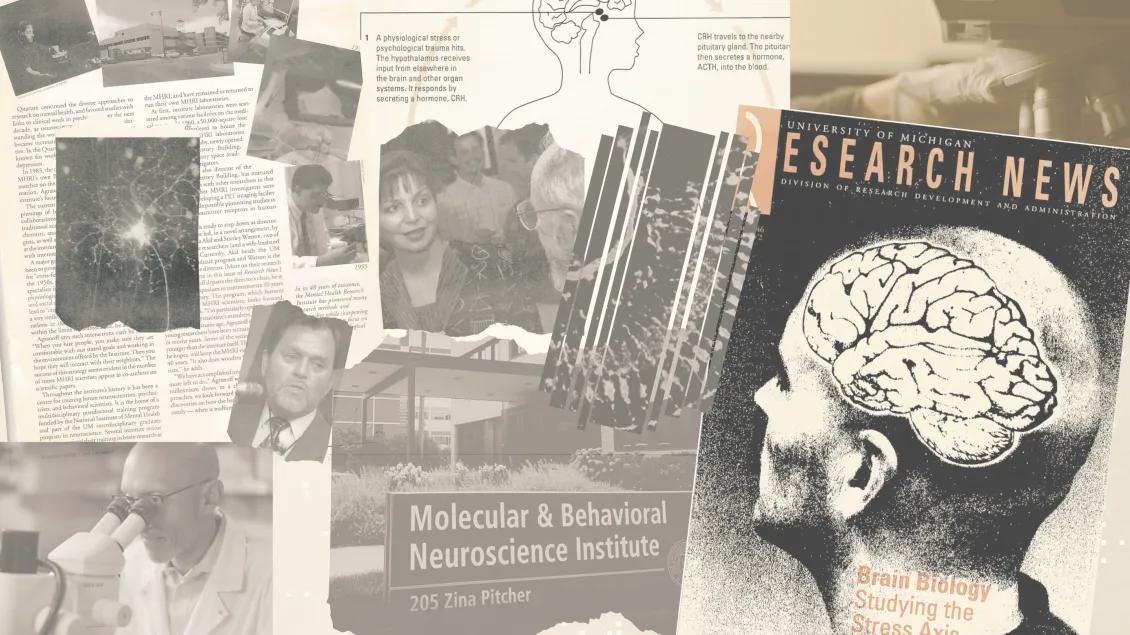
U-M Research News magazine featuring MHRI (1995 - Vol. 46, No. 3)
Mid-1950s to late 1960s
Applying Basic Science Fundamentals to Brain Research
The year 1955 marked a global watershed in efforts to understand and respond to the public health, social, and economic consequences of mental illness. National census data from that year projected that nearly 560,000 people in the U.S were hospitalized with mental illness, accounting for more than half of U.S. hospital bed capacity.
While mental illness was widely recognized as both an emotional and a physical problem, medical professionals struggled to understand and explain its biological roots, and policymakers struggled to develop effective responses to the needs of the mentally ill.
At the federal level, the enactment of the 1955 Mental Health Study Act established the Joint Commission on Mental Illness and Health to “review, investigate and accredit mental health agencies and providers to ensure that the mentally ill are receiving adequate care and treatment.”
Legislators in Michigan took a complementary approach, supporting scientific efforts to understand what one lawmaker described as “the poignant problem of the mentally ill.” A unique partnership was formed with the University of Michigan to launch the regental-approved Mental Health Research Institute (MHRI), one of the nation’s first programs to coordinate basic research into brain function and dysfunction.
Credit for imagining and realizing MHRI’s unique vision is due largely to Raymond Waggoner, M.D., then chair of the U-M Department of Psychiatry. Waggoner convinced Michigan legislators to establish the MHRI at the University of Michigan and fund the Institute as a line item in the state budget. Additionally, a building to house the Institute was constructed with federal public health funds.
Interdisciplinary collaboration is common today, but at that time it was unprecedented. The Institute would bring together psychologists, psychiatrists, biochemists, anatomists, physiologists, pharmacologists, geneticists, social scientists, law faculty, and clinical investigators to conduct basic and applied research within the broadly defined problem of mental illness, while also educating students and advising the state legislature.
Though our name has changed several times since the UM Regents officially launched the MHRI, and our scientific resources and mission have grown to include nerve regenerative research and bioinformatics, our vision continues to inform our work: that rigorous basic research can enhance our fundamental knowledge of how the brain works, and drive evidence-based solutions to psychiatric problems.
With the goal of coordinating faculty collaboration across multiple University units and schools, a trio of the nation’s preeminent mental health researchers were recruited to U-M to lead the new MHRI.
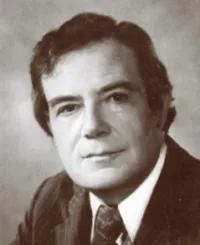
James Grier Miller, M.D. Ph.D., former chair of the department of psychology at the University of Chicago, served as MHRI Director from 1955 to 1967. A psychiatrist interested in behavioral sciences and general systems theory, Miller played a pivotal role in establishing the first inter-university computer communication network to support educational and research efforts. The network evolved into Merit Network Inc, the longest running regional computer network in the U.S.
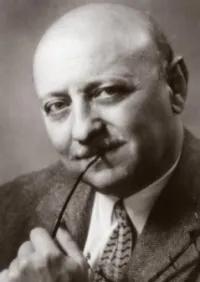
Ralph Waldo Gerard, M.D., Ph.D.,was named MHRI’s first Director of Laboratories. Gerard, who has been called the ‘father of neuroscience’ in part because he is credited with coining the term ‘neuroscience’, was one of the era’s preeminent neurophysiologists. His many contributions to the field include:
The invention of the microelectrode, making possible the first measurements of electrical properties of muscle and nerve cells; a major study of the biological basis of schizophrenia; the use of computers to correlate multiple lab findings ‘without prejudice’; and basic and clinical studies of memory formation.

Anatol Rapoport, Ph.D., was MHRI’s third founding member. A ‘mathematical psychologist’ intrigued by game theory, Rapoport influenced many colleagues into applying mathematical approaches to behavioral and social problems. In many ways his work foreshadowed today’s focus on integrating neuroscience with “Big Data” to understand neural function and the biological roots of behavior.
Ahead of their time, this trio pioneered the study and application of complex systems theory and facilitated cross-campus collaborations that advanced concepts as diverse as lipid biochemistry, game theory and social behavior during war.
Passing the Torch
The name has changed over the past 25 years, but their leadership in neuroscience has remained steady.
During a quarter century of outstanding leadership — including two name changes to the unit they directed together — Huda Akil, Ph.D., and Stanley J. Watson, M.D., Ph.D., successfully led the Medical School’s contributions to the field of neuroscience.
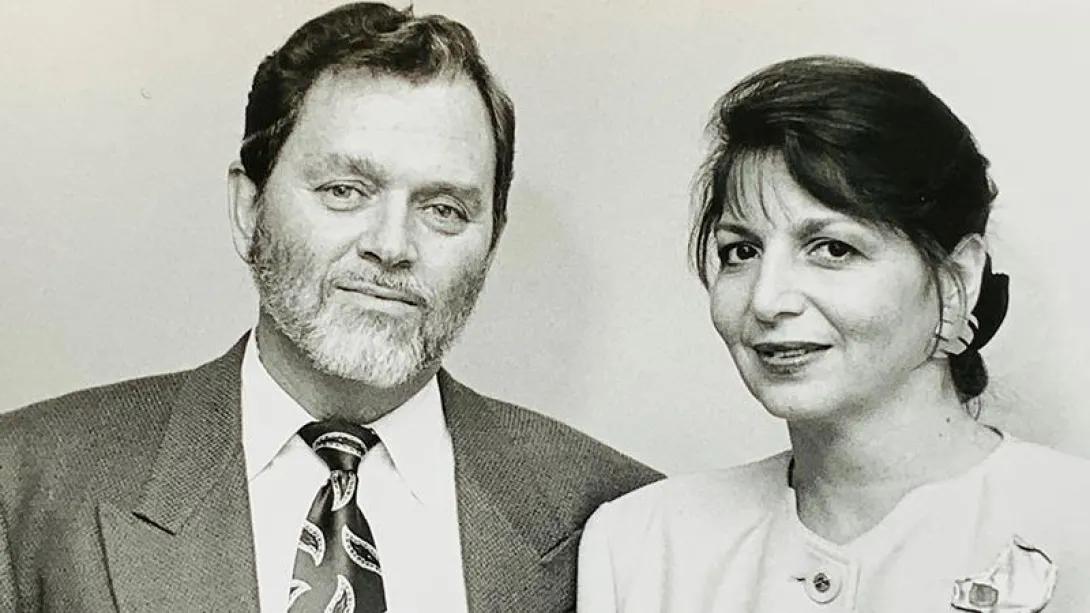
During a quarter century of outstanding leadership — including two name changes to the unit they directed together — Huda Akil, Ph.D., and Stanley J. Watson, M.D., Ph.D., successfully led the Medical School’s contributions to the field of neuroscience as co-directors of the Molecular and Behavioral Neuroscience Institute (MBNI).
In 2020, the MBNI was reimagined as the Michigan Neuroscience Institute (MNI). On March 1, 2021 Akil and Watson will hand over the reins of the institute to Henry L. Paulson, M.D., Ph.D., and Shelly B. Flagel, Ph.D., who were approved as interim directors by the U-M Board of Regents on Feb. 18, 2021.
Akil and Watson remain active faculty in the Medical School and will continue to lead vigorous research programs while contributing to U-M’s scholarship in neuroscience. They continue a partnership that started in 1978 when both joined the U-M faculty as assistant professors of psychiatry. They followed a familiar path to associate professors in 1981 and professors in 1987. In 1995, they were appointed co-directors of the Mental Health Research Institute (MHRI).
A decade later, they shepherded the institute through a transition when, during its 50th anniversary as the MHRI in 2005, the unit was renamed MBNI — a change that underscored the institute’s commitment to fundamental research in brain biology, as well as its translational mission. Fifteen years later, the name has changed again, to MNI, but their leadership remained steady.
During the Akil-Watson directorship, the institute created a strong and dynamic community of neuroscientists focusing on both basic and translational neuroscience. They successfully partnered with several departments in Michigan Medicine and LSA to recruit outstanding faculty who develop and use state-of-the-art tools to address brain biology and function in health and disease.
The MBNI/MNI also is a key node of the Pritzker Neuropsychiatric Research Consortium, a national collaboration aimed at understanding the brain biology of major psychiatric disorders. In addition, the institute has promoted neuroscience more broadly on campus, with multiple members serving as directors or associate directors of the Neuroscience Graduate Program. Over the years, the institute established and hosted the Kavli Neuroscience Innovators Program, a forum of young investigators from across campus fostering mutual support, innovation and collaboration amongst the rising stars in Michigan neuroscience.
While successfully leading the institute for more than two decades, Watson and Akil have made seminal scientific contributions to their field.
Watson is the Ralph W. Gerard Professor of Neuroscience in Psychiatry. He is a psychiatrist and internationally renowned neurobiologist. He has pioneered the use of functional neuroanatomical approaches to define the expression and regulation of neural circuits relevant to stress, pain, addiction and depression. He and his colleagues developed the method of in situ hybridization for studying localization and regulation of neurally expressed genes, a tool now part of the repertoire of most neuroscience laboratories. His recent work focuses on human functional neuroanatomy and the discovery of new molecules relevant to severe psychiatric disorders. He also has made key contributions to health policy issues, particularly in relation to medical marijuana. He has received numerous honors and awards including the prestigious Sarnat Award from the Institute of Medicine and his election to the National Academy of Medicine (NAM).
Akil is the Gardner Quarton Distinguished University Professor of Neuroscience and Psychiatry. She and her colleagues have advanced the understanding of the brain biology of emotions, including pain, anxiety, depression and substance abuse. She provided the first physiological evidence for a role of endorphins in the brain, and showed that endorphins are activated by stress and cause pain inhibition. Her current research investigates the genetic and neural mechanisms underlying addiction and mood disorders. Her contributions have been recognized with numerous honors and awards, including election to NAM, the National Academy of Sciences and the American Academy of Arts and Sciences.
“It has been a great honor for us to co-direct this institute for a quarter of a century,” said Akil and Watson. “Our field has come of age during that period, with spectacular advances in the brain sciences coupled with an appreciation of the crushing burden of brain-related disorders. We are therefore extremely thankful to the administration for their strong commitment to both basic and translational neuroscience and to a broader vision of the role of the MNI in enhancing the integration of neuroscience across campus.
“We are especially grateful to Drs. Paulson and Flagel for their willingness to lead the MNI during this critical transition. They are the ideal team for sharpening this vision and laying the groundwork for an exciting future for neuroscience at the University of Michigan.”
