
Research
Bipolar Research
Conducting research in bipolar disorder since 2004.
Predicting Outcomes and Preventing Disease
The Heinz C. Prechter Bipolar Research Program is helping to lay the new foundation of medical research. The program brings together national collaborators, thereby creating larger sample sizes to be made available to scientists around the world. It is increasingly apparent that a detailed longitudinal course of study is necessary to understand the underpinnings of bipolar disorder. Understanding how the interactions between individual and their environment result in the manifestation of bipolar disorder is pivotal to the development of novel treatment strategies.
There are so many questions to be asked and answered. Why do some people prosper despite having bipolar? Why do so many die by suicide? Why are heart disease, migraines, and obesity so prevalent among people with bipolar? How can we inform the field of medicine with our research in bipolar?
The Prechter Program research team is interested in exploring these questions, and more, through our research studies.
Research Projects
Our flagship and primary research study is our Prechter Longitudinal Study of Bipolar Disorder (PLS-BD). Nearly all of our studies stem from the PLS-BD.
The strengths and passions of our research team are vast, matched only by the dedication of our Longitudinal Study of Bipolar Disorder research participants, and the generous support of our donors.
If you are interested in participating in Prechter Program research studies, contact us at:
877-864-3637 toll-free
877-UM-GENES
[email protected]
I feel privileged to have been a participant in the Longitudinal Study of Bipolar Disorder. If the data collected from my responses results in beneficial diagnostic, treatment, or support data, then I truly believe that my time and efforts have been well spent.
Explore Research Projects

ARTEMIS
The ARTEMIS study aims to learn how small changes in everyday life might signal suicide risk.
Brain Network and Cognition
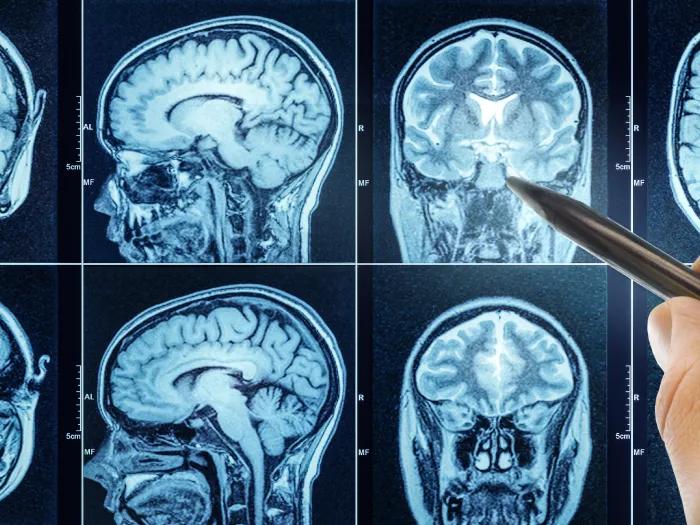
The largest neuroimaging dataset on bipolar disorder.
Longitudinal Study of Bipolar Disorder
The largest long-term research study for bipolar disorder in the nation

PRIORI Ambient
Creating a new passive speech-centered emotion sensing technology
Breakthrough Discoveries for Thriving with Bipolar Disorder
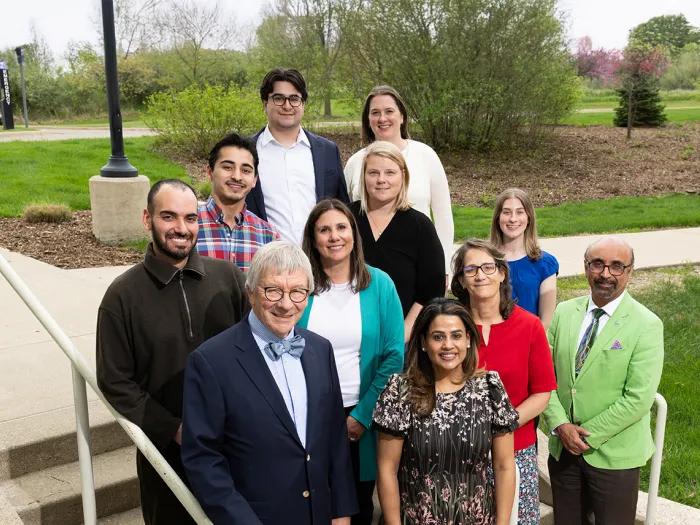
A longitudinal cohort study to explore how genetics and biomarkers are impacted by bipolar disorder and its treatment

Better Sleep for Bipolar Disorder
Research study looking at treatments for delayed sleepwake phase disorder in adults with bipolar disorder
Our Research Focus Areas
Bipolar disorder affects millions of individuals across their lifespan and therefore must be studied longitudinally (over the course of decades). Bipolar disorder is known to run in families, but most genes involved have not yet been identified. Additionally, every individual’s response to the illness, life circumstances, and treatment can vary widely. Studying many individuals over time will allow scientists to better understand how to treat and, eventually, prevent bipolar disorder.
Over 20 years of data from our Longitudinal Study are available for research to the scientific community. The Longitudinal Study of Bipolar Disorder, which is the Prechter Program’s flagship project, has enrolled over 1,500 individuals. From these participants, billions of data points have been generated through biological samples (DNA), neuropsychological testing, clinical interviews, bi-monthly follow-ups, and innovative monitoring using mobile devices.
Participants collaborate with the research team in additional studies that have resulted in the acquisition of several big data sets in cell biology, sleep, nutrition, physiology, and genetics.
Learn more about the Longitudinal Study of Bipolar Disorder.
No one genetic change, or chemical imbalance, or life event, lies at the heart of bipolar disorder. Rather, every patient’s experience with the disorder varies from that of others with the condition. But all of their experiences include features that fall into seven classes of phenotypes, or characteristics that can be observed, as the Prechter research team reported in a 2018 paper in the International Journal of Epidemiology.
Our team collected and analyzed tens of thousands of data points about the genetics, emotions, life experiences, medical histories, motivations, diets, temperaments, sleep patterns and thought patterns of our research volunteers. Using those findings, we developed a framework for researchers studying the condition, clinical teams treating it, and patients experiencing it. This framework provides a common structure to use during studies, treatment decisions and more.
Our research finds that bipolar disorder has many causes. Although bipolar disorder tends to run in families, no one gene causes or explains it. Everyone’s experience with bipolar disorder is unique. But all experiences include features that fall into the following seven classes of observable characteristics, or phenotypes:
- DISEASE: Changes in how certain chemicals function in the brain and affect bipolar disorder.
- NEUROCOGNITIVE: Changes in thinking, reasoning, and emotion processing.
- TEMPERAMENT AND PERSONALITY: People with bipolar disorder are frequently more reactive and “temperamental” compared to the average person.
- MOTIVATED BEHAVIORS: People with bipolar disorder frequently experience substance use disorders and other behavioral patterns.
- LIFE STORY: Trauma and abuse in childhood, unfortunate life experiences and other challenges contribute to bipolar disorder in complex ways.
- SLEEP AND CIRCADIAN PATTERNS: Patterns of sleep and circadian rhythms are often different among bipolar patients, causing disruptions in daily patterns and routines.
- OUTCOMES AND COURSE OF ILLNESS: Measures of how someone’s symptoms change over time and respond to treatment.
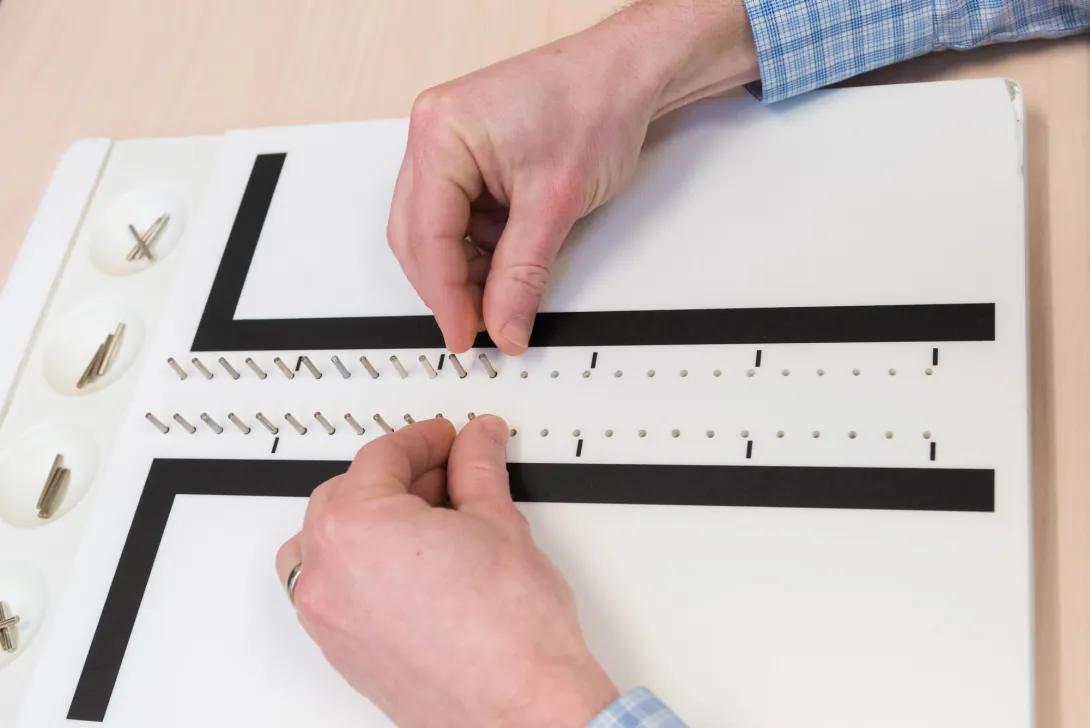
Neuropsychology is a specialty field within clinical psychology that aims to understand how behavior, emotion and cognition are influenced by brain functioning. Neuropsychology focuses on the behavioral and cognitive assessment and treatment of patients with brain injury, disease, or severe mental illness, such as bipolar disorder.
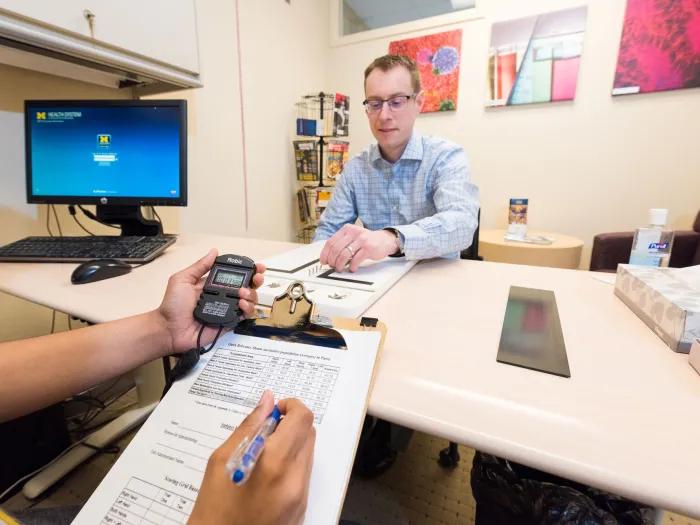
In a neuropsychological assessment, brain functioning is evaluated by objectively testing cognitive skills using numerous standardized and validated tests. Test performances are then compared to reference groups of the same age, gender, race, and educational attainment. This normative comparison helps neuropsychologists determine if individuals are performing within expectations, and provides information about cognitive strengths and weaknesses which aid in diagnosis or inform treatment planning. Performances can be compared to others with and without the illness.
In the Prechter Longitudinal Study of Bipolar Disorder, neuropsychology testing provides information about different areas and systems of the brain and how they are impacted by illness, medications, and environmental factors. Test performances can be used to predict functionality, treatment response, and illness recovery. With repeated testing, we can also follow the natural course of cognitive abilities over time in individuals with bipolar disorder.
Several cognitive areas are measured using standardized clinical and experimental neuropsychological tests:
- General intellect
- Motor skills
- Attention and concentration
- Higher-level executive skills (e.g., reasoning, problem solving)
- Learning and memory
- Emotional processing skills
Brain functioning can also be measured through electrophysiology, where we measure the levels of electrical activity across the scalp of research participants using electroencephalograms (EEG), while they perform certain cognitive tasks. The goal is to identify electrophysiological markers that can be used for diagnosing or monitoring disease process or treatments. For example, we have shown that the size of certain brain waves differs in individuals with bipolar disorder who have attempted suicide and those who have not. The difference in amplitude of these waves may represent differences in levels of impulse control.
Bipolar disorder runs in families — it is a complex genetic disorder in which the core feature is disturbance in mood ranging from extreme elation, or mania, to severe depression, usually accompanied by disturbances in thinking and behavior. Bipolar disorder, also known as manic depression, is a chronic and devastating psychiatric illness. Its causes are not yet fully understood, but genetic factors are thought to play a large role.
The Prechter Program’s goals are to discover the fundamental biological changes that cause the illness and develop new interventions to treat and prevent bipolar disorder. Researchers do this through the study of the longitudinal course of the illness in people who are diagnosed with bipolar disorder.
The Heinz C. Prechter Bipolar Research Program has one of the nations’ largest databases for bipolar genetics. Investigators are working with research teams on specific studies to collect phenotypic information, or observable traits, and DNA samples from over 1,500 bipolar individuals and control participants.
In March 2014, a team of researchers led by Sue O’Shea, Ph.D., and Melvin McInnis, M.D., published a report of the first stem cell lines (iPSC) generated from patients with bipolar disorder.
K. Sue O’Shea, Ph.D., the Crosby-Kahn Collegiate Professor of Cell and Developmental Biology and director (retired) of the University of Michigan Center for Pluripotent Stem Cell Research, is a leader in research using induced pluripotent stem cells (iPSCs) to model bipolar disorder at the cellular level. Our community’s generous philanthropy has helped Dr. O’Shea recruit some of the best and brightest in the field for this work. These experts changed how we see bipolar disorder.
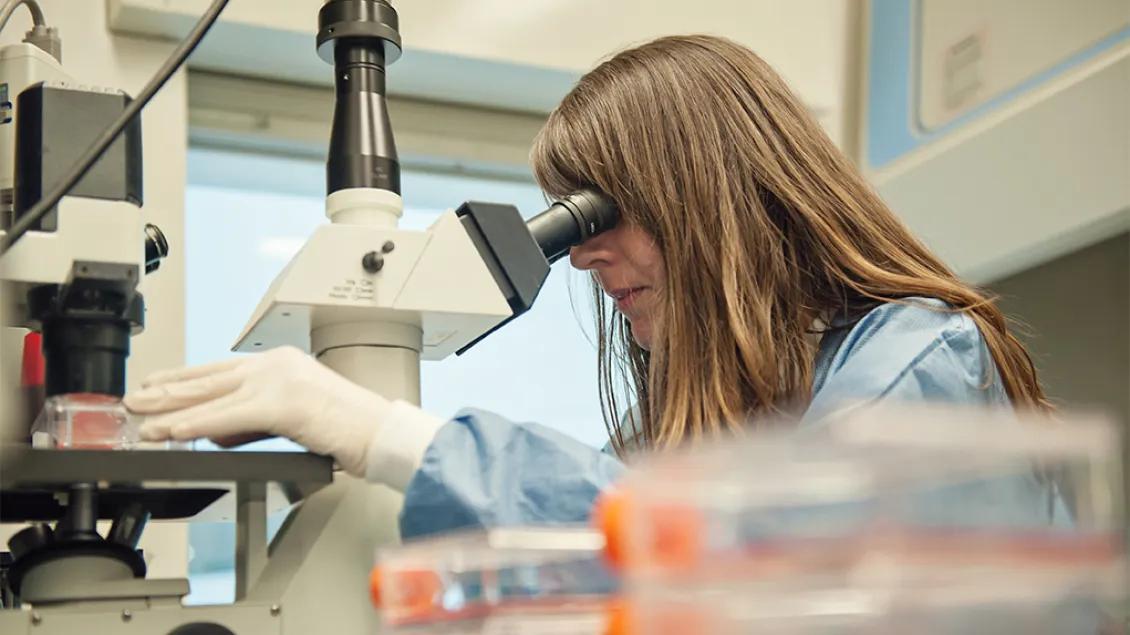
The O’Shea lab sampled skin tissue from adults living with bipolar disorder and those without. Then, after turning the skin cells to stem cells (iPSCs) in the lab, the team became the first in the world to grow brain cells from these stem cells. This allowed researchers to examine, for the first time, how brain cells derived from people with and without bipolar disorder look and behave when analyzed under a microscope. With donor support, the team was able to dig even deeper and use this “brain in a dish” model to study inhibitory and excitatory neurons and astrocytes, vital support cells in the brain.
A long held theory is that when neurons malfunction, it can contribute to bipolar disorder. In an effort to examine the differences between control neurons and bipolar neurons, the team identified a difference in the respective content of small particles called exosomes, which appear to influence the development and function of neurons. Dr. O’Shea led experiments that introduced bipolar exosomes into the medium populated with iPSC-derived brain cells from control groups. Researchers in O’Shea’s lab demonstrated that the introduced bipolar exosomes caused a reduction of the electrical activity of neurons, indicating that these particles have the potential to be a site of medical intervention, possibly leading to new treatments and a testable biomarker of bipolar disorder.
Dr. O’Shea’s lab has laid the foundation for critical knowledge of bipolar disorder and trained a new generation of thoughtful medical scientists who are tackling some of the most important questions in bipolar and mood disorder research. Dr. O’Shea retired in 2024, but her research has set the stage for work on the next frontier of bipolar cell biology.
Digital Health is a rapidly evolving field, focused on using mobile and wearable devices to improve the diagnosis, management, and prevention of adverse health conditions. The Prechter Program has been conducting research in digital health for bipolar disorder for over a decade. We are focused on using these technologies to identify early warning signs to facilitate timely interventions.
Our collaborations across the University of Michigan with the Computer Science and Engineering Division, Eisenberg Family Depression Center, the Sleep and Circadian Research Lab, Precision Health, e-Health and Artificial Intelligence (e-HAIL), and the Department of Learning Health Sciences strengthen our digital health research initiatives. These partnerships have enabled researchers to develop groundbreaking technology and lead studies looking at how digital health technologies can help improve outcomes in mental health care and treatment. Our Program's long-term goals of digital health research is to provide innovative tools that people living with bipolar disorder can use to help manage their health and well-being.
Prechter Program Digital Health Initiatives include:
- PRIORI (Predicting Individual Outcomes for Rapid Intervention), a proprietary app and set of algorithms that analyze the sound waves of speech patterns and identify changes in a person's speech to predict mood fluctuations. Our most recent study with the app is PRIORI Ambient.
- LifeGoals, a smartphone application that provides a self-paced and comprehensive evidenced-based psychoeducation program for bipolar disorder.
- A comprehensive program of research that uses smartphone and wearable devices to identify early warning signs related to mood, behavior, and sleep and circadian changes in individuals with bipolar disorder.
Research Collaborations
The following entities and institutions are currently collaborating with or have historically collaborated with researchers at the Prechter Bipolar Research Program.
If you or your team is interested in collaborating with us, please contact our research director and principal investigator, Melvin McInnis, M.D.
- College of Engineering
- College of Pharmacy
- School of Kinesiology
- School of Nursing
- School of Public Health
- School of Social Work
- Ford School of Public Policy
- Eisenberg Family Depression Center
- Frankel Cardiovascular Center
- Department of Cell and Developmental Biology
- Department of Human Genetics
- Department of Learning Health Sciences
- Department of Mathematics
- Department of Neurology
- Department of Pharmacology
- Department of Psychiatry
- Department of Psychology
- e-HAIL
- Precision Health
Worldwide partnerships with other research institutions
New ideas and points of view in research are integral to innovation. The Heinz C. Prechter Research Program (Prechter Program) values the diversity of perspectives that can be gained through international collaborations and has invited collaborators world-wide to join together to investigate areas of interest through the extensive Prechter datasets.
The overarching goals of the Prechter Program and its collaborators are to:
- Focus and accelerate advancement of worldwide research in bipolar disorder
- Create a space where research ideas can be evaluated and applied to longitudinal cohort research in large scale samples
- Provide an ontological framework to organize current knowledge and create the way forward
- Encourage multidisciplinary participation of early and senior investigators in long-lasting networks
Global Bipolar Cohort (GBC)
The GBC is a collaboration where researchers from 13 institutions in 9 countries have participated monthly in discussions since the kick-off meeting in Ann Arbor, Michigan, in October 2019. These monthly discussions have led to several manuscripts and research projects that propose a global perspective to understanding bipolar disorder. The GBC focuses on outcomes, genetics, biological mechanisms, and clinical care to understand what drives bipolar disorder. In addition, the GBC’s network of clinician-scientists understands the need for large, longitudinal, well-characterized cohorts with diverse ethnicities so results can be understood in the context of the person. The further development of this network of collaborators by integrating global datasets is key to GBC research.
Bipolar Research in Sleep and Circadian Rhythms Collaborative (BRSCr)

BRSCr is a collaboration between the Prechter Program and international investigators examining the connection between sleep difficulties and bipolar disorder mood variations. Identifying and studying the connection between sleep and moods is essential for developing treatments that improve lives. BRSCr investigates the connection between sleep and bipolar disorder via a multifactorial approach by sharing perspectives and using the Prechter Program’s longitudinal dataset gleaned from the Longitudinal Study of Bipolar Disorder.
Trauma Research In Bipolar disorder (TRIBe)
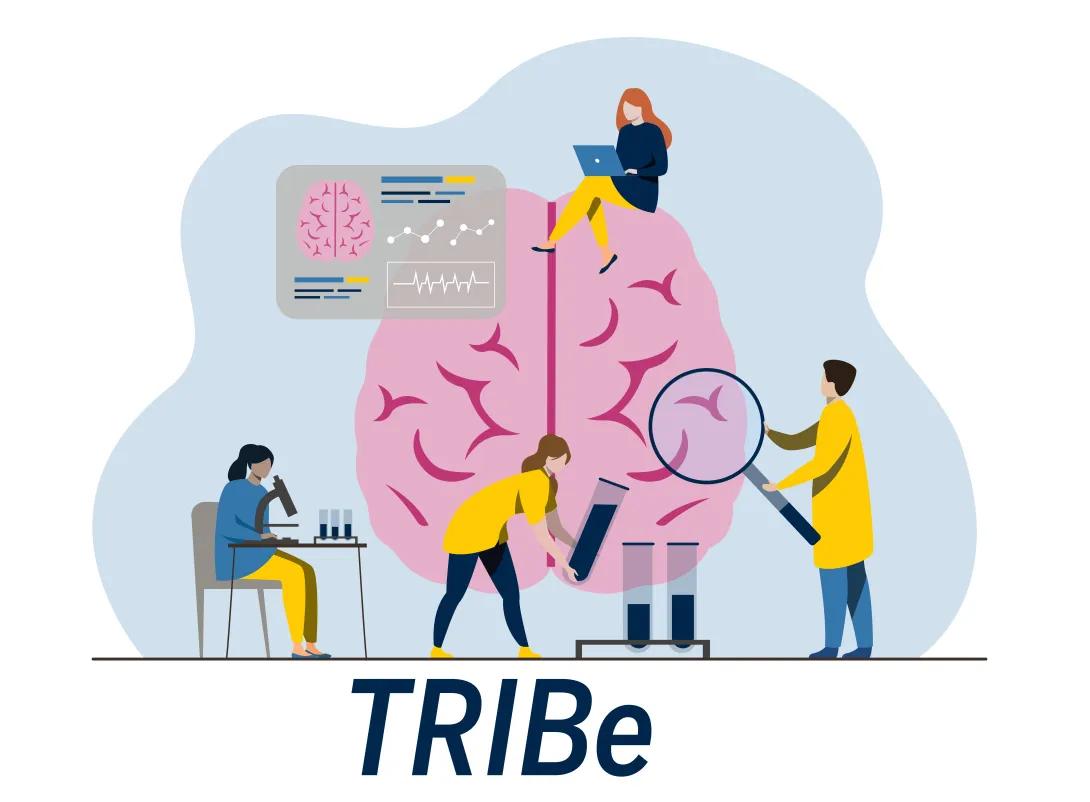
TRIBe is a group of international researchers exploring the impact of exposure to trauma in childhood or adulthood. The focus is on treatment outcomes, cognition, personality, and other medical and co-existing mental health conditions. TRIBe researchers accomplish this by using large longitudinal datasets that provide critical information highlighting the relationship between bipolar disorder and trauma.
Future Collaborations
The Prechter Program values collaboration and is always looking for ways to connect with fellow researchers worldwide. New partnerships are constantly evolving and taking shape. Once a collaboration project is named and defined, it will be listed here.
Learn more
If you are interested in joining these collaboratives or would like to learn more, please email Claudia Diaz-Byrd, global program manager, at [email protected].
- Cornell University
- Deakin University, Australia
- Johns Hopkins University*
- Penn State Hershey College of Medicine
- Stanford School of Medicine
- University of Balamand and Institute for Development, Research, Advocacy, and Applied Care (IDRAAC), Lebanon
- University of Port Harcourt
- Weill Cornell Medical College
The NNDC’s mission is to develop and foster connections among members to use the power of our network, to advance scientific discovery, and to provide stigma free, evidence-based care to patients with depressive and bipolar illnesses. The NNDC envisions a global experience that is without stigma, where all patients with depressive and bipolar illnesses receive effective treatment, and access to improved quality of life.
Contact Us
Heinz C. Prechter Bipolar Research Program
Ann Arbor, MI 48109-2700
