
Back to Research
-
AI & Machine Learning -
Applications to Complex Genetic Diseases -
4D Nucleome -
Genomics, Gene Regulation & Epigenomics -
Multi-“omics” Integrative Bioinformatics -
Protein Structure, Proteomics & Alternative Splicing -
Systems Biology & Networks Analysis -
Translational Bioinformatics, Drug Discovery & Pharmacogenomics -
Software & Bioinformatics Tools

Protein Structure, Proteomics & Alternative Splicing
DCMB faculty employ and develop experimental and informatics approaches to understand the structure, function, and interaction of proteins - which are the building blocks of biological systems, the molecular motors, switches, catalysts and transporters. We also investigate implications for human diseases when normal protein functions go awry.
- Building on traditional studies of protein structure and function, DCMB faculty use bioinformatics and proteomics approaches to predict protein structure from amino acid sequences, and predict protein function from structure
- They also use experimental approaches to measure, and use simulations and mathematical modeling to predict, protein interactions in regulatory networks (Freddolino)
- Applying our understanding of protein structure and function to clinical research, they use informatics tools, simulation and modeling to facilitate drug discovery and design
- Use proteomics and informatics tools to analyze post-translation modification and study the role of differential expression of alternative splice isoforms of proteins and transcripts in cancer-related pathways (Omenn)
- Our faculty members also develop computational methods to process and extract biological information from complex proteomic datasets (Nesvizhskii)
Associated Faculty

Kin Fai Au, PhD
Professor
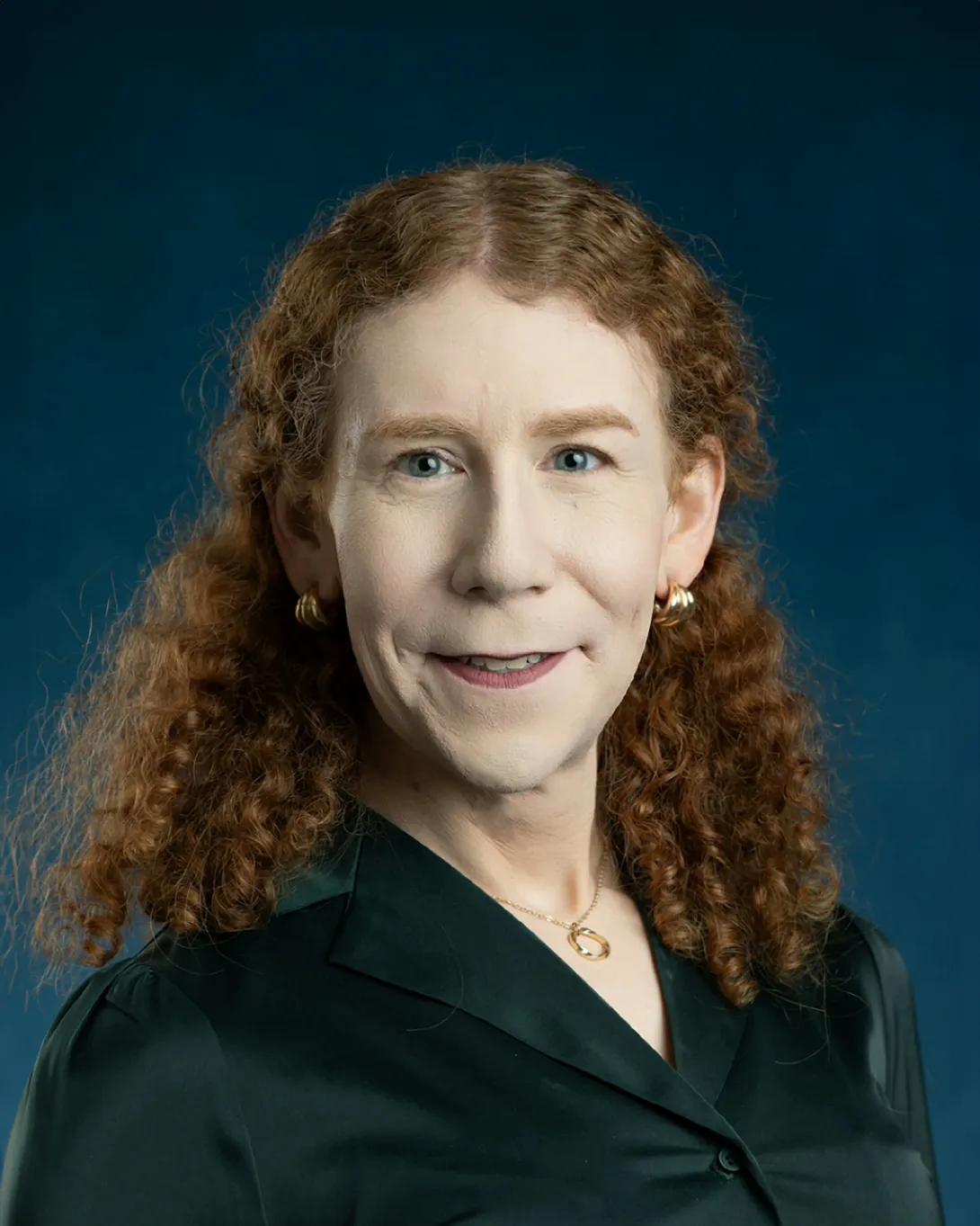
Lydia Freddolino, PhD
Professor
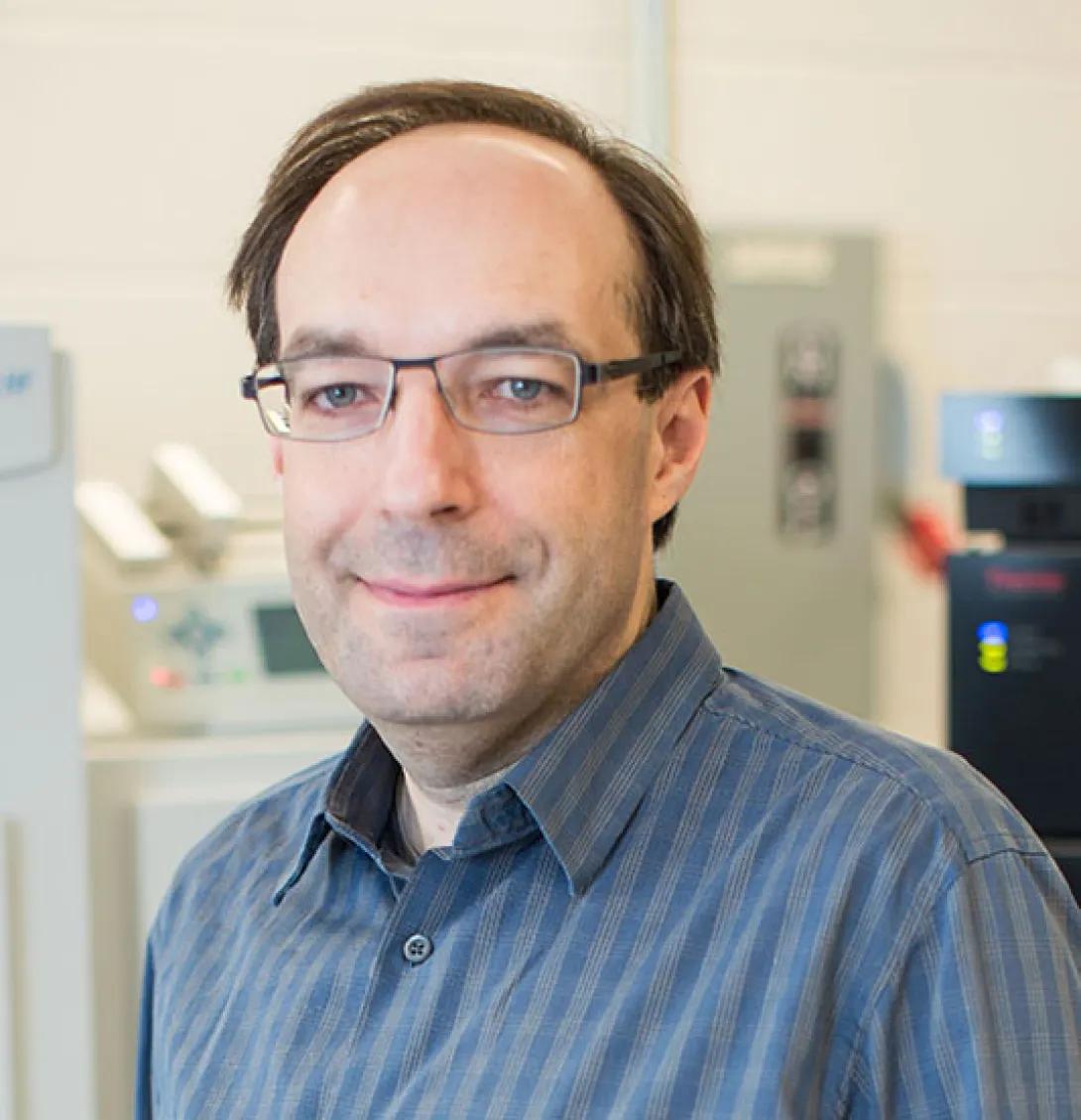
Alexey I Nesvizhskii, PhD
Professor
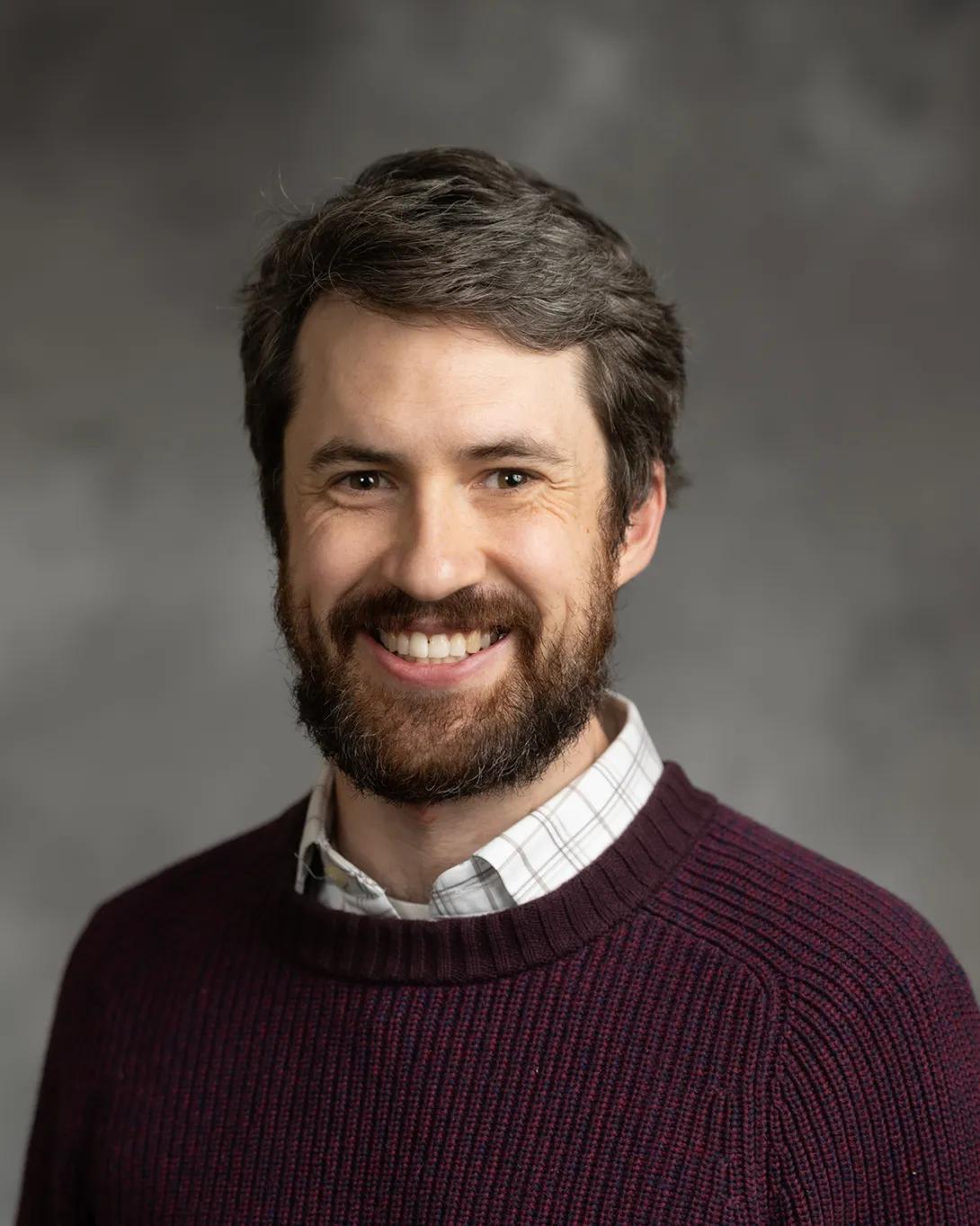
Matthew James O'Meara, PhD
Assistant Professor
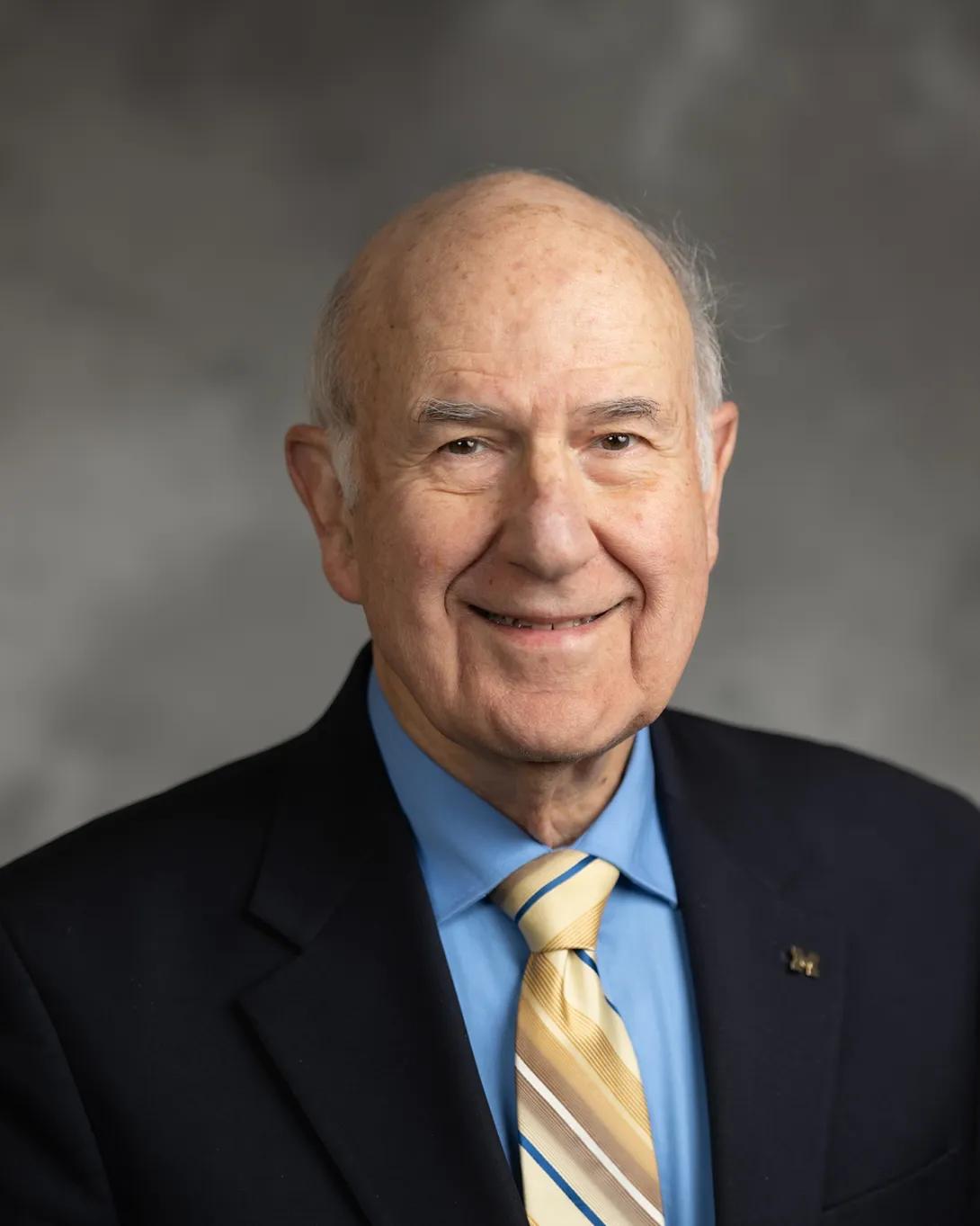
Gilbert S Omenn, MD, PhD
Professor
