Urology Resident Research
The Department of Urology at the University of Michigan Medical School is committed to advancing discovery and training the next generation of leaders in clinical research. To support this mission, we offer residents and fellows access to a dedicated, in-house study design, data, and statistical consulting service.
Led by experienced research faculty and biostatisticians, this program provides comprehensive support at every stage of the research process—from developing rigorous study designs to delivering advanced statistical analyses. In addition to technical expertise, our team offers personalized mentorship, education, and infrastructure support to help trainees transform ideas into impactful scholarship.
By combining prompt turnaround times, sophisticated methodology, and best practices in clinical research, we ensure projects are completed efficiently and to the highest scientific standards. This service not only strengthens individual research efforts but also fosters long-term collaboration across the department, enhancing both academic success and career development.
Foundations in Clinical Research
A structured, interactive curriculum taught by Aruna V. Sarma, PhD that equips residents with the essential tools to design, conduct, and critically evaluate clinical research. The program emphasizes practical application of epidemiologic and statistical principles, ensuring that trainees can frame meaningful questions, select robust methodologies, and interpret findings with rigor and confidence.
Key Features:
- Comprehensive introduction to study design, epidemiology, biostatistics, and data management
- Focus on critical appraisal of the medical literature and application to clinical practice
- Training that bridges conceptual understanding with real-world research skills
- Study Design: cross-sectional, cohort, case-control, randomized trials, systematic reviews
- Measures of Disease Frequency: incidence, prevalence, risk, rate, odds
- Measures of Association: relative risk, odds ratio, hazard ratio
- Bias and Confounding: identification, mitigation, and analytic strategies
- Effect Modification and Interaction
- Statistical Inference: p-values, confidence intervals, statistical vs. clinical significance
- Regression Methods: linear, logistic, and survival analysis fundamentals
- Sample Size and Power Considerations
- Data Management and Quality Control
- Critical Appraisal Frameworks: assessing validity, generalizability, and clinical relevance
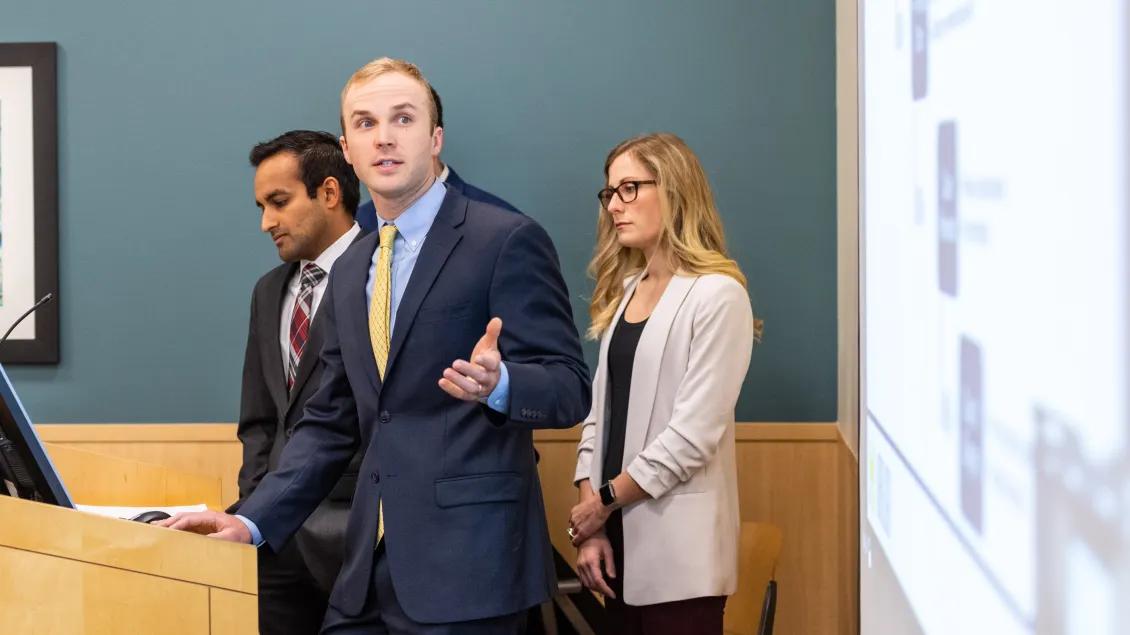
This foundational training is reinforced through mandatory participation in the Annual Resident Research Symposium, where residents present their own projects and apply the concepts learned. The symposium highlights resident-led research, fosters scholarly discussion, and provides opportunities for feedback from faculty mentors, ensuring that skills translate directly into practice.
Annual Resident Research Symposium
A hallmark annual event is held every spring that highlights the scholarly contributions of every resident in the program. Residents present their original research to faculty, peers, and two invited established research scientists from outside the department that are invited to deliver keynote lectures and to serve as judges. One resident each year is awarded the Julian Wan, MD Research Award. This event fosters a culture of scientific exchange and recognition. The symposium not only celebrates achievement but also prepares residents for presentations at regional and national meetings, strengthening their academic visibility and career trajectory.
- Keynote Speakers and Guest Judges: Julie Bynum, MD and Jay Raman, MD
- 1st Prize Winner: Ben Pockros, MD
- Keynote Speakers and Guest Judges: Robert Siemens, MD and Srijan Sen, MD, PhD
- 1st Prize Winner: Alex Zhu, MD
- Keynote Speakers and Guest Judges: Julie Lumeng, MD
- 1st Prize Winner: Cathy Nam, MD
- Keynote Speakers and Guest Judges: Kathleen Collins, MD, PhD and Carolyn Best, PhD
- 1st Prize Winner: Bobby Wang, MD
- Keynote Speakers and Guest Judges: John Z. Ayanian, MD, MPP, George Mashour, MD, PhD, and Julian Wan, MD
- 1st Prize Winner: Scott Hawken, MD
Program of Education in Basic & Translational Research (EBTR)
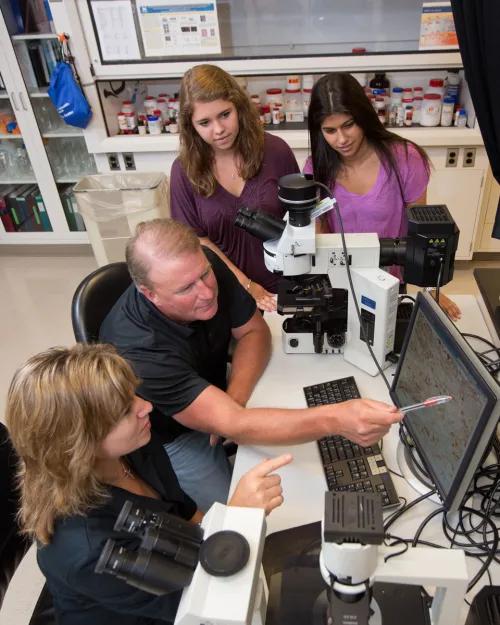
Led by Dr. Mark Day, the Department of Urology has launched the EBTR program with the goal of educating and assisting young urologic scientists in the translational application of molecular and cellular biology in urological disease and assist urology trainees in the preparation of competitive grant applications.
Objectives:
- Delivering lectures on scientific research techniques used in tumor biology, molecular biology, cellular biology and their relevance to urological disease.
- Hosting journal clubs focused on basic/translational sciences in urology or other areas of clinical application.
- Coordinating a research proposal boot camp for Urology faculty who are within a year of submitting a large grant application (R01 or equivalent) focusing on highly developed research projects
- Meetings to discuss aspects of writing and submitting a competitive application with the goal of having completed an application at the end of one year (or less).
- Facilitating a faculty/fellow workshop on how to be an effective grant reviewer.
- Deliver a lecture on research ethics and integrity.
- Serving on mentorship teams for individual residents/fellows and junior faculty pursuing basic science/translational research, health services research or clinical research.
- Advise on the preparation of scientific manuscripts and presentations for all trainees and junior faculty, if so desired.
The Urology Incubator Lab
The purpose of the Urology Incubator Lab is to facilitate technical scientific work by residents in clinical training. Projects must include at least one faculty mentor (Urology or non-Urology), and results can inspire future resident projects. The typical study timeline is 12 months or less.
Projects up to $10,000 are eligible for funding.
- Who Can Apply: PGY-2 urology residents and higher with a faculty mentor. (Fellows are not eligible.)
- Application Process: Submit a 1-page Aims Page/Research Plan with a separate budget.
- Project Timeline: Durations of 3, 6, and 12 months will be considered.
- Submission Deadline: None; continuous submission is allowed.
- Project Encouragement: Translational/correlative science and health services research projects encouraged
- Funding Examples:
- Correlative Science: Construction/staining of tissue microarray, simple cell line studies (conducted by translational labs)
- Health Services Research (HSR): Data acquisition, analytic support programming help
Program Leadership
J Quentin Clemens, MD, FACS, MSCI
Urology Associate Chair for Research
Urogynecology & Reconstructive Pelvic Surgery (URPS) Fellowship Director
Medical School
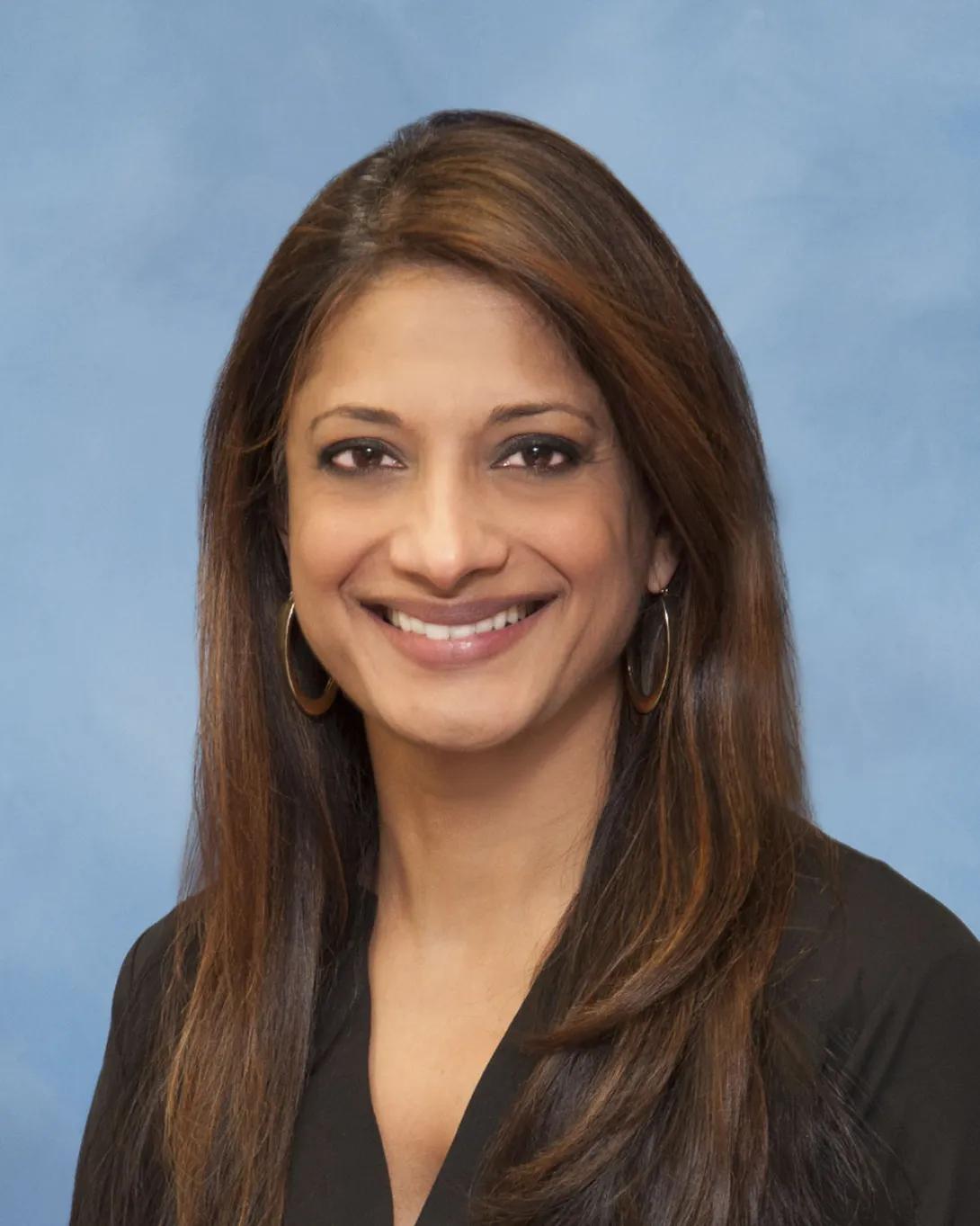
Aruna V Sarma, PhD, MHSA
Urology Health Services Research Division Co-Chief
Medical School Assistant Dean for Research Faculty
Research Professor of Epidemiology
Medical School