-
Research -
Patient Care -
Education -
People -
Shared Resources -
Cancer Data Science -
Cell & Tissue Imaging -
Epigenetics & Epigenomics -
Experimental Irradiation -
Flow Cytometry -
Health Communications -
Immune Monitoring -
Liquid Biopsy -
Pharmacokinetics -
Preclinical Molecular Imaging -
Protoemics Resource Facility -
Single Cell Spatial Analysis -
Structure & Drug Screening -
Tissue & Molecular Pathology -
Transgenic Animal Models
-
-
About -
Forbes Institute for Cancer Discovery
Forbes Institute for Cancer Discovery
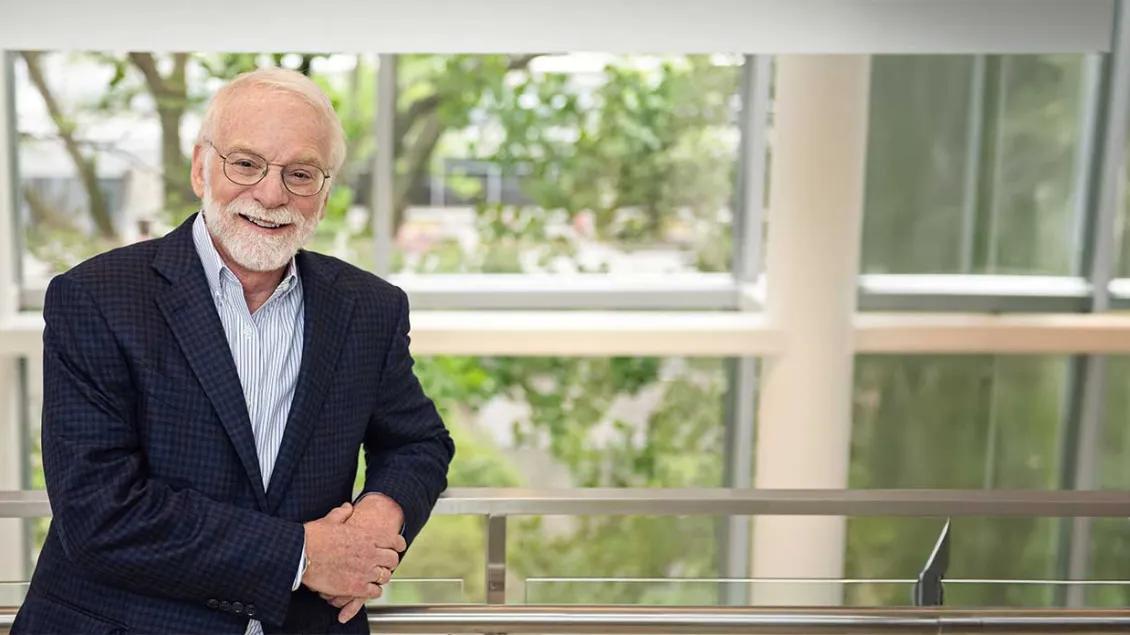
The end of cancer begins here
The Forbes Institute for Cancer Discovery empowers scientists across U-M to pursue high-risk, high-reward projects with the potential to advance research from the laboratory to the clinic. By providing bold, cross-departmental funding opportunities, we are fueling new and innovative approaches to prevention, early diagnosis, and treatment of cancer.
Founded by Sidney and Madeline Forbes, long-time Detroit-area philanthropists, the institute was launched in 2016 with a particular focus on translating the most promising laboratory research into new therapies that benefit patients. Led by Max Wicha, MD, it is a vital part of the Rogel Cancer Center’s research enterprise, providing game-changing grants to faculty to propel research toward cures.
Innovation. Discovery. Entrepreneurship. This is the way we are going to save lives.
Our Mission
Aggressively advance scientific discoveries to clinical applications that better prevent, treat, and cure cancer.
Our Vision
- Catalyze scientific innovation, business, and philanthropy
- Empower physicians, engineers, chemists, computer scientists, mathematicians, physicists, and others across campus to pursue high-risk, high-reward cancer research
- Leapfrog lag time between new concepts, discovery, and optimization
- Overcome the funding gap for translational research (while we are consistently among the leaders in research funding from the National Cancer Institute, only a small fraction of grants awarded by the National Cancer Institute support translational research)
- Leverage the breadth and depth of expertise at U-M, which is unmatched by freestanding cancer centers
Impact Reports
Support the Forbes Institute for Cancer Discovery
Through grants funded entirely by philanthropy, we are creating bridges from oncology to critical care medicine, pathology, public health, math, chemistry, engineering, and more. We are bringing all disciplines to bear on advancing new cancer therapies.
Meet our Director
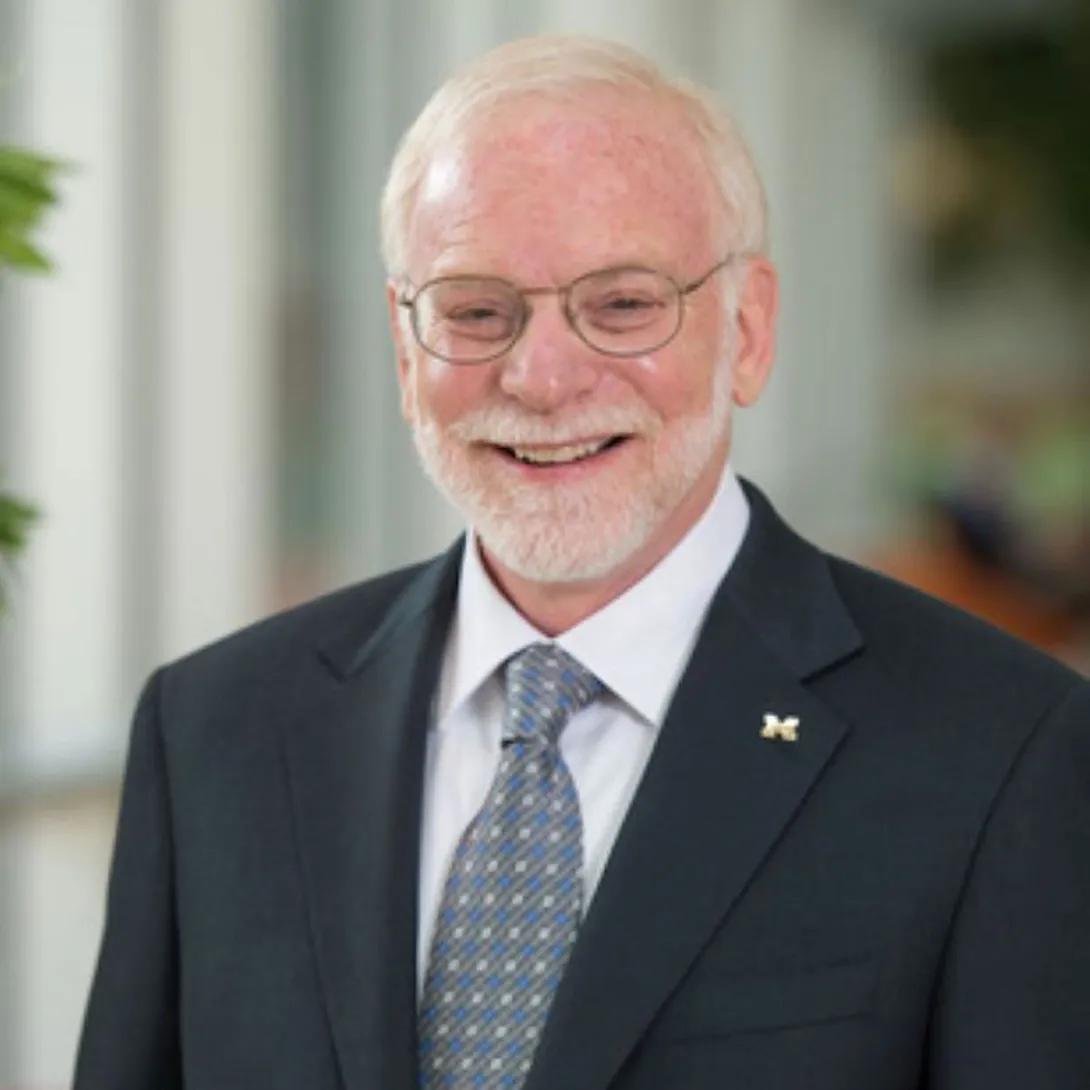
Max S Wicha, MD
Professor of Internal Medicine
Medical School
About the Forbes Family
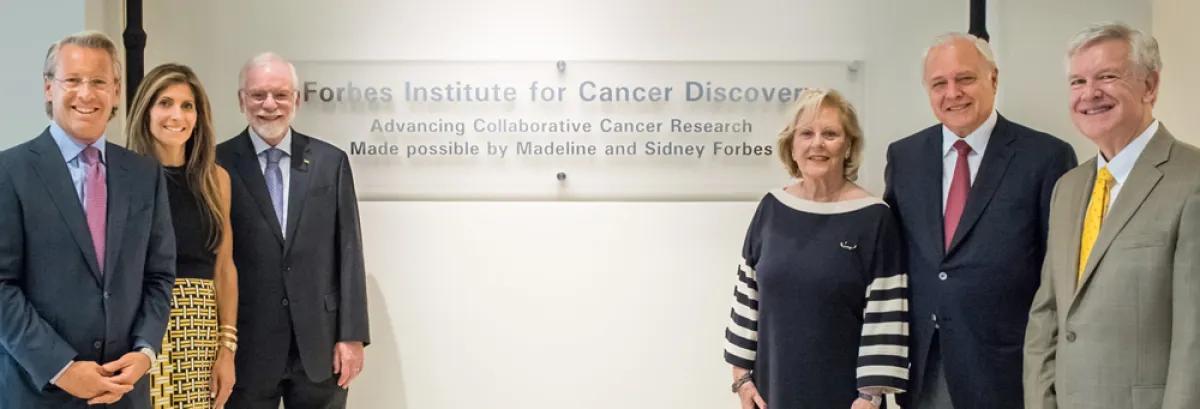
Longtime Detroit-area philanthropists and dedicated friends of the University of Michigan, Madeline and Sidney Forbes of Bloomfield Hills, Mich., launched the Forbes Institute for Cancer Discovery in June 2016. They are proud Wolverine parents and grandparents who generously support Michigan Medicine, the Department of Athletics, and the U-M Museum of Art.
Sidney founded the Forbes Company in 1996 and has worked to create landmark properties and redefine the parameters of commercial development. The Forbes Company portfolio includes the Somerset Collection in Troy, Mich., and several distinctive centers throughout Florida. The family’s distinguished history of philanthropy in the Detroit area includes generous support for the arts, medical research, and education. Sidney is a director emeritus of the Detroit Symphony Orchestra and honorary director of the Detroit Institute of the Arts. Madeline is a trustee of the Jewish Women’s Foundation of Metropolitan Detroit.
Nathan “Nate” Forbes is the managing partner of the Forbes Company. He represents the family’s dedication to high-impact research on the Rogel Cancer Center’s National Advisory Board. He and his wife, Catherine, served on the Leadership Committee for U-M’s historic Victors for Michigan campaign, which raised more than $5 billion to support students, faculty, capital expansion, and the pursuit of bold ideas.
News & Stories

Exceptional response to immunotherapy gives patient with liver cancer more milestones to celebrate
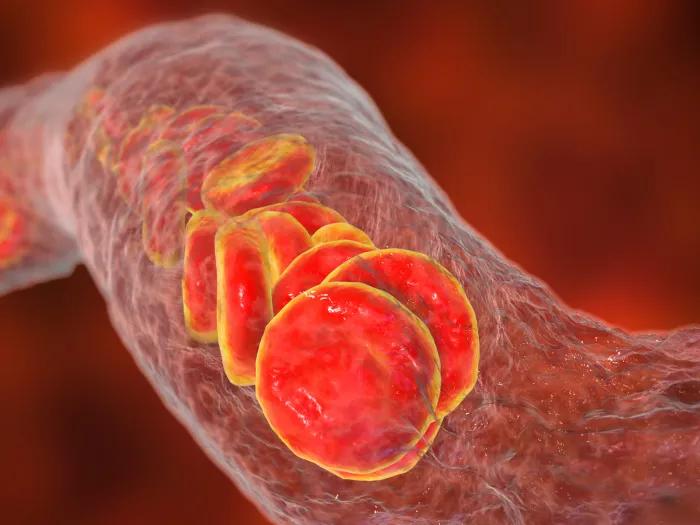
FDA-approved drug offers hope for patients with polycythemia vera, a rare bone marrow disorder

Pediatric patient treated for rare kidney cancer
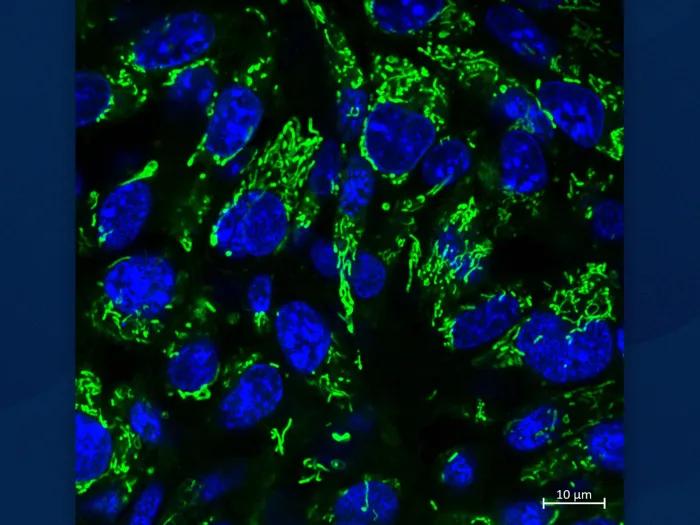
Engineered nanoparticles sensitize gliomas to radiotherapy

Talent show brings joy to kids at children’s hospital