
Back to About
-
Research -
Patient Care -
Education -
People -
Shared Resources -
Cancer Data Science -
Cell & Tissue Imaging -
Epigenetics & Epigenomics -
Experimental Irradiation -
Flow Cytometry -
Health Communications -
Immune Monitoring -
Liquid Biopsy -
Pharmacokinetics -
Preclinical Molecular Imaging -
Protoemics Resource Facility -
Single Cell Spatial Analysis -
Structure & Drug Screening -
Tissue & Molecular Pathology -
Transgenic Animal Models
-
-
About -
Forbes Institute for Cancer Discovery
Illuminate Magazine

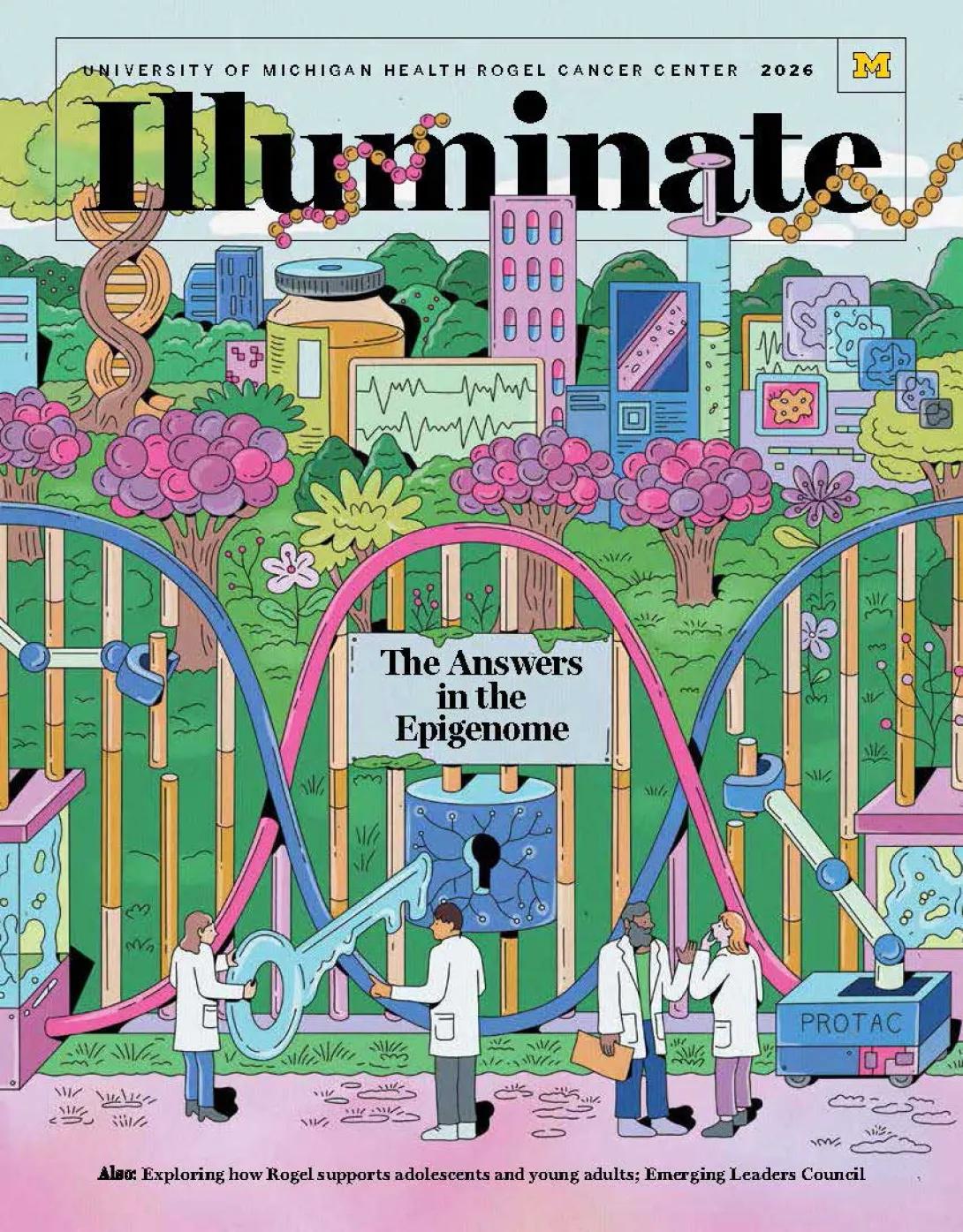
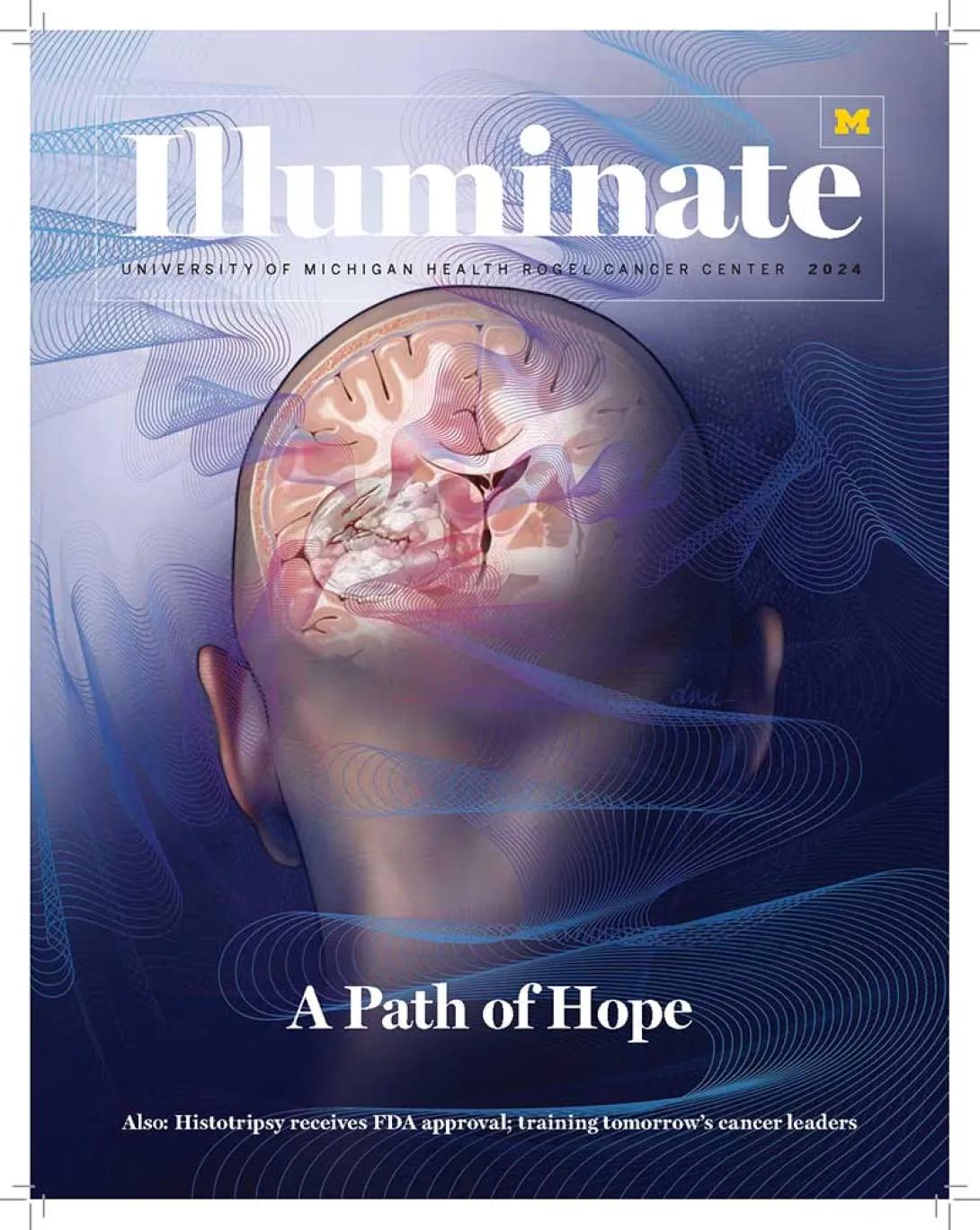
Past Issues
Get Illuminate in your inbox!
Stay on top of Rogel Cancer Center news! We have three magazines dedicated to informing patients (Thrive); researchers and those interested in our research (Illuminate); and the community as a whole (Connect).
Latest Articles

Illuminate
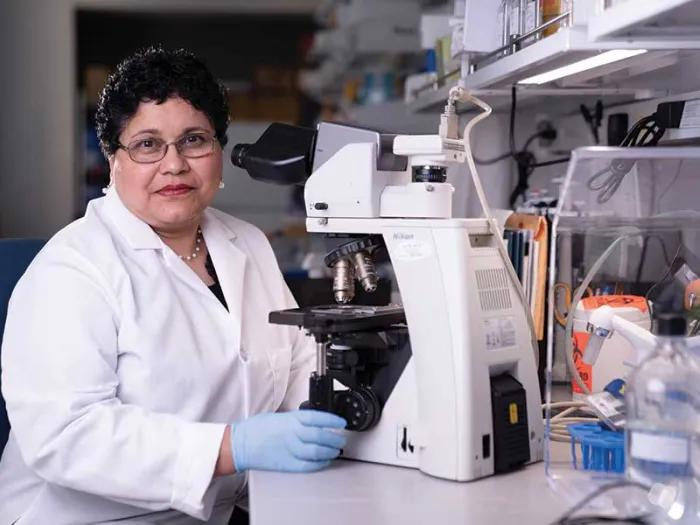
Emerging into the Future
The Rogel Cancer Center’s Emerging Leaders Council, launched in 2021, supports early-career faculty. Made up of 15 members, the council gives faculty a voice in sharing their needs with Rogel leadership while helping them learn how the cancer center operates, connect with senior leaders, and develop leadership skills.
Illuminate
An Elegant Dance
Rogel Cancer Center researcher, Nisha D’Silva, BDS, MSD, PhD, explains that cancer neuroscience explores the two-way relationship between cancer and the nervous system, showing how nerves can affect tumor behavior locally and throughout the body.
Illuminate
The Next Generation 2026
Rogel Cancer Center is committed to training future cancer researchers and care providers, and this article highlights three outstanding emerging leaders.

Illuminate
Helping Patients Make Longer-term Treatment Choices During Survivorship
Researchers at the Rogel Cancer Center are studying why some breast cancer survivors continue endocrine therapy beyond five years while others stop, aiming to improve survivorship support and coordinated care for patients managing long-term treatment side effects.

Illuminate
Closing the Gap
Rogel researchers are studying how to improve cancer care for adolescents and young adults ages 15–39, a group facing unique physical, emotional, social, and life-transition challenges. Their work focuses on tailoring treatment and support to better meet the needs of these patients.
Illuminate
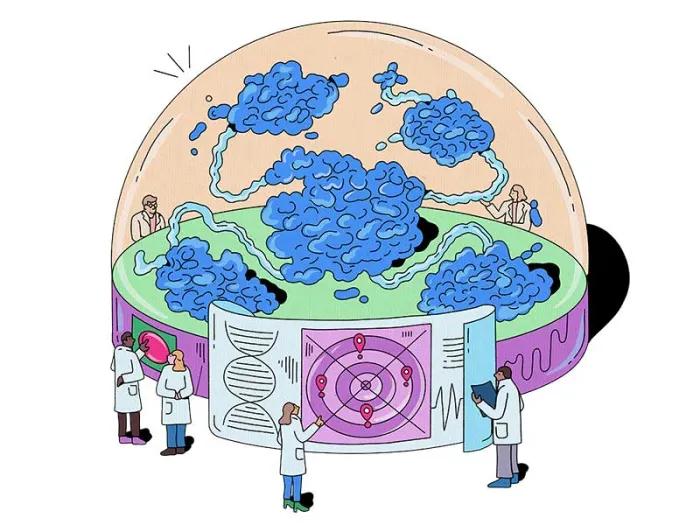
The Answers in the Epigenome
Rogel Cancer Center researchers study how epigenetics regulates cancer-related genes, aiming to improve therapies, prevention strategies, and patient outcomes.
