-
Research -
Patient Care -
Education -
People -
Shared Resources -
Cancer Data Science -
Cell & Tissue Imaging -
Epigenetics & Epigenomics -
Experimental Irradiation -
Flow Cytometry -
Health Communications -
Immune Monitoring -
Liquid Biopsy -
Pharmacokinetics -
Preclinical Molecular Imaging -
Protoemics Resource Facility -
Single Cell Spatial Analysis -
Structure & Drug Screening -
Tissue & Molecular Pathology -
Transgenic Animal Models
-
-
About -
Forbes Institute for Cancer Discovery
Cancer Control & Population Sciences


Improving cancer cure through population-based research
At the University of Michigan Rogel Cancer Center, the depth of our unique research programs and expertise of our research scientists are significantly reducing the burden of cancer for many. For cancer control and population sciences, our investigative teams are pioneering research into the more unique risks of cancer — based on genetic and environmental factors of similar population groups in heterogeneous health care environments.
Using Data to Find Patients at Risk
With a strong focus on understanding causes and risk factors that lead to cancer through population-based approaches, our investigative teams study the data — including advanced genomic, proteomic, metabolomic and imaging technologies — to understand strategies that could be effective at reducing the cancer burden in our local population and beyond. Their work focuses on the interplay between lifestyles, the environment and molecular exposures.
The discovery of environmental factors and the identification of population-based risks provide a wealth of data to better determine the unique interactions for an individual that can reduce their personal burden of cancer.
Cancer Control and Population Sciences Specific Aims
Aim 1: Targets
Identify targets for cancer prevention, risk reduction, detection and better outcomes.
Aim 2: Strategies
Develop, test and deploy innovative strategies to reduce the burden of cancer.
Aim 3: Approaches
Create and apply approaches to cancer control and population science research across the continuum.
Work With Us
NOTE: Available to University of Michigan faculty only
Quick Links
Interventions Help Change Health Behaviors and Improve Outcomes
By focusing on health behaviors and testing interventions, our researchers are improving the cancer care experience across the care continuum. Projects range from understanding patient and physician behaviors to improving cancer survivorship outcomes. Program members drive population research and implement new interventions in cancer care delivery and personalized behavioral science, putting their findings into practice. Our patient stories truly show the way in which we have reduced the burden of cancer and improved lives. Through research and discovery of a range of strategies, our teams are making significant progress in implementing new interventions and personalizing behavioral science.

New Opportunities to Communicate with Populations
With improvements in technology and a more widely accepted use of social media and smart devices, our investigators can more easily communicate with a range of populations. This informational explosion has revolutionized how we can change population behaviors — even using texting to communicate and promote cancer screenings. Our goal is to significantly affect prevention and improve cancer care delivery.
Shared Resources Supports Primary and Secondary Prevention
Cancer prevention strategies for both primary (prevent cancer) and secondary (screen for cancer) are supported by the University of Michigan’s Shared Resources. The Health Communications and the Cancer Data Science Shared Resources provide exceptional support to Cancer Control and Population Sciences researchers. Preventing cancer through lifestyle, behavior and genetics is our goal through the analysis of data and the interface of genetic profiles.
For More Information about Cancer Control through Prevention
If you have questions about cancer control and population sciences, or would like more information about our research program, please contact our team.
Meet our Leaders
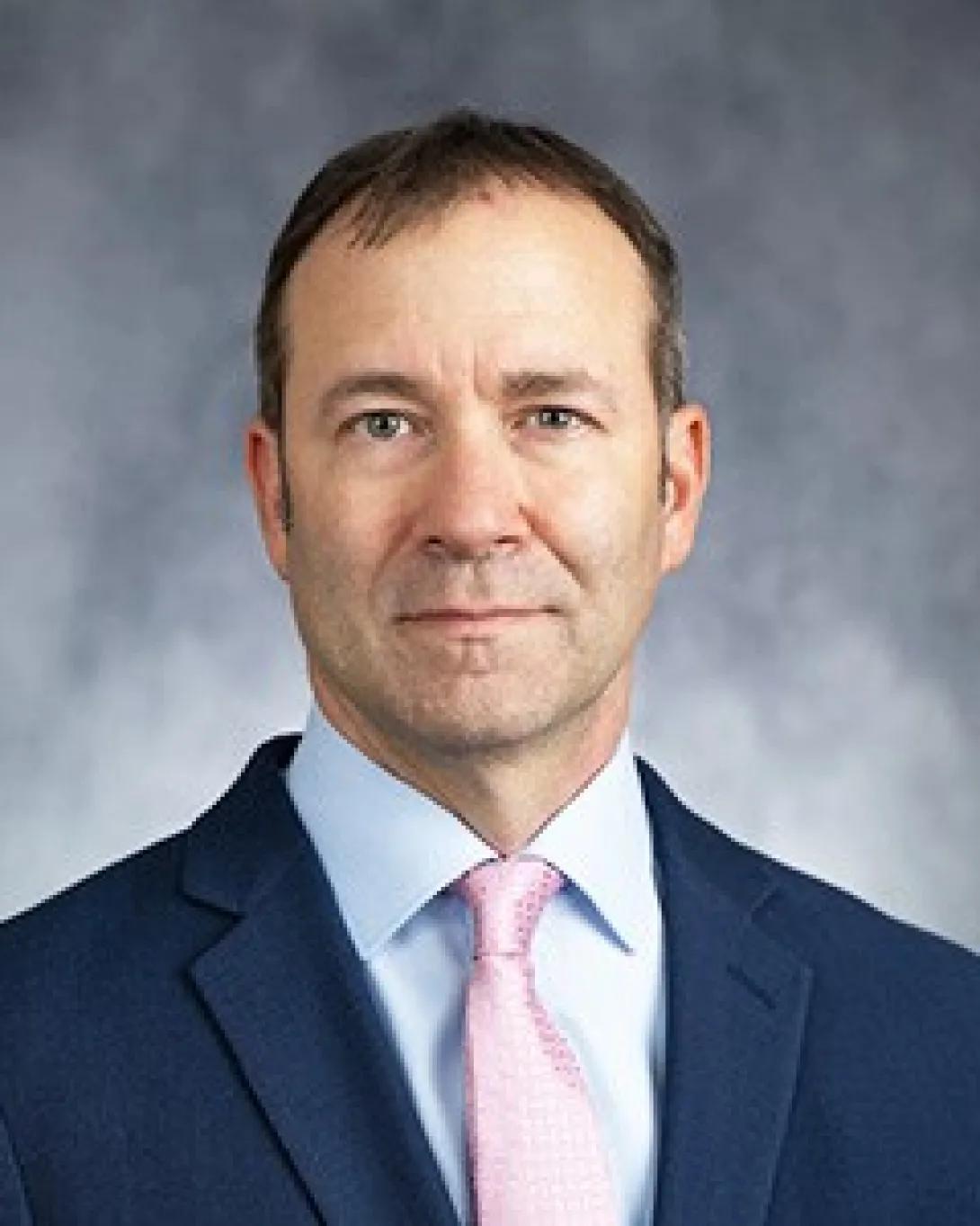
Christopher Friese, Ph.D., R.N., AOCN
Professor, Health Management and Policy School of Public Health
Associate Director for Cancer Control and Population Sciences, University of Michigan Rogel Cancer Center

Celeste Leigh Pearce, PhD, MPH
Department of Epidemiology
University of Michigan School of Public Health
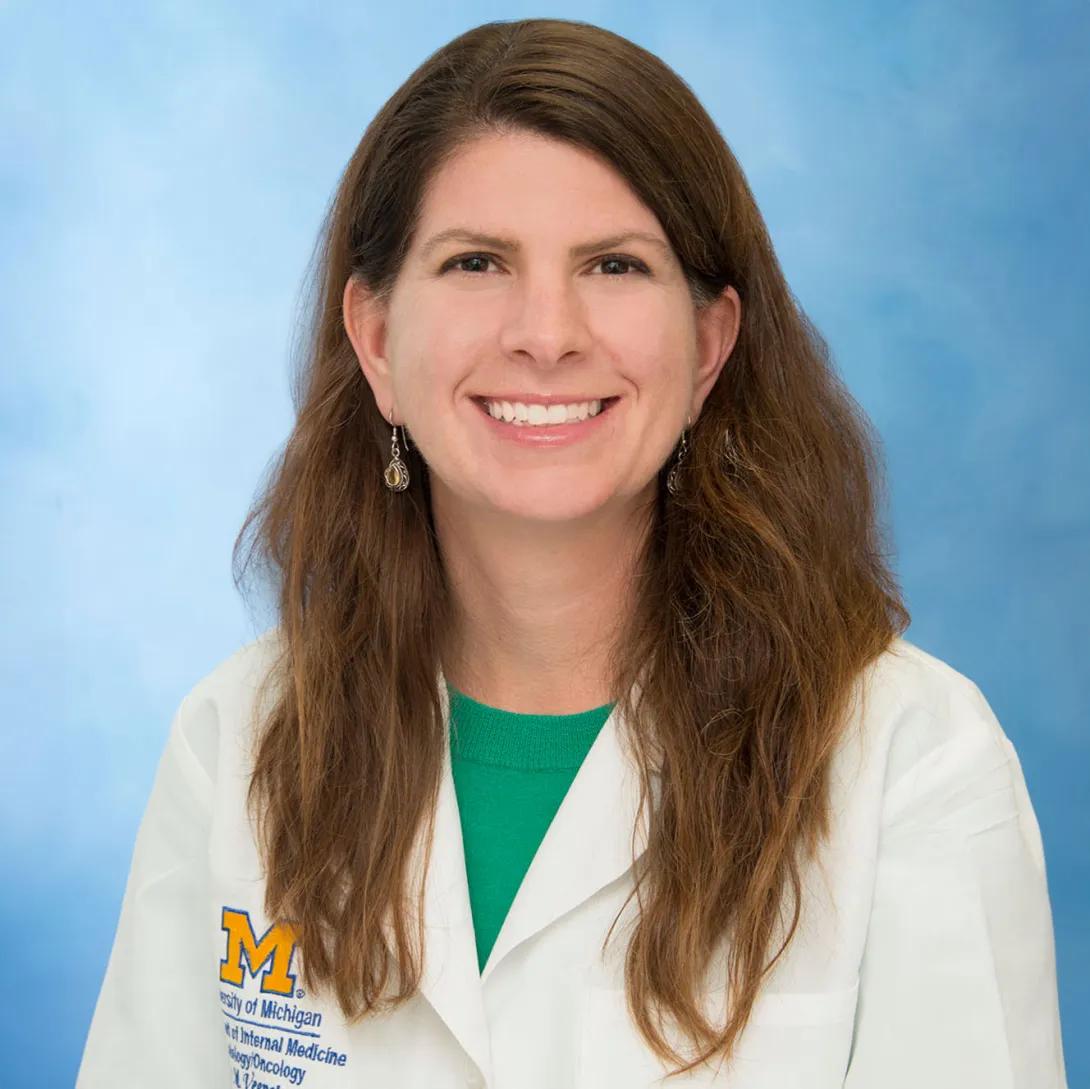
Christine Veenstra, MD, MSHP
Medical School
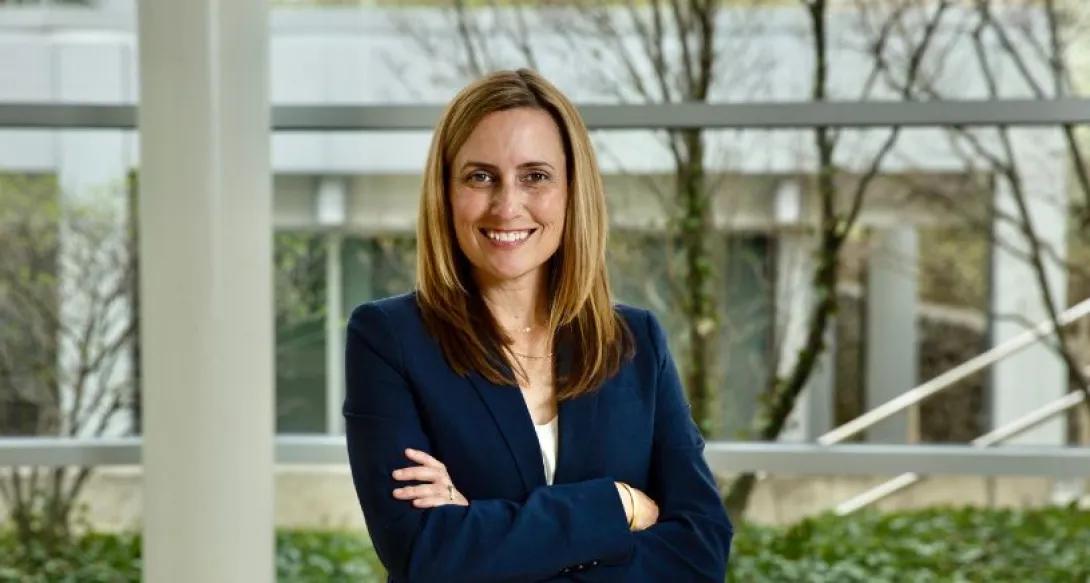
Lauren Wallner, PhD, MPH
Associate Professor, Departments of Internal Medicine
Co-lead, Cancer Control and Population Sciences Program, Rogel Cancer Center
News & Stories
Online resources and coaching helped people seek genetic testing for cancer
Path forward for glioblastoma treatment
Study explains how colorectal cancer cells maintain high iron levels

Stopping Ewing sarcoma relapses where they start
Study sheds light on how early pancreas lesions become cancerous