-
Research -
Patient Care -
Education -
People -
Shared Resources -
Cancer Data Science -
Cell & Tissue Imaging -
Epigenetics & Epigenomics -
Experimental Irradiation -
Flow Cytometry -
Health Communications -
Immune Monitoring -
Liquid Biopsy -
Pharmacokinetics -
Preclinical Molecular Imaging -
Protoemics Resource Facility -
Single Cell Spatial Analysis -
Structure & Drug Screening -
Tissue & Molecular Pathology -
Transgenic Animal Models
-
-
About -
Forbes Institute for Cancer Discovery
Basic Science Division
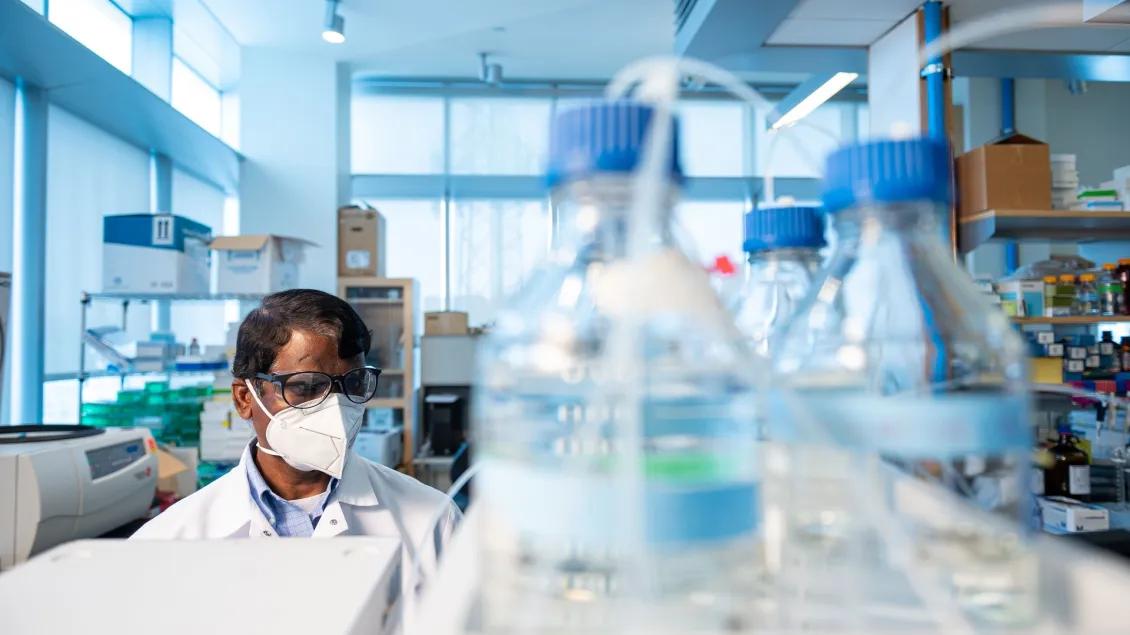

Reducing the burden of cancer through science
The foundation of basic science excellence at the University of Michigan contributes to the strength of the Rogel Cancer Center and its major contributions to cancer research. With our mission to reduce the burden of cancer, the basic science team focuses on accelerating fundamental lab discoveries of cancer’s biological and molecular structure. The identification of these novel cancer targets are then translated to the design of therapeutics for cancer treatment
Collaboration across Programs
Expert basic scientists work collaboratively across many departments including medicine, engineering and mathematics to understand the molecular mechanisms of cancer. Identifying promising discoveries to improve how we diagnose, treat and prevent cancer, our cancer center’s basic science enterprise is organized into four collaborative programs:
Signaling & Tumor Microenvironment
The Signaling & Tumor Microenvironment Program has a long history as a leader in translational cancer research.
Cancer Genetics
The mission of the Cancer Genetics Program is to advance knowledge of the genetic and epigenetic mechanisms that underlie the development and progression of cancer.
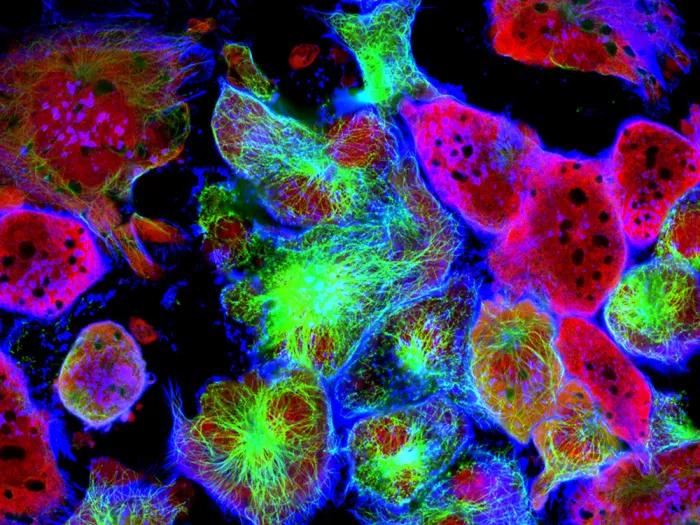
Hematological Malignancies
The Hematological Malignancies Program seeks to define the role of stem and immune cell populations in the behavior of cancer.
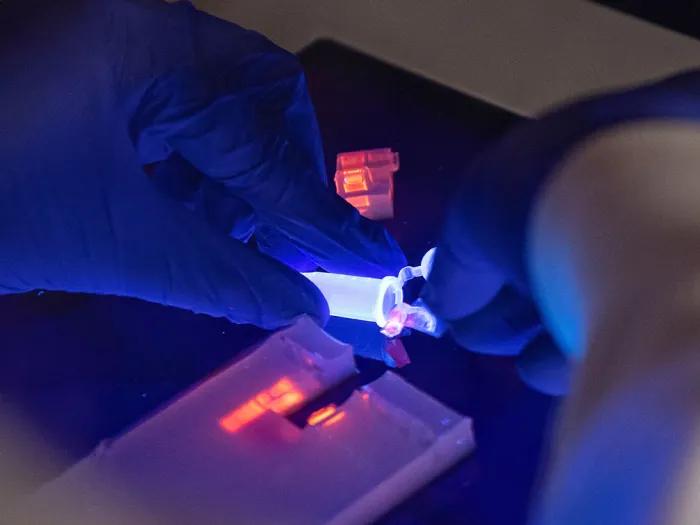
Developmental Therapeutics
The Developmental Therapeutics Program fosters the advancement of University of Michigan Rogel Cancer Center discoveries to translational research.
Basic Science Contributes to Increased Cancer Survivorship
The number of cancer survivors continues to increase because of advances in cancer research. Through basic laboratory research, we are making significant progress in understanding the biological mechanisms of how a cell changes from a normal cell to cancer. Basic science researchers are making fundamental discoveries and working with colleagues across the cancer center to translate those discoveries into novel interventions to benefit patients.
Support our Research
Every gift matters as we work to transform the lives of patients and families facing cancer. Consider helping us as we work on making the next significant breakthrough in cancer research and therapy, training the next generation of game-changers in the field, and providing the very best care for our patients.
Meet our Associate Director
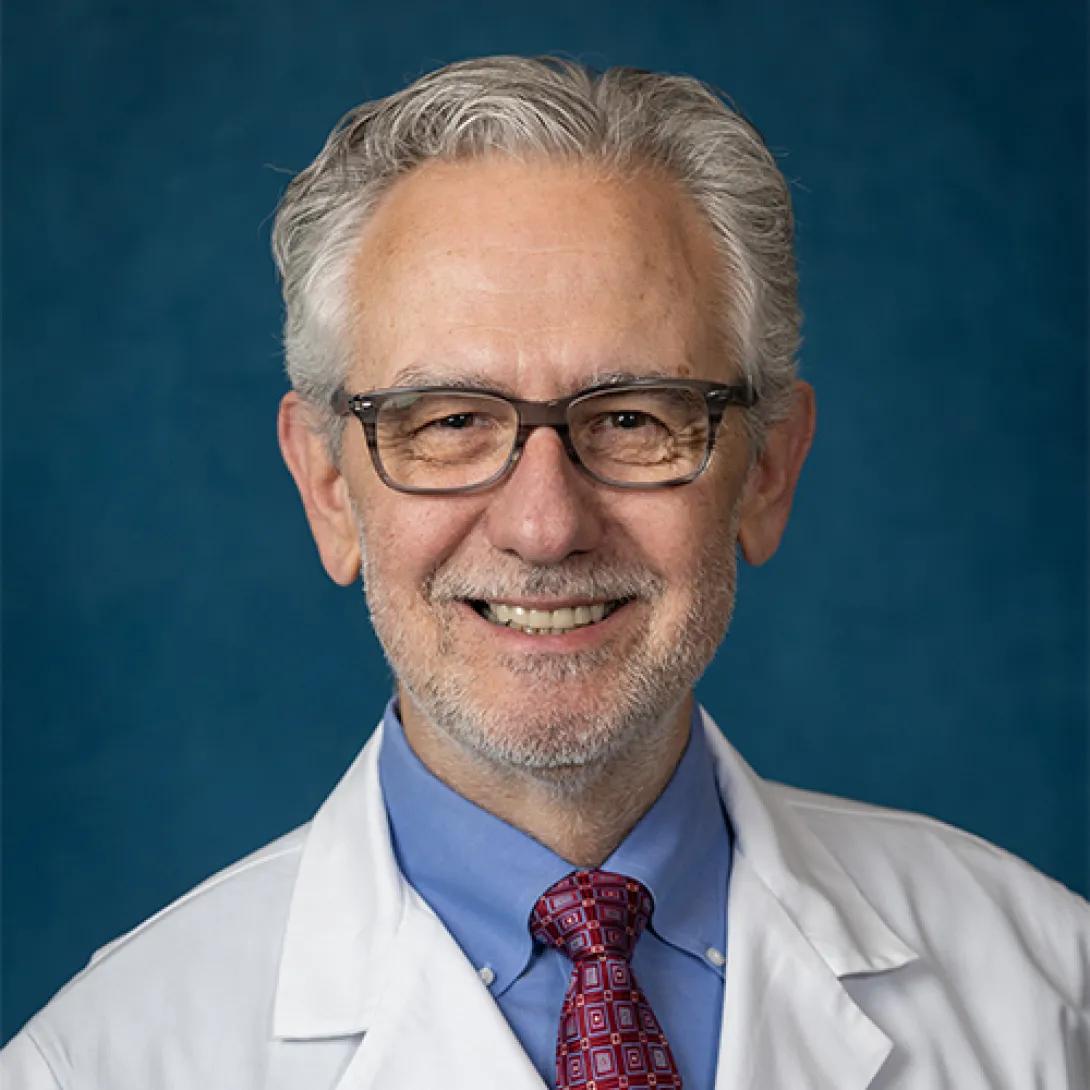
Andrzej A Dlugosz, MD
Associate Chair, Department of Dermatology
Associate Director for Basic Science, Rogel Cancer Center
Professor of Dermatology and Professor of Cell and Developmental Biology
Medical School
News & Stories
Path forward for glioblastoma treatment
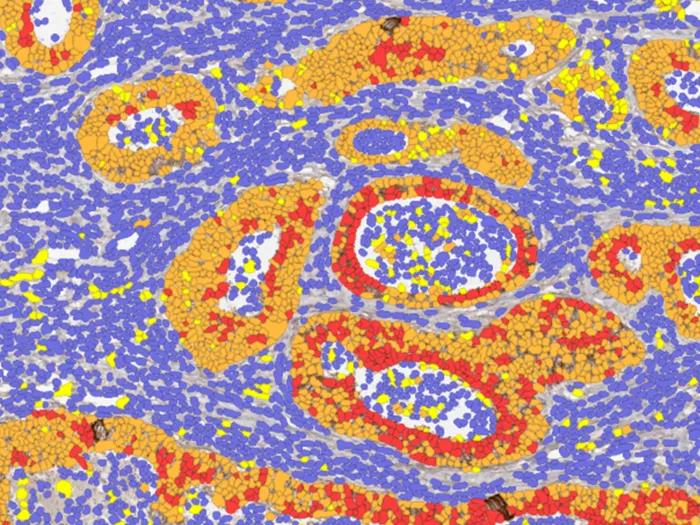
Study explains how colorectal cancer cells maintain high iron levels

Stopping Ewing sarcoma relapses where they start
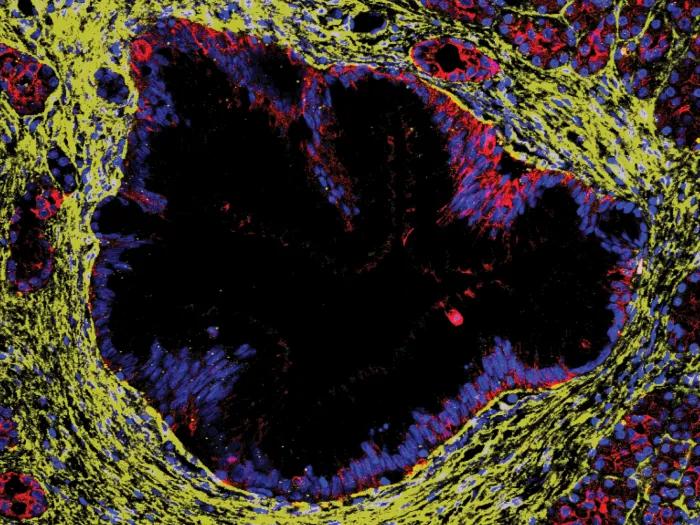
Study sheds light on how early pancreas lesions become cancerous
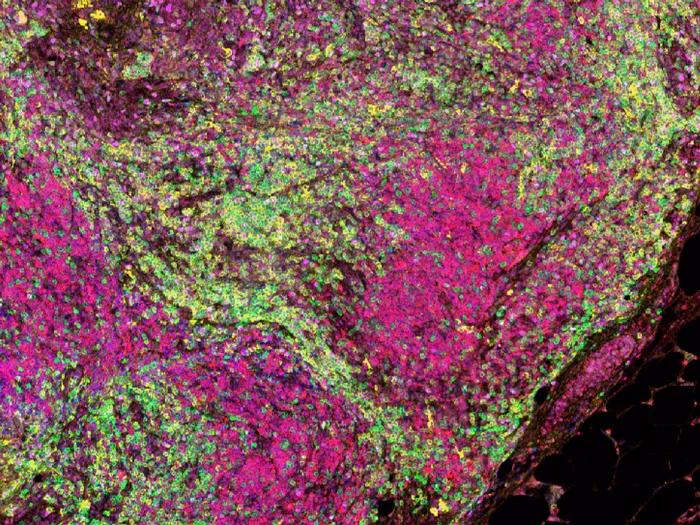
New mouse model for liposarcoma can help uncover new therapies