-
Research -
Patient Care -
Education -
People -
Shared Resources -
Cancer Data Science -
Cell & Tissue Imaging -
Epigenetics & Epigenomics -
Experimental Irradiation -
Flow Cytometry -
Health Communications -
Immune Monitoring -
Liquid Biopsy -
Pharmacokinetics -
Preclinical Molecular Imaging -
Protoemics Resource Facility -
Single Cell Spatial Analysis -
Structure & Drug Screening -
Tissue & Molecular Pathology -
Transgenic Animal Models
-
-
About -
Forbes Institute for Cancer Discovery
Research | Rogel Cancer Center
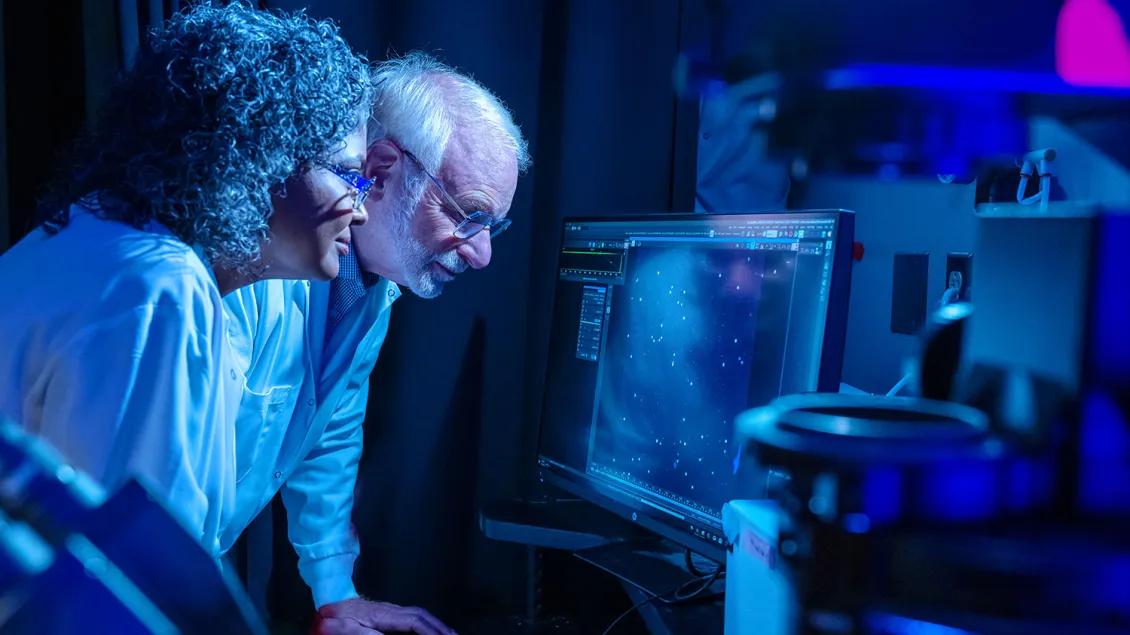

Collaboration Leads to Scientific Breakthroughs
World-class scientists and clinicians at the U-M Health Rogel Cancer Center are committed to research and discovery, an essential component of our designation as a National Cancer Institute comprehensive cancer center. We know that the way to eliminate cancer is through innovative advancements and partnership between scientists and clinicians. The highly targeted research efforts at the cancer center move from innovative investigations in the laboratory to the translational integration of these discoveries to patients through a wide range of programs
Focus on Collaboration and Teamwork
Become a research member
Work With Us
NOTE: Available to University of Michigan faculty only
SPORE Grants
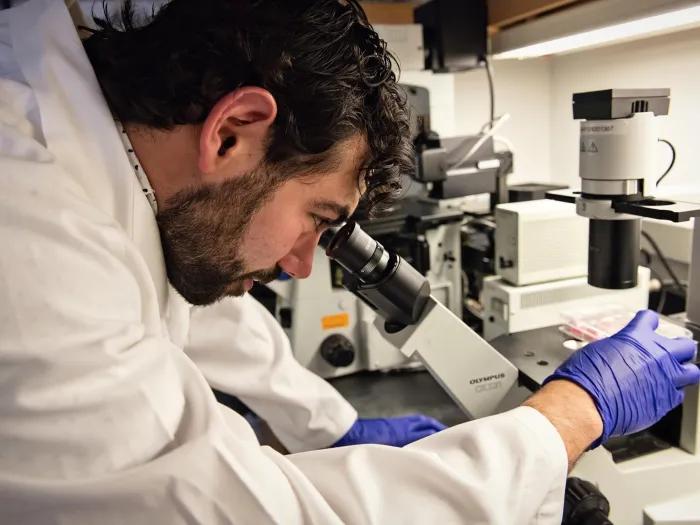
Prostate SPORE
The Michigan Prostate SPORE is a collaborative, multidisciplinary research program uniting the University of Michigan and Karmanos Cancer Institute to advance translational prostate cancer research through innovative projects, infrastructure, training, and partnerships.
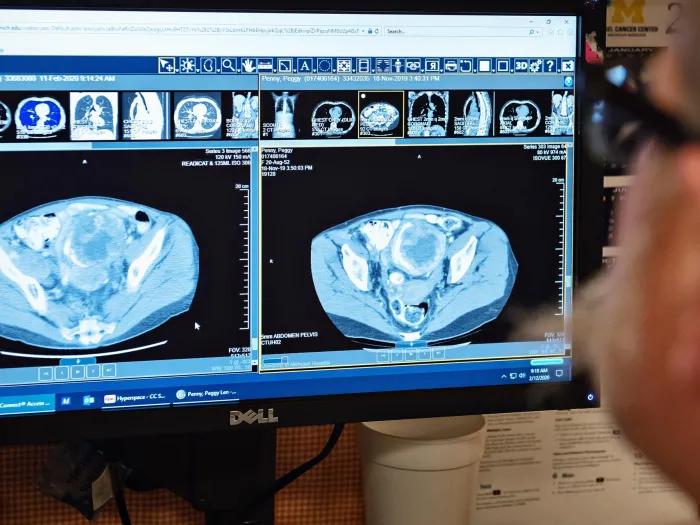
Leiomyosarcoma SPORE
The Leiomyosarcoma SPORE, led by the Rogel Cancer Center and an international team, advances research on this rare cancer through large-scale genomic studies, biomarker development, and genetic risk analysis, supported by global collaborations, specialized cores, and programs to foster innovation and career development.
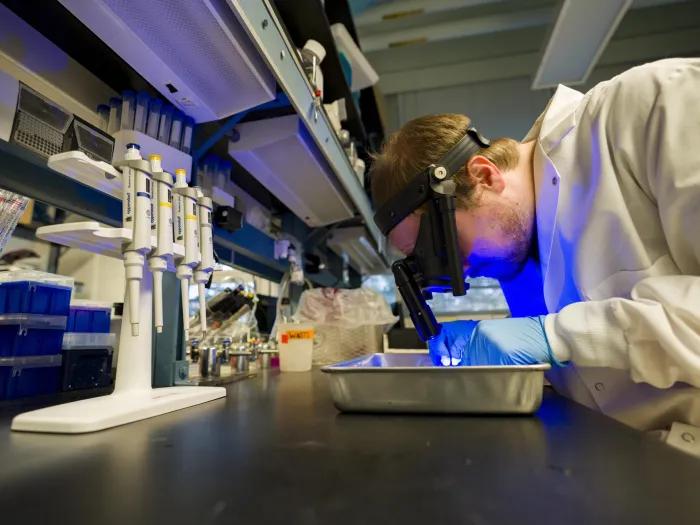
Radiosensitization SPORE
The Radiosensitization SPORE focuses on enhancing the effectiveness of radiation therapy across pancreas, brain, and breast cancers by investigating drugs that sensitize tumors to radiation, through collaborative, multi-disciplinary projects targeting immune response, tumor metabolism, and DNA damage repair.
Teamwork is the basis of our collaborative approach at the U-M Rogel Cancer Center. With the full support of university leadership, we encourage collaboration across all research spectrums, including medical, engineering and pharmacy – to advance cancer care through innovation:
- Through our focus on team science and research excellence, we aim to be a national leader in prevention, early diagnosis and optimal treatment for those at risk of and affected by cancer.
- The close proximity of the university’s highly rated and high quality research teams in Ann Arbor allows researchers to meet together and approach the scientific process collaboratively, sharing results and feedback quickly and easily.
- We offer a broad brush of research and are open to exploration across all departments. We never anticipate where the next discovery will be made as we strive to define which discoveries have the greatest potential to effectively prevent, diagnose and treat cancer.
Community Outreach & Engagement Research Support
The Rogel Cancer Center's Community Outreach and Engagement (COE) offers comprehensive support to U-M faculty conducting cancer-related research across all science domains—including basic, clinical, and translational studies.
Outstanding Research-Driven Cancer Prevention and Treatment
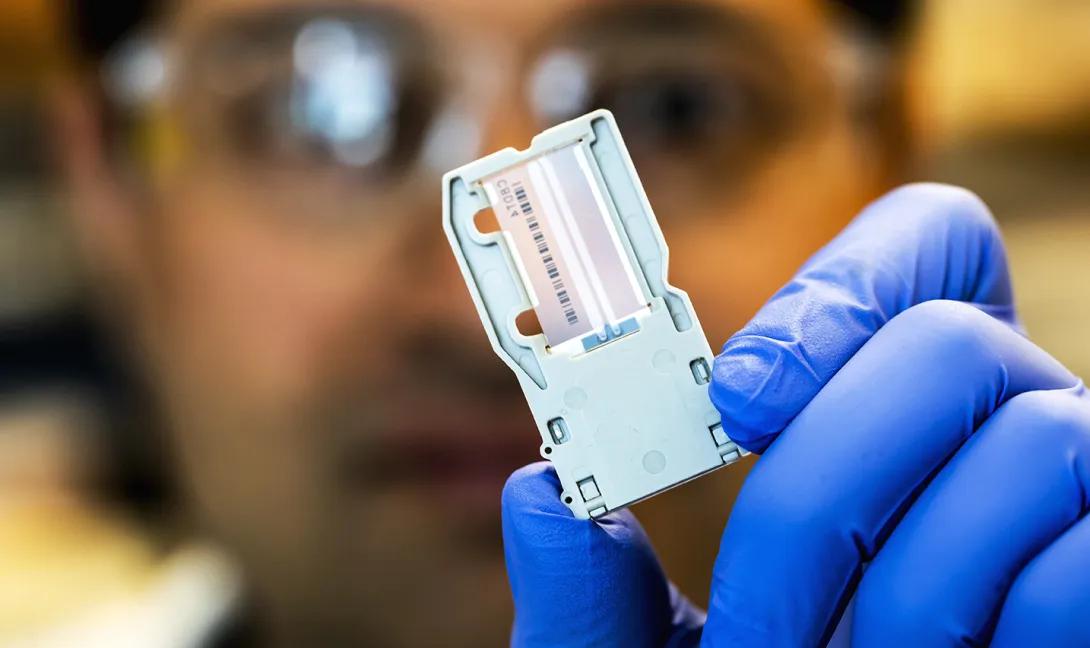
Our clinical research teams are the focal point for clinical trials that provide cutting edge treatment for patients at the Rogel Cancer Center. These teams of practicing clinicians work collaboratively with researchers across the cancer center to build a strong portfolio of clinical trials for our patients. We want to improve cancer care and create new and better treatments. Learn about our expertise of comprehensive clinical research teams.
News & Stories
Online resources and coaching helped people seek genetic testing for cancer
Path forward for glioblastoma treatment
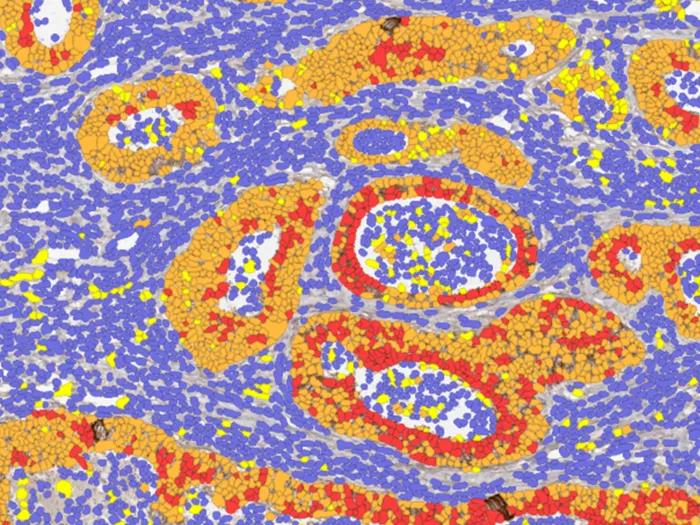
Study explains how colorectal cancer cells maintain high iron levels

Stopping Ewing sarcoma relapses where they start
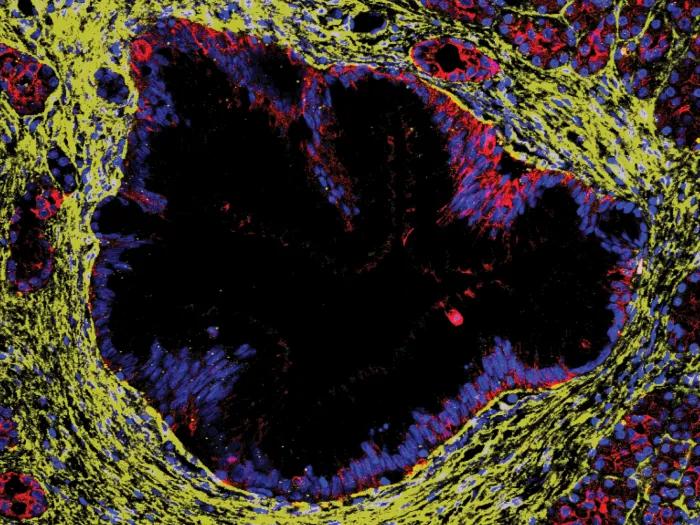
Study sheds light on how early pancreas lesions become cancerous