Hematological Malignancies Program


Harnessing stem and immune cell populations for hematologic malignancy research
The Hematological Malignancies Program (formerly the Cancer Hematopoiesis and Immunology Program) seeks to define the role of stem and immune cell populations in the behavior of cancer. This will include research and members focused on discovery, translational and clinical research on topics including:
- cancer hematopoiesis
- the biology of hematologic malignancies
- bone marrow transplantation
- cellular therapies
- clinical trials in hematological malignancies and cell therapy
Hematological Malignancies Research Focuses on Microenvironments
Guided by skilled co-leaders Sami Malek, MD and Ryan Wilcox, MD, PhD, the successful Hematological Malignancies Program integrates the basic science of microenvironments with cancer immunity. These small-scale organism environments include bone marrow that make up the environment of cancer hematopoiesis.
A major focus for this program will be translating our research findings into clinical trials.
Hematological Malignancies Specific Aims
Aim 1: Mechanisms
Elucidate molecular mechanisms regulating immune and non-immune hematopoietic cell function during homeostasis, cancer progression and cellular therapy.
Aim 2: Crosstalk
Understand mechanisms of cross-talk between immune cells and non-immune cells in cancer therapy and HCT.
Aim 3: Translation
Define key concepts, approaches, and reagents in preclinical studies and translate selected advances into the clinic to improve cancer outcomes and quality of life for patients and survivors.
Work With Us
NOTE: Available to University of Michigan faculty only
Quick Links
Three-Pronged Program Built for Success
- Our leadership and team members have a demonstrated record of successful and productive laboratory-based collaborations that are helping to define better ways to treat cancer through research and discovery.
- With the full support of Shared Resources, our team members have access to the technology needed for research endeavors, including Immunologic Monitoring.
- Other Rogel Cancer Center-wide support that benefit program members include:
- A state-of-the-art, Good Manufacturing Practice-compliant, Cellular Therapy Core
- The Immunotherapy Working Group that conceives interventional trials
- The interdisciplinary Immune and Cellular Therapy clinical service that delivers therapy
Preventing Graft-vs.-Host Disease (GVHD)
Hematological Malignancies Program researchers are at the leading edge of understanding graft-vs.-host disease, the common and deadly side effect of allogeneic hematopoietic cell transplants. Research seeks to prevent GVHD while preserving the graft-vs.-tumor effect – the transplant immunotherapy potency against leukemia and other blood cancers. The program has made a significant impact in this field, including uncovering novel biological insights into the biology of GVHD; the discovery of critical biomarkers that diagnose, predict and prognosticate GVHD; and translation of novel concepts into treatment and prevention of GVHD in patients.
Meet our Leaders
Sami N Malek, MD
Medical School

Ryan A Wilcox, MD, PhD
Internal Medicine
Medical School
News & Stories
Path forward for glioblastoma treatment
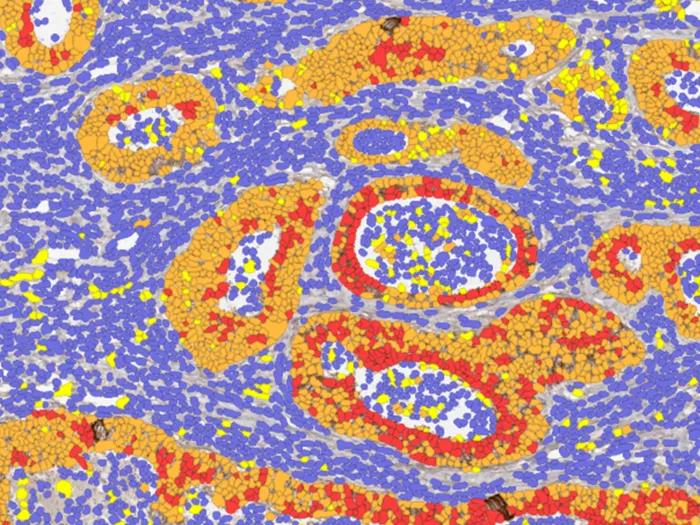
Study explains how colorectal cancer cells maintain high iron levels

Stopping Ewing sarcoma relapses where they start
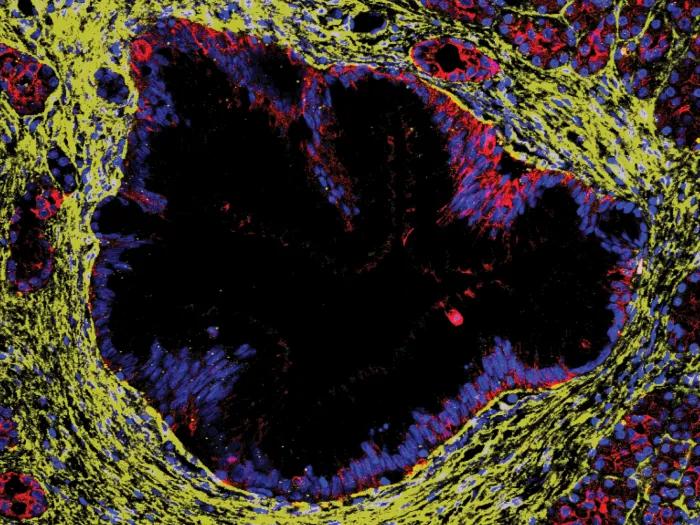
Study sheds light on how early pancreas lesions become cancerous
New mouse model for liposarcoma can help uncover new therapies