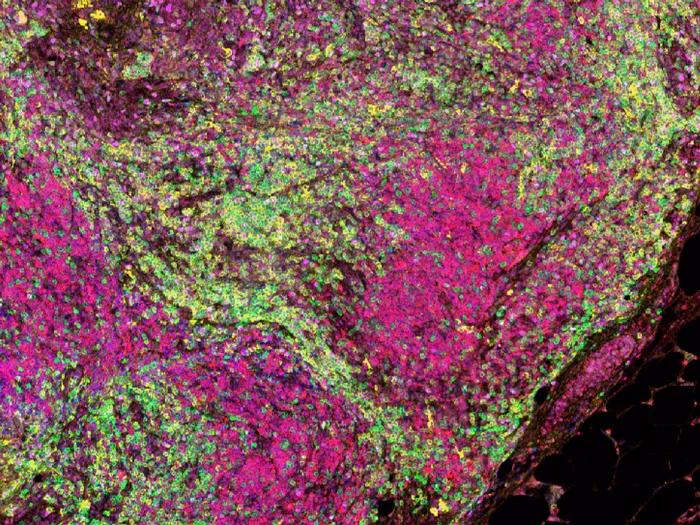
Signaling & Tumor Microenvironment
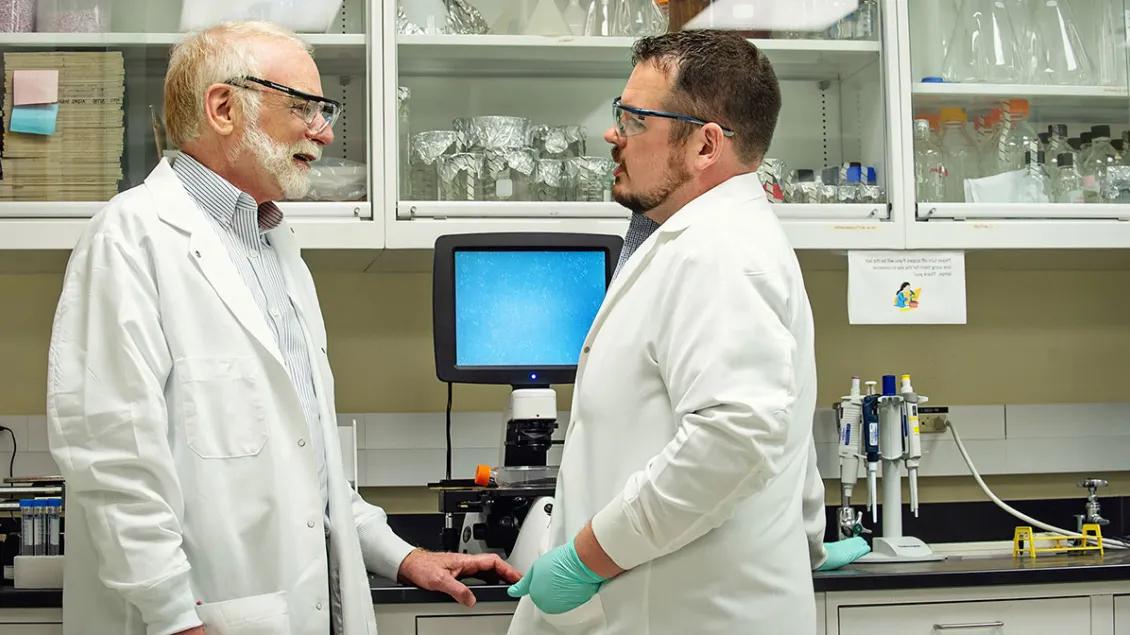
Understanding how cellular pathways intersect to impact cancer
The Signaling and Tumor Microenvironment Program has a long history as a leader in translational cancer research. Program co-leaders Marina Pasca di Magliano, PhD; Yatrik Shah, PhD; and Weiping Zou, MD, PhD have built a program with close ties to many clinical departments to expedite information exchange between the laboratory and the clinic. As such, program members are investigators on multi-investigator program grants from the National Institutes of Health.
Nationally Lauded Experts
Signaling and Tumor Microenvironment (STEM) team members are nationally lauded experts representing diverse disciplines and perspectives. In addition to their research, the faculty are dedicated to educating and training the next generation of cancer investigators and in making a difference in the lives of patients with cancer. The program includes studies on the following:
- Angiogenesis
- Apoptosis
- Biomarkers
- Cancer stem cells
- Cell adhesion
- Epithelial-to-mesenchymal transition
- Gene expression
- Immunotherapy
- Invasion
- Metastasis
- Oncogenes
- Resistance to therapy and tumor modeling
- Signaling
- Transcription
- Tumor microenvironment
- Tumor suppressor genes
Signaling and Tumor Microenvironment Program Specific Aims
Aim 1: Signaling
Elucidate the role of cell fate and plasticity during tissue homeostasis and cancer progression.
Aim 2: Microenvironment
Define the heterocellular interactions that drive tumor epithelial growth and treatment response.
Aim 3: Metabolic Pathways
Characterize metabolic and metabolite interactions that impact cancer growth and progression.
Quick Links
Unified Team Collaborates on Discoveries
The physician-scientists in the Signaling and Tumor Microenvironment Program are brought together through a variety of impactful programmatic efforts, collaborative activities, mentorship and resources. The highly skilled members are unified through the following areas:
- Cell signaling changes occurring within tumor cells and the microenvironment that affect cancer growth
- Stem cell and cancer stem cell biology
- The role of the microenvironment in the development, progression and metastatic dissemination of cancer
Determination of Biological Vulnerabilities
One of the key aims of the Signaling and Tumor Microenvironment Program is to define the biological behavior and signaling properties of cancer stem cells as they relate to tumor progression and treatment.
By understanding the cellular foundation of a cancer or tumor mass and the differences in cancer stem cells as compared to normal stem cells, our team seeks to discover the biochemical vulnerabilities of cancer stem cells and how to eliminate them.
Functions of Tumor Microenvironment and Key Signaling Changes
All organs have a unique microenvironment, specialized for function, and with cancer we have to understand the communication between a tumor and the microenvironment.
Cell behaviors change based on the microenvironment in which they live. The microenvironment can cause cancer cells to grow rather than allowing the immune system to fight the cancer. By observing both normal and cancer cells,we gain a greater understanding of the immune system and how we can alter this behavior.
This signaling or communication within the microenvironment is key to targeted therapy because signaling molecules are activated by the specific tumor. We then can activate the immune system to work against the tumor by preventing the signaling. By influencing this signaling behavior, we can stop cancer growth.
Scientific Goals Lead to New Treatments
Signaling and Tumor Microenvironment Program members generate new knowledge that leads to a deeper understanding of cellular and extracellular factors regulating tumor initiation, expansion, invasion and metastasis, with the goal of applying this knowledge to improve cancer prevention, diagnosis and treatment.
Investigators whose main focus is the microenvironment use multiple approaches to understand the interaction of tumor cells with cellular and extracellular components of the microenvironment.
Program-wide Mentoring Focus for Education and Training
Across the entire Signaling and Tumor Microenvironment Program, leadership has implemented a mentoring program to provide input on grant submissions and optimal research engagements and to help identify career development opportunities. This collaborative approach provides a more conducive environment to advancing cancer biology discovery. The program has a long-standing commitment to education for graduate and post-doctoral training. Home to the NCI-funded Cancer Biology Training Program, our members continue to significantly impact the education and training of the next generation of cancer biology investigators.
Meet our Leaders
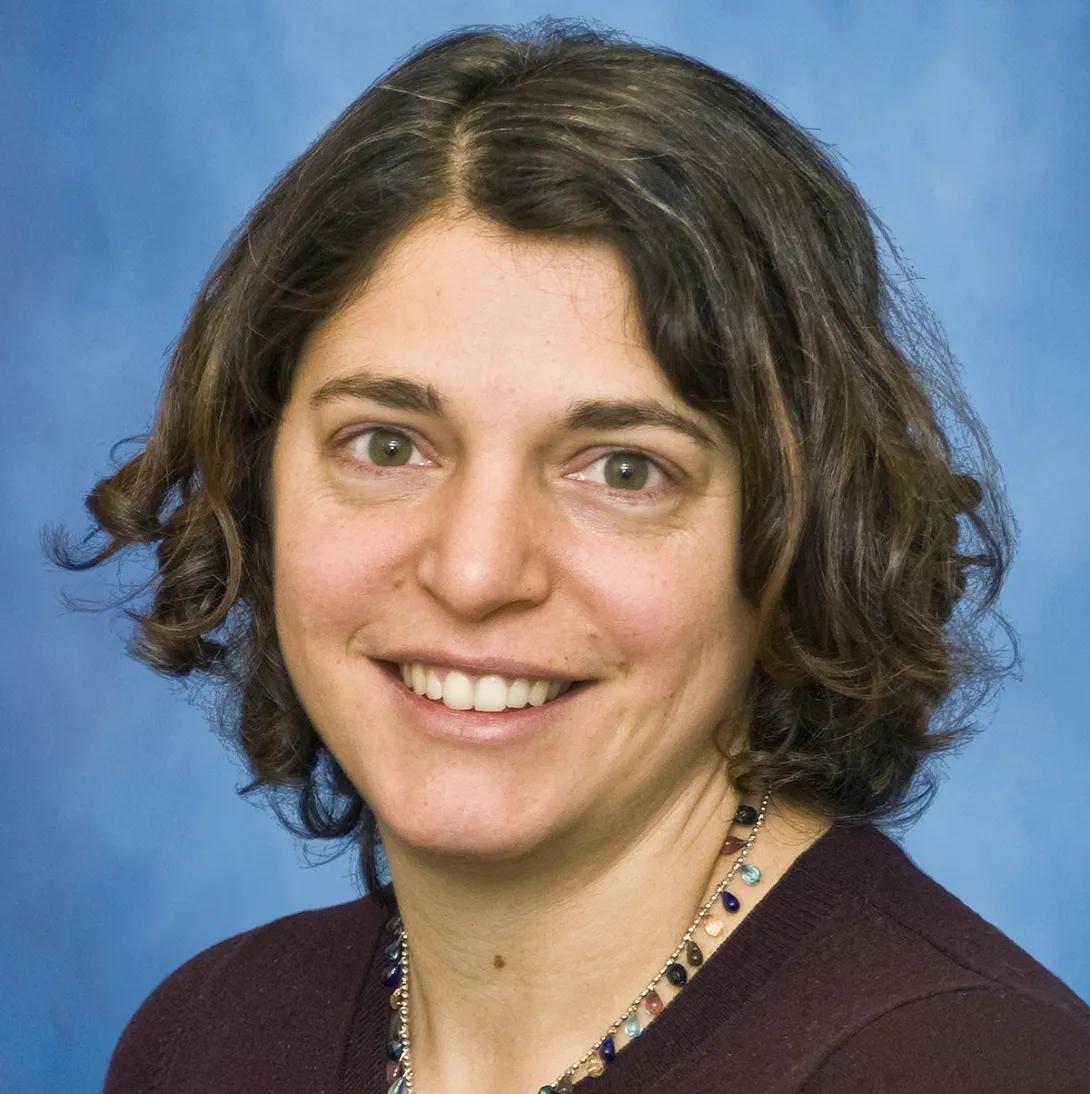
Marina Pasca di Magliano, PhD
Maud T Lane Professor of Surgical Immunology
Professor of Surgery
Professor of Cell and Developmental Biology
Co-Leader Signaling and Tumor Microenvironment Program
Co-Director of the Rogel and Blondy Center for Pancreatic Cancer
Rogel Cancer Center
Medical School

Yatrik M Shah
Professor of Molecular and Integrative Physiology
Professor of Internal Medicine and Associate Director Academic Programs
Cancer Biology Graduate Program
Medical School
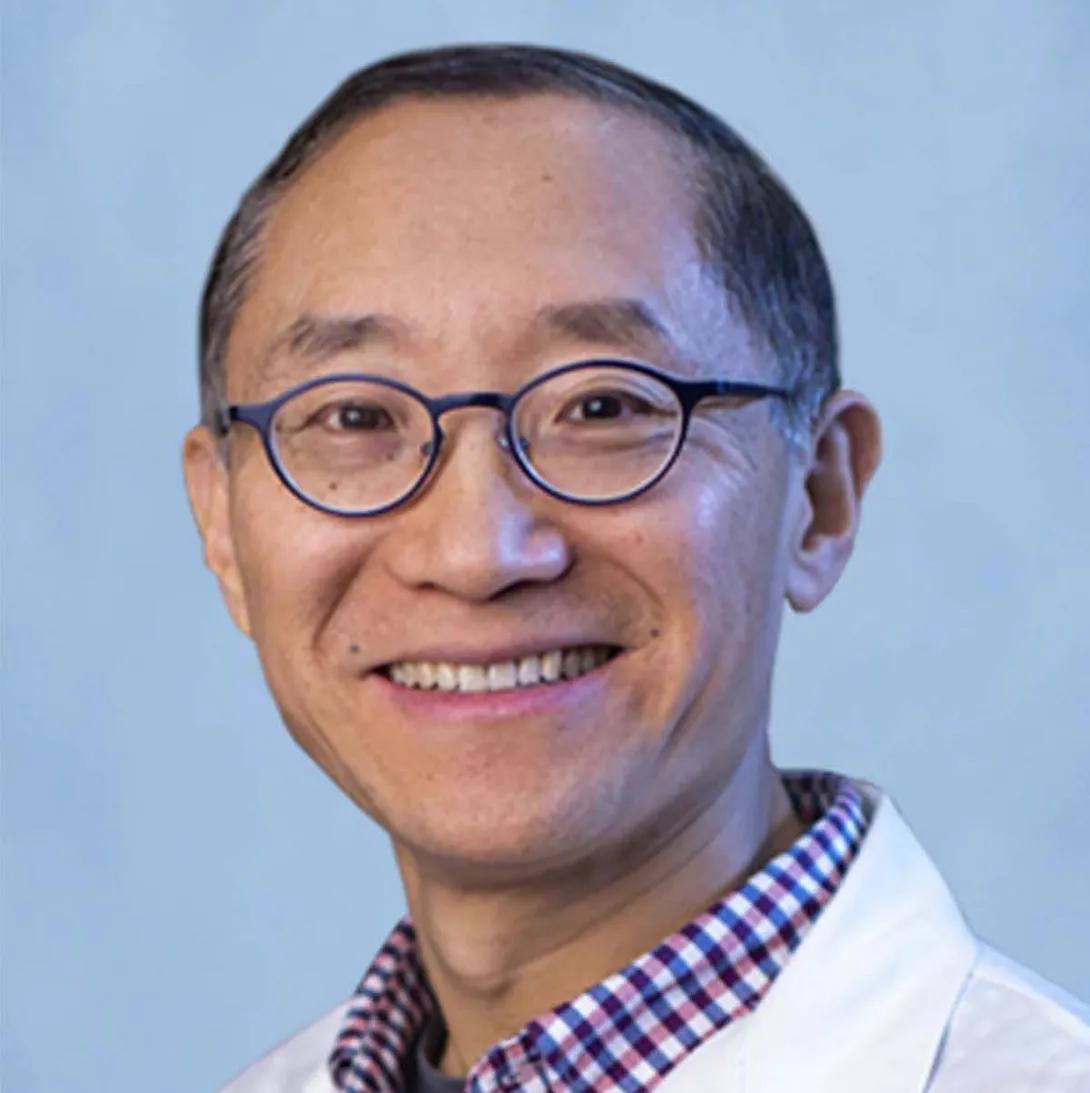
Weiping Zou
Professor of Surgery
Professor of Pathology
Medical School
Work With Us
NOTE: Available to University of Michigan faculty only
News & Stories
Online resources and coaching helped people seek genetic testing for cancer
Path forward for glioblastoma treatment
Study explains how colorectal cancer cells maintain high iron levels

Stopping Ewing sarcoma relapses where they start
Study sheds light on how early pancreas lesions become cancerous