Cardiac Surgery Education
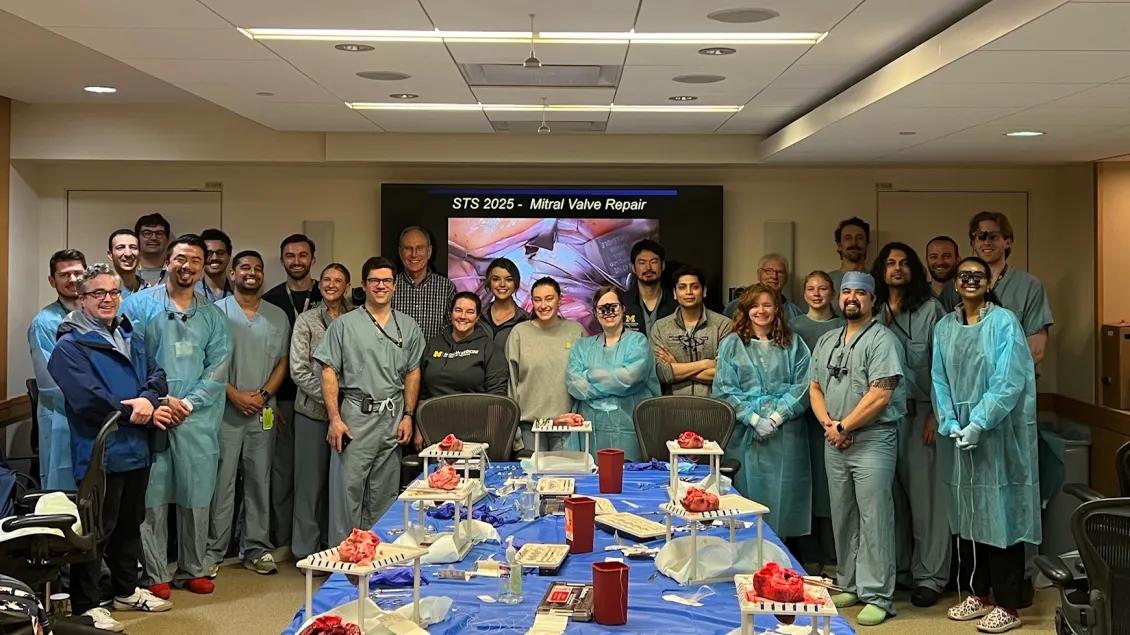
Developing Future Leaders in Cardiothoracic Surgery
We are among the nation's premier training destinations for surgical education in adult and pediatric cardiothoracic care.
Creating an Immersive & Invaluable Learning Experience
For nearly a century, the U-M Medical School has been at the forefront of cardiothoracic education and training, producing the next generation of world-class surgeons and scientists. Our comprehensive residency and fellowship programs offer transformative educational experiences, combining rigorous surgical training with mentorship from pioneering experts in the field. Trainees benefit from hands-on experience in complex procedures, cutting-edge research, and a collaborative environment that prepares them to excel in both clinical and academic settings. Whether through our residency program or specialized fellowships, we are committed to developing cardiothoracic surgeons who will lead the field forward.
When you train at the U-M Medical School, you become part of a rich educational culture that fosters excellence. With world-class expertise across every discipline, Michigan is consistently recognized as one of the premier institutions for medical training. Our commitment to innovation, collaboration, and mentorship ensures that trainees receive unrivaled preparation for successful careers in both clinical practice and research.
Interested in becoming a leader in cardiothoracic surgery? Our faculty and residents share what they love about our program and Ann Arbor.
Education & Training Programs
Why Train with Us
Trainees gain extensive exposure to a wide range of complex cardiac and thoracic pathologies, working alongside nationally and internationally recognized faculty with deep expertise across all subspecialties. Residents are integral members of the surgical team, actively participating in cases and developing proficiency across the continuum of care, from initial diagnosis to operative technique and post-operative management.
Residents and fellows train in state-of-the-art facilities across several key clinical sites, including:
- Frankel Cardiovascular Center
- C.S. Mott Children’s Hospital
- University Hospital
- VA Ann Arbor Healthcare System
The Frankel Cardiovascular Center is a 350,000-square-foot hub for clinical care and research, including a 1,200-square-foot hybrid operating suite for advanced multidisciplinary procedures. These diverse training environments offer access to the latest technologies and collaborative care models.
Residents and fellows have the opportunity to engage deeply in a wide range of research activities spanning cardiac and thoracic surgery. Trainees play an active role in leading-edge studies and clinical trials, gaining hands-on experience that complements their clinical training. Many go on to publish in high-impact academic journals and present their work at major national and international conferences, contributing meaningfully to the advancement of the field.
Trainees benefit from a robust infrastructure designed to develop strong research skills during their time at Michigan and beyond. A full-time biostatistician is available to assist with study design and data analysis, and trainees have access to an extensive clinical database to support their projects. To help prepare for national conferences, residents and fellows regularly present their work to faculty for feedback and refinement. Additionally, our monthly Works in Progress seminar provides a collaborative forum where both trainees and faculty can share ideas, receive constructive input, and foster continued research growth.
At Michigan Medicine, the health and wellness of our residents and fellows is a top priority. A variety of resources are available to support mental, emotional, and physical well-being throughout training. The House Officer Mental Health Program offers confidential counseling services tailored to the unique needs of residents and fellows.
The Michigan Medicine Office of Well-Being provides programs and initiatives focused on fostering a culture of wellness, resilience, and professional fulfillment. Additionally, U-M Human Resources offers a wide range of benefits and wellness programs designed to support both individual self-care and a vibrant campus community.
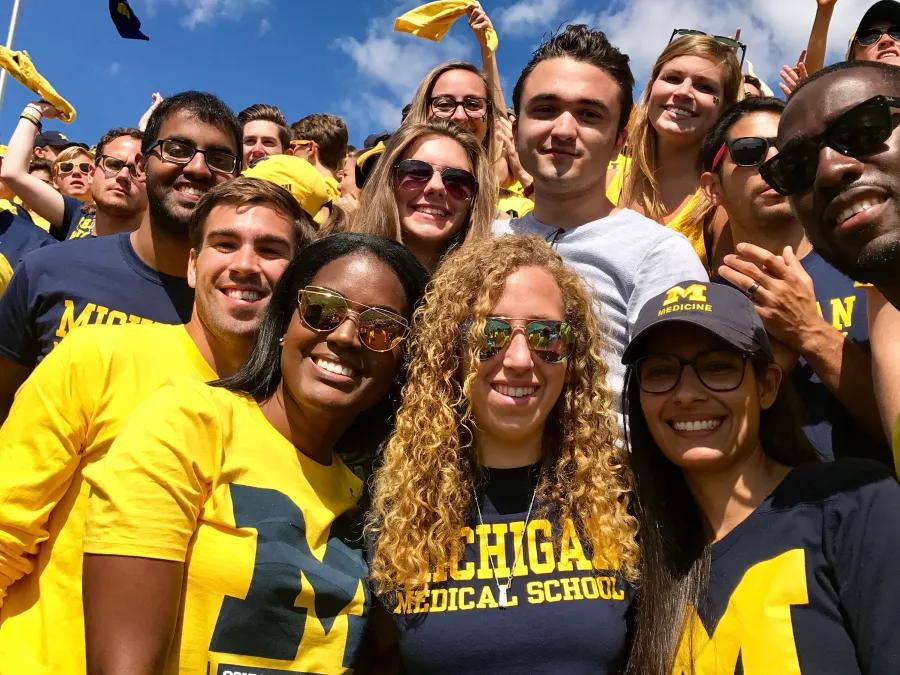
Discover Your New Community
Explore what it’s like to live, learn and grow in Ann Arbor among a diverse network of support.
Featured News & Stories
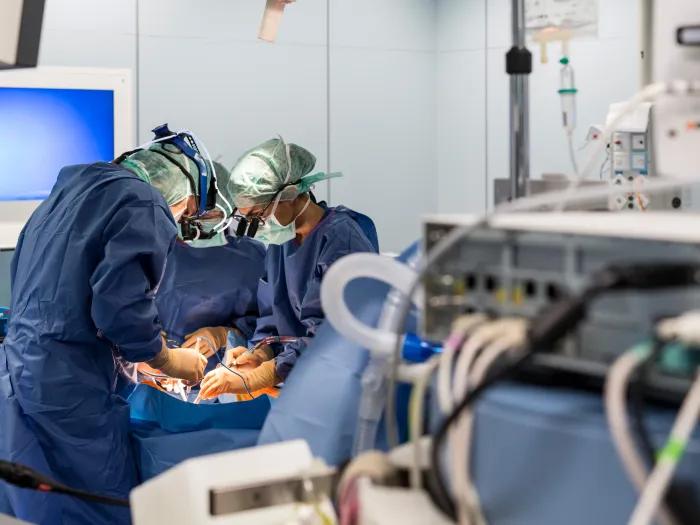
Reducing infections after heart surgery could save Medicare $441 million per year
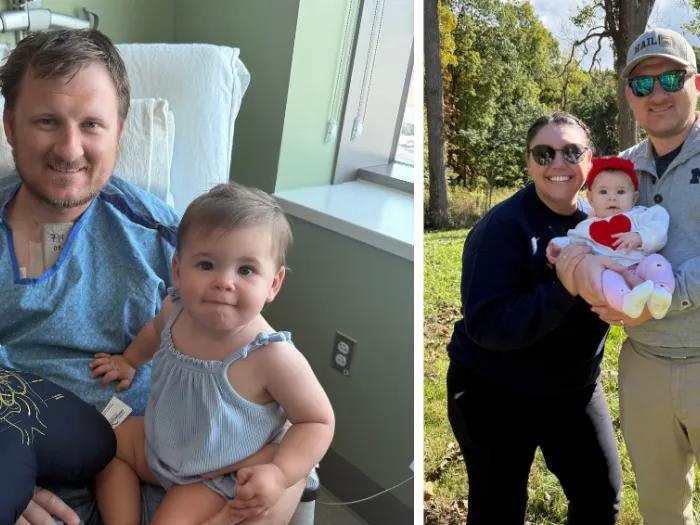
Young father survives aortic dissection after delayed diagnosis
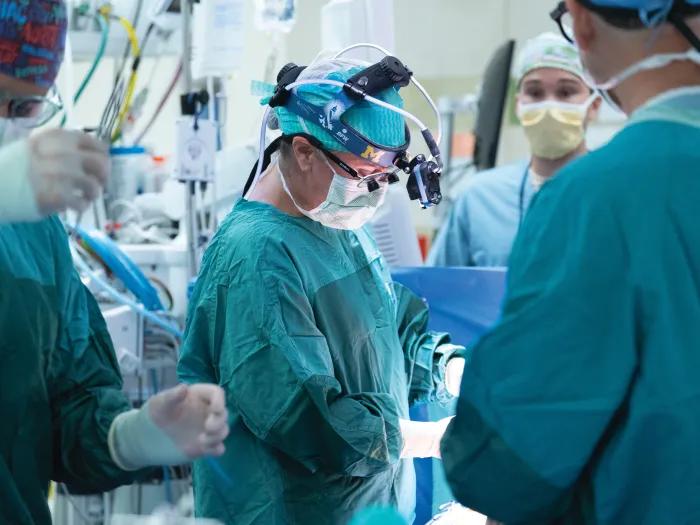
C.S. Mott Children’s Hospital first in country to implant expandable heart valve during FDA review phase
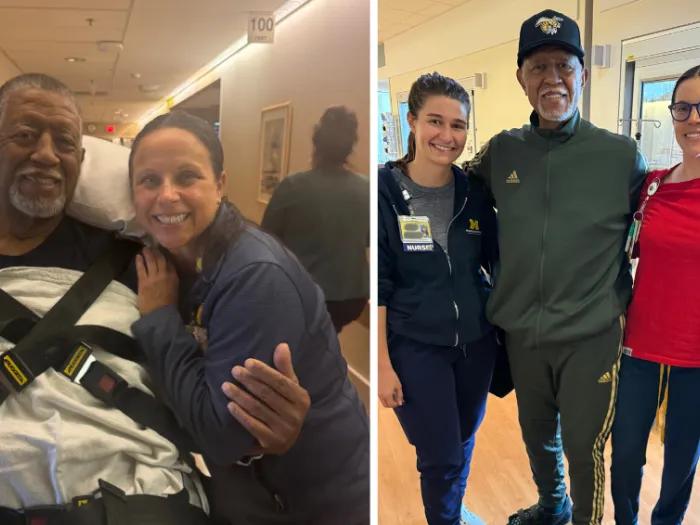
Tap dancer’s foot rescued after lifesaving heart surgery
Aortic valve replacement: Understanding TAVR and SAVR