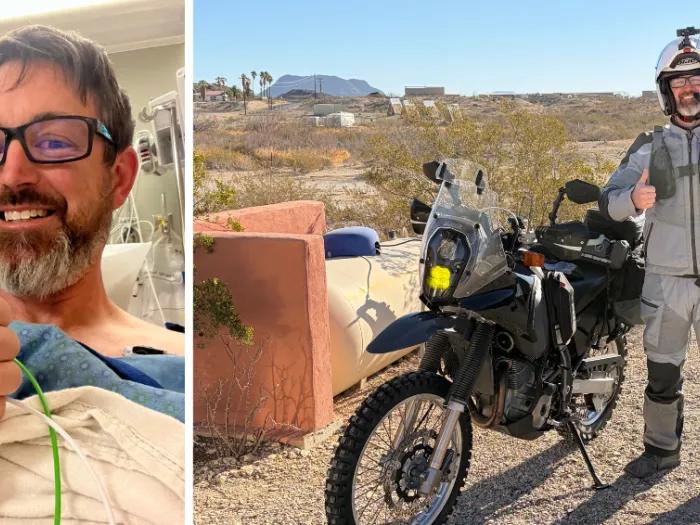
Cardiac Surgery Research
Driving Change in Cardiovascular Care
Our dedicated team of scientists is continually advancing the field through impactful research and novel discoveries.
Decades of Discovery, Future of Promise
In the U-M Medical School Department of Cardiac Surgery, research is embedded in everything we do from the operating room to the laboratory. Researchers are actively involved in advancing the prevention, diagnosis, and treatment of cardiovascular diseases for patients of all ages. Our faculty lead groundbreaking research at every stage—from uncovering disease mechanisms to designing next-generation devices, advancing clinical trials, and evaluating healthcare delivery systems to enhance quality and efficiency. This depth of expertise is recognized nationally, with surgeons across the country turning to our team for insight and guidance on surgical techniques.
Surgeons and scientists at Michigan Medicine have long been creators and champions of new technology. This culture of innovation began decades ago with the introduction of extracorporeal membrane oxygenation, developed right here at the U-M Medical School. Since then, our department has pioneered numerous procedures, including minimally invasive valve surgery and safer methods to repair aortic aneurysms and dissections. We conduct trailblazing research that benefits both adult and pediatric patients, translating discoveries into real-world improvements in care. Michigan is also a world leader in treating hypoplastic left heart syndrome, with over 1,000 newborns cared for and mortality rates below 10%. This legacy of excellence reflects our longstanding commitment to advancing outcomes for patients of all ages with complex heart disease.
What sets our research approach apart is the close collaboration and seamless integration between researchers and clinicians, which enables us to accelerate the translation of scientific discovery into real-world patient care. Researchers in the lab work hand in hand with those performing surgery on patients—the surgeon implanting a valve is often the same person exploring how to create a valve out of a patient's own tissues. This approach facilitates bringing the newest innovations directly to patients. To support this work, we actively recruit faculty with demonstrated research skills and ensure they have the resources to be successful. As a result, the department consistently produces a high volume of influential publications across both congenital and adult cardiac care.
Areas of Research
Where Education Meets Expertise
Our research environment provides exceptional opportunities for trainees. Residents and fellows are exposed to the full scope of cardiovascular research during their time here, with some electing to spend dedicated time in clinical trials alongside their clinical patient care training. We recruit individuals with a strong interest in research and ensure they have the mentorship and resources needed to thrive. This strong foundation in research and collaboration not only benefits our trainees, it also reflects the caliber and influence of the faculty who mentor them.
Our faculty members are frequently invited to speak at major professional meetings, both national and international, and many play key roles in professional societies and national working groups. Whether in the lab, clinic, or policy space, we are committed to driving progress that leads to better outcomes and longer, healthier lives for patients everywhere.
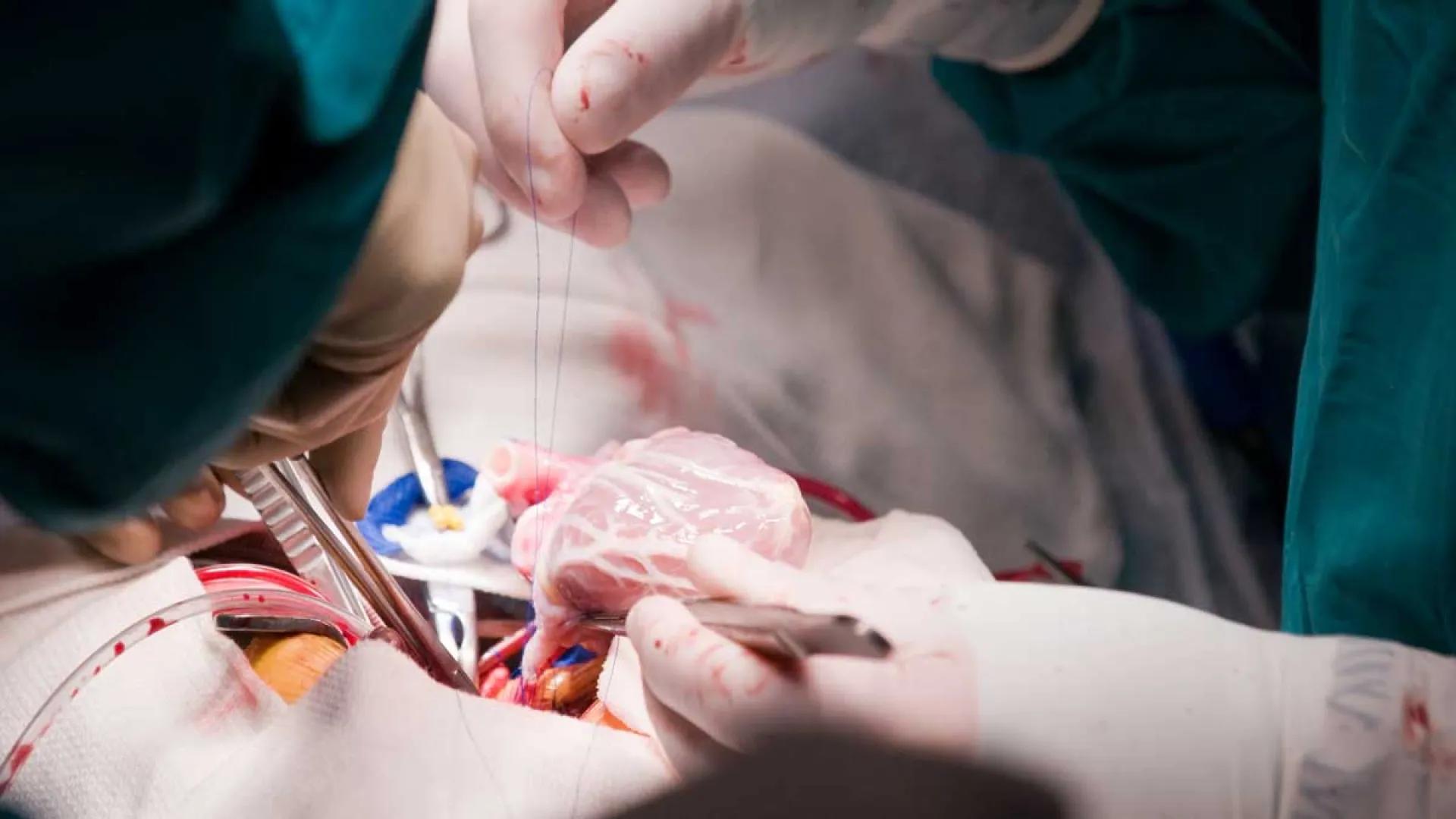
Cardiac Surgery by the Numbers in 2024
Featured News & Stories
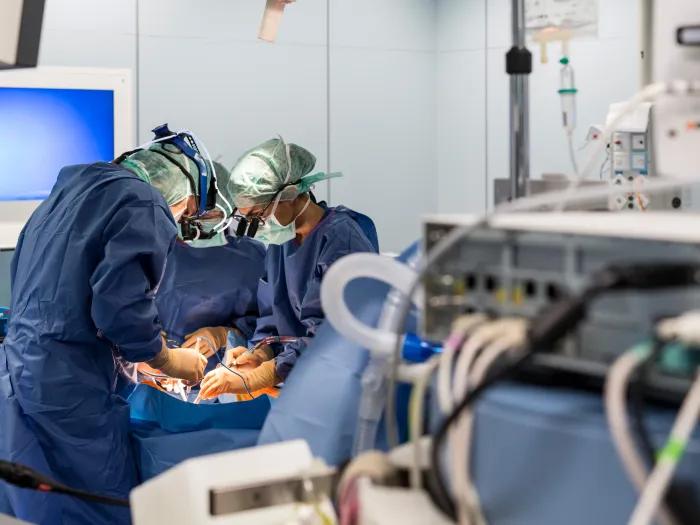
Reducing infections after heart surgery could save Medicare $441 million per year
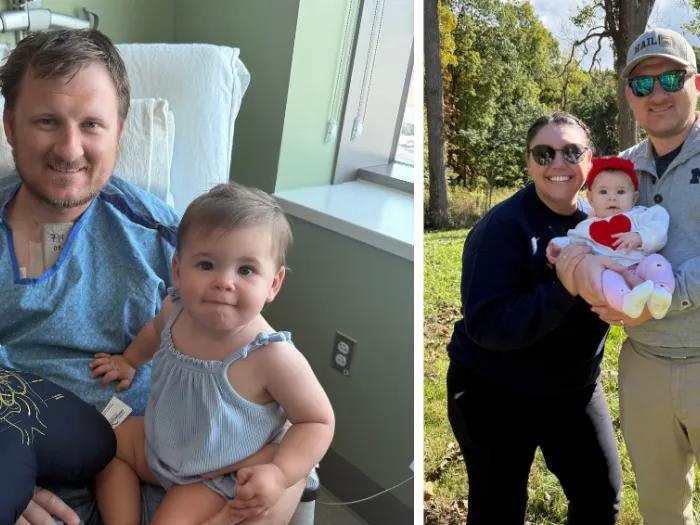
Young father survives aortic dissection after delayed diagnosis
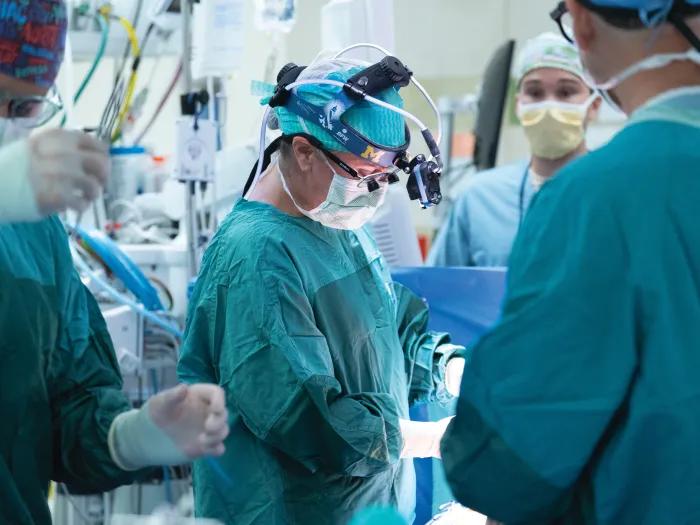
C.S. Mott Children’s Hospital first in country to implant expandable heart valve during FDA review phase
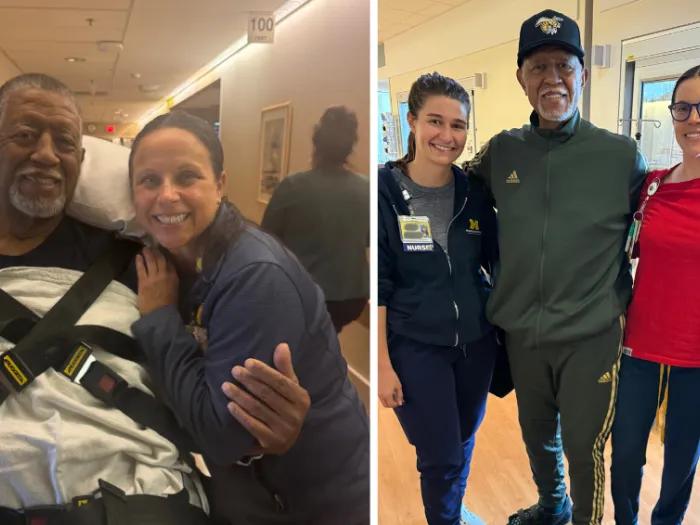
Tap dancer’s foot rescued after lifesaving heart surgery
Aortic valve replacement: Understanding TAVR and SAVR