
Advanced Rehabilitation Research Training Program in Community Living & Participation
The program is funded by the National Institute on Disability, Independent Living and Rehabilitation Research (NIDILRR), Administration for Community Living (ACL) Department of Health and Human Services in Washington D.C. Grant Award #90ARCP0003-01-00.
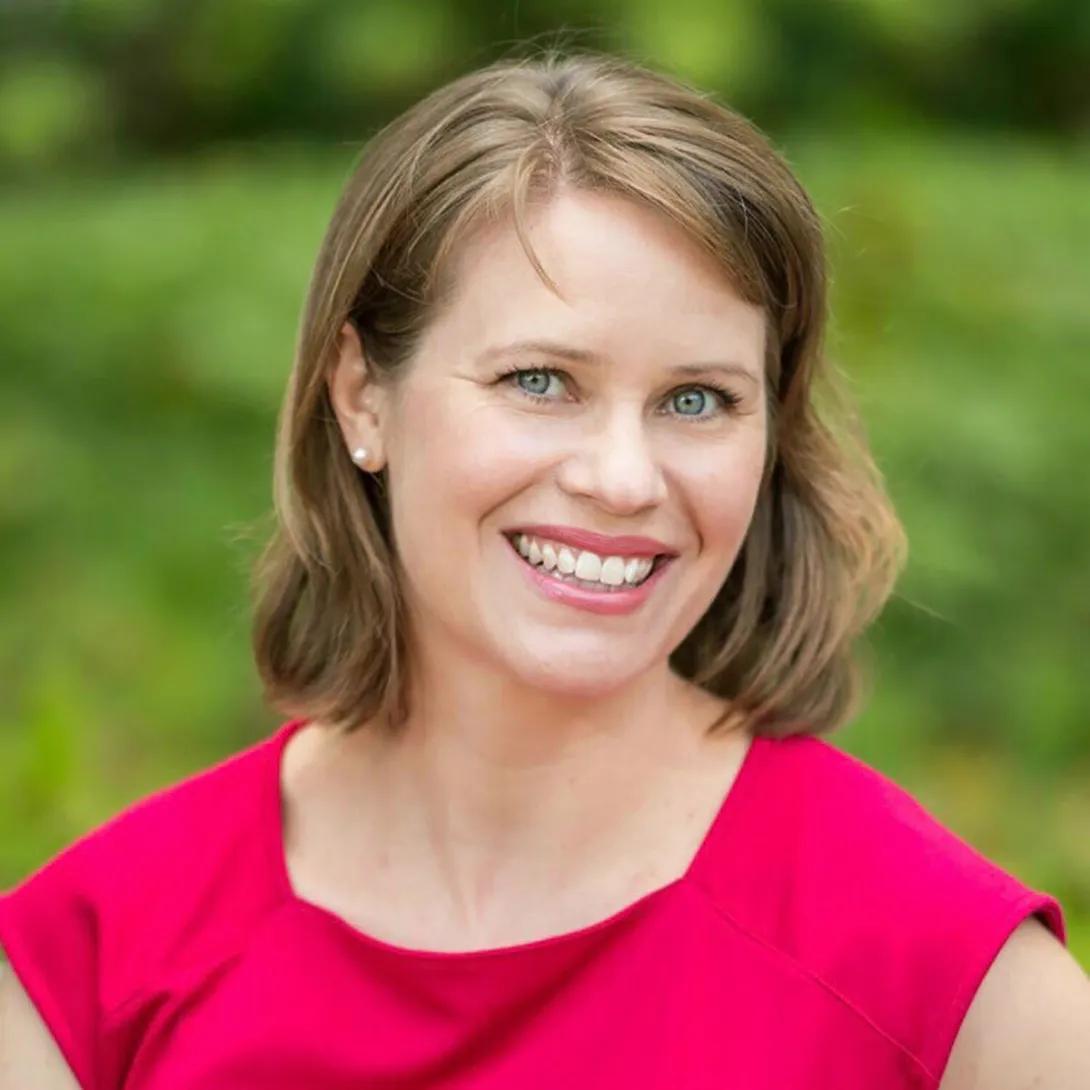
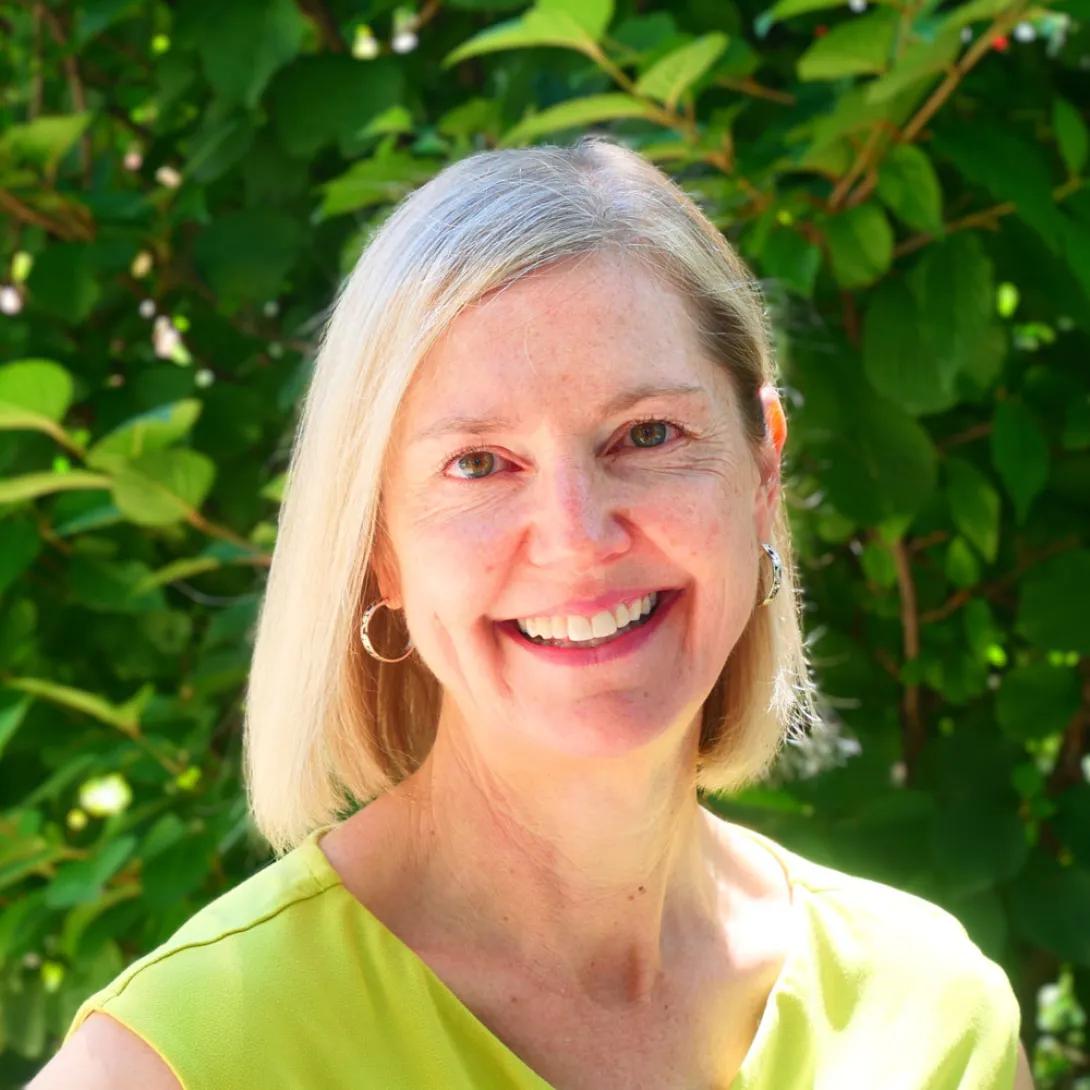
Directed by Drs. Susan Murphy and Anna Kratz, the U-M Medical School Department of Physical Medicine & Rehabilitation's program trains research post-doctoral fellows to advance the rehabilitation field in community living and participation, promoted by embracing community-based research approaches.
Eligibility & Expectations
Fellowship applicants must have a PhD or equivalent terminal degree (e.g., PsyD, DPT) in a health related field, such as rehabilitation psychology, speech and language pathology, nursing, occupational therapy, physical therapy, bioengineering, kinesiology, rehabilitation medicine, medical anthropology, public health, economics, etc. A commitment to research and community living and participation should be evident in the applicant’s cover letter, CV and letters of reference.
In addition of having academic mentors during fellowship, each fellow will also partner with a community mentor – a person with a disability – for further more in depth and personal exposure to community living and disability issues. Previous experience in research and writing or in disability and clinical care is desirable. Applicants with disabilities are encouraged to apply.
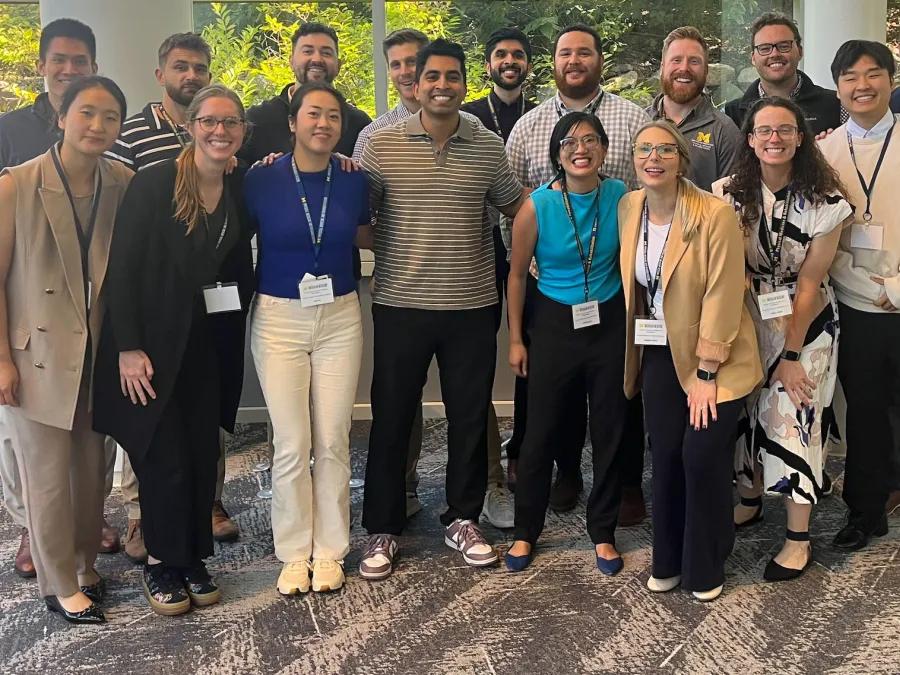
The ARRT training program opened my eyes to research approaches I was unaware of that can lead to meaningful change...I highly recommend the ARRT training program for those interested in developing important skills to make a significant contribution to our local and global communities.
Curriculum
A core curriculum will complement hands-on experiences, and include courses, seminars and workshops to train fellows in both qualitative and quantitative research methods. Additional opportunities include independent research projects, attendance at national conferences, networking and career development activities. Training in methods will focus on diverse community-based research approaches designed to capture community living and environmental, social and situational contextual factors.
Fellows will acquire knowledge and expertise in person-centered, community-engaged research aimed at improving community living and participation. They will acquire advanced research skills, learn how to engage with stakeholders through all phases of research, collaborate effectively with community partners while demonstrating competencies, and communicate the results of research to enhance community living and participation.
Salary & Benefits
The University of Michigan offers highly competitive salaries and tremendous benefits to our residents/fellows. An overview of salary, benefits and employment eligibility is available on the University of Michigan Medical School website.
Program Leadership
Anna L Kratz
Medical School
Susan Murphy, ScD, OTR
Research Professor
Institute of Gerontology
Professor of Internal Medicine
Medical School
See Where Training Takes Place
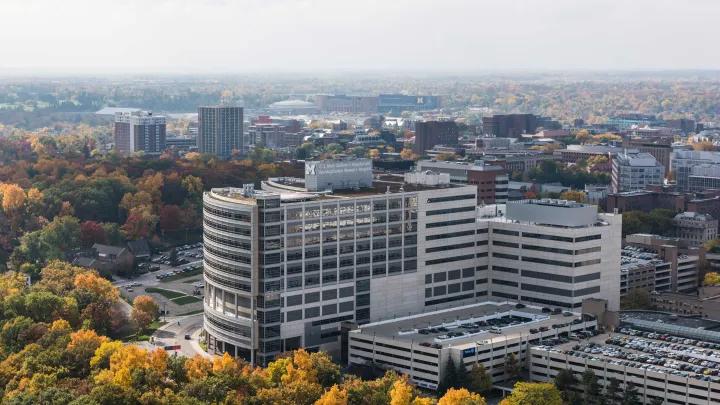
The U-M Medical School campus offers numerous spaces dedicated to academic learning, research and clinical care, including specialty clinics, research labs and more. Each space and facility provides a collaborative and innovative environment for education, research and patient care.
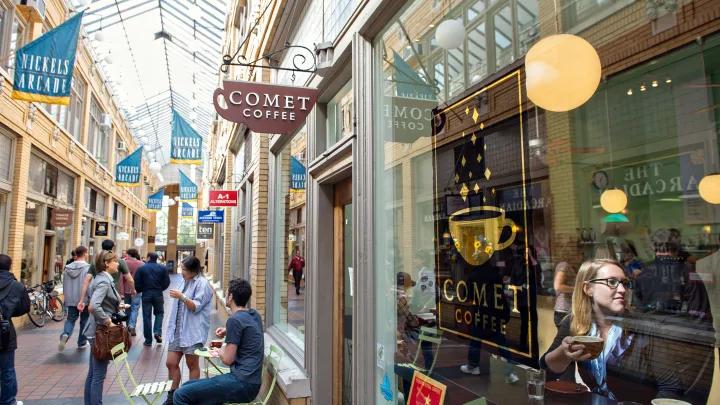
Life in Ann Arbor
We find a new reason to love Ann Arbor nearly every day — year-round outdoor activities, cultural experiences, a growing food scene, and a welcoming, family-friendly atmosphere are just a few that come to mind. Explore all that Ann Arbor and our surrounding communities have to offer.
