
Facility & Resource Profile Templates
These boilerplate descriptions are meant to be adapted by the user to fit his or her needs. (e.g., writing grant proposal resource sections, marketing, recruiting)
Simply copy the description below, paste it into your document, and revise the text as needed.
In order to keep this document accurate and up to date, we ask that users send additions or revisions to us anytime at ([email protected]). We will be constantly editing and updating to make this content as useful as possible.
Also visit the Medical School Grant Proposal Sampler, where additional resource profiles are available as part of sample proposals.
The University of Michigan is one of the best public research universities in the United States and a leader in higher education.
Since 1817, the University has provided a national model of a complex, diverse, and comprehensive public institution of higher learning that supports excellence in research, provides outstanding undergraduate, graduate, and professional education, and demonstrates commitment to service through partnerships and collaborations that extend to the community, region, state, nation, and around the world.
The University’s mission directs the institution “to serve the people of Michigan and the world through preeminence in creating, communicating, preserving and applying knowledge, art, and academic values, and in developing leaders and citizens who will challenge the present and enrich the future”.
Permeating all 19 Schools and Colleges, research is central to the University of Michigan’s mission and comprised over $2.13 billion expenditures in FY2026. The University of Michigan is a strong advocate of promoting collaboration and interdisciplinary research initiatives that involve faculty and students across the campuses. The University of Michigan Office of Research’s mission is to catalyze, support and safeguard the University’s research and scholarship.
The University serves its student body of more than 53,000, retains an eminent faculty of over 8,000, and its libraries hold more than 16 million volumes. Michigan's excellence in higher education rests on the outstanding quality of its schools and colleges, fifteen of which accept undergraduate students, as well as on the national recognition of individual departments and programs and on the many major scholarly and creative contributions of its faculty.
Many of its graduate programs are ranked Top Ten in their fields according to U.S. News & World Reports, indicating remarkable breadth and depth of excellence. Michigan is a national leader in securing private sector support from its friends and alumni; it has more than 710,000 living alumni around the world.
(Updated October 2026)
Michigan Medicine
At Michigan Medicine, we advance health to serve Michigan and the world. We pursue excellence every day in our twelve hospitals, hundreds of clinics, and home care operations that handle more than 3.1 million outpatient visits a year, as well as educate the next generation of physicians, health professionals and scientists in our U-M Medical School.
Michigan Medicine includes the top-ranked U-M Medical School and the University of Michigan Health System, which includes the C.S. Mott Children’s Hospital, Von Voigtlander Women’s Hospital, University Hospital, D. Dan and Betty Kahn Health Care Pavilion, Sparrow Health, University of Michigan Health-West, the Frankel Cardiovascular Center, and the Rogel Cancer Center. U-M Health is ranked as the best hospital in Michigan by the 2026-2027 U.S. News & World Report and is the only hospital in the state named to the Best Hospitals Honor Roll, with four specialties ranked among the top 20 nationally. The C.S. Mott Children’s Hospital is named the No. 1 children’s hospital in Michigan and ranked among the nation’s best in nine specialties evaluated by U.S. News & World Report for 2026–2027. The U-M Medical School is one of the nation's biomedical research powerhouses, with total external research funding of more than $800 million.
More information is available at www.michiganmedicine.org.
(Updated October 2026)
U-M Medical School
The University of Michigan Medical School began in the year 1850 with five faculty members, 90 students, and five physicians seeking additional training. The School currently has 4,368 faculty members teaching 771 medical students, 1,126 graduate students, 548 postdoctoral fellows, and over 1,300 GME interns and residents, as well as other groups of learners. The Medical School offers three faculty tracks: Tenure Track (901); Research Track (361); and Clinical Track (2,404). Included in the Clinical Track are 368 clinical instructors/lecturers.
The University has had notable "firsts" in medicine: it was among the first of the state-supported universities to have a medical school (1850), it had the first teaching hospital owned by a university (1869), and it had the first university department of roentgenology (1917). Given these circumstances, teaching and research were early priorities. Medical School alumni include Nobel Prize winners, a former U.S. Surgeon General, leaders of Fortune 500 companies, and faculty at the best educational and research institutions around the world. With over 20,000 alumni, the Medical School is a national leader in producing faculty members at academic institutions across the country. Thousands of University of Michigan Medical School graduates provide the highest quality of care to patients in the United States and throughout the world. Today the Medical School graduates approximately 170 physicians annually and is consistently ranked as one of the top institutions in the nation. The Medical School has twenty clinical and nine basic sciences departments, as well as the Unit for Laboratory Animal Medicine. Teaching, research, and clinical care often cross traditional departmental boundaries, particularly in the School's 40+ interdisciplinary research centers and institutes, including the Rogel Cancer Center, the Geriatrics Center, the Cardiovascular Center, and the Michigan Institute for Clinical and Health Research (MICHR).
Faculty members lead research efforts in a broad scope of basic and clinical science areas. In FY2026, the Medical School received $828.5 million in awards from all external sponsors. Annual research expenditures by the School's clinical researchers and biomedical scientists reached $753.8 million in FY2026. Additionally, UMMS is recognized as 9th in medical schools across the nation in NIH grants awarded (FY2025). In FY2026, Medical School researchers filed 333 reports of new inventions.
Fast Forward Medical Innovation initiative unifies Medical School efforts to nurture commercialization and entrepreneurship activity in close collaboration with U-M’s Innovation Partnerships office, which handles technology transfer issues. The initiative integrates activities of the Office of Research's Business Development group and the MTRAC for Life Sciences commercialization fund with partners across campus, such as the College of Engineering's Center for Entrepreneurship and the U-M Business Engagement Center.
In addition to their work in research and education, faculty in clinical departments provide inpatient and outpatient care within Michigan Medicine, which includes four major hospitals and multiple health centers and outpatient clinics. Medical School's physical plant comprises 43 buildings (including 29 at the North Campus Research Complex), encompassing 4.4 million square feet.
(Updated October 2026)
Michigan Institute for Clinical & Health Research (MICHR)
Behavioral Research Innovation & Support Program: The Behavioral Research Innovation & Support Program (BRISP) provides support, consultation, and training to enhance rigor in conducting behavioral and social science research. BRISP is available to faculty and staff who are new to behavioral research as well as experts who are seeking the latest resources and guidance on conducting behavioral research. BRISP also provides support for career development and advancement of behavioral and social science research professionals through its consultation and training opportunities. BRISP collaborates with a network of units across campus to build a repository of educational resources related to behavioral research conduct. BRISP works closely with units that support clinical trial conduct to tailor processes to optimally support behavioral clinical trials.
Biostatistics Program: MICHR’s Biostatistics Program offers post-award consultation and collaboration throughout the lifecycle of a study. Services include study implementation, abstract development, and manuscript development. MICHR’s biostatisticians provide expertise in randomization scheme development, development and implementation of statistical analysis plans (SAP), data quality assessment, and database review. Biostatisticians will serve as study co-investigators, study statisticians, data safety monitoring board (DSMB) independent statisticians, or statistical analysts.
Community Engagement Program: MICHR’s Community Engagement (CE) program fosters community-academic partnerships and community-engaged research (CEnR). CE develops, demonstrates, and disseminates strategies promoting translational science and the science of CEnR, and enhances the ability of community-academic partnerships to address community health priorities equitably across the state of Michigan. CE provides various services to support both community and academic partners, including consultation, education, and funding to support research projects in community-engaged settings. CE services are available to a broad base of partners, including academics, community members, health providers, and others engaged in collaborative research efforts to improve community and population health. MICHR also maintains strong and active relationships with community partners and organizations statewide that work together to foster university-community research partnerships and facilitate specific CEnR projects.
Dissemination & Implementation Science Catalyst: The MICHR Dissemination & Implementation (D&I) Science Catalyst Implementation Science Network (ISN) connects researchers to promote more innovative dissemination and implementation research to close the gap between science and practice and ultimately improve care in our health systems and communities. It offers assistance for investigators pursuing implementation science learning opportunities, including just-in-time grant development incubator sessions and learning collaboratives, conferences, courses, and resources on D&I frameworks, methods, measures for K and R grants, and examples of U-M implementation studies. It also promotes novel and competitive implementation science-driven initiatives by providing information about training, funding opportunities, D&I methods, and mentoring and networking opportunities. The ISN is focused on three goals: 1) Spark – Leveraging talent to promote implementation science learning opportunities, 2) Seed – Promoting novel and competitive implementation science-driven initiatives, and 3) Spread – Building Implementation Science capacity in health systems and communities.
Education and Mentoring Group: The Education and Mentoring Group (EMG) provides multidisciplinary education, career development, and mentoring programs for clinical and translational research teams across U-M. Offerings include programs such as the Mentored Clinical Scientists Career Development Program (MICHR K12), Predoctoral T32 training in translational science, Postdoctoral T32 training in translational science, and a pre-doctoral Translational Science Summer Immersion program. EMG also offers education and training initiatives including a summer immersion program to train new clinical research professionals, workshops and training resources for clinical research coordinators, clinical trials training for faculty and staff, and instruction in scientific writing, research methods, and responsible conduct of research. Additionally, EMG offers research and evaluation studies to demonstrate the impact of our competency-based approach to education and consultations to other U-M units regarding educational initiatives. EMG also provides the health community with access to online training resources through the DIAMOND portal. DIAMOND is a federated professional development platform that provides just-in-time training resources to clinicians and study team members that is tailored to their needs. Resources on the platform are curated from throughout the CTSA consortium.
EMG Facilities and Resources: The EMG has experience in the multimedia learning environment and can provide guidance to study teams regarding development of digital and just-in-time learning products. Our team of education experts can provide advice in the development of webinars, e-learning modules, and virtual learning and instruction.
Informatics Program: MICHR’s Informatics team consists of staff who have specialized knowledge and experience in clinical research systems and processes. Informatics develops, implements, and supports informatics software for clinical research investigators and currently provides researchers with several web-based systems. For example, REDCap (Research Electronic Data Capture) is a secure web-based application designed to support electronic data capture for clinical research studies. REDCap provides an intuitive interface for data entry, audit trails, automated export and import procedures, and advanced features such as branching logic and calculated fields. Informatics staff provide REDCap database development and maintenance support for single- and multi-center clinical and behavioral studies in accordance with standard operating procedures, good clinical practice, and applicable regulatory requirements. Informatics staff can be engaged with study teams to assist or design REDCap project databases built for efficient collection, management, and analysis of research data. In addition, Informatics has developed EMERSE (Electronic Medical Record Search Engine), which provides a self-service web-based tool for authorized users to search clinical notes from electronic medical records. Users can input their own terms or phrases and get results within seconds. The clinical notes include admission, discharge, and progress notes, as well as ambulatory care notes and notes from radiology, pathology, and other reports going back to 1998. Also, MICHR Informatics has developed UMHealthResearch.org (UMHR), a public website that allows participants to search for studies using various parameters and express interest in the studies that fit them. These volunteer participants create personal accounts with self-reported demographic and health information, and researchers create digital postings that describe their study and eligibility criteria. A matching algorithm continuously runs to link eligible volunteers with studies open for recruitment. UMHR currently has tens of thousands of registered volunteers interested in clinical research.
Interdisciplinary Research and Team Science Program: MICHR’s Interdisciplinary Research and Team Science Program provides resources to build collaborative capacity in research teams. Research Jams help cross-disciplinary teams overcome specific roadblocks such as surfacing and prioritizing shared research topics (Ideation Jams); developing a more holistic understanding of a research problem (Conceptual Framework Jams); identifying audiences and value propositions (Visioning Jams); defining their purpose, guiding principles, and pilot projects (Strategy Jams); responding to funding opportunity announcements (Proposal Jams); and accelerating publication (Writing Jams). A facilitated Collaboration Planning session helps teams think through their approach to collaboration, while a guided Systems Mapping workshop helps teams build a shared understanding of a system and identify leverage points for change. MICHR also offers Toolbox Dialogue Workshops, an evidence-informed method for surfacing and coordinating assumptions in a research project. The evidence-based Team Diagnostic Survey pairs data collection with team coaching to diagnose and track needed improvements in team structure and functioning. MICHR offers live training that builds teamwork competencies, including the Collaboration Kit Workshop and the CyberAmbassadors curriculum. On-Demand “do-it-yourself” resources help teams run productive meetings and draft collaborative manuscripts.
Network Based Research: MICHR’s Network Based Research (NBR) Program facilitates multisite research studies from the national Clinical Research Networks (CRNs). The NBR team connects Michigan Medicine (MM) faculty with CRN trial opportunities and brings faculty-initiated proposals to the CRNs for multisite participation. The NBR provides guidance on the multisite research process, consultation, cohort discovery, and offers informatics support for faculty on their comparative effectiveness research and pragmatic trials. NBR participates in the NIH NCATS CTSA Program, Trial Innovation Network (TIN); Patient-Centered Outcomes Research Institute® (PCORI®), PCORnet®, the National Patient-Centered Clinical Research Network; The PaTH Patient Empowered Research, Clinical Research Network, and the NIH NCATS National Clinical Cohort Collaborative (N3).
Patient Partners Program: The goal of the Patient Partners Program is to reimagine the role of individuals with lived experience in health research, and build the capacity of individual patients, family members, caregivers, and researchers to create authentic research partnerships. To achieve this vision, the Patient Partners Program is working with patients to co-design a Patient Partners Academy curriculum. This academy will train faculty and patient partners in strategies that optimally engage patients in research, with the goal of increasing patient leadership in clinical and translational research to ultimately impact health. Patients will learn how to engage in the co-creation of study design, grant applications, study conduct, and dissemination. The Patient Partners Academy will also prepare patients to serve as grant reviewers on study sections and mentors on career development awards.
Participant Recruitment Program: MICHR’s Participant Recruitment (PR) Program provides a variety of services for research teams in need of support to recruit, enroll, and retain participants. PR offers consultations to assist with recruitment analysis and strategic planning, development of robust recruitment plans and timelines, and cost estimation. PR also offers assistance with the creation of professional-quality marketing and advertising materials and with paid targeted social media advertising and community outreach. PR maintains the engaged volunteer registry, UMHealthResearch, a database where researchers can advertise their studies and be matched to >104,000 individuals interested in research participation. The tool recommends studies to participants based on topics of interest, medical conditions, and participants’ responses to health profile questions.
Pilot Grant Program: MICHR’s Pilot Grant Program offers funding for projects that propose addressing a common cause of inefficiency or failure in research projects at any stage of translation. The goal of pilot projects is to create scientific, operational, financial, or administrative innovations that will increase the efficiency and effectiveness of translational research, ultimately improving human health. MICHR partners closely with pilot grant awardees, connecting them to relevant resources and supporting them in overcoming challenges they may encounter during project implementation.
Research Development Core: MICHR’s Research Development Core (RDC) offers no-cost consultation to investigators during all stages of research ideation and proposal development. During consultations, the RDC team advises on hypotheses, specific aims, study design, biostatistics, future research directions, and resubmission strategy; matches research ideas with funding sources; and suggests potential collaborators and mentors. The RDC team has significant experience consulting on various types of proposals, from pilots to large-scale grants, and can meet iteratively with investigators as their research ideas and proposals take shape.
Statewide Clinical Research Partnerships: The Statewide Clinical Research Partnerships (SCRP) team supports Michigan Medicine (MM) researchers conducting clinical research at/with the U-M Health Statewide Network of Care sites (“network sites”) by (1) serving as the central point of coordination for MM researchers seeking to partner with network sites; (2) identifying gaps and developing new pathways to facilitate partnerships between MM researchers and network sites; (3) shepherding study teams through the appropriate administrative and regulatory channels, and (4) providing research regulatory assessment and research infrastructure evaluation across network sites. Services for MM researchers include consultation and study-specific support.
Translational Innovation Program: Through a blend of human-centered design, meaningful experimentation, and systems thinking, MICHR’s Translational Innovation Program (TIP) actively catalyzes diverse projects that bring together multiple stakeholders, including researchers, community members, technologists, and domain experts. Through services that range from one-off consultations to in-depth partnerships, TIP has helped research teams co-create human-centered service designs, patient- and community-centered health services, easy-to-use digital products for health interventions, and systems that promote connection and collaboration.
(Updated July 2026)
Institute for Healthcare Policy and Innovation (IHPI)
The Institute for Healthcare Policy and Innovation (IHPI) is the nation’s largest university-based community of health services researchers, uniting more than 800 University of Michigan (U-M) faculty members to solve complex and timely challenges within healthcare policy and practice. IHPI members represent diverse disciplines across 17 U-M schools and colleges on the main Ann Arbor campus and several academic units on U-M’s Flint and Dearborn campuses. The Institute strategically aligns broad expertise across fields such as medicine, public health, nursing, social work, public policy, engineering, business, dentistry, law, information, pharmacy, social sciences, and more. IHPI also encompasses 37 affiliated health services research-focused centers and programs at U-M, many of which predate the Institute and originally provided the collective momentum to establish it. The U-M Board of Regents approved the creation of IHPI in May 2011.
Mission, Vision, Values, and Strategic Priorities
Mission
Foster innovative, interdisciplinary research to inform policies and practices that advance the equity, quality, safety, and affordability of healthcare, and improve health for individuals, families, and communities.
Vision
The IHPI community strives to improve health and well-being throughout Michigan, our nation, and the world through collaborative research and learning, rigorous evidence, robust communication, and policy engagement.
Values
Scientific excellence: Foster high-quality, rigorous research to produce credible evidence for improving health and healthcare delivery.
Policy relevance: Promote research with the greatest potential to inform policies that impact health and healthcare.
Interdisciplinarity: Cultivate effective collaboration across disciplines, within and beyond the University, applying collective knowledge to address the most challenging problems in health and healthcare.
Integrity: Fulfill the highest ethical standards for independent, impartial research.
Innovation: Encourage creative ways of thinking, problem-solving, and collaborating to catalyze novel health services research.
IHPI’s Strategic Priorities include the areas of AI and healthcare; child, adolescent, and maternal health; climate change and health; healthcare delivery and financing; health equity and disparities; healthy aging; Medicaid; mental health; prevention and population health; the quality, safety, and value of healthcare; substance use; telehealth and health information technology; and women's health. Developing the next generation of healthcare leaders and scientists is another key focus of IHPI. The Institute provides support to early-stage investigators through mentorship from senior scientists, connections with experts in innovative methodological and analytical approaches, and regular seminars and workshops to help strengthen research, policy engagement, and leadership skills. The Institute is also one of six host sites for the National Clinician Scholars Program, which trains clinicians as change agents driving policy-relevant research and partnerships to improve health and healthcare.
Core Services and Programs: The Institute offers several core services and programs to help catalyze and enhance the research impact of IHPI members. IHPI’s Data and Methods Hub can facilitate access to data resources and provide analytical and methodological support. IHPI’s Communications and Policy Engagement teams collectively provide tools and advice for IHPI members to create a greater impact on health policy and healthcare delivery through their research. These teams help communicate research findings to policymakers, the media, and the public, and facilitate connections between IHPI researchers and these stakeholders. IHPI also offers an array of education and training programs to support ongoing professional development, with a special focus on early-career faculty members.
Space, Facilities, and Intellectual Environment
IHPI’s administrative home at U-M's North Campus Research Complex (NCRC) provides a centralized venue and robust resources to convene researchers physically and virtually. The IHPI footprint includes nearly 90,000 square feet of physical space within NCRC, including dedicated workspace for more than 600 IHPI members, staff, and trainees. Meeting spaces are equipped with A/V communication technologies and are available for use by all IHPI members regardless of where their primary office is located. IHPI administration supports several collaborative workspaces for IHPI members and encourages them to use these spaces for limited duration projects. Flexible workspace for faculty not housed at NCRC is also available. Finally, IHPI organizes formal and informal networking opportunities, both at NCRC and across campus, to develop and enhance research collaborations around common interests and connect IHPI members to the Institute’s services and programs. These include several research networks and interest groups within the greater IHPI community to connect members from across campus with shared research and policy interests.
Faculty and research staff from the VA’s Center for Clinical Management Research are also co-housed in VA-controlled space within the IHPI footprint, providing valuable collaborative opportunities. In addition, many of the affiliated centers and programs, including the Susan B. Meister Child Health Evaluation and Research Center (CHEAR), Center for Healthcare Outcomes & Policy (CHOP), and Center for Bioethics and Social Sciences in Medicine (CBSSM), also have office space at NCRC.
(Updated June 2026)
Fast Forward Medical Innovation (FFMI)
With 286 invention disclosures in 2025, U-M has tremendous potential to create a positive impact on human health and society. To facilitate the translation of discoveries to impact, the Fast Forward Medical Innovation (FFMI) program was established in 2014 to accelerate the transformation of biomedical innovations into patient and health impact.
While the number of academic medical center innovation programs around the nation is growing, FFMI remains unique in its integration of commercialization education, industry engagement via a business development team, mentorship and funding opportunities, and a dynamic fund focused on supporting pioneering life science startups with U-M licensed intellectual property. The combination of these strategically integrated focus areas enables FFMI to build and nurture a culture supportive of biomedical innovation with the goal of accelerating new products coming to market, as well as to catalyze clinical-translational scientists to think differently about their research.
FFMI’s Key Strategies:
Commercialization Education: FFMI provides a broad spectrum of commercialization and training opportunities. The personalized education approach and valuable mentorship result in a real-world understanding of the strategy and tactics needed to successfully translate research to market.
Business Development: FFMI helps build productive academic-industry partnerships, and provide support in navigating the many world-renowned departments and programs available at Michigan Medicine. The Business Development team’s experience and expert understanding of the business process help strengthen these relationships and ensure successful project execution.
Mentorship & Funding: FFMI provides idea consultations to explore how research can translate out of the university onto a successful path to commercialization, including opportunities for funding and other valuable resources.
Michigan Biomedical Venture Fund (MBVF): FFMI helps accelerate life-changing treatments and technologies from U-M through seed-stage investments and start-up support. MBVF is a collaborative effort between FFMI and the College of Engineering’s Center for Entrepreneurship.
(Updated June 2026)
Central Biorepository (CBR)
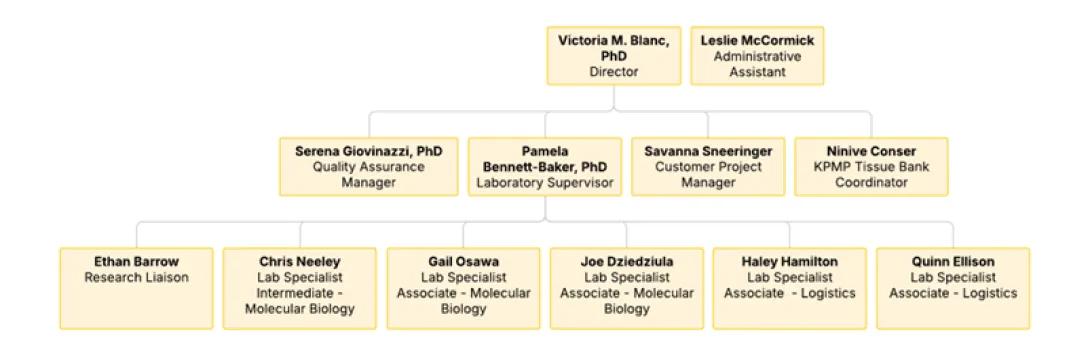
The Central Biorepository (CBR), a unit of the University of Michigan Medical School (UMMS) Office of Research, is a state-of-the-art research facility that advances discovery and improves healthcare outcomes by providing high-quality, well-annotated biospecimens donated for basic, clinical, and translational research. The CBR follows, and often exceeds, biospecimen best practices outlined by the International Society for Biological and Environmental Repositories (ISBER). It has been accredited by the College of American Pathologists (CAP) Biorepository Accreditation Program since 2014, with zero deficiencies noted in the past three accreditation cycles (2021, 2023, and 2025). The UMMS provides central support for the unit through equipment purchases such as freezers, laboratory automation, and computers, software licensing fees, and staff, including support for the director, a quality assurance manager, a laboratory supervisor, and a customer project manager (Figure 1). The Medical School also supports a team of six dedicated business systems analysts (BSA) who configure and manage the LabVantage (LV) laboratory information management system (LIMS) exclusively for CBR biobanking. Biorepository research services, such as biospecimen collection kit production, sample receipt and storage, molecular processing, aliquoting, and distribution, are available to investigators at institutional recharge rates that finance the purchase of laboratory consumables, reagents, equipment maintenance, and technical staff salaries.
Figure 1 Organization of the University of Michigan Central Biorepository
The CBR occupies 4,200 square feet, including a 2,200-square-foot biospecimen storage area and a 2,000-square-foot wet lab. Access to the CBR is restricted to badge-only entry for authorized personnel. The CBR currently manages 47 biobanking projects for both internal and external sponsors, including NIH programs. The department is responsible for more than 800,000 biospecimens stored in various environments, such as -196°C liquid nitrogen (LN2) vapor, -80°C, -20°C, +4°C, ambient, and inert atmospheric conditions (N2 gas) (See Table 3). Current capacity exceeds 1,800,000 biological samples, and with additional room to store more than 3,000,000 biospecimens (Table 1).
Table 1: CBR Capacity by Storage Unit Type: Current, Growth, and Total
| Storage Unit Type | Storage Unit Capacity | Current Capacity | Growth Capacity | Total Capacity |
| -196°C LN2 vapor freezer | 65,600 V | 984,000 V | 656,000 V | 1,640,000 V |
| -80°C freezer | 46,700 V | 840,600 V | 513,700 V | 1,354,300 V |
| +4°C refrigerator | 25,900 V or 8,600 T | 25,900 V or 8,600 T | 77,700 V or 25,800 T | 103,600 V or 34,400 T |
| Ambient Slide | 4,600 S | 9,200 S | 41,400 S | 50,600 S |
| Ambient inert N2 storage | 12,600 S | 12,600 S | 12,600 S | 25,200 S |
| Ambient Tissue/Cassette | 5000 T | 5000 T | 15000 T | 20,000 T |
V 2 ml cryovials; T FFPE blocks/tissue cassettesS; microscope slides
Frozen samples are stored in monitored and alarmed LN2 vapor-phase cryogenic freezers and -80°C mechanical freezers. Two 3,000 L external bulk tanks supply LN2 on demand to cryogenic freezers via overhead vacuum-jacketed piping. Mechanically cooled units rely on 110V and 220V electrical power, connected to an uninterruptible power supply (UPS) and two 1.5 MW diesel generators, which activate automatically during power outages. CO2-compressed gas cylinders serve as backups for mechanical failures (e.g., compressor failures) in -80°C freezers, and LN2 vapor-phase units can maintain cryogenic temperatures for up to 9 days if unopened. Additionally, the CBR maintains 10% empty storage capacity in each cooled environment for emergency transfer of biospecimens. Storage temperatures, including ambient and laboratory humidity, are continuously monitored using a web-based system called TempTrak managed by UMMS. NIST-traceable TempTrak probes and transmitters send data every five minutes via a 900 MHz signal to UMMS-owned servers linked to TempTrak software. If any monitored parameter falls outside the acceptable limits, TempTrak automatically triggers an alarm and notifies 24/7 on-call staff for immediate investigation and response.
In addition to biospecimen storage, the CBR provides a range of sample processing services, including sample aliquoting, DNA and RNA isolation, nucleic acid quantification, and PBMC isolation and preservation. (Table 2).
Table 2: Central Biorepository Services
| Service | FY24 | FY25 | FY26 YTD |
| Biospecimen kits | 15,888 | 21,731 | 7,954 |
| Samples received | 63,889 | 78,289 | 36,955 |
| Samples Processed | 28,335 | 31,190 | 10,799 |
| Samples distributed | 22,437 | 26,244 | 15,370 |
CBR logistics staff are skilled in producing bespoke biospecimen collection kits tailored to study requirements. Each biospecimen container is labeled with a unique barcode ID to ensure a secure chain of custody from collection through storage and analysis. CBR staff are also trained in biospecimen receipt, proper handling, and quality control (QC) of tens of thousands of biospecimens annually. Quality control procedures at the CBR include 1:1 reconciliation of sample manifests with physical specimens, inspection for damage, and assessment of shipping conditions. Any non-conformities are linked to the sample in LV and documented in the CBR deviation management system for review and corrective action. The appropriate study team is promptly notified of the issue. The CBR molecular biology team performs biospecimen processing, including aliquoting, DNA and RNA isolation, nucleic acid quantification, and PBMC isolation and preservation. Automated liquid-handling instruments, biosafety cabinets, and aseptic techniques are employed to prevent errors, protect staff, and maintain sample integrity. Analytical instruments assess the quality and quantity of biospecimen derivatives (Table 3). Proper packaging and specialized shipping containers, like cryoports, ensure the maintenance of correct temperatures during shipment. Upon request, the CBR includes temperature probes and dataloggers for dry-ice shipments to verify and monitor the cold chain. All logistics personnel are trained in International Air Transport Association (IATA) rules and regulations and regularly coordinate distribution of samples to qualified and approved end users worldwide.
Table 3: Major CBR Equipment (Number of units currently in service if more than one)
| Storage | Sample Processing and Laboratory Automation | QC and Analytical | Logistics |
|---|---|---|---|
| Chart MVE 1800 Series Cryogenic Freezer (15) | PerkinElmer Chemagic Prime 4 Liquid Handler | Agilent Tapestation 4200 | Small MVE Cryoport (24) |
| Liquid Nitrogen Supply, 3000 L Bulk Tanks, (2) | Qiagen QIASymphony Liquid Handler | BIOTEK CYTATION 3 Imaging reader | Large MVE Cryoport (2) |
| PHCbi -80°C Freezer (16) | TECAN Freedom Evo 200 Liquid Handler | Countess 3 Automated Cell Counter | Madgetec Cryo-Temp Datalogger & probes (38) |
| Panasonic -80° Freezer (2) | Beckman Avanti J-15 Clinical centrifuge | Lonza Flashgel System | Scale Ohaus SD Series Bench Scale |
| Revco +4°C Refrigerator (2) | Eppendorf 5810R Centrifuge (2) | Mettler Toledo Balance | MeasureTek Shipping Scale |
| CO2 Backup Supply, 50 lb cylinders (16) | Eppendorf 5424R Microcentrifuge (2) | NIST digital thermometer (4) | Barcode scanner (12) |
| Thermo +4°C Refrigerator | Brady Printer i5100 (3) | Olympus BX41 Microscope | |
| Slide Storage, Ambient, Labstack Drawer Shelf (2) | Baker SteriGARD Biosafety Cabinet | ||
| Tissue/Cassette Storage, Ambient, Multi-shelf (3) | NUAIRE Biosafety Cabinet | ||
| Cleatech Nitrogen Flushed Desiccator Cabinet, Ambient (2) | LabConco Logic+ Biosafety Cabinet | ||
| Chart MVE Cryocart (2) | BMC Laboratory Fume Hood | ||
| GfG IR22 CO2 Sensor (4) | Primera Cassette Printer | ||
| GfG O2 Sensor (4) | |||
| TempTrak Probes and Transmitters (118) |
Biorepository processes are governed by a comprehensive Quality Management Program (QMP) to ensure the integrity of specimens is preserved throughout storage and processing at the CBR. The QMP includes robust Quality Assurance (QA) and Quality Control (QC), promoting compliance, consistency, and continuous improvement (Figure 2). The QMP incorporates version-controlled standard operating procedures (SOPs), recordkeeping, scheduled and documented equipment calibration and maintenance, internal audit procedures, information system backups, and personnel training programs with competency assessments. Controlled documents are maintained in the MediaLab document control system. Biospecimen chain of custody is secured and tracked throughout the sample lifecycle using unique identifiers and barcodes, along with study-specific configurations in LV. The CBR maintains continuity of operations and contingency plans to ensure the integrity and security of stored biospecimens in case of incidents or disasters, including redundant power systems, regular alarm testing, and documented emergency response procedures.
(Updated June 2026)
Unit for Laboratory Animal Medicine (ULAM)
Boiler plate language for grant applications is below. For additional grant preparation materials, please visit ULAM’s Proposal Preparation Resource page. If you have questions regarding additional metrics (e.g. animal facilities, building location, square footage), please contact [email protected].
Grant application boiler plate language:
Animal husbandry will be provided by Unit for Laboratory Animal Medicine (ULAM) staff under the guidance of supervisors who are certified by the American Association for Laboratory Animal Science (AALAS). Veterinary services – including clinical care and pathology – will be provided by ULAM faculty members (16), veterinary residents (7), and veterinary technicians (~14). As of July 1, 2026, 12 members of the faculty are diplomates of the American College of Laboratory Animal Medicine (ACLAM), 3 faculty members are diplomates of the American College of Veterinary Pathology (ACVP), and 1 faculty member is a diplomate of the American College of Veterinary Surgery (ACVS). Veterinarians are available during regular business hours, and are on-call after hours, on weekends, and holidays. Directions for obtaining emergency veterinary care are posted throughout the vivarium and on the Program website.
The University of Michigan is accredited by AAALAC International, and the Animal Care & Use Program conforms to the standards outlined in the Guide for the Care and Use of Laboratory Animals (NRC 2011). The Program includes required inspections of animal facilities, review of all funded projects for humane use of animals, and the appropriate use of surgical anesthesia, analgesics, and tranquilizers. The University of Michigan has an approved assurance statement on file with the Office of Laboratory Animal Welfare (OLAW) regarding these matters.
(Updated July 2026)
Biomedical Research Core Facilities (BRCF)
Biomedical Research Core Facilities (BRCF), a unit of the University of Michigan Medical School Office of Research, are campus-wide laboratories that provide state-of-the-art scientific resources to facilitate biomedical research. Formed in 1986, the BRCF offers centralized access to research services, shared equipment, and technical expertise. Our mission is to foster an environment of innovation and efficiency that serves our research community and supports biomedical science from insight to impact.
Core Facilities aim to ensure centralized access to the latest instrumentation and services for investigators, avoiding the duplication of institutional expenses and efforts. Core instrumentation is regularly upgraded to keep pace with the rapid advances in biomedical research. Cores have highly trained staff to carry out investigator projects, and provide workshops and training opportunities to researchers, enhancing efficiency, rigor, and reproducibility for multiple users.
The BRCF is a fee-for-service provider, offering these services at a reasonable cost. We use MiCores as a single portal for investigators to request services from our facilities. MiCores is a scheduling, billing, and reporting system that is fully integrated into the University of Michigan financial system.
The BRCF Advanced Genomics Core (AGC) occupies approximately 11,000 sq. ft. in the University of Michigan North Campus Research Complex (NCRC). This BRCF core provides centralized, cost-efficient genomic analyses to all Michigan researchers. Established in 1993, the AGC has grown into a full-service facility employing 28 FTEs and supporting next-generation sequencing (NGS), single-cell, spatialomics, microarrays, and related genomic technologies, enabling a range of modern ‘omics applications. The AGC IT team performs base calling and QC, executes initial analysis pipelines as needed, and ensures proper, stable delivery of data to end users. The AGC is in a growth phase, having recently expanded short-read sequencing capacity with the addition of an Ultima Genomics UG100 and in situ spatial capabilities with the installation of a Bruker CellScape instrument and a Singular Genomics G4X.
The BRCF Bioinformatics Core helps researchers identify and interpret patterns in RNA, DNA, and proteins by placing sequencing or mass spectrometry data into a biologically meaningful context. Support offered includes assisting with experimental design, training in analysis execution, developing reproducible workflows, analyzing data, and supporting manuscript development/publication.
The BRCF Epigenomics occupies 1,250 sq. ft. on the University of Michigan medical campus in the Medical Science Research Building II (MSRB II). This core provides resources and services to prepare samples for analysis in genome-wide epigenetic regulation. Sample quality control, assay-specific sample processing, and library preparation are performed by two highly trained staff. Prepared samples are submitted to the Advanced Genomics Core for sequencing or Illumina Bead Array. Data undergo quality assessment by a dedicated Epigenomics Core bioinformatician before being released to the researcher.
The BRCF Flow Cytometry Core occupies 3,412 sq. ft. across three locations, two on the University of Michigan’s medical campus and one in the University of Michigan North Campus Research Complex (NCRC) to serve a broad research community. This core provides experimental and assay design as well as access to and expertise with state-of-the-art flow cytometry technologies and analysis tools. Samples are prepared by individual investigators and submitted to the core for flow cytometric analysis or cell sorting. Alternatively, researchers may be trained to operate the instrumentation independently, with 24-hour access to the facility.
The BRCF Metabolomics Core laboratories occupy approximately 3,000 sq. ft. of laboratory space on the 6th floor of the Brehm Tower of the University of Michigan medical campus. This facility provides access to modern mass spectrometers and other state-of-the-art instrumentation to address a wide range of research projects requiring metabolomics. The focus of the laboratory is on the characterization and quantification of small molecules with special emphasis on biomarkers, drugs, and drug metabolites. Under appropriate circumstances, the facility offers training for independent operation of instruments as well as sample analysis by facility personnel.
The BRCF Microscopy Core is a centralized, shared instrumentation facility occupying over 3,000 sq. ft. in the Biomedical Sciences Research Building on the University of Michigan medical campus. Smaller satellite sites are in the Medical Science II building on the medical campus and at the North Campus Research Complex (NCRC). The core features cutting edge equipment for both light and electron microscopy and supports facility users’ projects from conception through publication by providing consultation, training, and assistance with data acquisition and analysis. Biological sample preparation and sectioning for electron microscopy is also offered. The core is staffed by six highly trained and experienced imaging scientists with expertise in advanced light and electron microscopy and imaging techniques.
The BRCF Proteomics Resource Facility (PRF) occupies 1,650 sq. ft. of space in the Medical Science Research Building II (MSRB II) on the University of Michigan medical campus. This core provides identification of proteins from multiple sources such as Coomassie and Silver-stained gels, shot-gun proteomics analysis of complex mixtures using two-dimensional liquid chromatography (2D-LC), identification of post-translational modifications, and quantitative proteomic profiling using label-free and heavy isotope-labeled technologies such as stable isotope labeling of amino acids in culture (SILAC), and Tandem Mass Tags. The mass spectrometry data are analyzed through various public (Trans-Proteomic Pipeline and MaxQuant) or commercially available software suites (ProteomeDiscoverer, PEAKS X). Analysis and short-term data storage are performed on a HP Z8 G4 computer (96 GB RAM and 6 TB storage). Additional or advanced bioinformatics support is provided by Dr. Nesvizhskii’s group as part of a collaboration (depending largely on the scope of the project).
The BRCF Transgenic Animal Model Core (TAMC) occupies 3,095 sq. ft. in the Medical Science Research Building I and II buildings on the University of Michigan medical campus. This core provides end-to-end services around the generation and characterization of genetically engineered animal models. The TAMC established CRISPR/Cas9 genome editing technology in May 2013 and have used it to produce over 450 new gene-edited mouse and rat models. Core staff are also proficient in producing transgenic mice with plasmid-based DNA transgenes. Extensively trained FTEs offer a full suite of assisted reproductive technology, including mouse in vitro fertilization with frozen sperm, mouse sperm cryopreservation, mouse embryo cryopreservation and recovery. New additions to services include novel long read sequencing methods and bioinformatic pipelines for fully characterizing new and existing genetically altered animal models.
The BRCF Vector Core occupies 2,488 sq. ft. on the University of Michigan medical campus in the Medical Science Research Building II (MSRB II). This core produces gene transfer vectors that facilitate the transfer of specific genes into either normal or aberrant cells. The core also provides intellectual and technical advice to researchers regarding the optimal use of these systems.
(Updated June 2026)
Institutional Review Board (IRBMED)
The purpose of an IRB is to ensure the protection of the rights, safety, and welfare of human subjects in research. The IRB performs this task by applying federal regulations, state laws, university policies, and ethical principles, particularly those articulated in the Belmont Report (beneficence, respect for persons, and justice) to the research under its oversight.
The Institutional Review Boards of the Medical School (IRBMED) are charged with the oversight of all human subjects research conducted by Medical School faculty, students, and staff at Michigan Medicine facilities or sites. Additionally, IRBMED has oversight of all U-M studies subject to Food & Drug Administration (FDA) regulations or the requirements associated with the Health Insurance Portability and Accountability Act (HIPAA). The IRBMED is composed of six distinct Boards (A1, A2, B1, B2, C1, C2) with approximately 120 members in total.
Some U-M researchers may need to cede IRB oversight to an external (non-U-M) IRB. U-M is a signatory to the SMART IRB master reliance agreement, which facilitates the establishment of IRB reliance arrangements with external institutions. U-M also has master reliance agreements with the Central Institutional Review Board for the National Cancer Institute (NCI CIRB) and commercial IRBs including Advarra and WIRB Copernicus Group (WCG). U-M faculty and student researchers outside of the Medical School and Michigan Medicine will apply to the Health Sciences and Behavioral Sciences IRB (IRB-HSBS) for oversight of their research (instead of IRBMED) unless their research is subject to regulation by FDA or the requirements of HIPAA.
In addition to review, approval, and oversight of human subjects research, IRBMED offers presentations on topics important to Med School and Michigan Medicine researchers, invites special speakers to present to the U-M research community, and provides workshops on IRBMED processes throughout the year and upon request. In addition to IRBMED offerings, IRBMED and the U-M Human Research Protection Program (HRPP) also offer other research education opportunities. Additional educational offerings include both contextual content (e.g., federal regulations, special considerations, writing a consent form) and technical content (e.g., IRBEMD application completion and submission instructions).
(Updated July 2026)
Rogel Cancer Center (Rogel)
The mission of the University of Michigan (U-M) Rogel Cancer Center (Rogel) is to reduce the burden of cancer and advance health equity through transdisciplinary collaboration in research, education, patient care and community outreach. The vision is to be a leader in prevention, early diagnosis, optimal treatment and care for all at risk of or affected by cancer.
Rogel has a distinguished history of excellence and impact in research, education, clinical care, and outreach and service. Founded in 1986 by Dr. Max Wicha as the U-M matrix cancer center, Rogel received National Cancer Institute (NCI) designation in 1988 and “comprehensive” status in 1991. Rogel is led today by Eric Fearon, MD, PhD, named Director in September 2016. The center has grown to over 385 core grant members with over $120 million per year in direct cost research support. Rogel provides an organizational framework to promote transdisciplinary cancer research through the development of well-funded basic, translational, clinical, and prevention programs and the development of shared resources. The Rogel Cancer Center’s six Research Programs includes four basic programs – Signaling and Tumor Microenvironment, Cancer Genetics, Hematological Malignancies, and Developmental Therapeutics; one clinical/translational program – Translational and Clinical Research; and Cancer Control and Population Science. To advance these efforts, Rogel supports 13 Shared Resources and two developing Shared Resources: Cancer Data Science; Cell and Tissue Imaging; Experimental Irradiation; Flow Cytometry; Health Communications; Immune Monitoring; Pharmacokinetics; Preclinical Molecular Imaging; Structure and Drug Screening; Tissue and Molecular Pathology; Transgenic Animal Models; Proteomics; Single Cell Spatial Analysis; Epigenetics and Epigenomics (developing); and Liquid Biopsy (developing).
The Rogel Cancer Center occupies a dedicated Cancer Center Building encompassing >95,000 sq ft of research space (with 5,000 sq ft for an animal facility), and 125,000 sq ft of clinical space comprised of many outpatient clinics and infusion space. A Phase I unit offers first-in-human trials with an adjacent translational research laboratory. The Rogel Cancer Center also has over 65,000 sq ft in the North Campus Research Complex (NCRC) which houses shared core facilities, basic science, translational, and behavioral sciencesresearchers and laboratories, and the majority of Rogel’s Oncology Clinical Trials Support Unit (O-CTSU) personnel (pre-/post award financial management, regulatory, data management, multisite coordination and IT support). Rogel’s Community Outreach and Training and Education personnel are also located at NCRC. Rogel has an additional >8,000 sq ft of space in the University Hospital South building for O-CTSU clinic coordination and research nursing staff operations.
(Updated June 2026)
Clinical Trial Support Office (CTSO)
The Clinical Trials Support Office (CTSO) is the central hub for the trans-departmental Clinical Trials Support Units (CTSUs), providing enterprise-wide leadership, standards, policies, and a common infrastructure for clinical research at Michigan Medicine.
The CTSUs are business units that partner with investigators and their teams to ensure timely activation and efficient execution of clinical research at Michigan Medicine. Recognizing that institutional resources with deep expertise are already available in several units, the CTSUs partner with these units to strategically shepherd clinical research as the administrative process continues to be streamlined. Leveraging resources such as the Michigan Institute for Clinical & Health Research (MICHR) and the Medical School Regulatory Affairs team provides Study Teams with comprehensive and robust support without duplicating effort.
Clinical Trials Support Units
The Clinical Trials Support Units provide comprehensive support to study teams, offering high-quality and efficient service in support of a mix of clinical trials. The CTSUs provide a professional environment of expert personnel accessible to all investigators, especially early-career faculty. When working with the Support Units, non-oncology studies are supported by the M-CTSU,, and oncology studies are supported by the O-CTSU.
Clinical Trials Management System
OnCore
All clinical research being serviced by a CTSU will be managed in OnCore, an enterprise Clinical Trials Management System. OnCore allows for automated standard interfaces with MiChart, which helps reduce duplicate data entry and integrates clinical research billing for increased efficiency and accuracy. OnCore provides complete subject and financial management for all clinical trials at Michigan Medicine.
eReg
The Advarra eReg product is a compliant tool for managing all required regulatory documents for human subjects research. eReg integrates with the existing U-M OnCore CTMS, manages document owners and expiration dates, routes documents for signature or other notifications, and is 21 CFR Part 11 compliant for electronic signatures. eReg can share documents across multiple protocols and allows secure access for study sponsor monitoring.
Clinical Trials Support Office Services
Michigan Clinical Research Unit (MCRU) provides clinical staff, resources, and infrastructure that are necessary to conduct adult and pediatric human clinical research protocols at the University of Michigan. The main performance site is located at Michigan Medicine within the Cardiovascular Center (CVC). The Domino's Farms extension is located in northeast Ann Arbor, approximately four miles from the hospital. MCRU offers the following services:
- RN Nursing
- Clinical Support
- Laboratory Processing and Shipping
- MCRU Space (Domino’s Farms)
- Mobile Clinical Research Team (MCRU2U)
Clinical Research Study Coordinator Support provides investigators with team members who are already on staff and fully trained. All CTSU study coordinators are Good Clinical Practice (GCP) trained, and many coordinators have obtained or are working towards becoming either Society of Clinical Research Associates (SOCRA) or Association of Clinical Research Professionals (ACRP) certified.
The CTSU study coordinator services offer a model in which our study coordinator effort is recharged to the sponsor or study budget. Using a study coordinator from the pool can provide continuity during study team turnover and cushion faculty from carrying full personnel expenses when they only need fractional support.
Portfolio Manager Support assists study teams with navigating the pre-award process to facilitated timely study activation. The portfolio manager tracks the project in its lifecycle and offers a line of communication between the CTSU, study teams, and partner units to keep studies on track. Assistance is also offered in working with strategic partners including Michigan Institute for Clinical & Health Research (MICHR), Office of Research and Sponsored Projects (ORSP), Institutional Review Boards (IRBMED), Research Pharmacy, and more.
Financial Support is provided to all study teams that require a billing calendar. Pre-/Post-Award financial support includes, but are not limited to:
- Feasibility Review (pre-award)
- Facilitation of Billing Calendar Creation (pre-award)
- Budget Preparation & Negotiation (pre-award)
- Contracting Support (pre-award)
- Shepherding (pre-award)
- Account Reconciliation (post-award)
- Milestone Tracking (post-award)
- Invoicing (post-award)
- Financial Reporting (post-award)
(Updated June 2026)
Calendar Review & Analysis Office (CRAO)
The Clinical Research Calendar Review & Analysis Office (CRAO) assists principal investigators and study teams conducting clinical research by providing analysts and support specialists who facilitate the building and completion of the billing grid (calendar) which will interface with MiChart, review required core documents for alignment with Medicare and University policies, and provide clinical research billing analysts who will audit and work to have clinical research billing errors corrected.
(Updated June 2026)
Data Office for Clinical & Translational Research (DOCTR)
Established by the Michigan Medicine Office of Research in 2013, DOCTR aims to accelerate clinical and translational research at U-M by: 1) provisioning access to robust, validated clinical, genetic, socioeconomic, biosensor, and other types of patient health data; and 2) serving as an honest broker between sensitive patient data and our diverse research community.
Data Access
Researchers at U-M can access data by various means:
- Self-Service: Investigator-friendly tools, such as DataDirect and EMERSE, to find eligible cohorts as well as create one’s own datasets for secure download and analyses. These self-serve tools search a robust enterprise data warehouse with more than 15 years of clinical data (eg: vital signs, medications, diagnoses, labs) for 4 million unique patients. In addition to clinical data, the tools also allow for exploration of available biospecimens, genetic SNP data from the Michigan Genomics Initiative (MGI), critical care waveform data; patient socioeconomic information based on geolocation data, and patient-reported outcome measures/surveys.
- Custom Data Extract: For complex data needs, DOCTR has 4 data analysts, technically trained in query development such as SQL, who partner closely with researchers to create custom data extracts for researchers. There is a $60/hour recharge rate for custom pulls.
Honest Broker services under DOCTR ensure a highly secure conduit between protected patient information and the research end user. Services are designed to operationalize IRB and Compliance policies, including assistance with data sharing both internally, as well as with external institutions; identifying secure storage options; linking disparate datasets with a coded identifier methodology; keeping the key for encrypted data identifiers; and auditing services.
Data Curation
While some researchers prefer access to raw, uncleaned data for analyses, other researchers require pre-calculated, nationally agreed upon views of data, such as computable phenotypes. Examples of pre-defined data definitions, such as starting cohorts include: primary care patients, surgical patients, patients with type 2 diabetes, patients with heart failure, etc.
Other examples of data curation are mapping of U-M data from MiChart to national standards for participating in national research networks, and centrally published code for re-use.
Data Sharing
Regulatory experts on the DOCTR team facilitate external sharing of patient data in 3 critical ways:
- Sharing between U-M investigators and collaborating academic centers: The DOCTR team facilitates research between institutions by conducting a HIPAA review of which data elements will be shared and what the IRB allows.
- Sharing between U-M investigators and industry: The DOCTR office staffs the Human Data and Biospecimen Release Committee which evaluates patient data and/or tissue going to a commercial partner. The two key priorities for this activity are 1) ensuring that patients whose data or specimens are to be transferred have explicitly consented; and that value is recovered and reinvested in research activities at the University of Michigan.
Data Privacy
Managing patient privacy and data security are at the foundation of all DOCTR services. Data provided to researchers meets the “Minimum Necessary Standard” of the privacy rule – ie, datasets contain only the minimal number of patient identifiers required to perform analyses.
For self-serve tools, DOCTR established an interface with the IRB application on the backend of DataDirect such that the tool only allows the types of data which have been explicitly approved by the IRB. Direct patient identifiers (name, address, medical record number) require an additional level of permissions.
Finally, the DOCTR guides investigators on what secure storage options are allowable; performs linkage of disparate datasets with a coded identifier methodology; maintains the key for encrypted data identifiers; and regularly performs auditing services.
Additional information is available at the DOCTR webpage.
(Updated June 2025)
Health Information & Technology Services (HITS)
Health Information & Technology Services (HITS) is Michigan Medicine’s central resource for IT, serving University of Michigan Health and the University of Michigan Medical School. HITS provides exceptional technology products, services, and support, along with institutional expertise related to IT strategy, security, infrastructure, and resource management.
Within HITS, three divisions support the vast Michigan Medicine mission. Business IT focuses on administrative technology solutions to support shared services across the enterprise, including Finance, HR, and Compliance. Clinical and Revenue Cycle IT supports clinical systems, medical devices, and MiChart, Michigan Medicine’s EHR. Finally, the Academic IT team focuses exclusively on supporting the education and research communities.
Below are highlights of specific services for research and education with additional details provided in the IT Resource Guide for Research and Education.
Research and Education Consultations
We can help you understand and leverage Michigan Medicine’s IT resources prior to grant submission or starting your project. We have a variety of consults available with our Academic IT teams to help you with your IT needs.
Provides access, guidance, and support for research and education software and applications.
Clinical Research Information Systems
Provides Michigan Medicine researchers with support for clinical trials and clinical research when using OnCore and MiChart for research purposes. Partners with the Office of Research, Clinical Trials Support Office and Units and MiChart Clinical Leadership to ensure patients and providers are aware of clinical trial enrollment, have compliant research billing and successfully carry out research studies at the University of Michigan Health.
Consider the HITS scientific programming team to streamline your research. This is a recharge service available for Michigan Medicine researchers. Consult with us to discuss how our services can support your current project or be written into a future grant.
Biospecimen Management + Freezer Monitoring
TempTrak is a system used to monitor the temperature status of equipment such as refrigerators and freezers. It keeps you informed of the current state of mission critical equipment.
Host custom and vendor applications in an IA assured self-service containerized environment. We can work with you to move your research applications into a modern secure environment maintained by HITS.
Provides technical end-user support, consulting, access, and training for campus clusters (Great Lakes, Armis 2) and other HPC research platforms as well as support for specialized hardware, systems and hosting services that are key to your research but unable to run CoreImage.
Michigan Medicine Research Computing Investments
The Michigan Medicine Research Computing Investments (MMRCI) offered by Michigan Medicine Health Information Technology Services (HITS) further expands upon the UMRCP program for Michigan Medicine researchers. MMRCI offers increased storage limits, increased core hour credits, additional cost sharing on core hours invested, and more!
Provides a variety of storage solutions and related services such as custom data integration and automation to meet research and education needs.
Need help and don’t know where to start? Visit the Michigan Medicine Help Center to engage with HITS.
(Updated June 2026)
Contact Us
University of Michigan Medical School
Ann Arbor, Michigan
