Caswell Diabetes Institute

Advancing Science, Improving Care, Transforming Lives

By supporting rigorous science and its integration with patient-centered clinical care, the Caswell Diabetes Institute leads the way to prevent, treat and cure diabetes, its complications and related metabolic diseases.
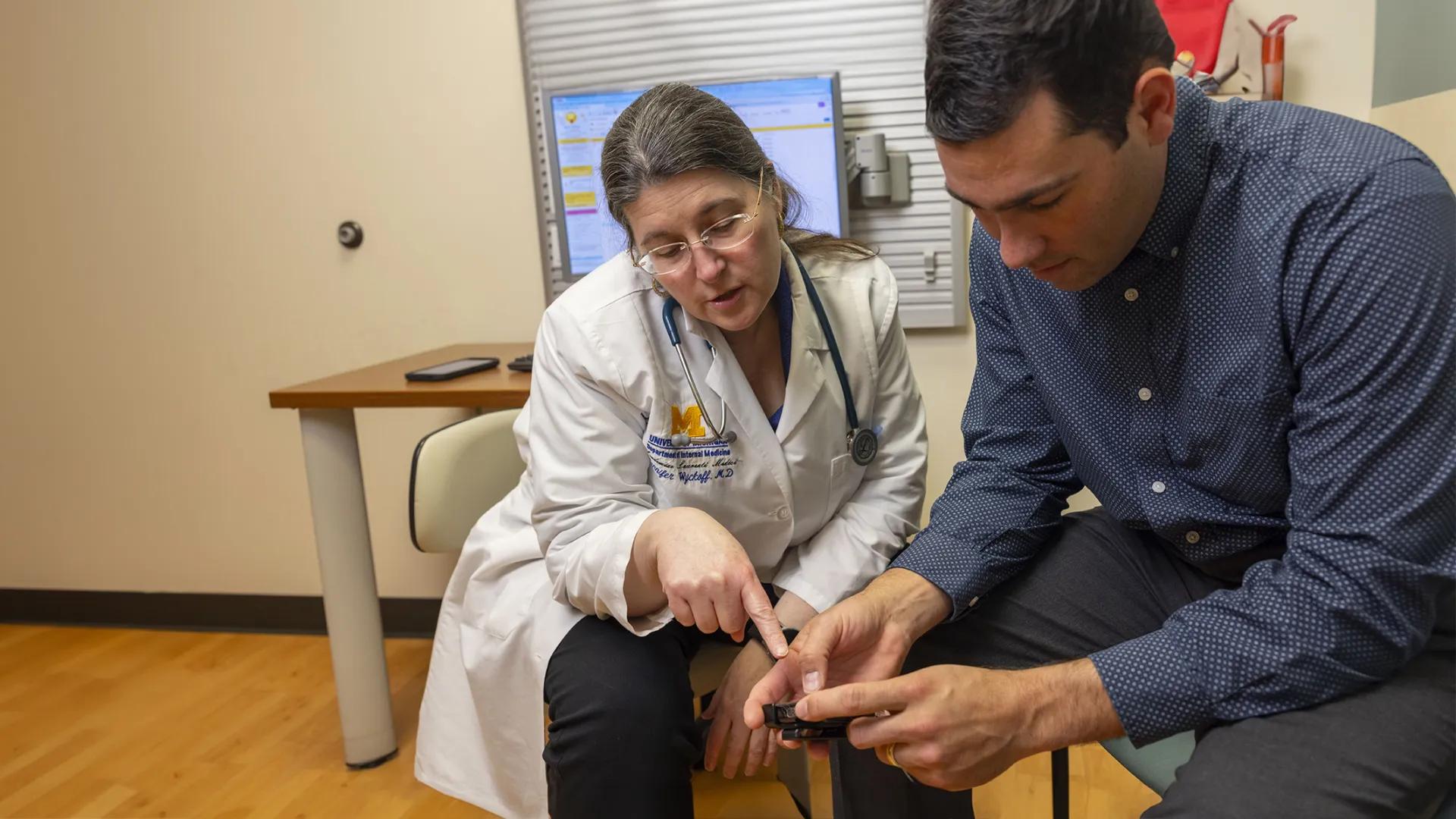
doctor and patient looking at medical equipment

Explore Caswell Diabetes Institute

About

People

Research

Education & Outreach

Partners

Giving

Save the Date! The CDI Metabolism, Obesity, Nutrition & Diabetes Symposium is October 28. More details to come!

Add to calendar

U-M History of Diabetes & Metabolic Disorders Research & Care
Jiandie Lin, PhD
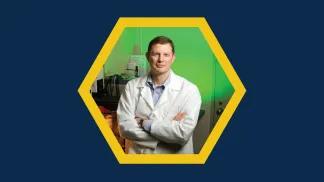
Dr. Jiandie Lin, Bradley M. Patten Collegiate Professor in the Life Sciences, receives the Outstanding Scientific Achievement (Lilly) Award from the American Diabetes Association for his work identifying emerging endocrine hormones and defining their roles in metabolic physiology and disease.
Jiandie Lin, PhD Jiandie Lin, PhD
Elizabeth Weiser Caswell Diabetes Institute
A $30M gift from the Weiser Family creates the Elizabeth Weiser Caswell Diabetes Institute, in honor of their daughter, who is a champion and advocate for diabetes research and care. In 2018, the Weiser and Caswell families establish the Caswell Family Fellowship in pediatric diabetes. Dr. Martin Myers, Jr. serves as the inaugural institute director.
 Ron & Eileen Weiser  Ron & Eileen Weiser
Diabetes Foot Consortium
The University of Michigan is selected as one of only six academic institutions to participate in the NIDDK-funded Diabetes Foot Consortium. Dr. Rodica Pop-Busui leads the team, which includes investigators from Podiatry (Drs. Crystal Holmes, Brian Schmidt, and James Wrobel), Vascular Surgery (Dr. Katharine Gallagher) and Computational Medicine and Bioinformatics (Dr. Kayvan Najarian).
dark blue block dark blue block
Diabetes Editorship
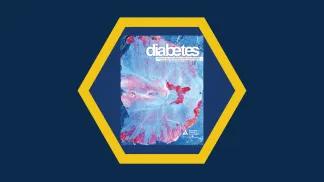
Dr. Martin Myers, Jr., becomes the editor-in-chief of the scientific journal, Diabetes, and brings the leadership of the journal to the University of Michigan for a 5-year term. Faculty (including Drs. Frank Brosius, Charles Burant, Thomas Gardner, William Herman, Jeffrey Horowitz, Jiandie Lin, Carey Lumeng, Ormond MacDougald, Rodica Pop-Busui, Leslie Satin, and Randy Seeley) comprise most of the senior editorial team.
Diabetes Magazine Cover Diabetes Magazine Cover
Roger Cone, PhD
Dr. Roger Cone, Asa Gray Collegiate Professor of the Life Sciences and Mary Sue Coleman Director of the Life Sciences Institute, is elected to the National Academy of Medicine for his work demonstrating the role for the hypothalamic melanocortin system in the regulation of body weight and metabolism.
Roger Cone, PhD Roger Cone, PhD
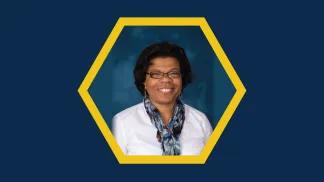
Robin Nwankwo, MPH, RDN, CDE
Robin Nwankwo, Diabetes Educator in the Department of Learning Health Sciences, receives the American Diabetes Association Outstanding Educator in Diabetes Award.
Robin Nwankwo, MPH, RDN, CDE Robin Nwankwo, MPH, RDN, CDE
Michigan Center for Diabetes Translational Research & Michigan Diabetes Research Center
The NIH splits Diabetes Research and Training Centers into two new entities, and U-M is awarded both. The Michigan Center for Diabetes Translational Research (MCDTR), directed by Dr. William Herman, focuses on innovations in the prevention and treatment of diabetes that can be disseminated and sustained in clinical practice. The Michigan Diabetes Research Center (MDRC), directed by Dr. Martin Myers, Jr., promotes new discoveries and enhances scientific progress through the support of cutting-edge basic and clinical research related to the etiology and complications of diabetes.
MCDTR, MDRTC & MDRC logos MCDTR, MDRTC & MDRC logos
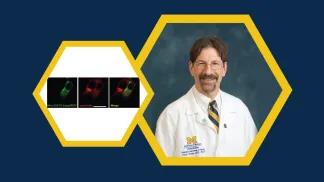
Mutant Insulin-induced Diabetes of Youth
Peter Arvan, MD, PhD, William K. and Dolores S. Brehm Professor of Type 1 Diabetes Research, implicates protein folding errors in a severe form of early-onset diabetes. In 2012, Dr. Arvan helps launch the U-M Protein Folding Disease Initiative, showing that Mutant Insulin-induced Diabetes of Youth (MIDY) results from the misfolding of a mutant insulin. He later shows that insulin misfolding also contributes to the pathogenesis of type 2 diabetes.
Peter Arvan and Protein Folding Errors in test results Peter Arvan and Protein Folding Errors in test results
Brehm Center for Diabetes Research
The Brehm Tower, an innovative 222,000-square-foot facility that houses the Brehm Center for Diabetes Research- the first inter-departmental site for diabetes-focused research at Michigan, is completed. The building also houses clinics and laboratories of the Department of Ophthalmology, including a team of diabetic retinopathy researchers recruited to further expand diabetes research expertise and collaborations.
Brehm Tower Brehm Tower
Martin Myers, Jr, MD, PhD
Dr. Martin Myers, Jr., Marilyn H. Vincent Professor of Diabetes Research, receives the Outstanding Scientific Achievement (Lilly) Award from the American Diabetes Association for his work revealing molecular and neural mechanisms by which the adipocyte-derived hormone, leptin, controls body weight and metabolism.
Martin Myers, Jr, MD, PhD Martin Myers, Jr, MD, PhD
Randy Seeley, PhD
Dr. Randy Seeley, Henry King Ransom Professor of Surgery, receives the Outstanding Scientific Achievement (Lilly) Award from the American Diabetes Association for his work revealing mechanisms by which the hypothalamus controls feeding and body weight. Dr. Seeley takes over the leadership of the Michigan Nutrition and Obesity Research Center (MNORC) in 2018.
Randy Seeley, PhD Randy Seeley, PhD
Epidemiology of Diabetes Interventions and Complications Study
As part of the Epidemiology of Diabetes Interventions and Complications (EDIC) study, Rodica Pop-Busui, MD, PhD, and the EDIC team show that tight glycemic control in type 1 diabetes protects against cardiovascular autonomic neuropathy.
dark blue block dark blue block
Diabetic Kidney Discovery
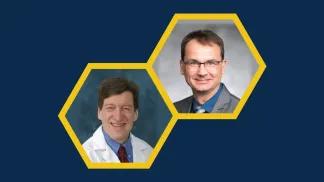
Teams led by Matthias Kretzler, MD, Warner-Lambert/Parke-Davis Professor, and Frank Brosius, III, MD, discover that increased activation of the JAK/STAT signaling pathway in diabetes is a primary cause of kidney scarring and dysfunction, leading to successful clinical trials of a JAK2 inhibitor. They also show that low levels of epidermal growth factor in urine can identify patients at risk for end-stage kidney disease.
Frank Brosius, III, MD & Matthias Kretzler, MD Frank Brosius, III, MD & Matthias Kretzler, MD
Atypical Diabetes Program
Elif Oral, MD, a world leader in the understanding and treatment of lipodystrophies and other genetic causes of diabetes and metabolic disorders, establishes the Obesity and Metabolic Disorders Program, which becomes the Atypical Diabetes Program to aid the understanding and treatment of lipodystrophy and other monogenic forms of diabetes and metabolic disease.
Elif Oral, MD Elif Oral, MD
William Herman, MD, MPH
Dr. William Herman, Stefan S. Fajans/GlaxoSmithKline Professor of Diabetes, receives the American Diabetes Association Kelly West Award for Outstanding Contributions to Diabetes Epidemiology for his work in screening for those at risk of diabetes and defining cost-effective paradigms by which health systems can prevent and treat diabetes.
William Herman, MD, MPH William Herman, MD, MPH
Inpatient Intensive Hyperglycemia Program
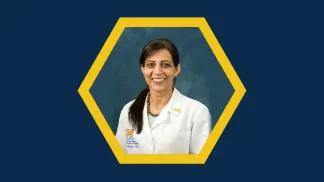
Under the leadership of Roma Gianchandani, MD, the Inpatient Intensive Hyperglycemia Program is established, ensuring optimal management of diabetes and hyperglycemia in the hospital, thereby reducing infections and the length of hospital stays.
Roma Gianchandani, MD Roma Gianchandani, MD
Michigan Metabolomics and Obesity Center
Led by Charles Burant, MD, PhD, Dr. Robert C. and Veronica Atkins Professor of Metabolism, the Michigan Metabolomics and Obesity Center (MMOC), is created. The MMOC leads to the founding of the NIH-funded Michigan Nutrition and Obesity Research Center (MNORC) in 2010.
dark blue block dark blue block
Brehm Family Donation
William and Delores Brehm donate $44M to support research into the pathogenesis of diabetes, and shortly thereafter, launch the Brehm Coalition to energize an inter-institutional effort, centered at U-M, to search for a cure for type 1 diabetes. The Brehms also established the Brehm and Soderquist professorships in diabetes research.
Delores & William Brehm Delores & William Brehm
Adult Diabetes Education Program
The Adult Diabetes Education Program is established by Robert W. Lash, MD. In 2010, Jennifer Wyckoff, MD, becomes the director. It is one of a select number of programs certified by the American Diabetes Association, offering more programs and services for adults with type 1, type 2, and gestational diabetes than anywhere else in Michigan and the surrounding region.
Jennifer Wyckoff, MD & Robert W Lash, MD Jennifer Wyckoff, MD & Robert W Lash, MD
American Diabetes Association Outstanding Educator in Diabetes Award - Robert M. Anderson, EdD
Robert M. Anderson, EdD, faculty member of the Department of Medical Education, receives the American Diabetes Association Outstanding Educator in Diabetes Award. In 2016, Dr. Anderson received a Lifetime Achievement Award from the American Association of Diabetes Educators.
Robert M. Anderson, EdD Robert M. Anderson, EdD
American Diabetes Association Outstanding Educator in Diabetes Award - Martha M. Funnell, MS, RN, CDE, FAAN
Martha M. Funnell, MS, RN, CDE, FAAN, faculty member of the Department of Medical Education, receives the American Diabetes Association Outstanding Educator in Diabetes Award. Funnell is named the President, Health Care and Education, of the American Diabetes Association from 2002-2003. In 2016, Funnell received a Lifetime Achievement Award from the American Association of Diabetes Educators.
Martha M. Funnell, MS, RN, CDE, FAAN Martha M. Funnell, MS, RN, CDE, FAAN
JDRF Center for the Study of Complications in Diabetes
U-M receives a landmark $6.6M grant from The Juvenile Diabetes Research Foundation (now JDRF) to launch the JDRF Center for the Study of Complications in Diabetes, led by Eva L. Feldman, MD, PhD, Russell N. DeJong Professor of Neurology. This leads to a series of additional large consortium awards studying the pathophysiology and prevention of diabetic complications. These include DP3 and R24 awards from the National Institutes of Health that involve Drs. Steven Abcouwer, Frank Brosius, Charles Burant, Eva Feldman, Thomas Gardner, Matthias Kretzler, Subramaniam Pennathur, and Rodica Pop-Busui.
dark blue block dark blue block
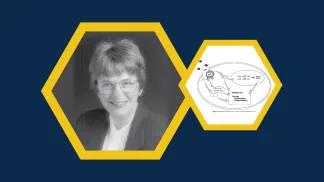
Christin Carter-Su, PhD
Dr. Christin Carter-Su, Anita H. Payne Distinguished University Professor of Physiology and Henry Sewall Collegiate Professor of Physiology, demonstrates that Jak2 mediates signaling by cytokine receptors. Future work shows that Jak2 mediates leptin signaling, and that cytokine receptor/Jak2 signaling underlies kidney complications in diabetes. Dr. Carter-Su receives the Roy O. Greep award from the Endocrine Society in 2000 for her discovery.
Christin Carter-Su, PhD Christin Carter-Su, PhD
George M. O’Brien Kidney Center
Roger Wiggins, MD, and colleagues are awarded one of the first George M. O’Brien Kidney Centers, an NIH program established by Congress to promote state-of-the-art kidney research to improve the lives of patients with kidney diseases, with a major focus on diabetic kidney disease.
Roger Wiggins, MD Roger Wiggins, MD
Diabetes Control & Complications Trial
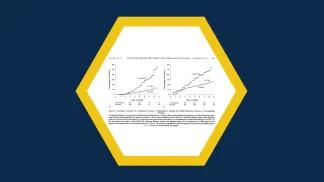
Under the leadership of Douglas Greene, MD, U-M is recognized for its expertise in diabetes complications, having become one of three national data sites for the NIH Diabetes Control and Complications Trial (DCCT). The DCCT team shows that intensive insulin therapy significantly reduces eye, kidney and nerve complications in type 1 diabetes.
Diabetes Control and Complications Trial Findings Diabetes Control and Complications Trial Findings
Michigan Diabetes Research & Training Center
U-M is one of five U.S. institutions to be awarded an NIH-funded Diabetes Research and Training Center (the Michigan Diabetes Research and Training Center (MDRTC)). Under the direction of Dr. Stefan Fajans, the MDRTC focuses on basic cell regulation as well as the natural history, genetics, management, and treatment of diabetes.
Michigan Diabetes Research & Training Center Michigan Diabetes Research & Training Center
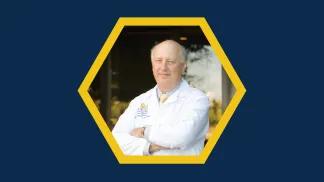
Stefan Fajans, MD
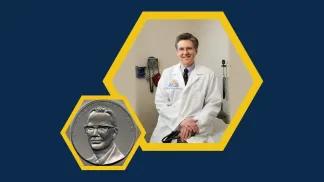
Dr. Stefan Fajans describes Maturity-Onset Diabetes of the Young (MODY), based on his study of the R-W pedigree family. Over 50 years later, this family, along with many other MODY families, continues to receive care at Michigan Medicine. Dr. Fajans goes on to describe the first and many subsequent MODY genes in collaboration with Dr. Graeme Bell at the University of Chicago. Dr. Fajans received the Banting Medal for outstanding contributions to diabetes research from the American Diabetes Association in 1978.
Stefan Fajans, MD Stefan Fajans, MD
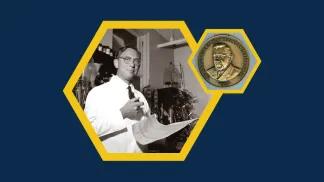
Jerome W. Conn, MD
Dr. Jerome W. Conn receives the Banting Medal for outstanding contributions to diabetes research from the American Diabetes Association for his work in understanding spontaneous hypoglycemia and other aspects of diabetes and glucose control. Dr. Conn also served as president of the American Diabetes Association from 1962-1963.
Jerome W. Conn, MD Jerome W. Conn, MD
The “Thrifty Genotype” Hypothesis
James V. Neel, MD, PhD, Lee R. Dice University Professor of Human Genetics, proposes the "thrifty genotype" hypothesis- that a genetic predisposition to develop diabetes was adaptive to the feast and famine cycles of paleolithic human existence, allowing humans to fatten rapidly and profoundly during times of feast so that they might better survive during times of famine.
James V. Neel, MD, PhD James V. Neel, MD, PhD
Pediatric Endocrinology
The Division of Pediatric Endocrinology is founded under the leadership of George Lowrey, MD.
dark blue block dark blue block
Endocrinology & Metabolism
The Endocrinology and Metabolism Division of Internal Medicine (known today as Metabolism, Endocrinology & Diabetes (MEND)) is founded under the leadership of Dr. Louis Harry Newburgh.
dark blue block dark blue block
Discovery of Insulin at the University of Toronto
dark blue block dark blue block
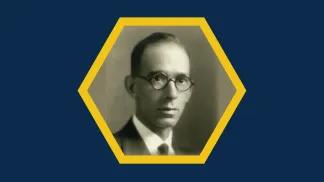
Louis Harry Newburgh, MD
Dr. Louis Harry Newburgh makes rigorous measures of energy balance that require subjects to spend days in a calorimetry chamber, precisely measuring their inputs and outputs. Over the next 36 years, he and his colleagues made significant advances in discoveries on the renal system, and dietary control of diabetes mellitus, including the fact that weight loss can reverse glucose intolerance in what we now call type 2 diabetes.
Louis Harry Newburgh, MD Louis Harry Newburgh, MD
Nellis Barnes Foster, MD
Dr. Nellis Barnes Foster establishes himself as one of the leading diabetologists in the U.S. and serves as head of the Department of Internal Medicine. In 1915, Dr. Foster publishes the textbook “Diabetes Mellitus; Designed for the Use of Practitioners of Medicine,” selected by scholars as the gold standard for diabetes care of its time.
Book Cover: Diabetes Mellitus: Designed for the Use of Practitioners of Medicine Book Cover: Diabetes Mellitus: Designed for the Use of Practitioners of Medicine
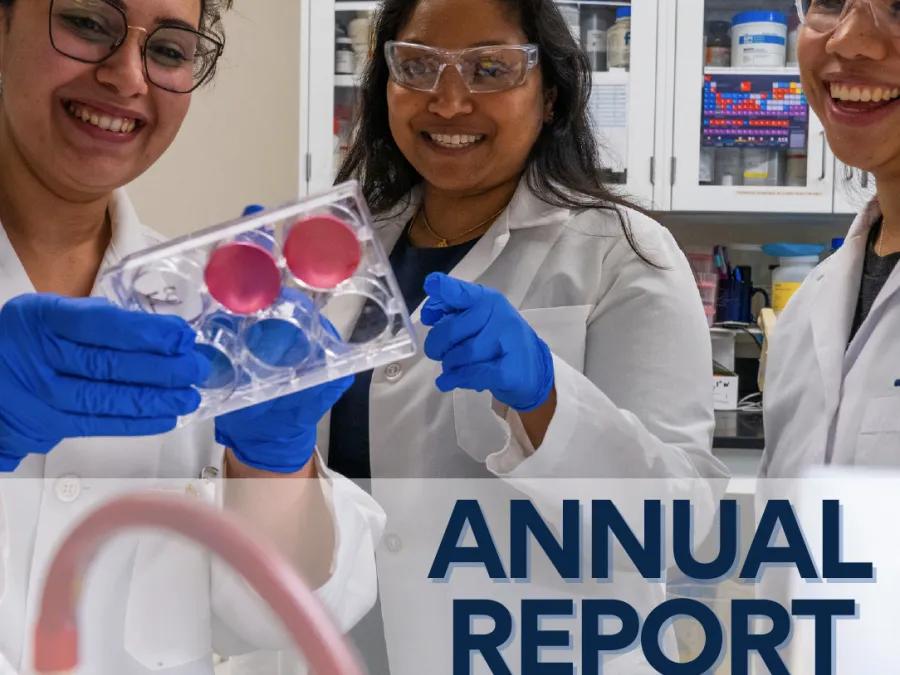
CDI Annual Report 2025

CDI 2025 Annual Report

We have reinvigorated our commitment to our mission to support rigorous science and its integration with patient-centered clinical care leading the way to prevent, treat, and cure diabetes, its complications, and related metabolic diseases.

Access the full report

Partners

The University of Michigan has multiple nationally-funded center programs to support diabetes research.
See all partners
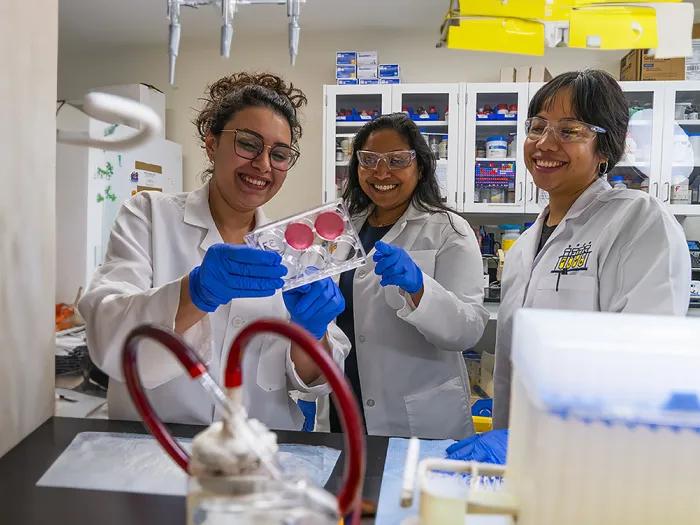
three researchers working in a lab

Michigan Diabetes Research Center (MDRC)

A multidisciplinary unit of the University of Michigan funded by the National Institute of Diabetes and Digestive and Kidney Diseases/National Institute of Health.
MDRC
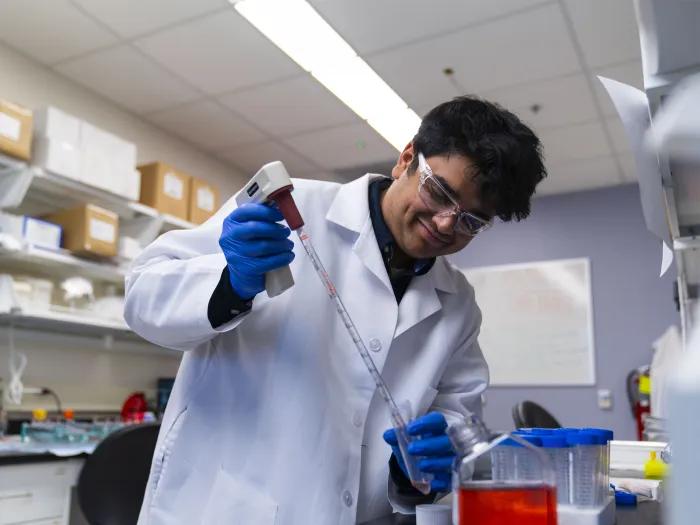
young researcher smiling in a lab holding a pipette

Michigan Nutrition Obesity Research Center (MNORC)

One of 12 U.S. centers designed to inspire and support translational, multi-disciplinary research in obesity and nutrition, across the continuum of basic science to applications in individuals (medicine) and populations (public health).

MNORC
woman researcher working in lab

Michigan Center for Diabetes Translational Research (MCDTR)

A multidisciplinary unit of the University of Michigan funded by the National Institute of Diabetes and Digestive and Kidney Diseases/National Institutes of Health.
MCDTR
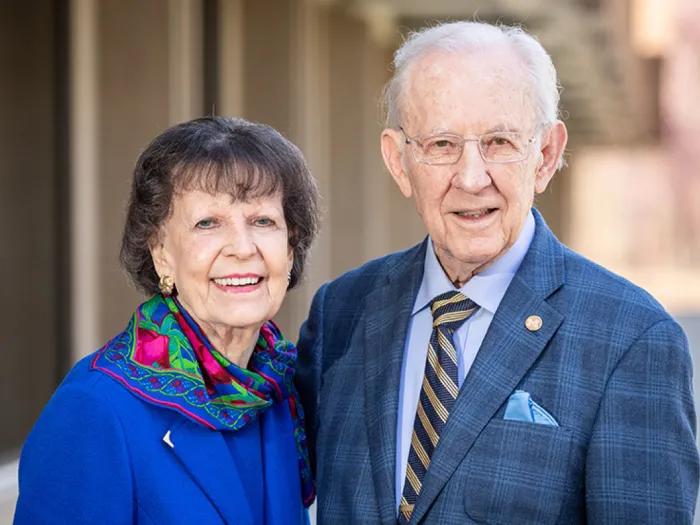
the Brehms posing for a photo

Brehm Center for Diabetes Research

Named for Bill and Delores (Dee) Brehm, a couple whose generosity and dedication in finding a cure has led to an all-out assault on type 1 diabetes.

Brehm Center

Featured News & Stories

View all CDI News Articles
Outdoor family portrait of five people and a cream-colored dog standing on a sunlit path surrounded by tall grasses. Two adults stand in the center with three boys—two teenagers and a younger child—positioned around them. The family is dressed in coordinated shades of purple, blue, and neutral tones. The dog sits in the foreground, and warm evening light creates a natural, relaxed atmosphere.
Department News

Apply Today! Caswell Diabetes Institute Fernandez Buddin Type 1 Diabetes Fellowship Grant Program

The application for the Caswell Diabetes Institute Fernandez Buddin Type 1 Diabetes Fellowship Grant is now open.
U-M patient, author, coach, and diabetes advocate Safiyah Basir speaks at a CDI Community Seminar, presenting to attendees from behind a podium and microphone.
Department News

CDI Community Seminar Series: Connecting research to real life

The Caswell Diabetes Institute is bringing pioneering diabetes research directly to the community with our Community Seminar Series.
Department News

Brigid Gregg, MD, set to lead pediatric endocrinology at University of Wisconsin-Madison

Brigid Gregg, MD, Associate Director of Enrichment Programs for the Caswell Diabetes Institute set to become the new Chief of the Division of Pediatric Endocrinology at the University of Wisconsin-Madison.

Events

View all

ADA Tour de Cure: Michigan

Caswell Diabetes Institute members can join the ADA Tour de Cure: Michigan.

Caswell Diabetes Institute Metabolism, Obesity, Nutrition & Diabetes Symposium

The Caswell Diabetes Institute Metabolism, Obesity, Nutrition, and Diabetes Symposium is an annual one-day event showcasing the research of early-stage investigators and innovative new research by CDI, MCDTR, MDRC, and MNORC members from across UM’s schools and departments. Additionally, the symposium features keynote talks from leading researchers and practitioners external to UM, a poster-session, and a data blitz.

The Mary Tyler Moore Vision Initiative Fall Symposium

The symposium will bring together a diverse group of stakeholders, including patients, researchers, clinicians, and representatives from industry, government, and regulatory agencies, all united in the mission to conquer vision loss caused by Diabetic Retinal Disease.

Contact Us

2800 Plymouth Road
Building 20, Suite 3820
Ann Arbor, Michigan 48109-2800

Phone: 734-764-4433
Email: [email protected] 

Join Us