
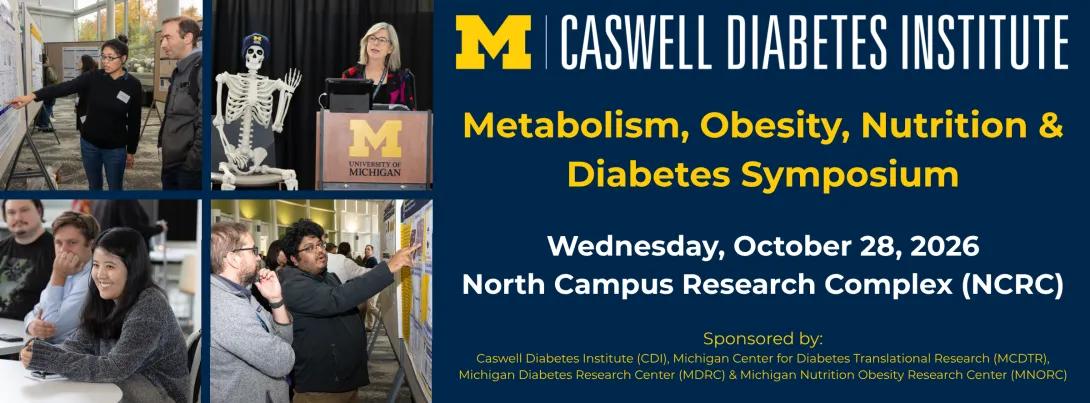
CDI-Metabolism, Obesity, Nutrition & Diabetes Symposium

2026 Annual Symposium
A forum for intellectual exchange on topics associated with diabetes, obesity, nutrition & metabolism
Thank you for your interest in the 2026 Caswell Diabetes Institute Metabolism, Obesity, Nutrition and Diabetes Symposium!
The CDI Metabolism, Obesity, Nutrition and Diabetes Symposium provides an interactive forum to highlight cutting-edge research and clinical care from the University of Michigan and our collaborating regional institutions. We welcome anyone interested in learning more about diabetes and related metabolic diseases to participate in this event. Our audience historically includes researchers, clinicians, trainees, ancillary healthcare professionals, and the staff and administrators who help us accomplish this important work.
The symposium will feature:
- Keynote presentations hosted by our NIH-supported research centers (MDRC, MCDTR, and MNORC)
- Exciting talks from invited regional speakers
- Flash talks from selected abstract winners
- An engaging poster session with awards given to the top-ranked presenters at various career stages
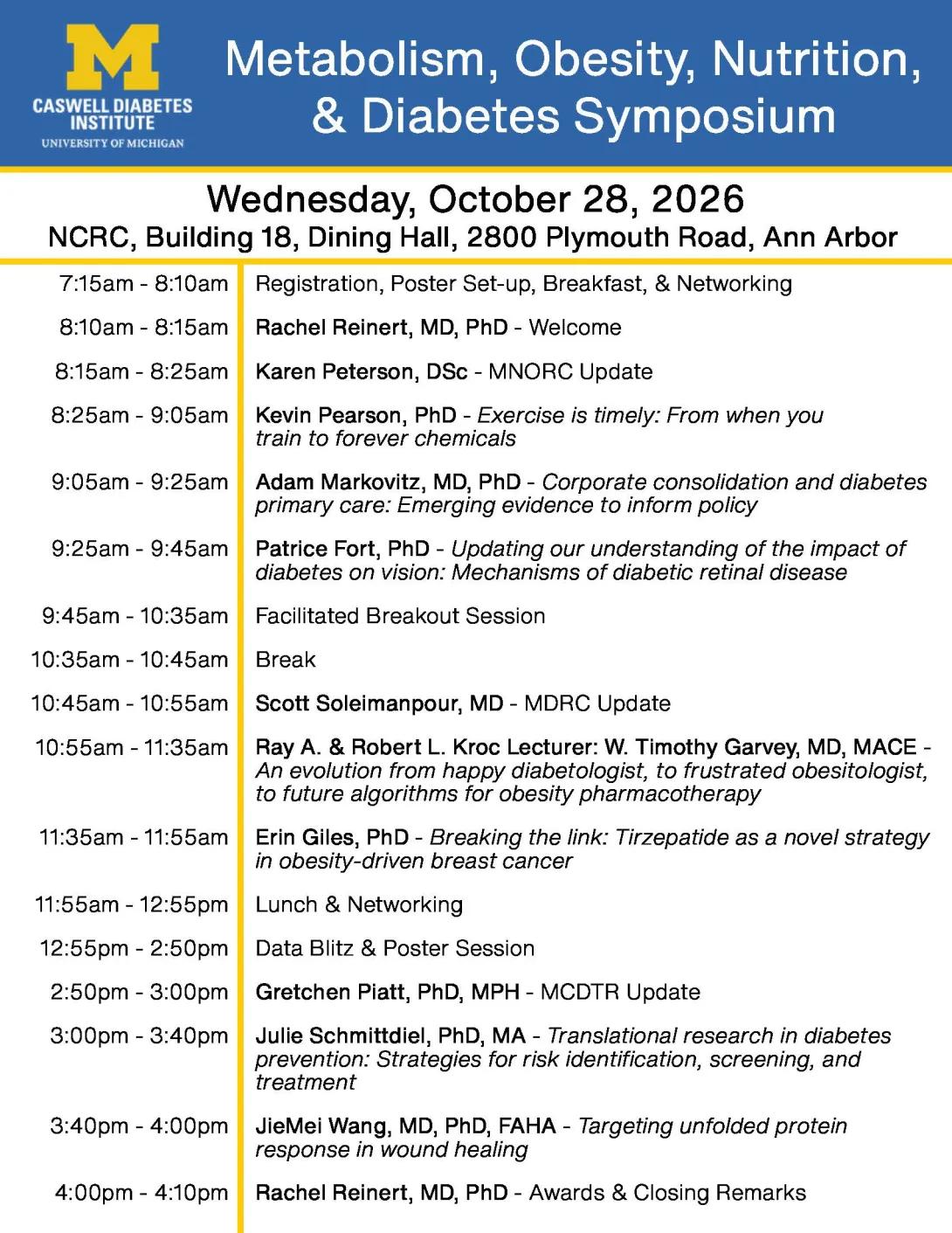
- Breakout sessions focused on career development and community building
- Unstructured meal and coffee break time to allow for further networking and collaboration
Symposium participants will enhance their knowledge and understanding of the latest advances in basic, translational, and clinical research, and learn about updates in the care and treatment of diabetes, obesity, and related metabolic complications. We further aim to engage participants by identifying topics to guide future research and advancements in clinical care.
We hope to see you there!
-Dr. Rachel Reinert on behalf of the CDI Symposium Planning Committee
The registration period for this year's symposium is now closed.
Wi-Fi Access
Wi-Fi is available to all conference attendees via the M-Guest network. To connect, select the ”M-Guest” Wi-Fi network and complete the authentication process. University of Michigan staff should choose the M-Wireless network and login via your U-M email and password. eduroam access is also available for registered users. See https://its.umich.edu/enterprise/wifi-networks/wifi for details.
Meals and Breaks
Meals will be provided in the Building 18 Dining Hall. Seating is available inside Building 18. Beverages will be available throughout the day in Building 18. The University of Michigan is a smoke-free campus.
Lactation Rooms
NCRC has private lactation rooms located in various buildings across the complex. All rooms lock from the inside and include outlets, comfortable seating, and Wi-Fi. Listed below are the two locations closest to the dining hall.
- Building 10- Ground Floor, Room G071; First Floor, Room 10-A137
Poster Session
The poster session is Wednesday, October 28 from 1:20 p.m. - 2:50 p.m. in the Building 18 Dining Hall. Please put your poster up between 7:15 a.m. - 8:00 a.m. Posters must be removed by 4:10 p.m. on Wednesday, October 28, 2026. Boards are numbered and reserved for your poster.
1. Tips for Science Communication |
2. Negotiating and Landing Your First Dream Job |
3. Career Strategizing for Maximal Impact |
4. How to Get Your Science Published |
5. Connecting to the Community |
6. Research for Community Impact |
7. How AI Affects Your Research - and Your Career |
8. Data management puzzle challenge! |
Date & Time: Wednesday, October 28, 2026 from 12:55 - 1:20 pm
Data Blitz Participants
Cody Makinson, Michigan State University - Poster #52
Identifying the longitudinal metabolic risk factors trajectories predictive of future peripheral neuropathy among Veterans with type 2 diabetes
Amy Stark-Boal, PhD, University of Michigan - Poster #75
PAK1 epigenetically regulates diabetes-relevant endothelial cell function and wound healing
Ainsley Caldwell, University of Michigan - Poster #11
Heterogeneous Gip receptor signaling in mouse area postrema neurons
John-Paul Pham, University of Michigan - Poster #64
Engineered nanocarriers reprogram innate and adaptive immunity to induce localized tolerance and prolonged graft survival in allogeneic islet transplant
Katherine Black, Michigan State University - Poster #8
SBI-553 suppresses food intake and weight gain in hungry mice
Brian Desrosiers, University of Michigan - Poster #25
Patient-derived adipose progenitors recapitulate the depot-specific adipose tissue loss of familial partial lipodystrophy type 2
Aria Grabowski, PhD, MPH, RD, University of Michigan - Poster #34
Inflammatory protein signatures of adiposity and glycemic/insulin dysregulation in adolescents
Olivia Horrigan, University of Michigan - Poster #41
Myeloid glucocorticoid receptor signaling maintains resident adipose tissue macrophages and negatively impacts adipose tissue remodeling
Date & Time: Wednesday, October 28, 2026 from 1:20 - 2:50 pm
View Abstracts
2026 SYMPOSIUM SPEAKERS |
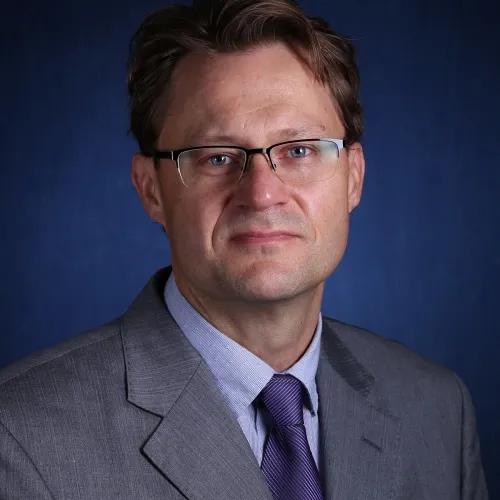
Patrice Fort, PhD, MS Following his PhD, Dr. Fort pursued his training at the Penn State University (Hershey, PA) where he continued to gain knowledge of retinal physiology and how it is affected by metabolic and neurodegenerative diseases. As he joined the laboratory of Dr. Gardner for his postdoctoral fellowship, he started studying how diabetes affects retinal metabolism and specifically, protein synthesis. This led to the identification of novel mechanisms of regulation of protein synthesis, specific to the retina and different from other insulin-sensitive tissues. During this time, he also identified previously unknown proteome changes, including effects on intrinsic protective mechanisms critical for cellular survival, using proteomic-based discovery approaches. Dr. Fort was recruited by the University of Michigan Kellogg Eye Center in 2010, where he focuses on the function and regulation of these intrinsic protective mechanisms in acute and chronic retinal neurodegenerative disorders, with specific emphasis on diabetic retinal disease. Dr. Fort later joined the department of molecular and Integrative Physiology (MIP) and the Neuroscience graduate program (NGP) of the University of Michigan for which he assists with recruitment and teaches sensory neuroscience to graduate students. |
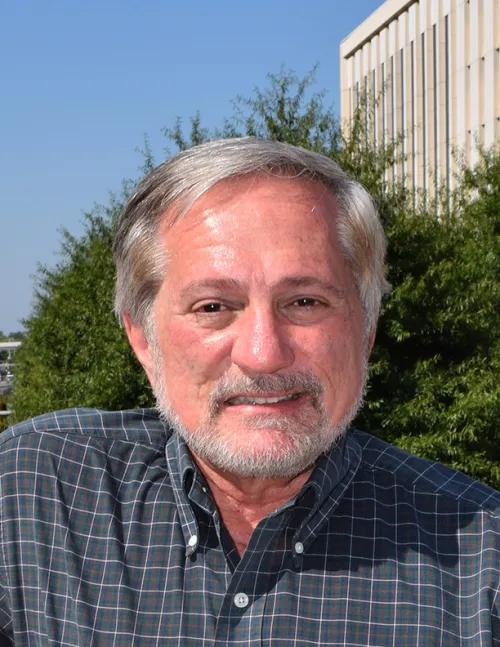
W. Timothy Garvey Another key interest of Dr. Garvey's is our understanding of obesity as a disease, and advancing medical models to improve the care of people with obesity. Dr Garvey has been a leading contributor and author of numerous American Association of Clinical Endocrinology (AACE) initiatives. These include a position statement and proposition affirming obesity as a disease, the new medical diagnostic term for obesity, an obesity treatment algorithm, evidence-based obesity management guidelines, and a cardiometabolic disease staging system. |

Erin Giles, PhD Dr. Gile's research program, funded through the National Institutes of Health (NIH/NCI) and the American Cancer Society, seeks to understand the impact of obesity and menopausal weight gain on postmenopausal breast cancer risk and progression. Using translational models and clinical integration, her lab evaluates the anti-cancer effects of targeted exercise, dietary, and pharmacological interventions - including next-generation anti-obesity medications -on cancer outcomes. The long-term goal of her laboratory is to break the link between obesity and breast cancer by identifying actionable targets to prevent tumor development and improve metabolic health. |
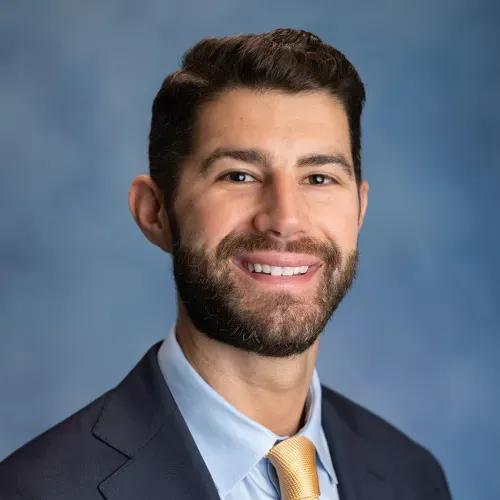
Adam Markovitz, MD, PhD Dr. Markovitz received his MD and PhD (health policy economics) from the University of Michigan Medical School and School of Public Health and completed his residency in Internal Medicine (primary care track) at the University of Michigan. His PhD dissertation evaluated changes in spending, risk selection, and the response of frontline clinicians in Medicare accountable care organizations. His dissertation was awarded the Horowitz Foundation for Social Policy Irving Louis Horowitz Award for Overall Most Outstanding Project of the Year. His dissertation was funded by an AHRQ R36 Individual Dissertation Award. |

Kevin Pearson, PhD |
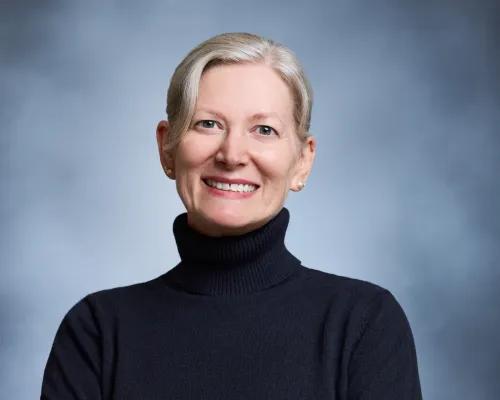
Julie Schmittdiel, PhD, MA |
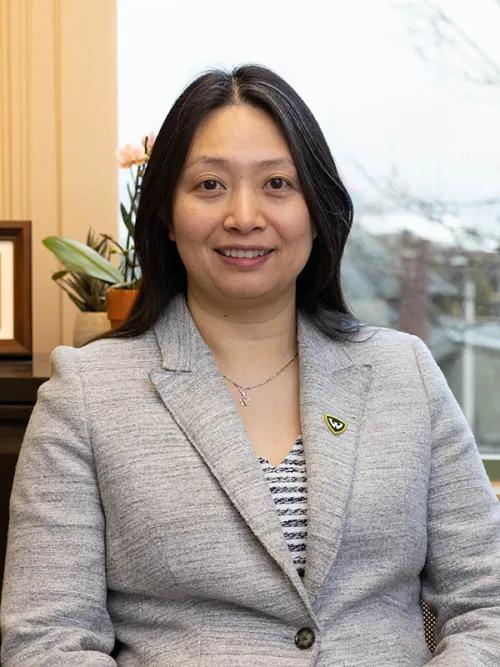
JieMei Wang, MD, PhD Dr. Wang was promoted to Associate Professor while assuming the role of Director of Research in 2021. Her laboratory investigates G‑protein‑coupled receptors, unfolded‑protein‑response extracellular vesicles, and microRNA regulation of angiogenesis to create novel therapies for tissue ischemia, diabetic wound healing, and metabolic‑vascular disease. She is the principal investigator on three NIH R01 grants, AHA Established Investigator Award and Scientist Development Award, and a mentor for multiple T32 training grants. She has authored more than 50 peer‑reviewed papers, is co‑inventor on a U.S. Patent for wound‑healing compositions. Dr. Wang also contributes extensively to peer‑review and funding‑decision processes, having served as a standing member and chair of AHA Fellowship Review Committees (Vascular Endothelial Biology), a reviewer for multiple NIH study sections (including Surgery, Anesthesiology, and Trauma; Basic Biology of Blood, Heart, and Vasculature; multiple Special Emphasis Panels), NIH NIDDK Diabetic Complications Consortium/Pilot & Feasibility Program, the NIH NIDDK Collaborative Program Grant (RM1), the UK Research & Innovation Medical Research Council, and AACP New Investigator Awards. Recently, Dr. Wang has received honors such as AHA Fellow (ATVB Council), AHA Established Investigator, and the EACPHS Faculty Research Recognition Award. |
Special Thanks to:
2026 Caswell Diabetes Institute Metabolism, Obesity, Nutrition & Diabetes Symposium Planning Committee
2026 Symposium Coordinating Staff
Caswell Diabetes Institute
Martin G. Myers, Jr, MD, PhD, Director
Molly Dwyer-White, MPH, Managing Director
Michigan Center for Diabetes Translational Research
Michele E. Heisler, MD, MPA, Co-Director
Gretchen Piatt, PhD, MPH, Co-Director
Michigan Diabetes Research Center
Scott Soleimanpour, MD, Director
Michigan Nutrition Obesity Research Center
Randy Seeley, PhD, Director
Karen E. Peterson, DSc, Associate Director
