About MDRC
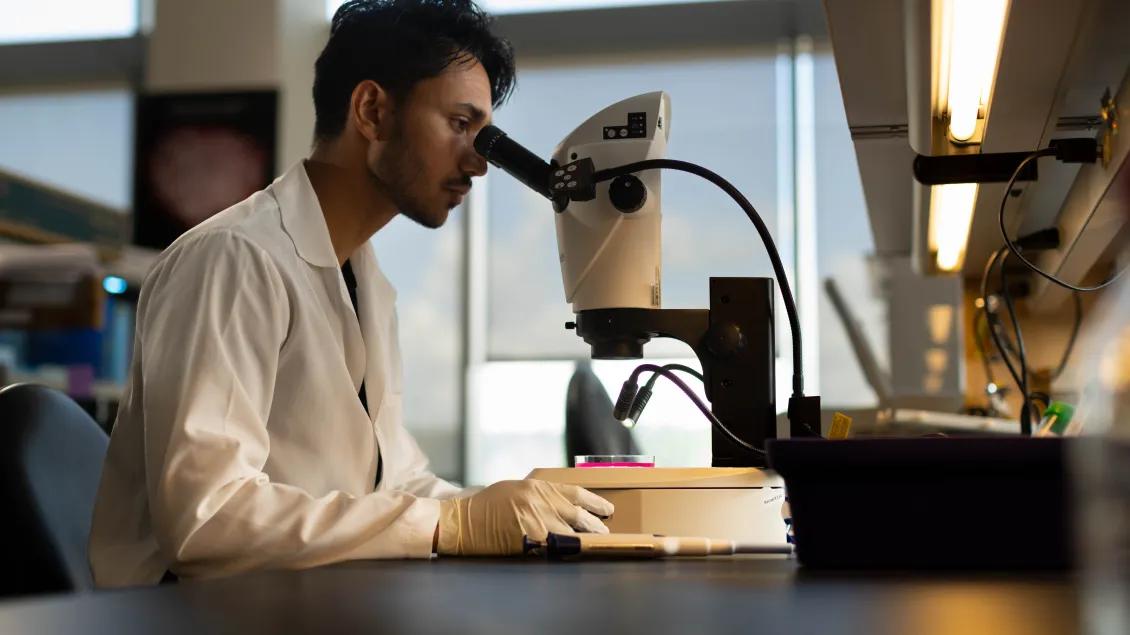
Driving Breakthroughs in Diabetes and Beyond
The mission of the MDRC is to promote new discoveries and enhance scientific progress through the support of cutting-edge basic and clinical research related to diabetes, its complications, and related disorders.
To do this, the MDRC aims to:
- Coordinate activities that raise awareness of, interest in, and support for basic and translational research in diabetes, its complications, and related endocrine and metabolic disorders at U-M and beyond.
- Provide research cores that offer shared, specialized technical resources and expertise that enhance the efficiency, productivity, and multidisciplinary nature of research performed by MDRC investigators.
- Support a Pilot & Feasibility (P/F) Grants Program.
- Provide support for diabetes-related research at Regional Partner Institutions.
The MDRC will continue to enhance the individual research efforts of its members, improving our understanding of physiology and pathophysiology relevant to diabetes and metabolism, empowering the search for novel therapeutics, and enhancing the diagnosis and treatment of diabetes and its associated disorders.
Goals
- Facilitate and focus basic molecular and cellular research in the area of diabetes and related metabolic and endocrine disorders.
- Promote the validation and application of relevant new basic knowledge in the clinical arena through rational, innovative and streamlined clinical, epidemiological and outcomes research.
- Evaluate, refine and disseminate new clinical knowledge regarding diabetes and related disorders into community health practices, especially in those communities at increased risk.
- Recruit, train, motivate and retain an effective pool of basic and clinical investigators and health care professional personnel in the area of diabetes, endocrinology and metabolism.
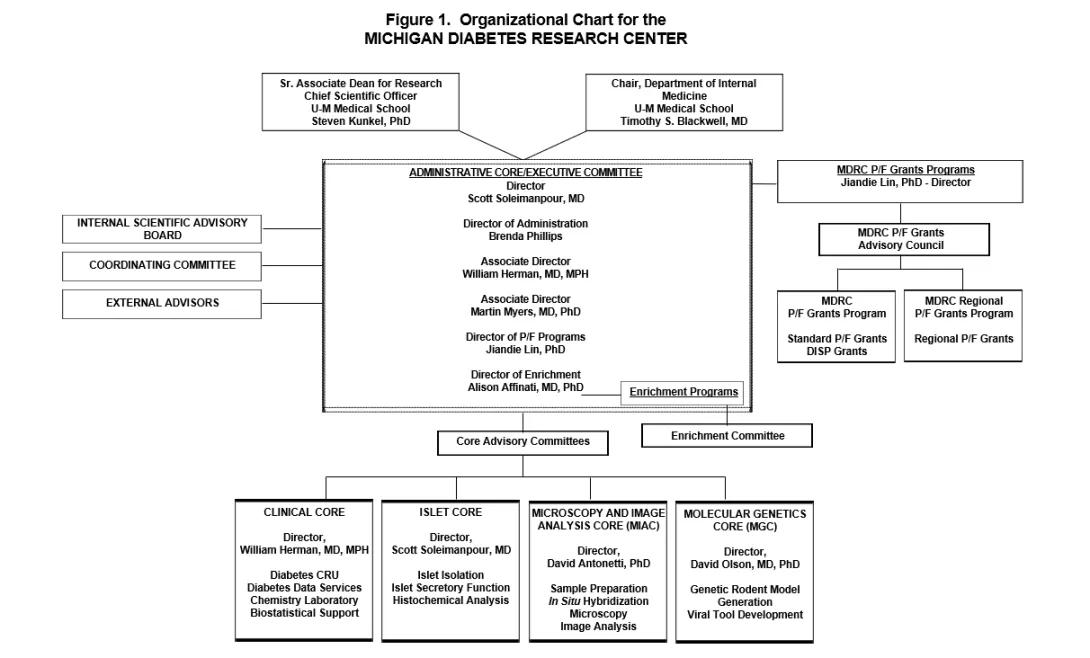
The Michigan Diabetes Research Center (MDRC) organizational chart.
Leading the MDRC are Steven Kunkel, PhD, Sr. Associate Dean for Research and Chief Scientific Officer; and Timothy S. Blackwell, MD, Chair, Department of Internal Medicine, both of the U-M Medical School.
The Administrative Core/Executive Committee is made up of Director Scott Soleimanpour, MD; Director of Administration Brenda Phillips, Associate Director William Herman, MD, MPH; Associate Director Martin Myers, MD, PhD; Director of P/F Programs Jiandie Lin, PhD; and Director of Enrichment Alison Affinati, MD, PhD.
Guiding the Administrative Core are the Internal Scientific Advisory Board, the Coordinating Committee and External Advisors.
Reporting to the Administrative Core is the MDRC Pilot and Feasibility Grants Program, led by Jiandie Lin, PhD. The P/F Grants Advisory Council reports to the P/F Grants Program. It is made up of two parts. The first part is the MDRC P/F Grants Program, comprised of Standard P/F Grants and DISP Grants. The second part, the MDRC Regional P/F Grants Program is comprised of regional P/F grants.
The Core Advisory Committee reports to the Administrative Core.
It has four parts.
The Clinical Core, directed by William Herman, MD, MPH, with areas including: Diabetes CRU, Diabetes Data Services, Chemistry Laboratory, and Biostatistical Support.
The Islet Core, directed by Scott Soleimanpour, MD, with areas including: Islet Isolation, Islet Secretory Function and Histochemical Analysis.
The Microscopy and Image Analysis Core (MIAC), directed by David Antonetti, PhD, with areas including: Sample Preparation, In Situ Hybridization, Microscopy and Image Analysis.
The Molecular Genetics Core, directed by David Olson, MD, PhD, with areas including: Genetic Rodent Model, Generation and Viral Tool Development.
Enrichment Programs and the Enrichment Committee report to Alison Affinati, MD, PhD.
Leadership
Director
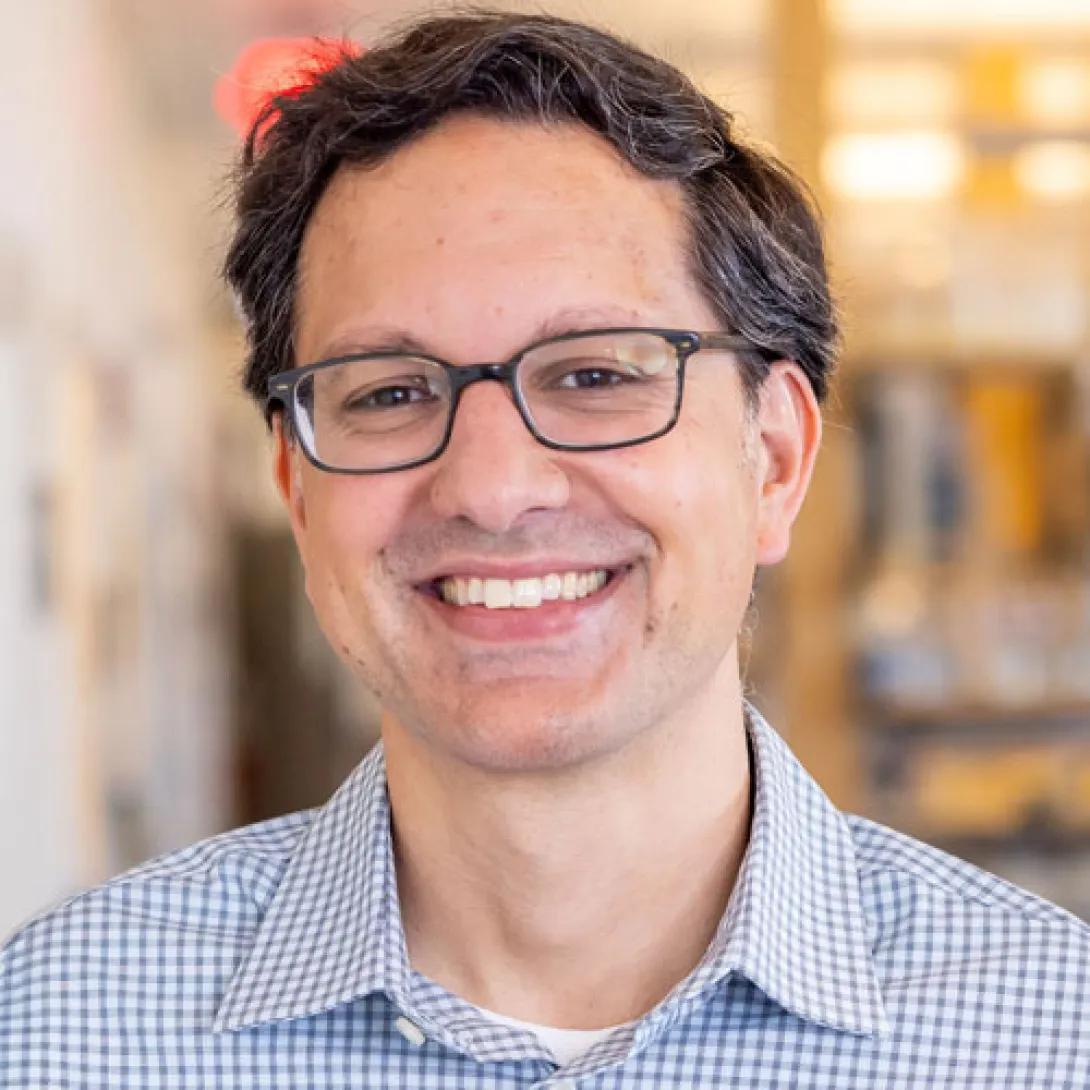
Scott A Soleimanpour, MD
Associate Directors

William H Herman
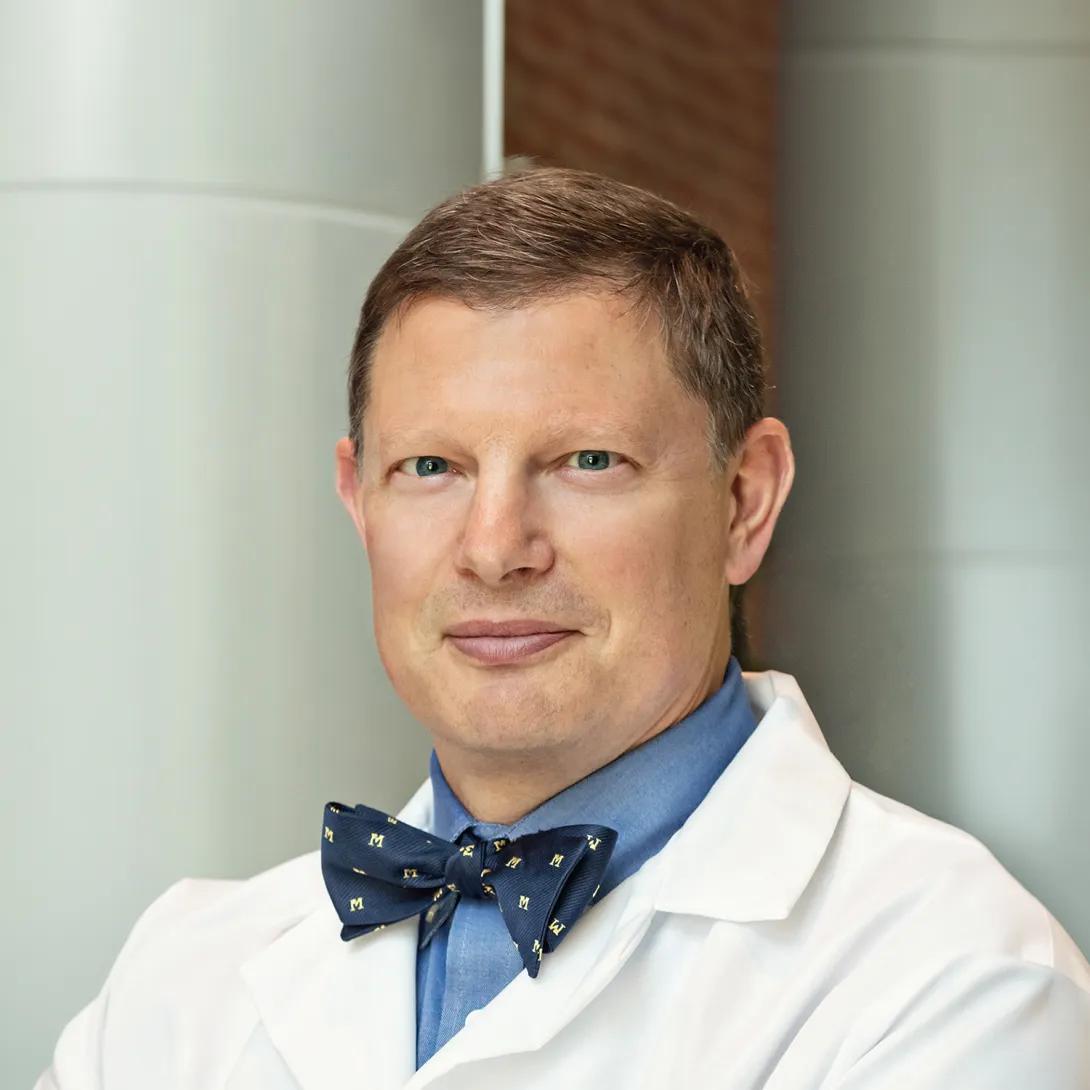
Martin Myers
Director of Pilot/Feasibility Grant Program

Jiandie Lin, PhD
Director of Enrichment Programs
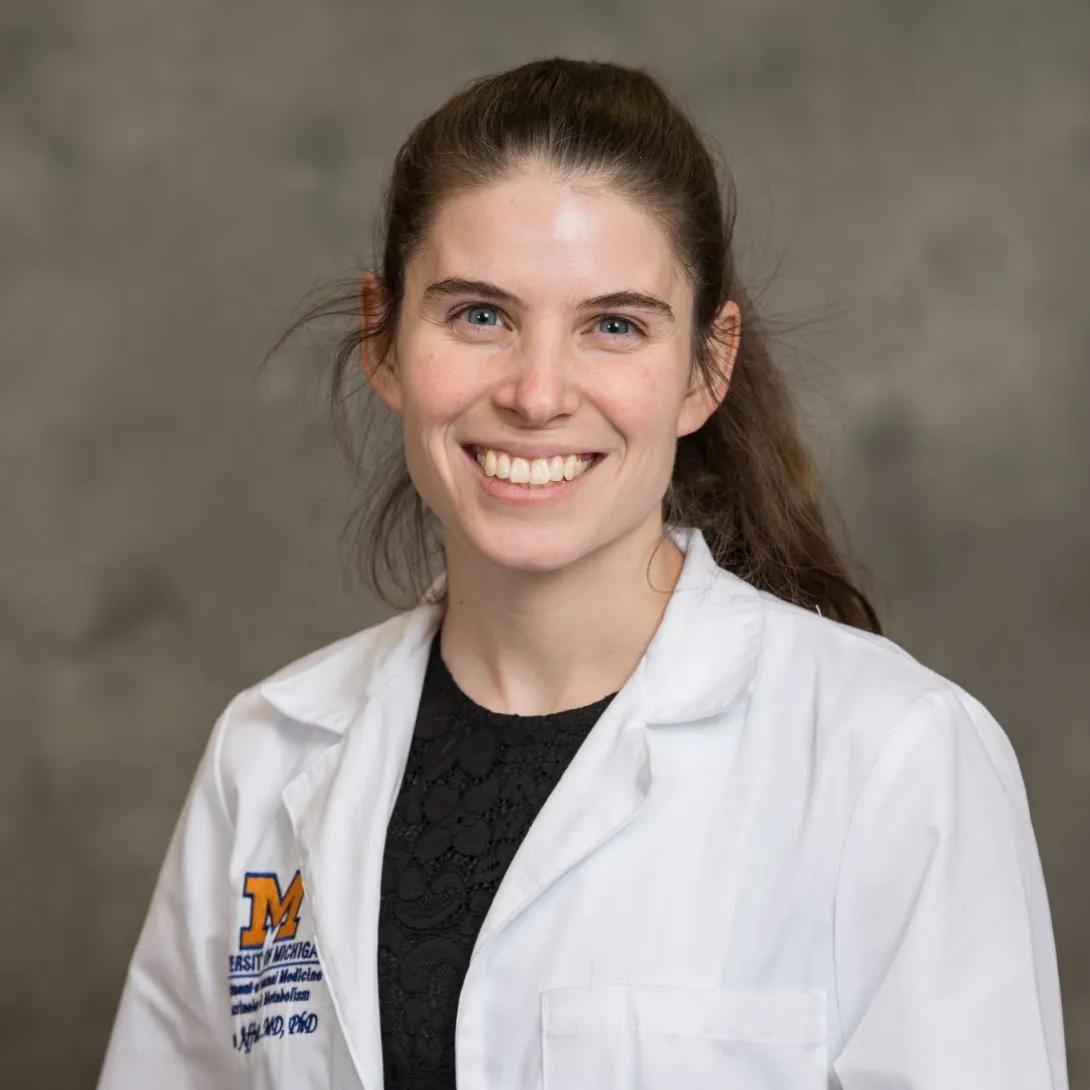
Alison Holley Affinati
Director of Administration