Leveraging Community, Family and Peer Support (National) Core

Strengthening Support, Improving Outcomes
This Core facilitates research on and the development and evaluation of interventions addressing community, peer, and family support.
We define community as the overarching ecosystem through which family and peer support is leveraged. Families and peers are defined broadly to include biological kin and individuals who comprise current and potential new social networks. These may consist of colleagues, neighbors, fellow church members, participants in a group medical visit, members of a virtual community, and even well-designed apps. Thus, this Core emphasizes a) the exchanges within and between communities, families, and peers (i.e., overlap); b) the characteristics and processes they share (i.e., interact); and c) the reciprocal association between their influence and their contexts – culture, disease characteristics, stage of life, etc. (i.e., function). The Core supports studies into these topics, including interventions anchored in communities and health care systems that utilize community, peer, or family influences, broadly defined. To improve the design, implementation, and evaluation of interventions, this Core also supports studies exploring community, peer, and family support paths and how different contexts shape them.
This Core’s objectives are centered on how support from communities, peers, and families impact and can best be mobilized to promote substantive positive changes in the lives and health of those affected by diabetes. The Core is an outgrowth of the Michigan-UNC Peer Support Core, funded through the Michigan Center for Diabetes Translational Research, 2016-24. It continues the Peer Support Core’s emphasis on the variety of peers and peer support approaches and the processes that undergird them, while expanding on these to include families and communities. With its national focus, the Core will serve colleagues at the University of Michigan, the University of North Carolina-Chapel Hill, and diabetes researchers across the US. This will include individual consultation to researchers and on research projects, national outreach, and facilitation such as through webinars and annual research workshops of a national Special Interest Group of researchers interested in the contributions of and interactions among community, peer, and family supports for improving diabetes prevention and management.
The Community, Family and Peer Support Core of the Michigan Center for Diabetes Translational Research (CDTR) is a collaboration of faculty at the University of Michigan and Peers for Progress at the University of North Carolina-Chapel Hill. Faculty in the Core include Daphne Watkins, Jaclynn Hawkin, and Olayinka Shiyanbola at Michigan, and Ed Fisher at UNC-Chapel Hill. Co-directors of the overall Michigan CDTR are Michele Heisler and Gretchen Piatt.
As part of its work, the Community, Family and Peer Support Core hosts a Resource Clearinghouse for Community, Family, and Peer Support. The Core facilitates this clearinghouse to bring together and promote shared use of tools for:
- Development/planning of community/family/peer support programs
- Models/examples of peer support programs
- Training community and family members, peer supporters, etc. to work in programs to prevent and manage diabetes
- Evaluation of community/family/peer support programs
Key Personnel
Core Co-Directors

Daphne C Watkins BA, PhD
Research Center for Group Dynamics

Edwin Fisher, PhD
Co-Investigators
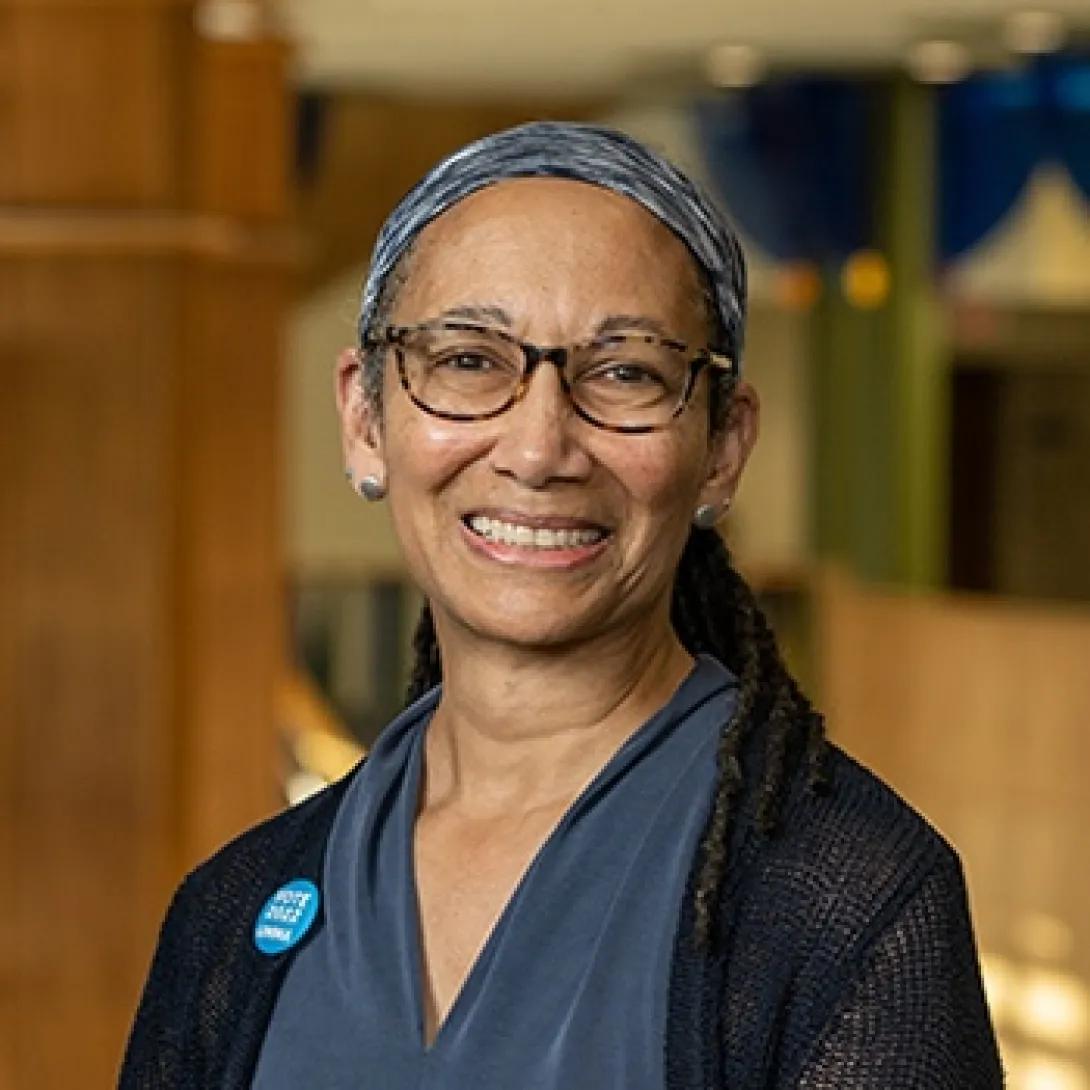
Linda Chatters, PhD
U-M School of Social Work
Professor of Health Behavior and Health Education
U-M School of Public Health
Faculty Associate
Research Center for Group Dynamics, ISR

Joyce M Lee, MD, MPH
Professor of Pediatrics
Associate Chief Medical Information Officer of MiChart Pediatric Research
Ambulatory Care Clinical Chief
UMMG Faculty Benefits
Associate Chair, Health Metrics and Learning Health Systems, Department of Pediatrics
Professor of Pediatrics for Child Health Delivery, Medical School
Professor of Nutritional Sciences, School of Public Health

Michele Heisler, MD, MPA
Professor of Internal Medicine
Medical School
Professor of Health Behavior and Health Equity
School of Public Health
Core Co-Managers

Ana Jafarinia