
MCDTR Pilot & Feasibility Program

Launching Bold Ideas
The Michigan Center for Diabetes Translational Research (MCDTR) Pilot & Feasibility (P/F) Grants Program provides critical start-up support and mentorship for high-quality T2 to T4 translational research proposals related to MCDTR research themes.
A crucial feature of our successful P/F program has been its ability to stimulate interest in translational research in diabetes across many units of the university including the Medical School, School of Public Health, School of Nursing, School of Social Work, Institute for Social Research, Michigan Institute for Clinical and Health Research, Nutrition and Obesity Research Center, and the Center for Behavioral Solutions to Healthcare Engagement and Access. In addition, our support of multiple types of research casts a wide net, capturing the innovation of multidisciplinary research and facilitating the convergence of multiple research pathways focused ultimately on establishing and maintaining independence for early-stage investigators pursuing academic careers in diabetes translational research. We will continue to advance the P/F diabetes translational research agenda by further promoting research on social and behavioral determinants of health, population health, clinical and translational diabetes research and by establishing new collaborations across departments and divisions within the Medical School and across the campus.
Pilot & Feasibility Grant Program
The 2026 MCDTR Pilot & Feasibility Grant application cycle has concluded.
The purpose of this Pilot & Feasibility Grant Program is to promote research in diabetes translational research by new and established investigators.
Faculty at the University of Michigan and the University of North Carolina at Chapel Hill
- New investigators beginning careers in diabetes-related research, established
investigators who have not previously worked in diabetes-related research but
who wish to focus their expertise on diabetes, or established diabetes
investigators who propose innovative research in diabetes that represents a
clear departure from their ongoing research
Two applications at up to $50,000 per application
The 2026 application cycle for the MCDTR Pilot & Feasibility Grant has concluded.
Proposals should be for one year of support, with total funding up to $50,000 in direct costs
Application Deadline: Wednesday, April 1, 2026 (5:00 PM)
Anticipated Funding Date: August 1, 2026
Questions: Contact Pam Campbell, 734-763-5730, [email protected]
Pilot Partnered Policy Impact Research (PPPIR) Grant Program
The application cycle for the 2026 MCDTR Pilot Partnered Policy Impact Research (PPPIR) grant has concluded.
The purpose of these grants will support partnered research between a University of Michigan researcher and a policy partner (e.g., health department, social services organization) to conduct policy-relevant research on a program or policy the partner organization would like rigorously evaluated.
- Faculty at the University of Michigan
- Individuals who have instructional, research, or clinical faculty positions at the University of Michigan are eligible to apply as Principal Investigators for PPPIR proposals. Eligible applicants can be either: a) new investigators beginning careers in diabetes-related research; or b) established investigators
Up to $50,000
The application cycle for 2026 has concluded.
Proposals should be for one year of support, with total funding up to $50,000 in direct costs
Application Deadline: Wednesday, April 1, 2026 (5:00 PM)
Anticipated Funding Date: August 1, 2026
Questions: Please contact Pam Campbell, (734) 763-5730, [email protected]
Grant Program Awardees
- Alex Peahl, MD, MSc, Assistant Professor, Obstetrics and Gynecology,“Prepared for pregnancy: a randomized controlled trial of prepared vs. unprepared foods for pregnant patients at risk of gestational diabetes” (funded by CDI)
- Cherie Conley PhD, MSN, Assistant Professor, School of Nursing, DPP TOPS: Decreasing Diabetes Risk in African American Communities” (funded by ADA)
- Melissa Dejonckheere, PhD, Assistant Professor, Family Medicine, “Feasibility of predicting disordered eating risk using diabetes device data in adolescents with type 1 diabetes” (funded by MCDTR)
- Dina Hafez Griauzde, MD, MSc, Assistant Professor, Internal Medicine, General Medicine, “Characterizing Anti-Obesity Medication Coverage Among Private Health Plans in Michigan” (funded by CDI)
- Leah Robinson, PhD, Professor of Movement Science, School of Kinesiology, “Program Evaluation of CLR Academy” (funded by ADA)
- Vincent Chen, MD and Ponni Perumalswami, MD, Assistant Professor and Associate Professor, respectively, Internal Medicine, Gastroenterology, “Social determinants of liver-related complications and treatment in type 2 diabetes” (funded by MCDTR)
- Kevin Joiner, PhD, APRN, ANP-BC, Assistant Professor, School of Nursing, “A Training Module for Primary Care Providers to Minimize the Use of Diabetes-Stigmatizing Language” (funded by ADA)
- Cindy Leung, ScD, MPH, Professor, Nutritional Sciences (left for Harvard) and Wei Hao, PhD, Research Assistant Professor, Public Health, Biostatistics, “Addressing Food Insecurity and Adult Diabetes Outcomes through an Academic-Community Partnership” (funded by CDI)
- Colin Orr, MD, MPH, Assistant Professor, Pediatrics, UNC Chapel Hill, “Development and adaptation of an intervention to address food insecurity and support health infant growth.”
- Deshira Wallace, PhD, Assistant Professor, Health Behavior, UNC Chapel Hill, “Understanding and Measuring Prediabetes-Related Stress among U.S. Latinos”
- David Flood MD, MSc, Research Fellow, Internal Medicine, Clinical Lecturer in Pediatrics and Clinical Lecturer in Internal Medicine, Medical School, University of Michigan, “Comparative health systems research for equitable diabetes care”
- Melissa Elafros, MD, PhD, Clinical Lecturer, Department of Neurology, University of Michigan, “The Flint Neuropathy Study (FNS): Assessing the burden of diabetic distal symmetric polyneuropathy”
- Shih-Chen Kuo (Stanley), RPh, PhD, Assistant Research Scientist, Internal Medicine, Medical School, University of Michigan, “Missed opportunities of using Metformin for diabetes prevention: a modeling study using the benefit-based tailored treatment approach”
- Kara Mizokami-Stout, MD, MSc, Clinical Lecturer, Internal Medicine, Medical School, University of Michigan, “Key determinants and organizational readiness for continuous glucose monitor adoption and implementation”
- Kate Bauer, PhD, MS, Assistant Professor, School of Public Health, Nutritional Sciences, University of Michigan, “Strengthening parent self-regulation to improve youth t1d management”
- Yu Kuei (Alex) Lin, MD, Clinical Assistant Professor, Internal Medicine, University of Michigan, “Establish the use of mHealth in providing education on hypoglycemia management in type 1 diabetes patients using continuous glucose monitoring systems”
- Dina Hafez Griauzde, MD, MSc, Assistant Professor, Internal Medicine-General Medicine, University of Michigan, “A Mixed methods pilot randomized controlled trial of a primary care-based weight loss navigation program for adults with obesity and type 2 diabetes”
- Paul Fleming, PhD, MPH, Assistant Professor, Health Behavior and Health Education, School of Public Health, University of Michigan, “Immigration-related stress and risk for diabetes”
- Jaclynn Hawkins, MSW, PhD, Assistant Professor of Social Work, School of Social Work, University of Michigan, “Men in Action (M-Action): cognitive behavioral therapy (CBT) and community-based exercise (EXER) intervention for black men with type 2 diabetes”
- Pearl Lee, MD, MS, Assistant Professor, Internal Medicine - Geriatric & Palliative Medicine, University of Michigan, “Individualizing diabetes care: Modified annual wellness visit in a primary care clinic”
- Sela Panapasa, PhD, Associate Research Scientist, Research Center on Group Dynamics, Institute for Social Research, “Prevalence and Correlates of Diabetes: The Native Hawaiian and Pacific Islander National Health Interview Survey, 2014”
- Deborah Tate, PhD, Professor, Department of Health Behavior and Nutrition, School of Public Health, University of North Carolina, “Adaptation of a digital weight loss intervention promoting self-regulation for use in type 2 diabetes"
- Tammy Chang, MD, MPH, MS, Assistant Professor, Department of Family Medicine, University of Michigan “Speaking their language: Using social media and texting to create an adolescent-centered approach to healthy weight gain during pregnancy”
- Minal Patel, PhD, MPH, Assistant Professor, Health Behavior & Health Education, University of Michigan “Feasibility of pre-visit screening of diabetes-related financial burden on care outcomes”
- Anne-Marie Rosland, MD, Assistant Professor, General Medicine, Internal Medicine, University of Michigan, was awarded the MCDTR award for “Reducing diabetes risk by supporting patients' informal caregivers through clinical interactions and technology”
Diabetes Interdisciplinary Study Program (DISP) Awardees
- Briana Mezuk, PhD, Associate Professor and Co-Director, Center for Social Epidemiology and Population Health, Department of Epidemiology, School of Public Health, University of Michigan; Edith Kieffer, PhD, Professor, School of Social Work, University of Michigan; and William Thornton, MBA, Association Director of Community Wellness, YMCA of Greater Richmond, “Strengthening a community-engaged partnership to address disparities in diabetes care”
- Wen Ye, PhD, Associate Research Scientist, Biostatistics and Lynda Lisabeth, PhD, Professor, Epidemiology, “Development and validation of a stroke simulation model for evaluating stroke prevention and treatment policies in type 2 diabetes patients”. Jointly funded by the MDRC and the MCDTR.
- Harold Neighbors, PhD, Professor, Health Behavior and Health Education, and Gretchen Piatt, PhD, MPH, Assistant Professor, Medical Education (DISP), “Oral Health Buddy: A behavioral intervention targeting racial disparities in diabetes and periodontal disease using text-messaging and caregiving”. Jointly funded by the MDRC and the Michigan Comprehensive Diabetes Center (MCDC).
Key Personnel
P/F Co-Directors

William H Herman
Professor of Internal Medicine
Medical School
Professor of Epidemiology
School of Public Health
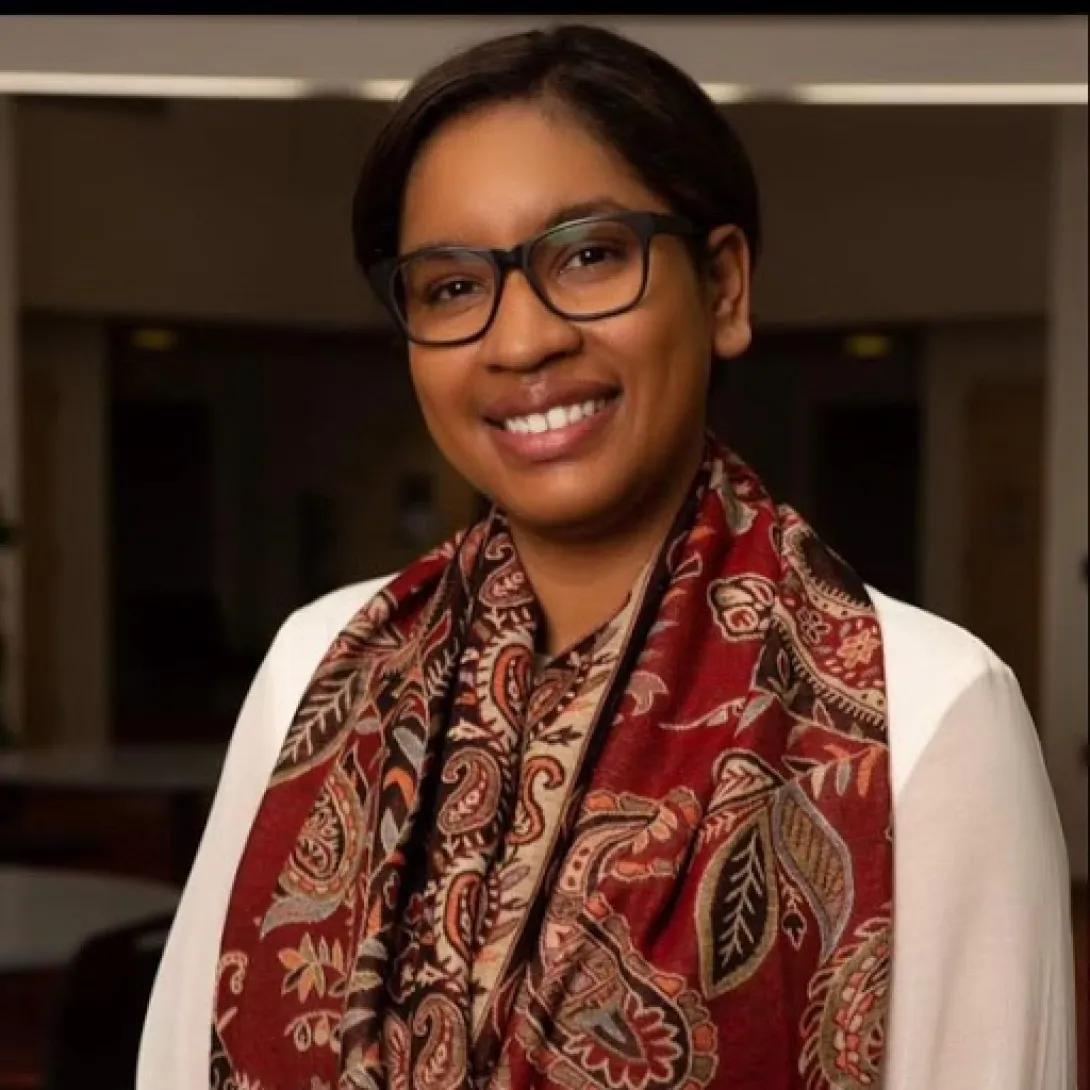
Jaclynn M Hawkins
ADMINISTRATIVE SUPPORT
Pamela A. Campbell
Administrative Specialist
734-763-5730
[email protected]
