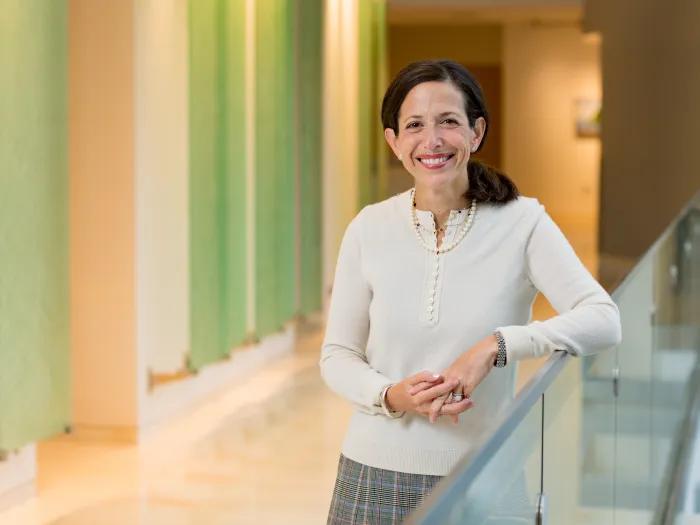
Global Surgery
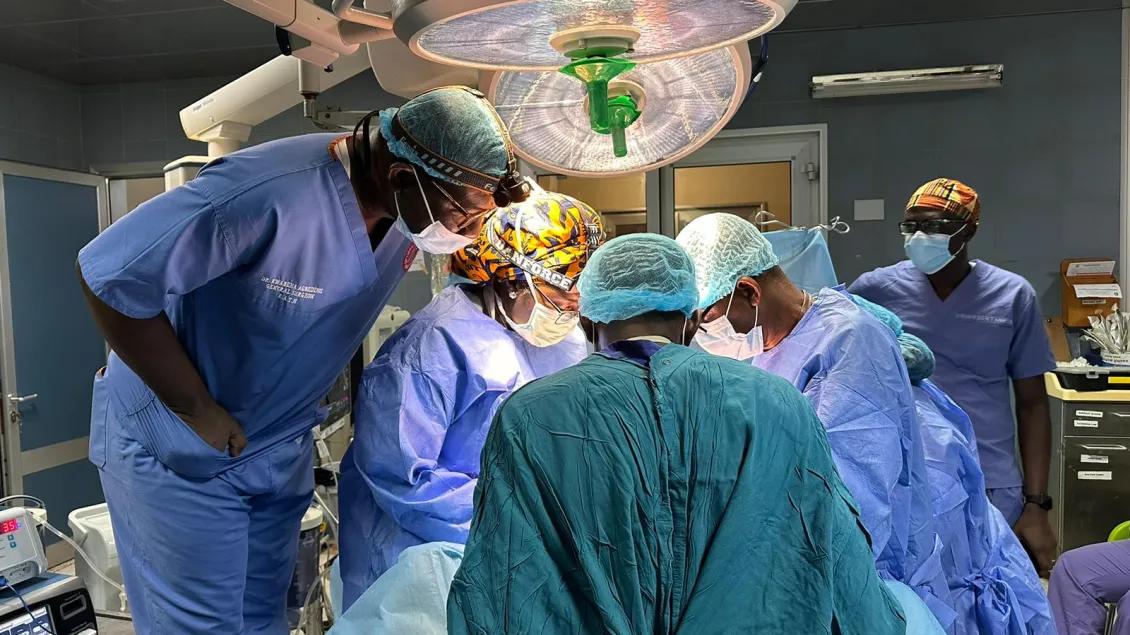
Global Capacity Building & Research
The Department of Surgery is a part of the global community, and we are committed to creating long term collaborations with partners around the globe.
Mission & Vision
The Center for Global Surgery, part of the Department of Surgery at U-M Medical School, is committed to training the next generation of surgical leaders, advocating for equitable access to surgical care, and advancing innovative, collaborative research that addresses global health disparities. Our vision is to establish the University of Michigan as a global leader in surgery by advancing excellence in global surgical care, education, research, and advocacy.
Through enduring education and research partnerships and clinical collaboration with institutions around the world, we strive to advance global surgical care in six key areas:
- Culture and belonging: Foster an inclusive, respectful and culturally humble global community strengthened by different perspectives that help drive innovation and mutual learning.
- Global talent and advocacy: Develop surgeons committed to advancing global surgery efforts and advocating for equitable care in underserved communities internationally and locally.
- Leadership for global equity: Cultivate leaders who address surgical disparities through ethical collaboration, systems-based thinking, and resilience in the face of global health challenges.
- Shared achievements: Create a sustainable impact in global health research, education, capacity building and advocacy through collaborative efforts.
- Innovation: Reimagine models of care, education and research to foster surgical excellence worldwide and ensure equity.
- Sustainable engagement and capacity building: Build and uphold long-term, mutually beneficial partnerships that strengthen surgical systems globally.
Our Work
Guided by the concept of “convergence science,” we feel a strong sense of urgency to build partnerships internationally that will introduce surgeons and surgical residents to new knowledge and approaches — because big leaps come from new settings and ideas.
The Center for Global Surgery connects our faculty and trainees to communities around the world and within the University of Michigan, including Global REACH, Global Surgery Student Alliance, the Center for Global Health Equity and others. Through education, surgical care and research initiatives, we create an international footprint by giving our faculty and trainees the opportunity to make a sustainable difference in the global health arena.
By joining with institutes abroad, we can develop long-term relationships that improve quality and delivery of care, creating a positive ripple effect for communities around the globe — as well as the chance for new scientific collaboration and discovery.
Collaborations & Initiatives
Center for Global Surgery members are engaging with a variety of projects and initiatives to advance surgical care, research, advocacy, and education around the world, and are almost always done in partnership with local institutions and health systems.
A tentpole of our work is helping strengthen and further develop surgical ecosystems with sustainable, innovative solutions that match the needs of the local settings. These projects are always done in collaboration with local providers and health systems, leveraging their expertise to improve capacity, infrastructure, patient access, supply chains and more, as well as further developing the skills and knowledge of those clinicians:
- Transplant surgeon Jeffrey Punch, MD, helped establish the King Faisal Hospital Kidney Transplant Program in 2022 to increase access to this care in Rwanda, which included training local surgeons and developing the program’s infrastructure to support its continued growth. The program celebrated its 100th transplant in 2026.
- Surgeons and surgical trainees from around the world have visited Michigan Medicine to give talks, observe our clinical environment and cultivate mutually beneficial partnerships in education, clinical development, research and more.
Developing and improving access to valuable surgical education resources globally is a central goal of our work. These projects help clinicians in underserved communities develop valuable surgical skills, round out their skillsets, hone their clinical decision making and more, leading to improved care and patient outcomes:
- ALL-SAFE is a multinational collaboration to create an open-source platform to help teach surgeons in low- and middle-income countries to perform laparoscopic surgery with modules including cholecystectomy and appendectomy. ALL-SAFE won the Grand Prize of the Global Surgery Training Challenge in 2023 and was named the official laparoscopy training platform for simulation training by the West African College of Surgeons.
- The Global Colorectal Surgical Education Initiative provides extensive clinical exposure, complemented by conferences and didactic instruction, to cultivate well-rounded colon and rectal surgeons with clinical proficiency in managing lower gastrointestinal diseases.
- Pediatric surgical condition management course is a collaboration with Rwandan pediatric surgery fellows to create a course to teach local physicians how to initially manage surgical conditions in children, which was successfully piloted at five rural hospitals and was accepted as a standard component for continuing medical education in the country.
- Pediatric surgery fellows at Michigan Medicine have the opportunity to participate in an ACGME-approved rotation to travel to Rwanda. This rotation helps fellows gain exposure to surgical settings with different resources, culture and patient populations, shaping them into more well-rounded surgeons.
Examining social, environmental and other factors that impact disparities in surgical care around the world is key to understanding how to improve quality of care as well as access. Our members have pursued a variety of research projects and quality improvement initiatives to investigate the barriers to surgical care and how different health systems work.
Recent publications from center members:
Establishing gastroschisis care: Impact of pediatric surgical services and a dedicated neonatal surgical unit on survival of gastroschisis in Rwanda. Hsu PJ, Diehl TM, Lemma MA, Javed M, Rwagahirima E, Ntezamizero J, Nduwimana AA, Bunogerane GJ, Ndibanje AJ, Matusko N, Petroze RT, Ntaganda E. J Pediatr Surg. 2026 Jul;61(7):163110. doi: 10.1016/j.jpedsurg.2026.163110. Epub 2026 Mar 25. PMID: 41895460
Infections in pediatric surgical practice in low- and middle-income countries: Resource-adapted clinical decision-making. Obaid O, Grayson BL, Petroze RT, Nwomeh B. Semin Pediatr Surg. 2026 Feb;40:151623. doi: 10.1016/j.sempedsurg.2026.151623. Epub 2026 Mar 6. PMID: 41807178
Global Surgical Education: Does Online Mean Accessible? Kim E, Ngam BN, Snell MJ, El-Hayek K, Kim GJ, Jeffcoach DR. Ann Surg. 2026 Jun 1;283(6):937-939. doi: 10.1097/SLA.0000000000006970. Epub 2025 Nov 3. PMID: 41177960
The Language We Use to Teach Surgery: Language Inaccessibility of Minimally Invasive Surgical Training in Francophone Countries. VanWinkle CK, Jordan TNM, Ngam B, Thelander K, Kim GJ. World J Surg. 2025 Jul;49(7):1696-1697. doi: 10.1002/wjs.12656. Epub 2025 Jun 13. PMID: 40514789
Strategies and Challenges of a Safe Fireplace Program in Rural Kenya: A Qualitative Study. Hunter MA, Sylvester K, Rencken C, White RE, Harrington DT, Vivier PM, Parker RK. J Burn Care Res. 2024 Sep 6;45(5):1237-1242. doi: 10.1093/jbcr/irae022. PMID: 38366041
Healthcare providers' perceptions of the kidney transplant program at King Faisal Hospital Rwanda: A one-year evaluation. Martinelli M, Twagirumukiza E, Elbasha AM, Sendegeya A, Uwurukundo BS, Karangwa J, Neil KL, Nshimiyimana L, Punch J. PLOS Glob Public Health. 2025 Jul 28;5(7):e0004905. doi: 10.1371/journal.pgph.0004905. eCollection 2025. PMID: 40720381
Health Comes First: A Qualitative Study of Empowerment in Women Facing Breast Cancer in Ghana and Ethiopia. Baglien BD, Guzman N, Kassa ES, Kyei I, Hoyte-Williams PE, Bekele M, Hawley ST, Byrnes ME, Momoh AO. JCO Glob Oncol. 2025 Sep;11:e2400624. doi: 10.1200/GO-24-00624. Epub 2025 Sep 29.
Prehospital hemorrhage management in low- and middle-income countries: A scoping review. Kulkarni AJ, Batra A, Eisner ZJ, Delaney PG, Pine H, Klapow MC, Raghavendran K. World J Surg. 2024 Mar;48(3):547-559. doi: 10.1002/wjs.12054. Epub 2024 Jan 24. PMID: 38265259
Assessing Colorectal Care Capacity at an Urban Tertiary Hospital in Ghana. Panzer KV, Bediako-Bowan AAA, Kumassah P, Orji A, Brand NR, Dakubo J, Agbenorku PT, Debrah SA, Huang L, Laryea J, Lowry AC, Kwakye G. Ann Glob Health. 2025 Sep 12;91(1):61. doi: 10.5334/aogh.4663. eCollection 2025. PMID: 40951912
Our members are involved in advocacy work for equitable surgical care globally through opportunities presented by the American College of Surgeons H.O.P.E. Initiative, specialty societies, institutional initiatives, global health organizations and policymaking efforts.
Global Surgery Fellowship
The Global Surgery Fellowship at the Center for Global Surgery offers a one to two year fellowship focused on training future leaders in academic global surgery. The fellowship is designed for residents in the Department of Surgery to work on during the course of their Academic Development Time (ADT).
Fellows are encouraged to pursue a variety of funding avenues to support their work, including the NIH Fogarty Global Health Research Training Grant, among others.
Current Fellow
Brigit Baglien, MD
Dr. Baglien was involved in the sub-Saharan Africa Breast Reconstruction (SABR) research study, a partnership with Komfo Anokye Teaching Hospital and St. Paul’s Millenium Medical College to qualitatively and quantitatively examine perspectives and fears about mastectomy, knowledge about breast reconstruction and barriers to reconstruction.
Phillip Hsu, MD, PhD
Dr. Hsu was an NIH Fogarty Fellow and collaborated with Rwandan pediatric surgery fellows to develop a course to help local physicians handle the initial management of surgical conditions in children. This was successfully piloted at five rural hospitals and is now part of Rwanda's continuing medical education curriculum.
Collaborate with Us
The Center for Global Surgery connects our faculty and trainees to communities around the world. Through education, surgical care and research initiatives, we create an international footprint by giving our faculty and trainees the opportunity to make a sustainable difference in the global health arena.
We have established long-lasting collaborations with international partners in order to promote capacity building and research across a wide range of global surgery topics. Our trainees, faculty, staff and partners work together to build projects with incredible impact. Email Dr. Robin Petroze, Director of the Center for Global Surgery, to learn more about how to get involved.
Contact Us
Support Our Work
Your support helps train the next generation of global surgery leaders, deepen international partnerships, accelerate innovative research and develop sustainable solutions with global communities that need them most.
Leadership
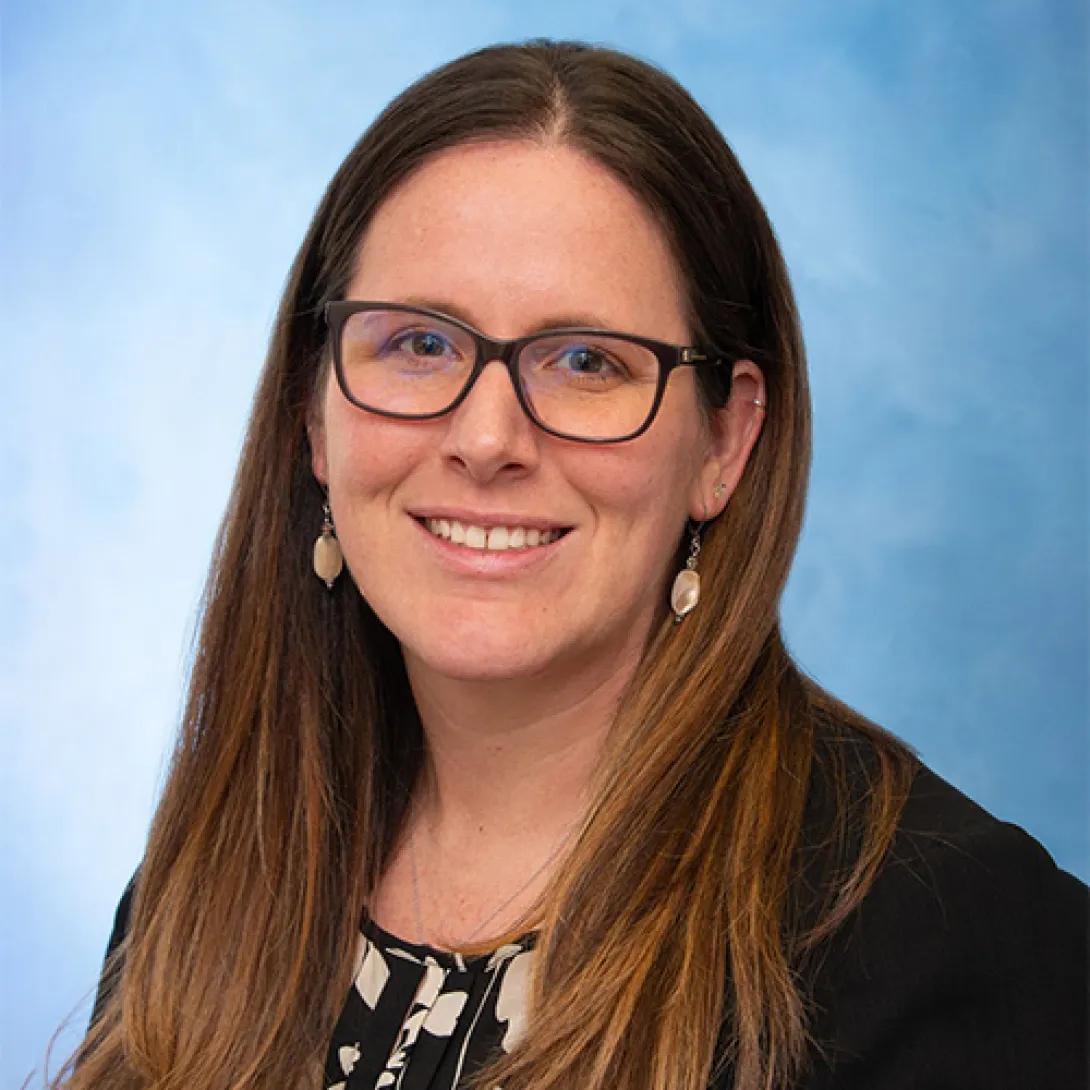
Robin Theresa Petroze, MD, MPH, FACS, FAAP, FCS(ECSA)
Department of Pediatric Surgery
Medical School
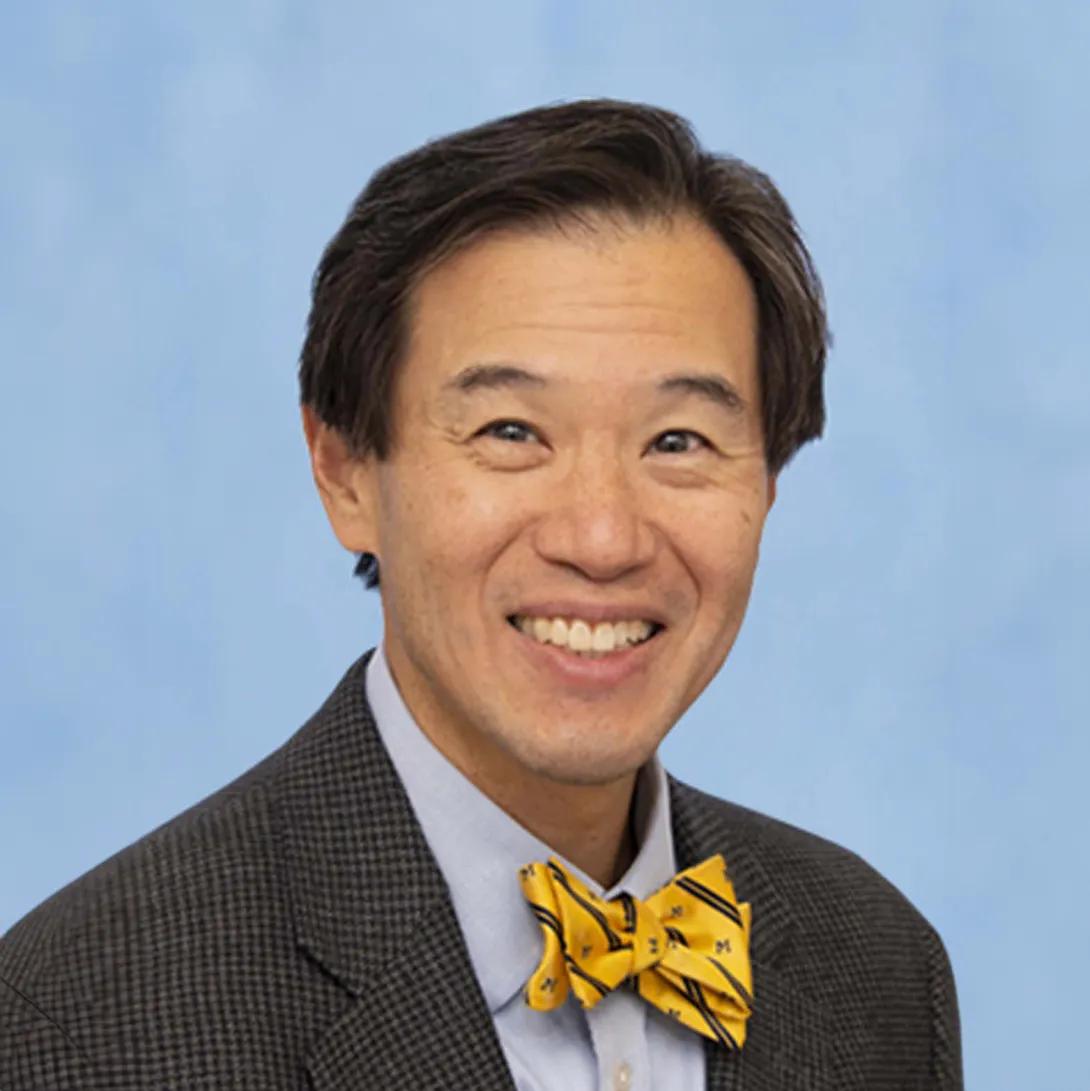
Andrew C Chang, MD
Medical School
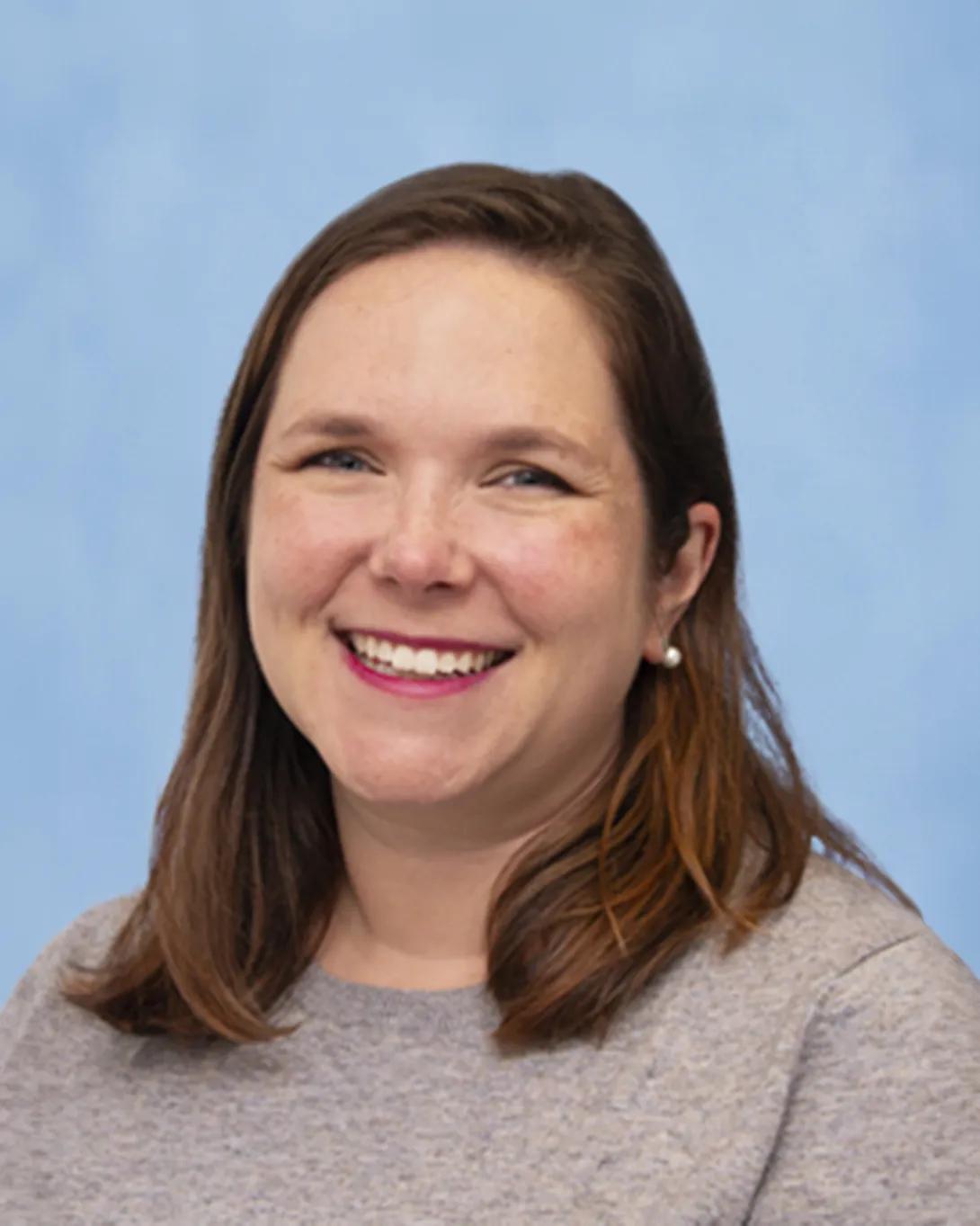
Mary A Hunter, MD, MA, ScM
Medical School
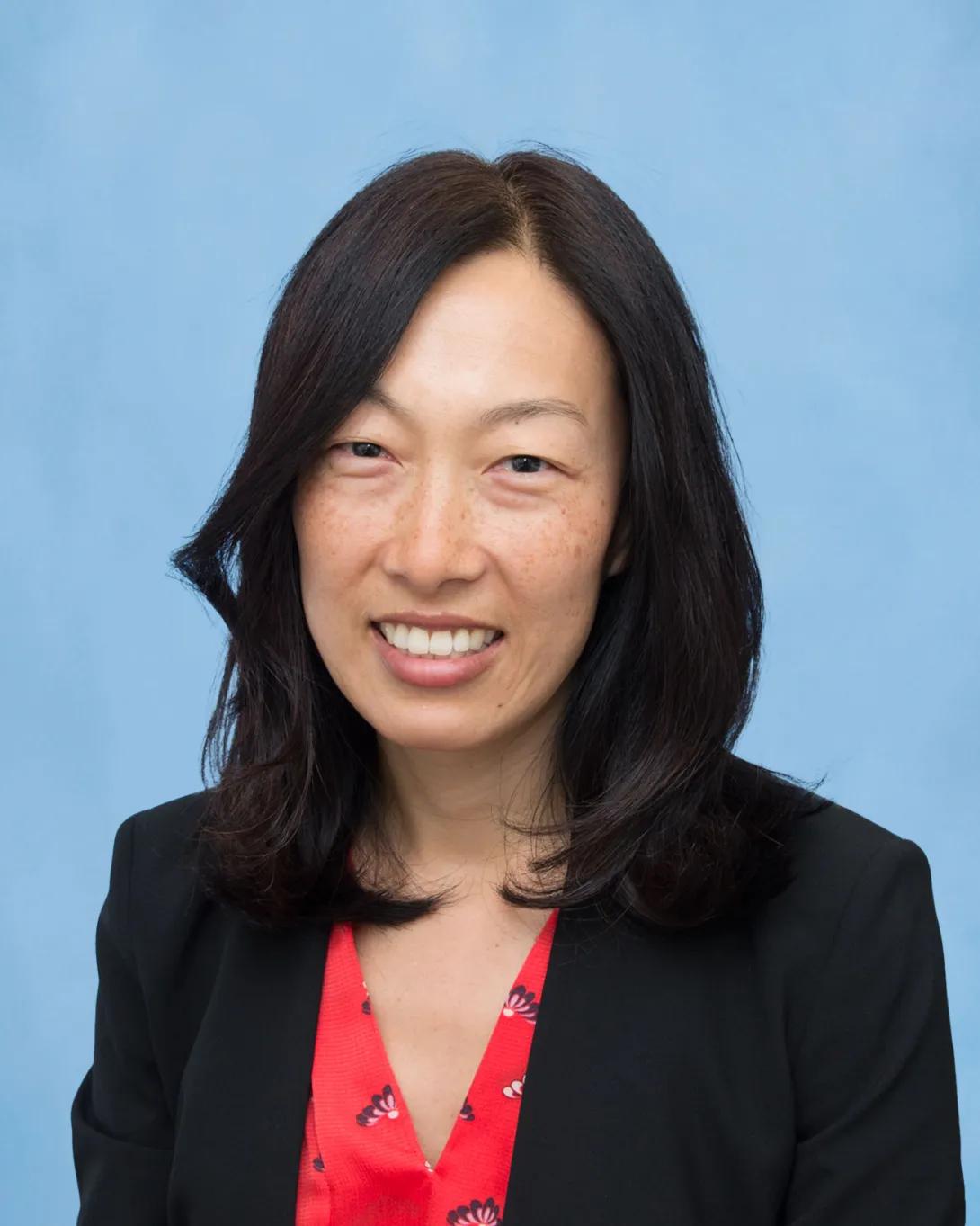
Grace J Kim, MD
Department of Surgery
Clinical Professor of Surgery
Program Associate
Surgery
Medical School
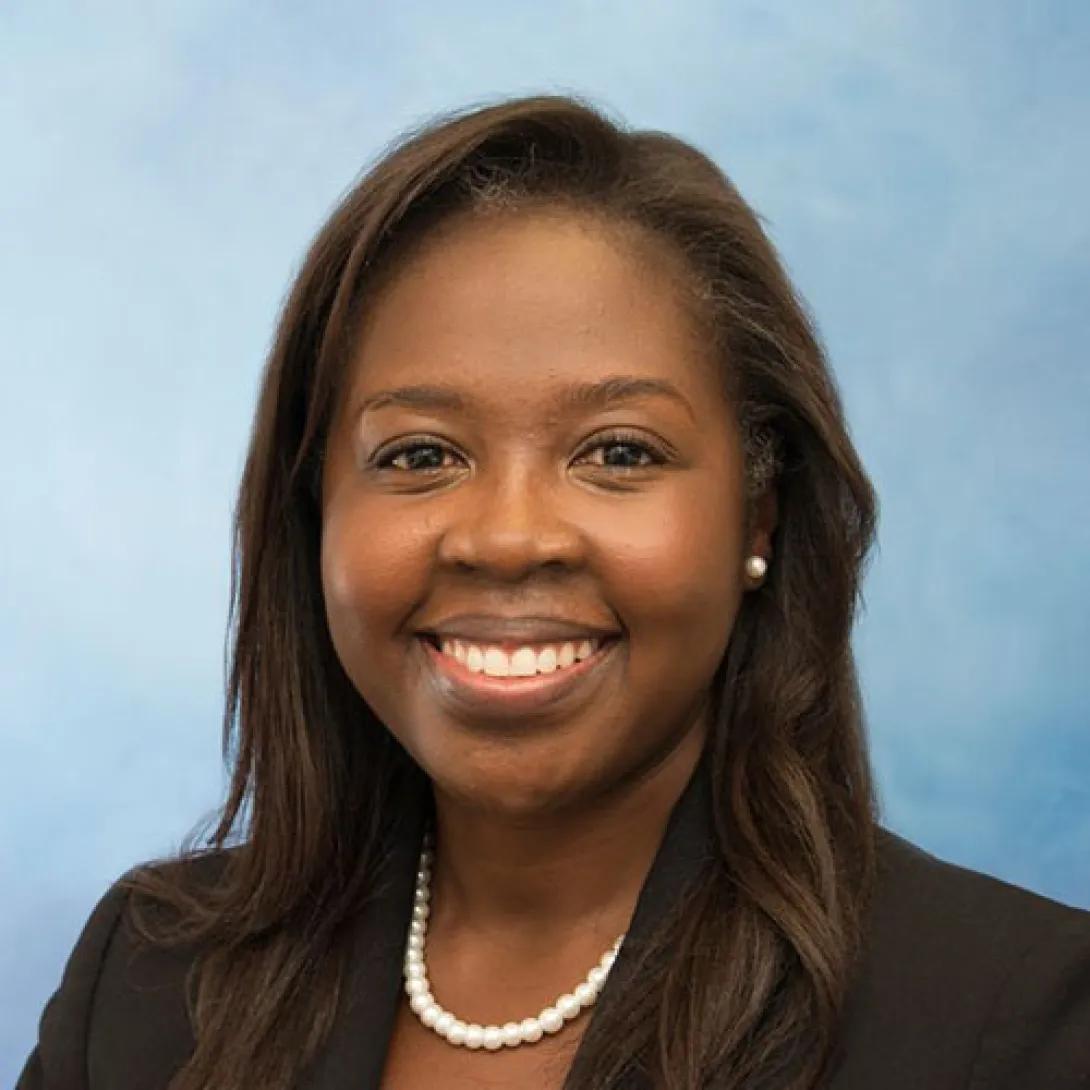
Gifty Kwakye, MD, MPH
Clinical Professor of Surgery
Assistant Dean for Clinical Medical Education
Medical School
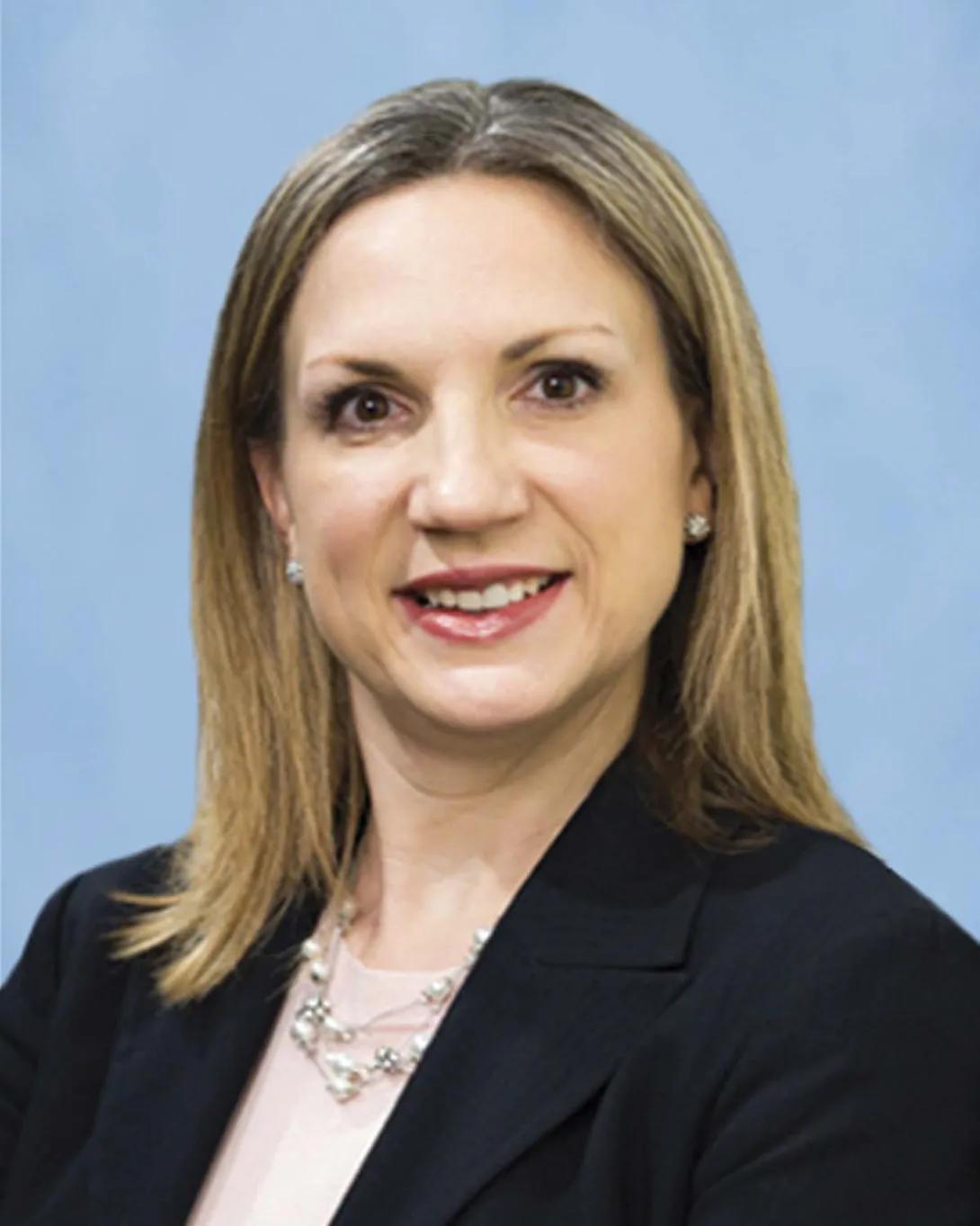
Erin E Perrone, MD
Assoicate Chair
Department of Pediatric Surgery and Medical Director
UMMG
Medical School
Jeffrey D Punch
Medical School
Featured News & Stories
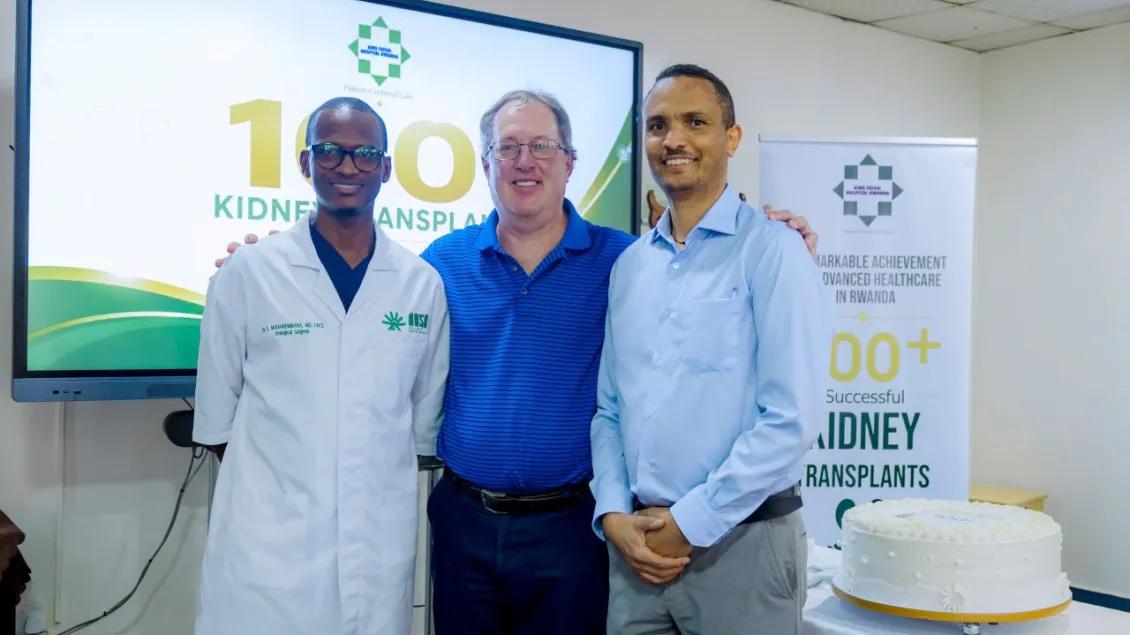
Rwanda marks 100th kidney transplant through U-M collaboration
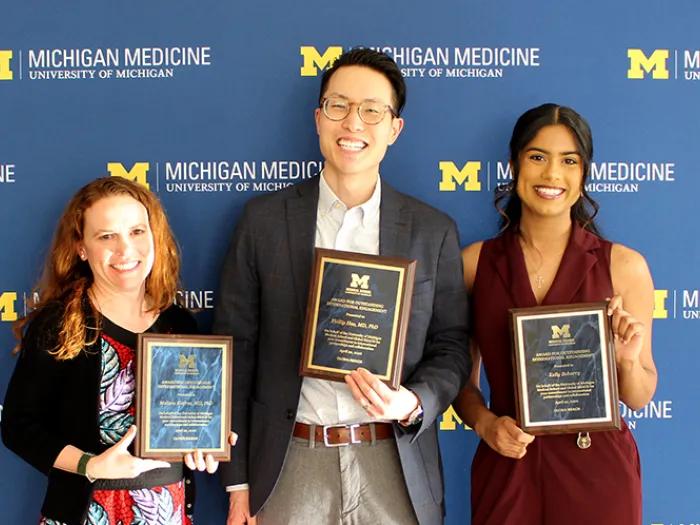
Global REACH Honors 2026 Awardees for Outstanding International Engagement
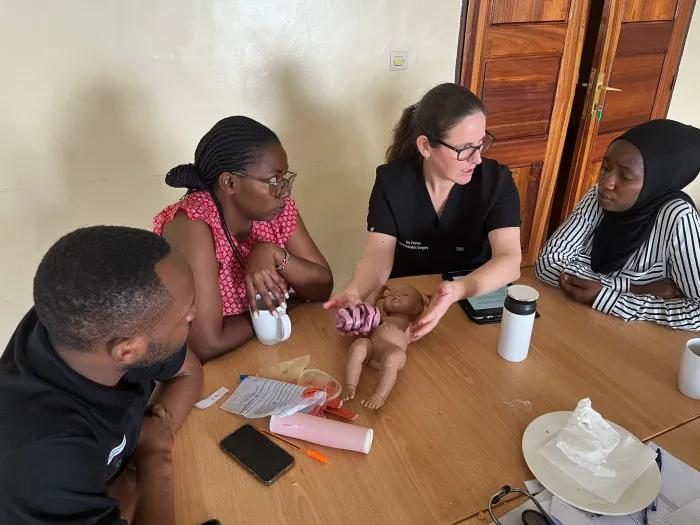
Robin Petroze’s vision to move global surgery forward: Build on momentum
Two U-M Researchers Earn Election to National Academy of Medicine