Thoracic Surgery

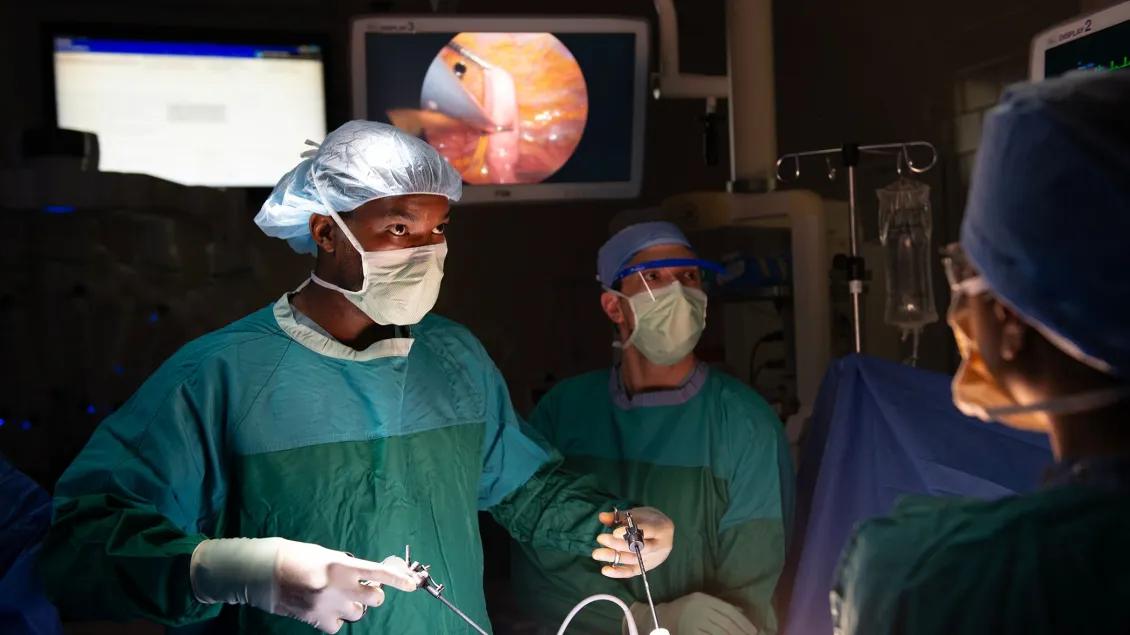
A surgeon maneuvers laparoscopic tools in an operating room as a medical student watches.

Section of Thoracic Surgery

We're advancing the field of thoracic health—translating discoveries to the clinic and training the next generation of experts.

Our Tradition of Excellence in Thoracic Surgery

At the U-M Medical School Section of Thoracic Surgery, we draw on a legacy of impact and innovation in the treatment of surgical diseases of the chest. As pioneers of the transhiatal esophagectomy, Michigan thoracic surgeons continue to lead in the treatment and research of surgical diseases of the trachea, lung, mediastinum, diaphragm and esophagus. We were the first in Michigan to complete a lung transplant in 1990, and have gone on to perform more than 500 of these life-saving procedures.

We cultivate a multidisciplinary partnership with our colleagues in anesthesiology, oncology, pulmonary medicine and gastroenterology that results in the best outcomes for patients and wide-ranging training experience for residents.

About

To become a worldwide leader in thoracic clinical care, we're focused on education, research and improving the lives of our patients.

Education

As a top academic medical center, we offer broad clinical experience, instruction by surgeon educators and tailored resources and opportunities.

Research

Our multidisciplinary approach to research spans basic science, translational medicine, and health disparities and outcomes.

Faculty

Our thoracic surgeons are committed to delivering world class education, patient care and research.

Patient Care

We provide comprehensive diagnostic and therapeutic services for patients with surgical diseases of the chest.

Giving

Support our breakthroughs in thoracic surgery research, education and patient care.

Michigan Promise

The Michigan Promise aims to empower faculty members and residents in the Department of Surgery to achieve professional success. We support initiatives connected to environment, recruitment, leadership, achievement, innovation and outreach.

Learn more about our Michigan Promise

Connect with Us

Leadership

See all Thoracic Surgery faculty David Odell

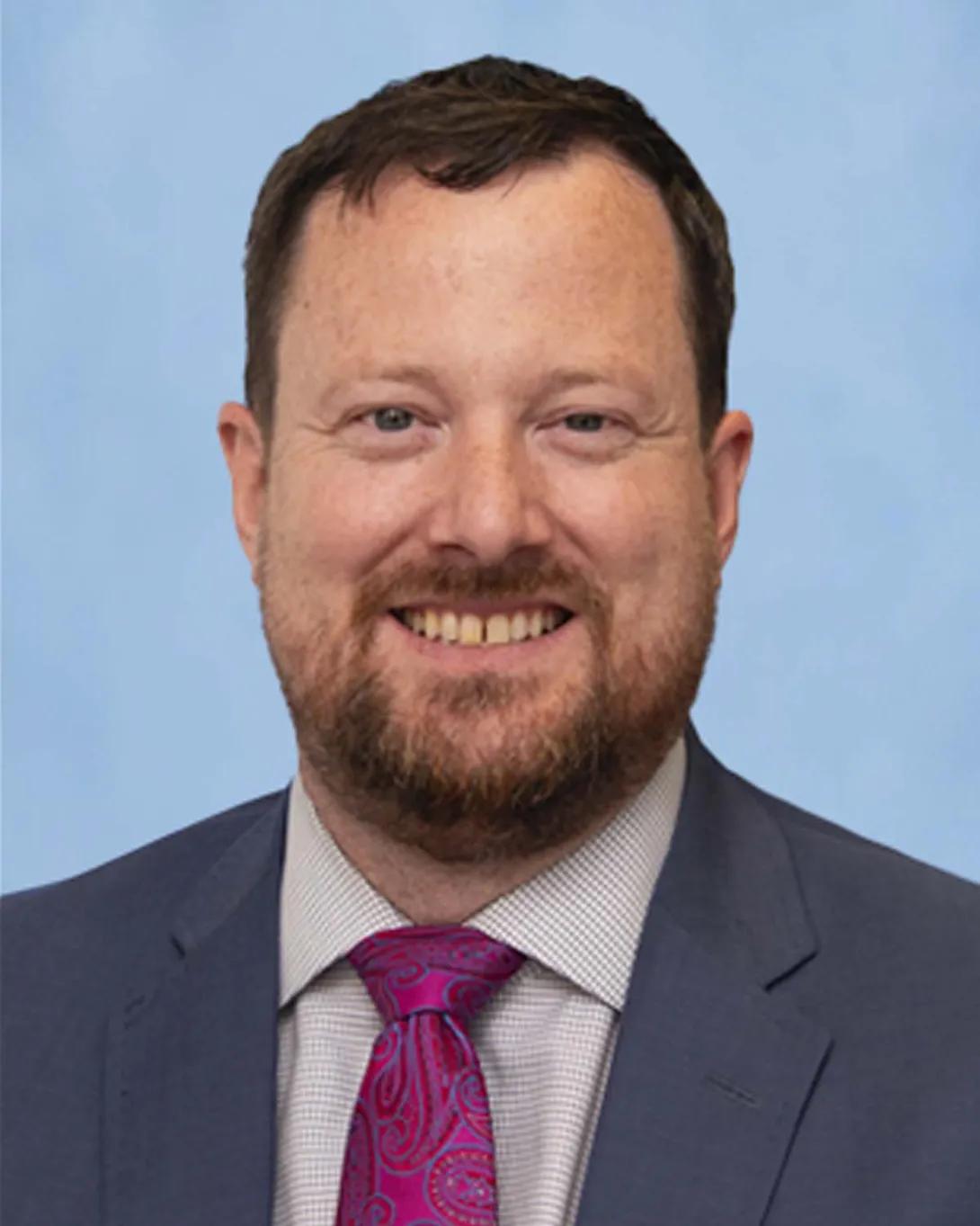
David D Odell, MD, MMSc

John Alexander Distinguished Professor of Thoracic Surgery
Professor of Surgery
Section Head, Thoracic Surgery
Service Chief, Thoracic Surgery
Medical School

Featured News & Stories

See all news
Black and white cutout of Moses Gunn in a conference ballroom.
Department News

2026 Moses Gunn Research Conference Highlights
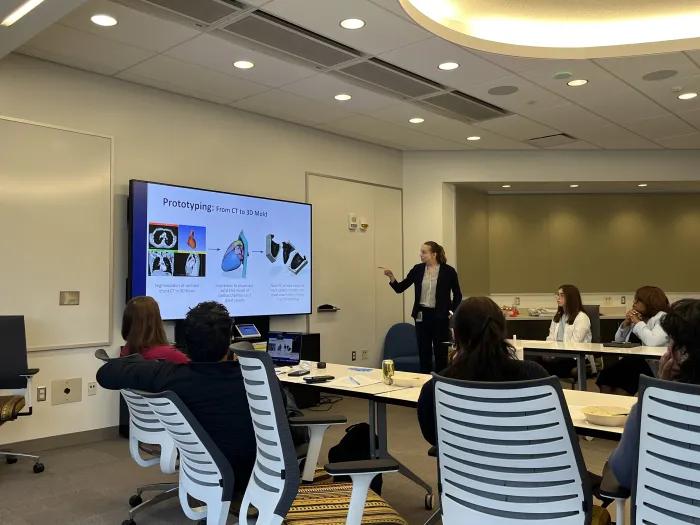
Highlights from the Michigan Medicine Department of Surgery's 37th annual Moses Gunn Research Conference.
A woman in a dark suit presenting to a group sitting at a u-shaped table.
Department News

Trainees explore innovative solutions to improve patient care and surgical training

Learn about the Resident Innovation Discovery Course, an opportunity for trainees to develop innovation and entrepreneurship skills.
Department News

Meet the Michigan Medicine 2026 Surgery Intern Class
Introducing the new matches into surgery residency within the Michigan Medicine Department of Surgery.
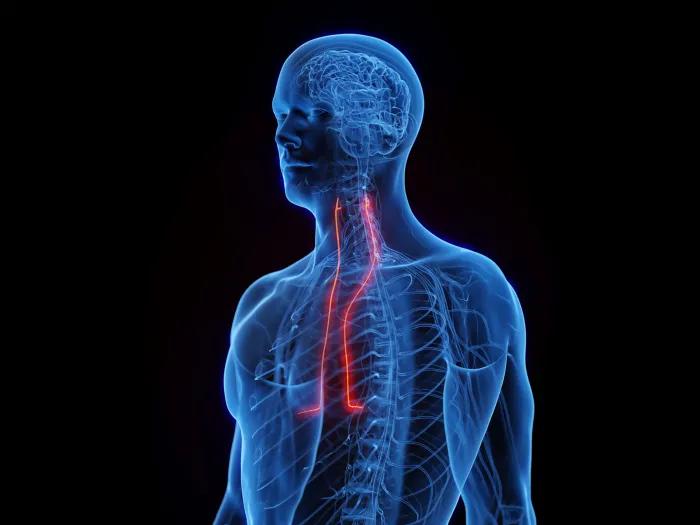
see through blue person with red lines running through neck to chest
Health Lab

What is phrenic neuropathy?

Phrenic neuropathy is a condition that impacts the nerve around the diaphragm making it harder to breathe, especially in situations such as lying down or being in water. The condition is treatable, with surgical intervention, physical therapy or by letting it heal over time.
2024 Doximity General Surgery 1 in Nation v1.jpg
Department News

Two Michigan Medicine surgery residency programs are top in the nation in latest Doximity rankings

The 2024-2025 Doximity Residency Navigator rankings are out, and the Department of Surgery continues to excel in its commitment to providing a high-quality training experience for its residents.
woman laying down and sheet over going into surgery
Health Lab

Older women more likely to receive heart surgery, die at low quality hospitals

Women over the age of 65 who require complex heart surgery are more likely than men to receive care at low quality hospitals — where they also die in greater numbers following the procedure, a Michigan Medicine study finds.