General Surgery Research
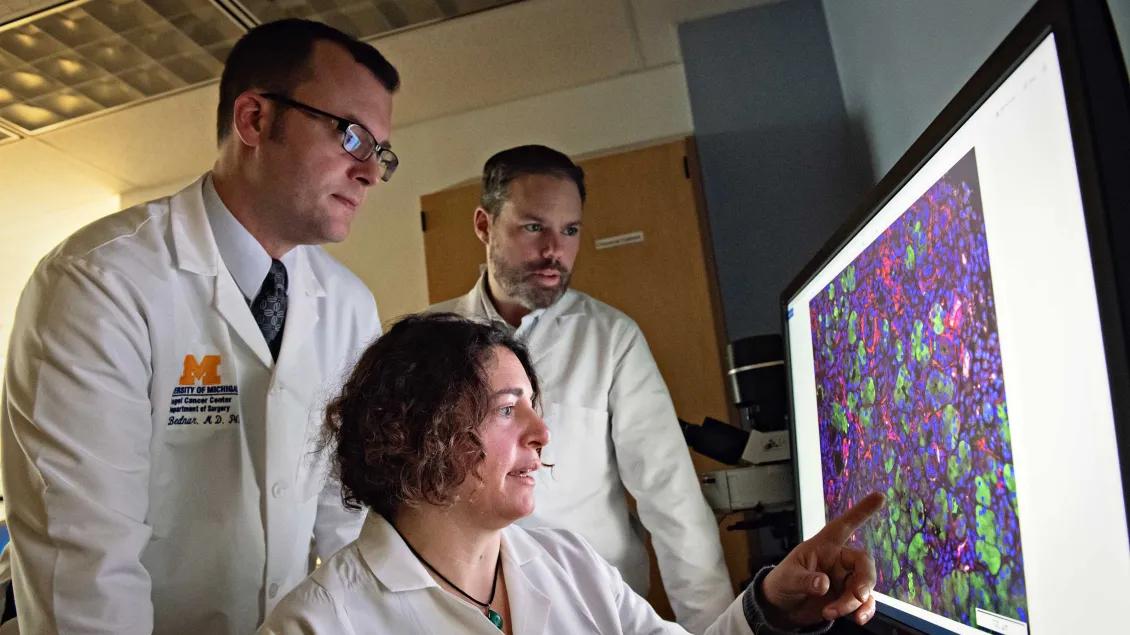
Researchers at the U-M Medical School Section of General Surgery seek to transform understanding of injury, surgical disease and surgical treatment — from uncovering the mechanisms that trigger adrenal cancer, to building a better crash-test dummy to save lives in automobile accidents.
Our program is striking for its creativity and breadth, covering basic research to clinical trials. Current efforts include: enhancing quality of life and preventing injury through education at the nationally recognized Trauma Burn Center; developing new immunotherapies for cancer treatment; personalizing health care through novel use of CT scans to assess surgical outcomes, and a new field we call morphomic analysis.
This important research is supported in part by generous gifts. If you are interested in helping us pursue breakthroughs in surgical care, you may explore various ways you can give to support surgery research in the Section of General Surgery.
For More Information
Discovering the Future of General Surgery
With more than $8 million annually in external funding, the Section of General Surgery is one of the most well-funded and productive research enterprises of its kind in the country. Our researchers span basic science, clinical, translational, and health outcomes research, with a focus on multidisciplinary and multi-institution partnerships that spur new ideas and circulate important new approaches to make a broader impact.
Through collaboration, we’re better able to consider the 360-degree experience of a patient — such as through our Trauma Burn Center, which develops new methods for enhancing quality of life for survivors of trauma and burn injury — or through our Center for Healthcare Outcomes & Policy, which seeks to inform the creation of health policy that leads to better and more equitable care.
Research Interests
Explore the research interests and current projects of our investigators in the Section of General Surgery:
- Trauma and critical care, including work in the new field of morphomic analysis, a novel approach to assessing patient frailty using CT scans of core muscle size; and efforts to improve outcomes for patients with traumatic brain injury.
- Cancer and tumor biology, including investigating the link between the genetic regulation of stem cells and the development of adrenal cancers; and exploring how freezing breast cancer affects the immune system’s ability to recognize and kill the cancer — a potential alternative to more invasive surgery.
- Health services and outcomes, including comparing the effectiveness of different health care policies to determine which will produce the best outcomes for quality care with lower costs.
- Surgical education, including work on operative teaching, resident autonomy, and diversity, equity and inclusion in training.
Research Strengths
Trauma, burn, and critical care researchers in the Section of General Surgery tackle a broad portfolio of problems. Working to prevent childhood burns through prevention education; using crash data to inform the design of more representative crash-test dummies; and to develop new treatments for severely injured and critically ill patients, including those with traumatic brain injury, acute lung injury and sepsis in a way that improves long-term quality of life for patients.
We seek to understand the mechanisms that trigger various types of cancers. We’re developing new treatment approaches — including the development of a new implantable device designed to catch circulating cells before they become tumors, and a novel use of cryoablation as an alternative to surgery for patients with early-stage breast cancer. Additionally, we’re investigating the link between the genetic regulation of stem cells and the role this may play in adrenal cancers — a vital first step toward finding better treatments.
New medicines change our perception of what’s possible. We’re working to create vaccines aimed against cancer stem cells, killing cells within the tumor that give rise to new cells, and we’re creating new drugs from natural products, including the Physalis longifolia plant, which has been shown to be highly effective against melanoma, breast cancer, thyroid cancer, colon cancer, glioblastoma, and others.
We have one of the strongest portfolios of health services and outcomes research in the country. Our faculty serve as leaders and members of multiple statewide quality improvement organizations and other consortia designed to improve patient care, reduce costs, and socialize better methods of care delivery to help more patients in more hospitals. Through the U-M Center for Healthcare Outcomes & Policy (CHOP), we also offer 5 training programs for aspiring health policy and health services researchers.
From clinical outcomes of bariatric surgery to basic research into the role of immunity and inflammation in regulating metabolic dysfunction, we seek new insights into the most effective treatments for obesity and metabolic disease.
Investigators within the Department of Surgery are working on some of the biggest issues in surgical education with the ultimate goal to ensure that newly graduated surgeons are competent. Our work includes theoretical and basic research, application of new techniques, dissemination of our innovations, and regular interactions with national policy makers to ensure that the most refined data and methods influence decisions.
Labs & Research Groups
Featured News & Stories
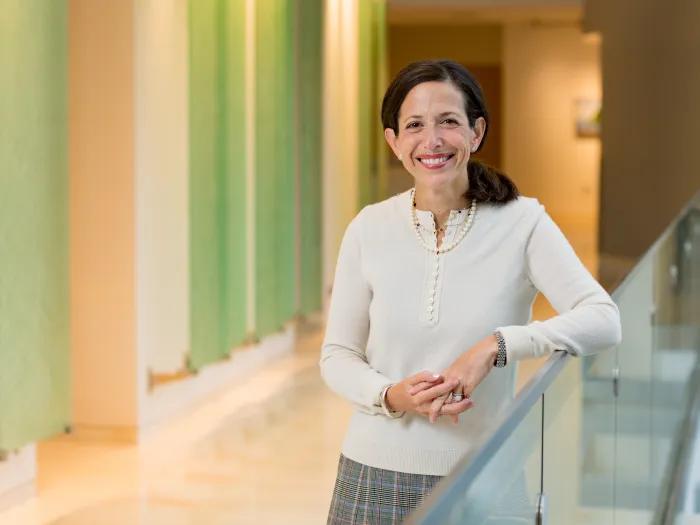
Jacqueline Jeruss elected to the National Academy of Medicine
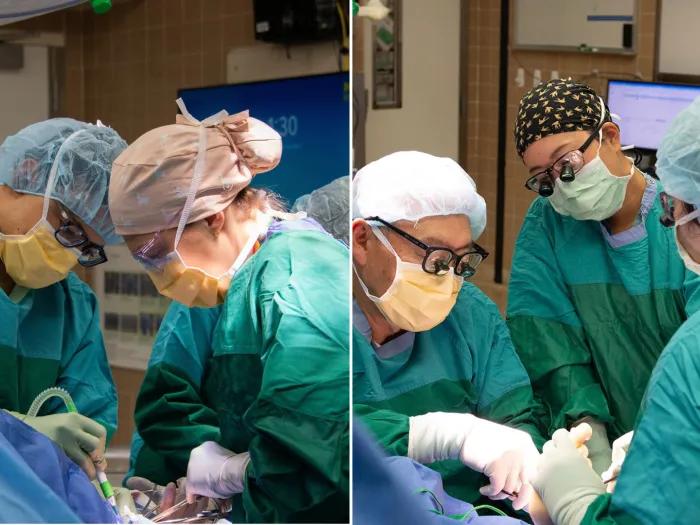
Doximity ranks two Michigan surgery residency programs among nation’s best

2026 Moses Gunn Research Conference Highlights
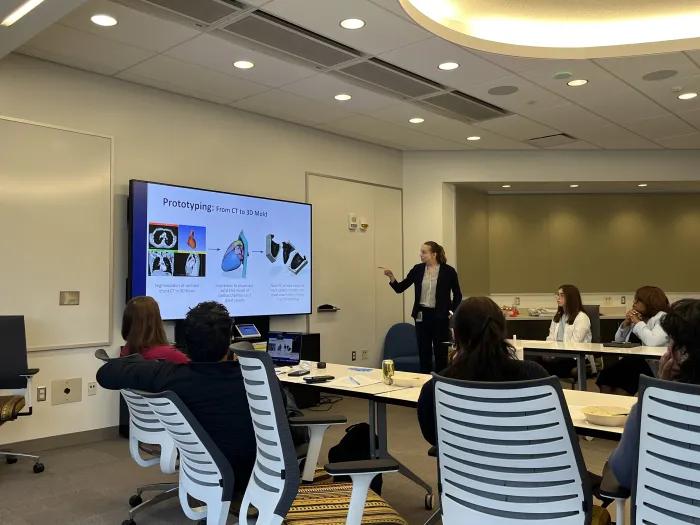
Trainees explore innovative solutions to improve patient care and surgical training
Meet the Michigan Medicine 2026 Surgery Intern Class