
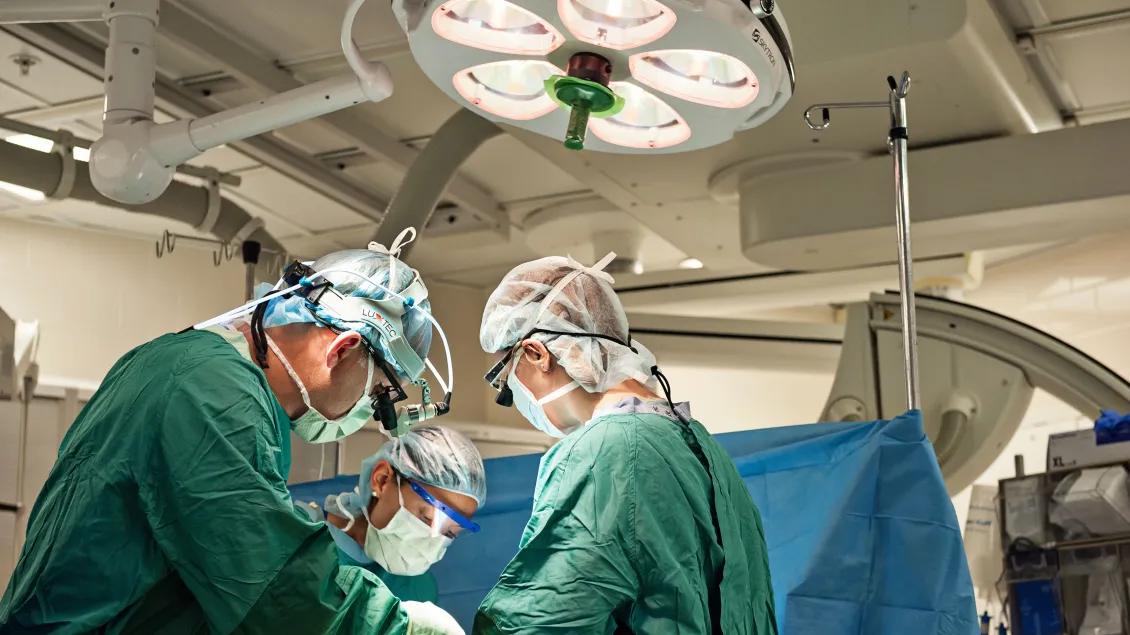
Vascular Surgery Fellowship
As a fellow in our 2-year Vascular Surgery Fellowship Program, you’ll expand your clinical skills as you develop experience in research.
At the U-M Medical School, you’ll learn from internationally recognized surgeons and researchers with interests that span the spectrum of vascular surgery, providing unique exposure to all facets of our specialty.
For More Information
Program Overview
After completing the Vascular Surgery Fellowship program, fellows will be well-prepared to seek a competitive position in academic surgery, thanks to the comprehensive training and unique opportunities our program offers:
- Extensive experience in both open and endovascular cases: Fellows will gain an extensive experience in both open and endovascular cases, including complex aortic, pediatric, and peripheral operations. Fellows can expect a high volume of open surgery to compliment a robust exposure to endovascular techniques including the latest in aortic and peripheral technologies.
- Three diverse clinical training hubs: Fellows will rotate at both inpatient and outpatient clinical sites, including our Frankel Cardiovascular Center, VA Ann Arbor Healthcare System, Brighton Center for Specialty Surgery, and East Ann Arbor campus. These sites offer a unique combination between complex adult and pediatric vascular surgery as well as routine arterial and venous operations. Rotations will expose fellows to best practices management of both inpatients and outpatients. Additionally, all campuses are close to the main Michigan Medicine hub, with the VA Ann Arbor being within 2 miles of the main medical campus.
- Exposure to all elements of vascular surgery: Our operating surgeons provide expertise in all aspects of the specialty, from common vascular procedures to specialized practices such as advanced endovascular procedures, advanced open reconstruction of the thoracic and abdominal aorta and visceral branches, complex cerebrovascular reconstructions, thoracic outlet syndrome decompressions, and pediatric vascular procedures.
- A record of exceptional outcomes: Fellows enjoy placements in competitive academic and private practice positions following fellowship. Fellows graduating the program additionally have a track record of involvement at a high level in regional and national societies.
How to Apply
The Vascular Surgery Fellowship Program participates in the Electronic Residency Application Service (ERAS). To apply, please visit the ERAS website and complete the MyERAS application for our program.
Interviews
The University of Michigan Vascular Surgery Fellowship Program will conduct in-person interviews for the 2025–2026 cycle on the dates listed below.
Interview invitations will be extended to selected applicants through Thalamus. Candidates will have 48 hours from the time of invitation to accept or decline. All interview scheduling will be managed via Thalamus.
Interview Dates:
- Thursday, February 4, 2027
- Monday, March 1, 2027
Eligibility
Candidates for the Vascular Surgery Fellowship must have completed a full residency in General Surgery, resulting in either American Board of Surgery certification or board eligibility by the start of the fellowship.
Please review the Fellowship Prerequisites for Employment for additional requirements.
Current Fellows
Current fellows are training to become future leaders in vascular surgery. We emphasize teamwork, excellence, and leadership while preparing our fellows with resources to be successful in their careers.

Salary & Benefits
The University of Michigan offers highly competitive salaries and tremendous benefits to our residents/fellows. An overview of salary, benefits and employment eligibility is available on the University of Michigan Medical School website.
Curriculum & Rotations
The Vascular Surgery Fellowship Program is structured to help you build a solid clinical foundation as you advance to progressive independence in the specialty.
During the first year, the fellow will spend 5 months on vascular at the Frankel Cardiovascular Center (CVC), 3 months on endovascular, 1 month on vascular at the Veterans Administration, 1 month on an off-site rotation and 1 month on the diagnostic vascular unit. During the second year, the fellow will spend 5 months on vascular at the CVC, 3 months on endovascular, 1 month on vascular at the CVC, 1 month on an off-site rotation and 1 month on vascular at the Veterans Administration.
Clinical Experience
Highlights include:
- A multidisciplinary approach to peripheral vascular, aortic and venous disease.
- Exposure to all aspects of vascular surgery, including highly select fields such as pediatric vascular surgery, thoracic outlet surgery, physician modified endografts and peripheral endovascular technologies.
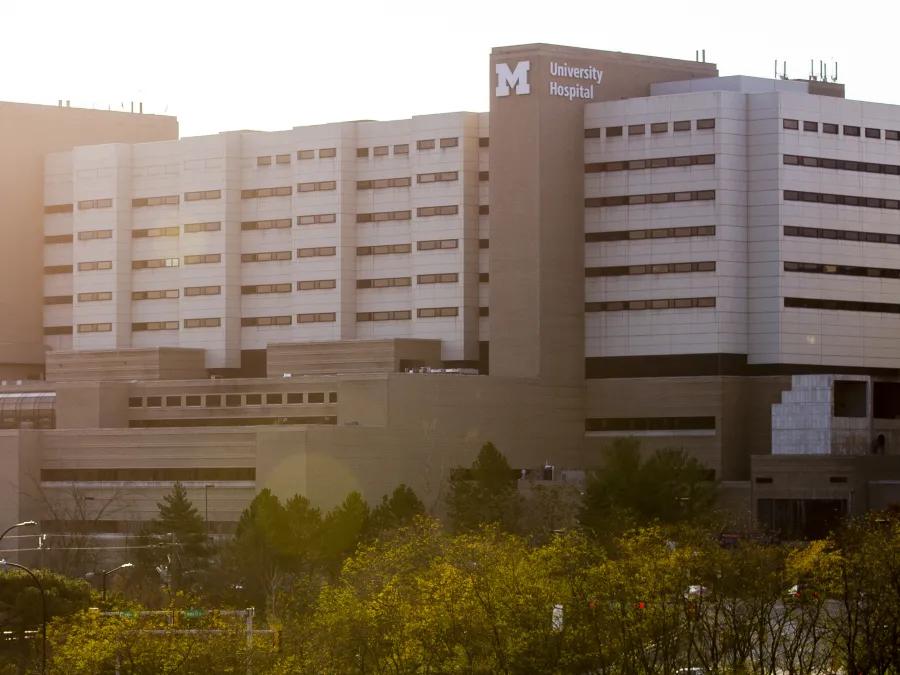
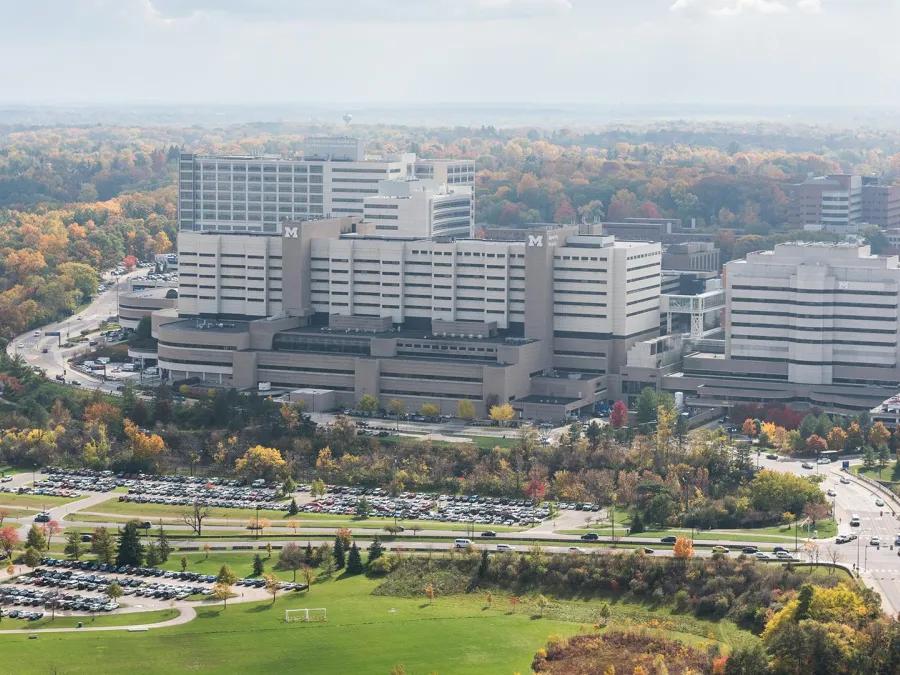
- Access to one of the nation’s best cardiovascular centers, the Frankel Cardiovascular Center, a 425,000-square-foot, $215 million facility with a 24-bed surgical post-procedure ICU, 24 vascular general/moderate care beds, and 11 dedicated cardiothoracic and vascular ORs.
Michigan Promise
The Michigan Promise aims to empower faculty members and residents in the Department of Surgery to achieve professional success. We support initiatives connected to environment, recruitment, leadership, achievement, innovation and outreach.
Research & Academic Opportunities
Highlights include:
- Access to the Section of Vascular Surgery’s robust research enterprise, including the endowed 4,900-square-foot Conrad Jobst Labs, where researchers from across the section share knowledge and central resources to accelerate discovery. Fellows have opportunities to participate in clinical and translational research, as well as trial-based studies, and benefit from an individualized approach to mentoring.
- Department of Surgery research communities, such as the Center for Healthcare Outcomes & Policy, which offers opportunities for conducting outcomes research. Additional research communities include the Center for Basic and Translational Science and the Center for Surgical Training and Research.
- Bimonthly teaching conferences attended by faculty, fellows, General Surgery residents, and colleagues from the departments of Radiology and Internal Medicine. These conferences draw on curriculum developed through an NIH-sponsored program in academic vascular medicine.
Recent Graduates
- James Melvin, MD
- Craig Brown, MD, MSc
Next Appointment: Michigan Medicine
- David Schechtman, MD
- Margaret (Meg) Smith, MD, MS
Next Appointment: University of Colorado
- Kai Hata, MD
Next Appointment: Walter Reed National Military Medical Center (Bethesda, MD)
Training Verification
Contact the Office of Surgery Education to request a training verification for any physician who has participated in an accredited Department of Surgery graduate medical education program.
Program Leadership
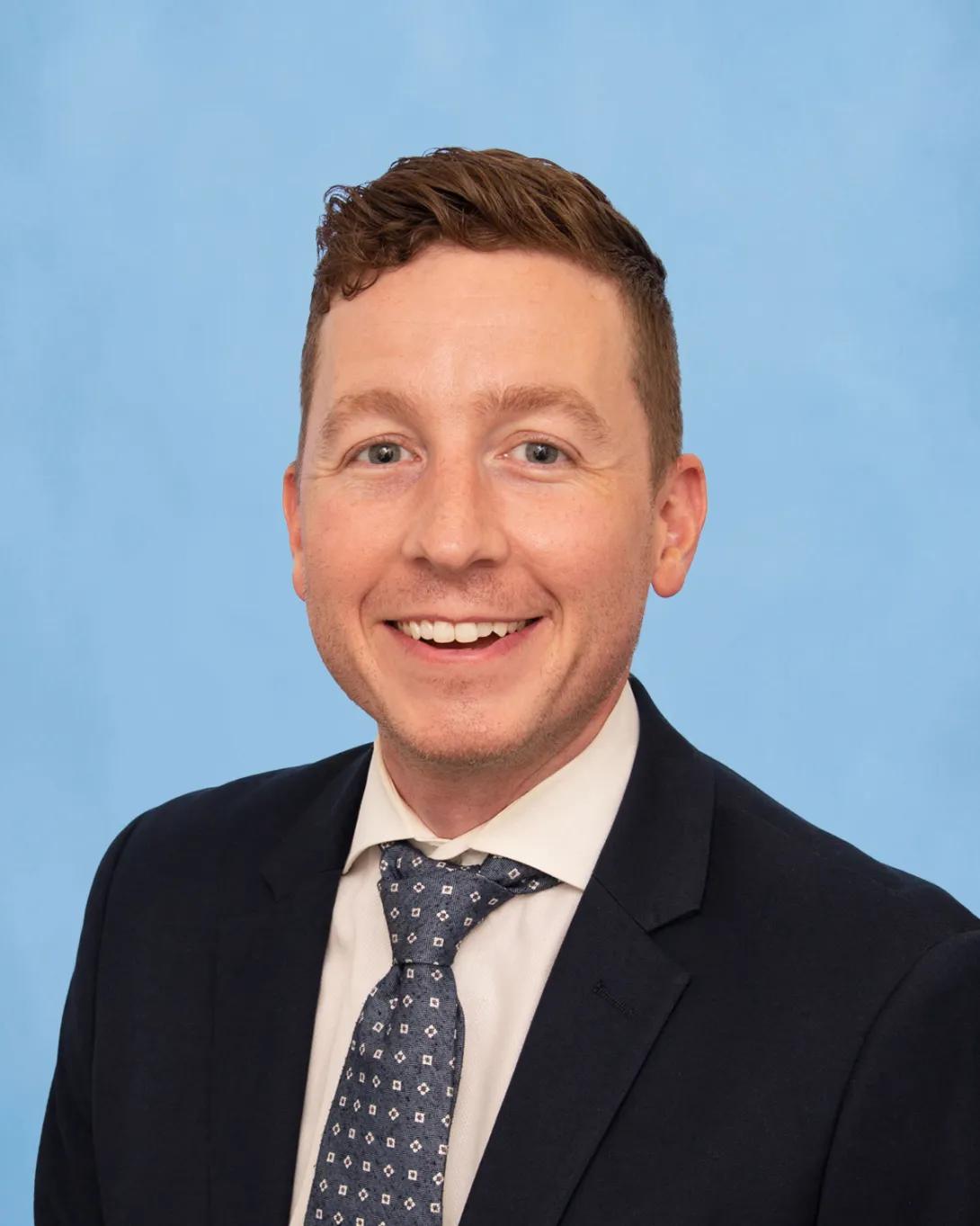
Robert J Beaulieu, MD, MSE
Clinical Associate Professor of Surgery and Program Director
Vascular Surgery
Medical School
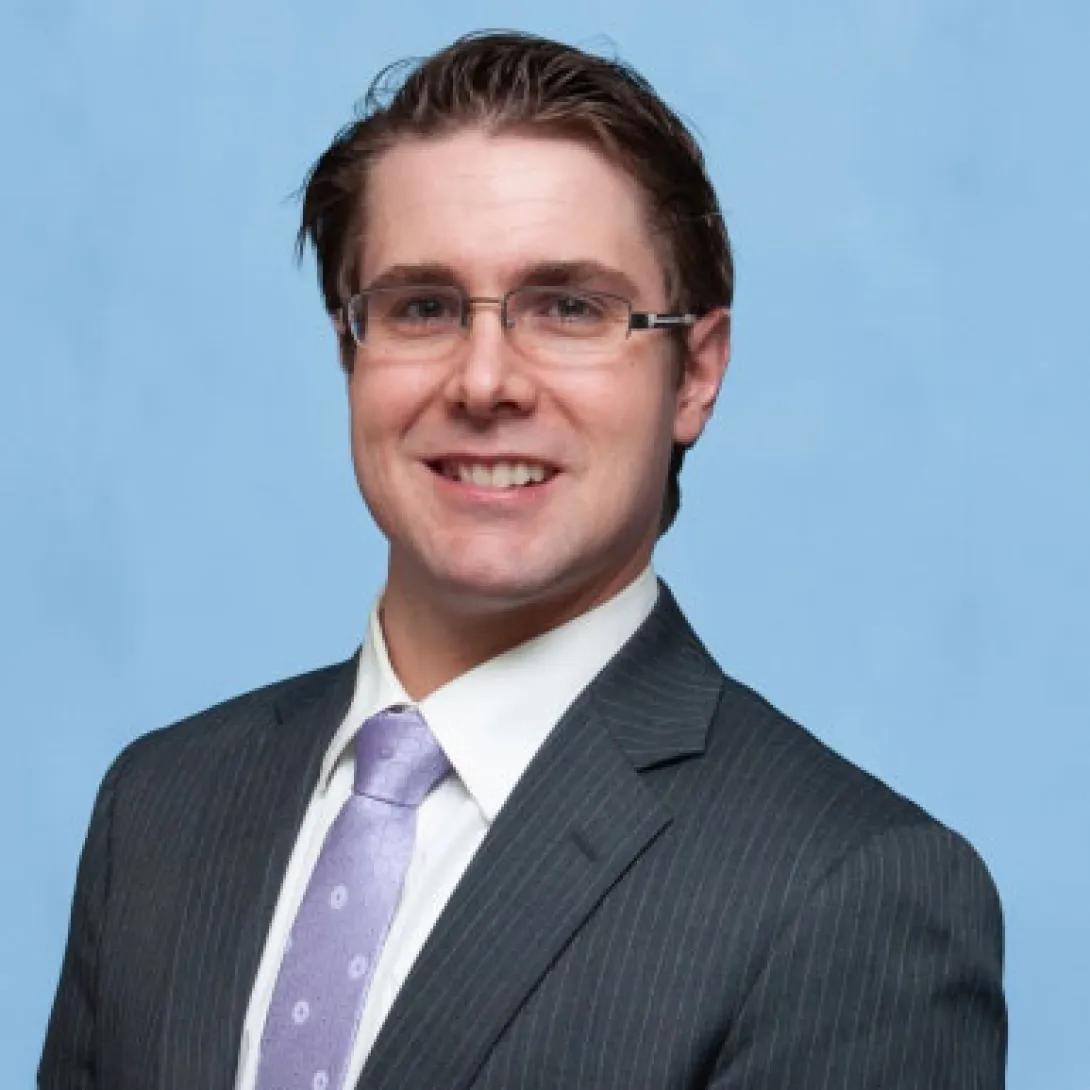
Nicholas Osborne, MD, MS, FACS, RPVI
Ph.D. Research Professor of Vascular Surgery
Associate Professor of Surgery and Program Associate
Vascular Surgery Section
Medical School
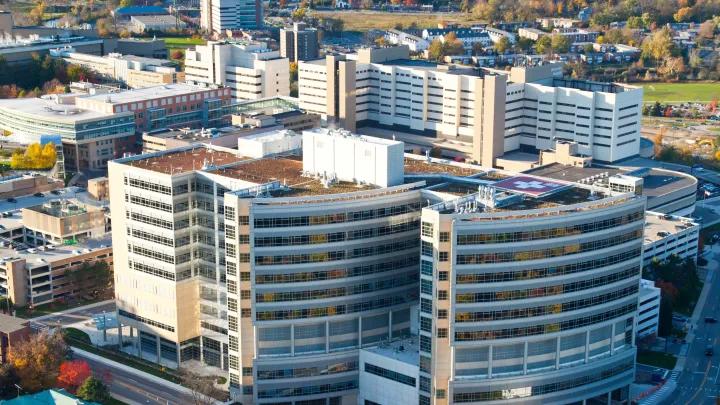
See Where Training Takes Place
Expand your career trajectory in a high-volume academic medical center that also supports and excels in a wide range of basic science, translational and clinic outcomes research programs.

Life in Ann Arbor
We find a new reason to love Ann Arbor nearly every day — year-round outdoor activities, cultural experiences, a growing food scene, and a welcoming, family-friendly atmosphere are just a few that come to mind. Explore all that Ann Arbor and our surrounding communities have to offer.
