
Hand Surgery Fellowship
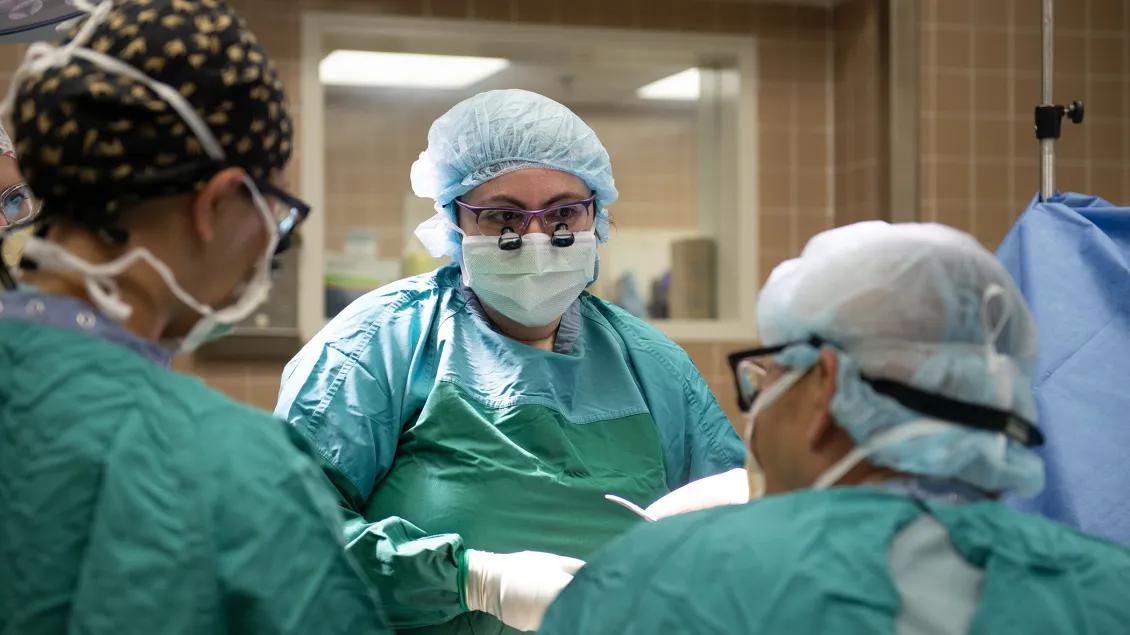
Fellows in hand surgery at the U-M Medical School benefit from a challenging and multidisciplinary program that covers the full breadth and depth of the specialty.
You’ll leave the program prepared to lead in your field.
Program Overview
The U-M Medical School Hand Fellowship offer two one-year training positions for board-eligible plastic and orthopaedic surgeons seeking additional training in the evaluation and management of upper extremity problems. The program runs from August 1 through July 31 each year and offers:
- A truly combined program, with equal immersion in both plastic surgery-based and orthopaedic surgery-based Hand Services. Our fellows have found this to be a unique benefit to our program. This type of collaborative interaction is not found in many academic centers.
- A busy clinical practice, treating patients with a range of common and complex conditions, including traumatic injuries, arthritis, tendonitis, nerve compression, congenital differences, vascular or circulation problems, tetraplegia, brachial plexus injury, and tumors of the hand.
- A rotation schedule designed to immerse you in the full lifecycle of care, from the clinic to the OR to a patient’s postoperative rehabilitation.
- Exposure to a range of clinical care settings, including adult and pediatric tertiary-care hospitals, outpatient clinics and ambulatory surgery centers, and a community hospital experience. Fellows have opportunity to perform an increasing number of procedures in a Wide Awake Local Anesthesia No Tourniquet (WALANT) setting, as well as more complex cases in the operating room
Annual lectures from visiting experts as part of the Michigan Hand Surgery Visiting Professor program. Past visiting professors include Drs. James Chang, Richard Gelberman, Brent Graham, Michelle Carlson, and Michelle James, just to name a handful.
How to Apply
Applications are submitted online through the American Society for Surgery of the Hand (ASSH) website.
Application Timeline
Application system opens: October, 2026
Application deadline: Mid-November, 2026
Interview Dates:
Monday, February 8, 2027
Friday, March 12, 2027
The University of Michigan Hand Surgery Fellowship Program will conduct in-person
interviews for the 2026–2027 cycle on the dates listed above.
Interview invitations will be extended to selected applicants through RezRATE.
Candidates will have 48 hours from the time of invitation to accept or decline. All
interview scheduling will be managed via RezRATE.
Eligibility
Candidates for the Hand Surgery Fellowship must be board-eligible in plastic surgery or orthopedic surgery. Two fellows are accepted each year.
Please review the Fellowship Prerequisites for Employment for additional requirements.
Clinical Experience
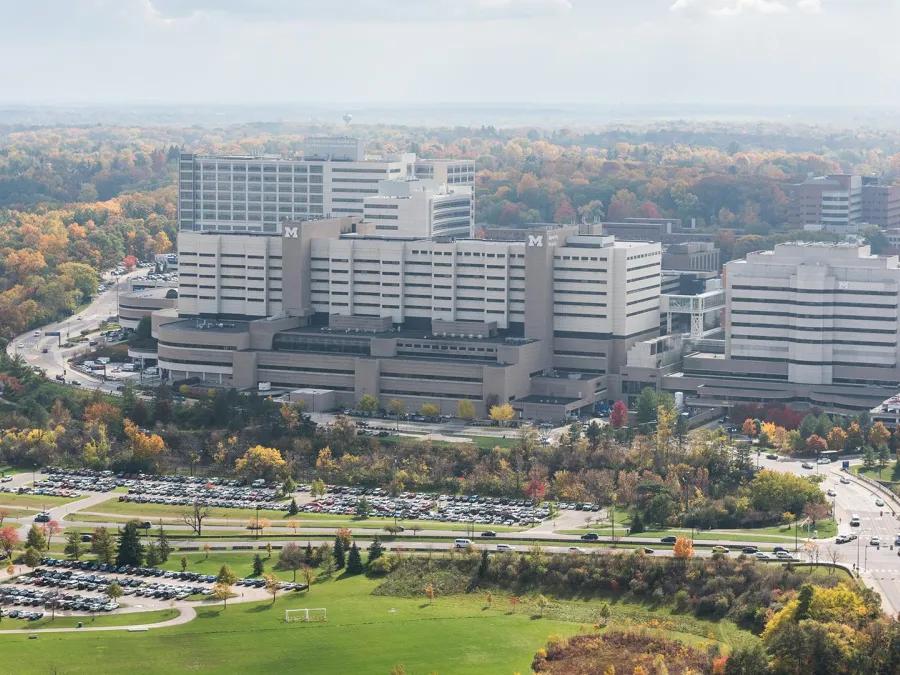
Although the faculty are evenly distributed between Orthopaedic and Plastic Surgery, we think of ourselves first and foremost as Hand Surgeons, and we function as a unified group. The majority of training is carried out at the University of Michigan Medical Center, which includes the University Hospital and the adjacent C. S. Mott Children's Hospital. Outpatient clinics and ambulatory surgery centers are situated "off-campus", but these facilities are within a short drive of the Medical Center. A unique, community-based hospital experience is also available at the nearby Trinity Health Chelsea Hospital, where our hand surgeons also do cases.
The rotation schedule is set up in 2- and 4-month blocks to allow continuous immersion in the practice of these faculty members. The fellows accompany the faculty member to both the clinic and the operating room during these rotations, providing continuity of care between the initial evaluation, the operative management, and postoperative rehabilitation of each patient. The fellows are given incrementally increased responsibility throughout the year, as they move through the program.
Salary & Benefits
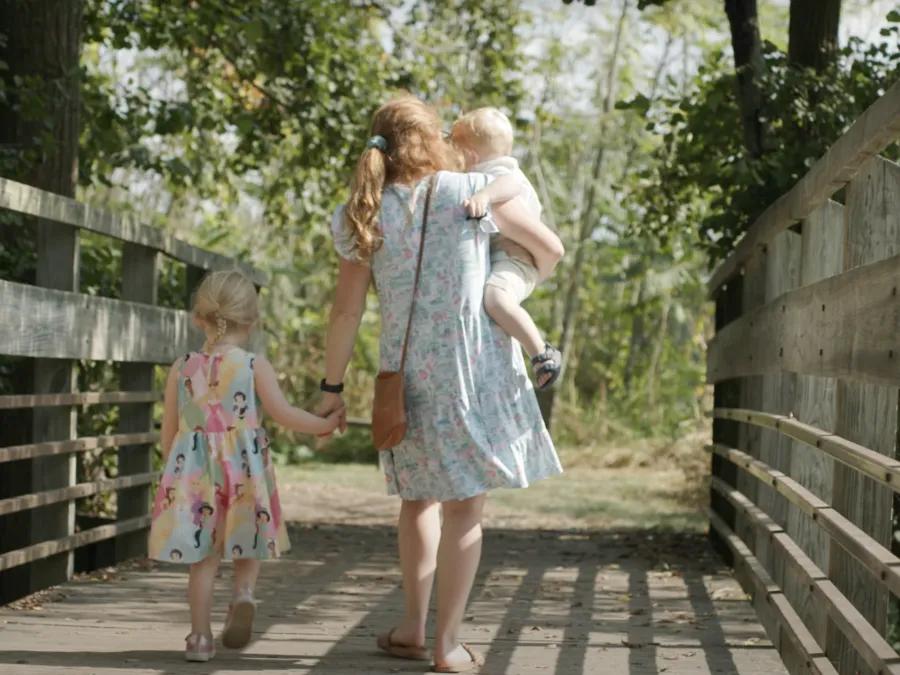
The University of Michigan offers highly competitive salaries and tremendous benefits to our residents/fellows. An overview of salary, benefits and employment eligibility is available on the University of Michigan Medical School website.
Curriculum
Our curriculum has been carefully designed to address the six core competencies set forth by ACGME:
- Medical knowledge
- Patient care
- Practice based learning and improvement
- Interpersonal and communication skills
- Systems based practice
- Professionalism
The teaching curriculum covers the full spectrum of hand surgery in a series of weekly conferences held jointly with the Plastic Surgery and Orthopaedic Surgery hand teams. These conferences are attended by the fellows, residents, and faculty on the hand surgery services. Lectures are entirely virtual, so that learners can tune in easily from all different clinical sites. Lectures are recorded and available for later viewing.
The discussions are typically interactive and case-based, with occasional didactic lectures as well. Most lectures are led by the hand surgery faculty, with several guest speakers throughout the year, and each hand fellow is asked to prepare a conference two times per year to build on their teaching experience.
- Amputations and prosthetics
- Arthroplasty and arthrodesis
- Basal joint arthritis/CMC arthroplasty
- Bone tumors
- Brachial plexus palsy
- Carpal instability
- Compartment syndrome
- Compression neuropathies
- Congenital hand conditions
- Distal radius fractures
- Diversity and health equity
- DRUJ disorders
- Dupuytren disease
- Extensor tendon injuries
- Fingertip and nailbed injuries
- Flexor tendon injuries
- Forearm fractures
- Hand therapy
- High-pressure injection injuries
- Infections and bites
- Inflammatory arthritis
- Interpreting electrodiagnostic tests
- Intra-articular hand fractures
- Intrinsic hand flaps
- IP and MP dislocations
- Joint contractures
- Kienböck’s disease
- Malunions of the hand and wrist
- Mangled hand injury
- Metacarpal fractures (extra-articular)
- Nerve injuries
- Pain syndromes
- Pediatric fractures
- Phalangeal fractures (extra-articular)
- Regional and distant flaps
- Replantation and microsurgery
- Scaphoid fractures
- Skin tumors
- Soft tissue tumors
- Swan-neck and boutonniere deformities
- Tendon transfers
- Tenosynovitis
- Tetraplegia and cerebral palsy
- Thermal injury (frostbite and burns)
- Vascular disorders
- Wrist arthroscopy
Microsurgical Training
We understand that fellows arrive at fellowship with variable training in microsurgery. We offer a variety of hands-on training opportunities, including working with live animal models, industry-sponsored courses and our own University of Michigan Clinical Simulation Center (UMCSC), certified by the American College of Surgeons as a Level 1 Training Center. Fully functioning operating microscopes and a variety of realistic models are available at the center for our trainees to practice their techniques with vessel anastomosis and nerve coaptation.
Hands-On Workshops
Several of our hand faculty are also AO teaching faculty, so we are privileged to have an on-site AO course at the University of Michigan every few years. Additionally, we typically host a regional skills course coordinated with our visiting professor program annually. Partnership with industry has allowed our trainees hands-on experience with nerve repair and grafting, wrist and small joint arthroscopy, advanced bone fixation techniques for ligament repair, as well as fracture fixation with a variety of implant systems.
In addition to the in-house offerings, fellows are encouraged to travel to regional and national courses for additional exposure to advanced techniques.
Duty Hours & Call Schedule
At the U-M Medical School, the ACGME duty hour restrictions are strictly monitored and enforced for both residents and fellows. Hand surgery fellows at Michigan cover emergency hand call on average every third night. Junior residents provide "first call" coverage for floor calls and consults; the hand fellows are expected to supervise the residents when evaluating challenging consults or performing complex procedures in the Emergency Department. When cases go to the OR, the fellows are always backed up by an attending surgeon.
Michigan Promise
The Michigan Promise aims to empower faculty members and residents in the Department of Surgery to achieve professional success. We support initiatives connected to environment, recruitment, leadership, achievement, innovation and outreach.
Research & Academic Opportunities
We have a vibrant research element to the hand fellowship here at Michigan Medicine. Fellows can participate in M-CHOIR and M-OPEN research initiatives, amongst many other opportunities. M-CHOIR, or Michigan Center for Hand Outcome and Innovation Research, conducts hand centered research projects. M-OPEN, or Michigan Opioid Prescribing Engagement Network, focuses on new ways to manage pain and minimize opioid use for all surgical procedures in the state of Michigan. Fellows can also get research opportunities and support through CHOP (Center for Healthcare Outcomes and Policy), which is a robust health services research team. Opportunities also exist for biomechanical studies, anatomy studies, and more through the extensive collaboration between Plastic Surgery, Orthopaedic Surgery, and the University at large.
Both hand fellows are encouraged to attend the full American Society for Surgery of the Hand meeting during their fellowship year, including the Residents & Fellows Conference. Attendance at this meeting is important for both education and networking, and also gives us a chance to connect with alumni and friends in the hand surgery community. The Michigan Hand Surgery “Family” typically gathers for a dinner at this annual meeting.
Community
Our hand surgery team is committed to building community among the team outside of work. We host regular social gatherings and activities to make the fellows and their families and significant others feel welcome and included. We start the year with a welcome dinner for the new fellows and end the year with a send-off celebration. In between, we’ve held journal clubs at local restaurants, golf outings, holiday dinners, gatherings at national meetings, and many other impromptu social activities.
Current Fellows
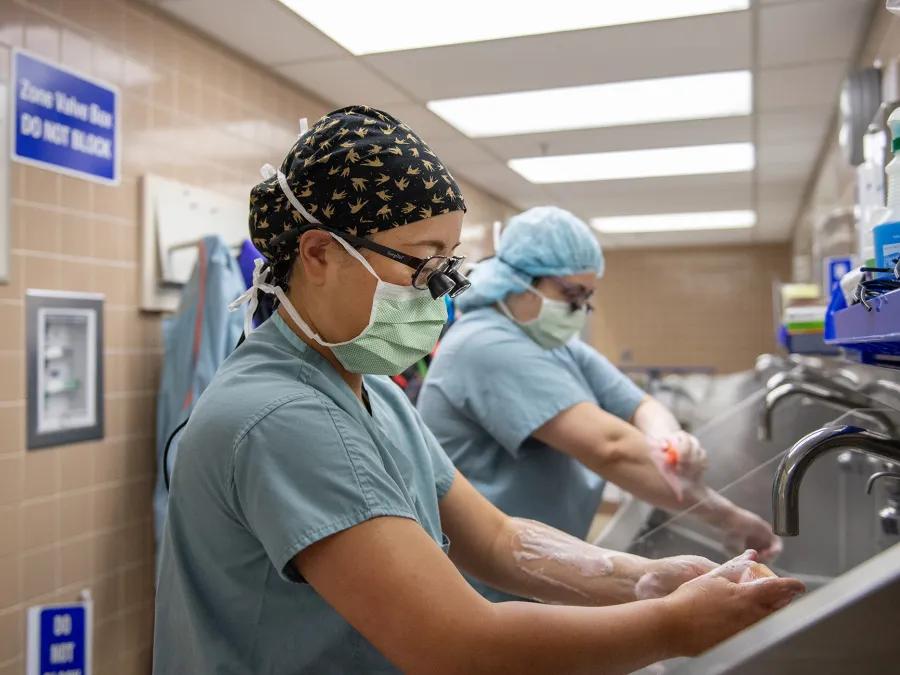
Current fellows are training to become future leaders in surgery. We emphasize teamwork, excellence, and leadership while preparing our fellows with resources to be successful in their careers.
Recent Graduates
Graduates of the U-M Medical School Hand Fellowship program have been universally successful at obtaining placement in their desired career path. Whether our graduates continue with a career in academia or pursue private practice, our goal is to prepare them to be excellent, responsible, ethical surgeons wherever they put down roots.
- Daniel Bowles, MD
Next Appointment: Vanderbilt University - Tal Kalimian, MD
Next Appointment: Hand surgery fellowship, Piñal y Asociados
- Michael Catanzaro, MD
Next Appointment: Vanderbilt University - Nathan Heineman, MD
Next Appointment: Private Practice
- Sofia Bougioukli, MD, PhD
Next Appointment: University of Chicago - Julia Cook Beresford, MD
Next Appointment: Private Practice
- Shashank Dwivedi, MD
Next Appointment: Twin Cities Orthopedics - David Rivedal, MD
Next Appointment: Medical College of Wisconsin
- Matt Florczynski, MD, MSc
Next Appointment: University of Cincinnati - Brian Starr, MD
Next Appointment: Cincinnati Children’s Hospital
Training Verification
Contact the Office of Surgery Education to request a training verification for any physician who has participated in an accredited Department of Surgery graduate medical education program.
Program Leadership
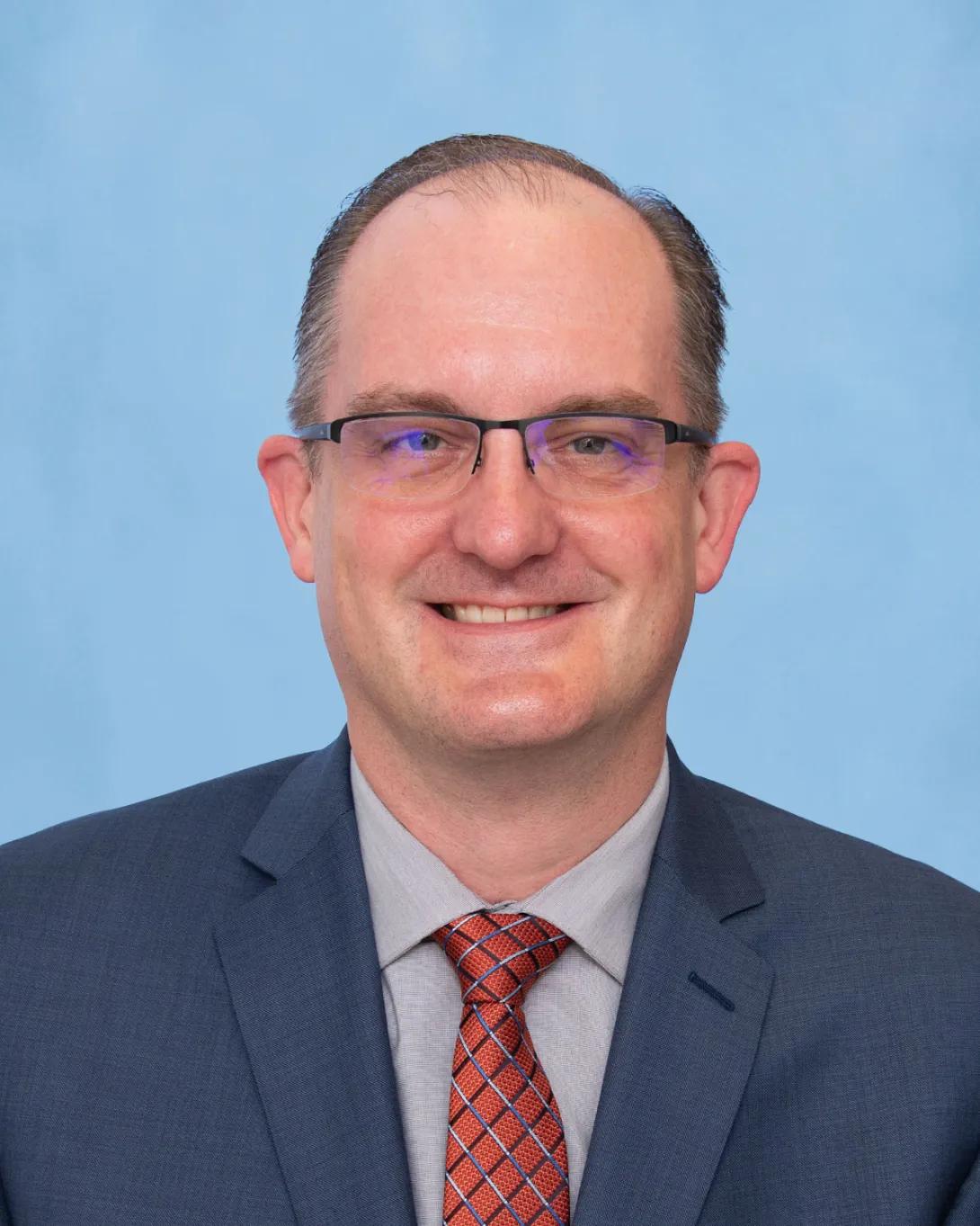
Steven C Haase
Clinical Professor of Orthopaedic Surgery
Program Director, Hand Surgery Fellowship
Medical Director, Medical School
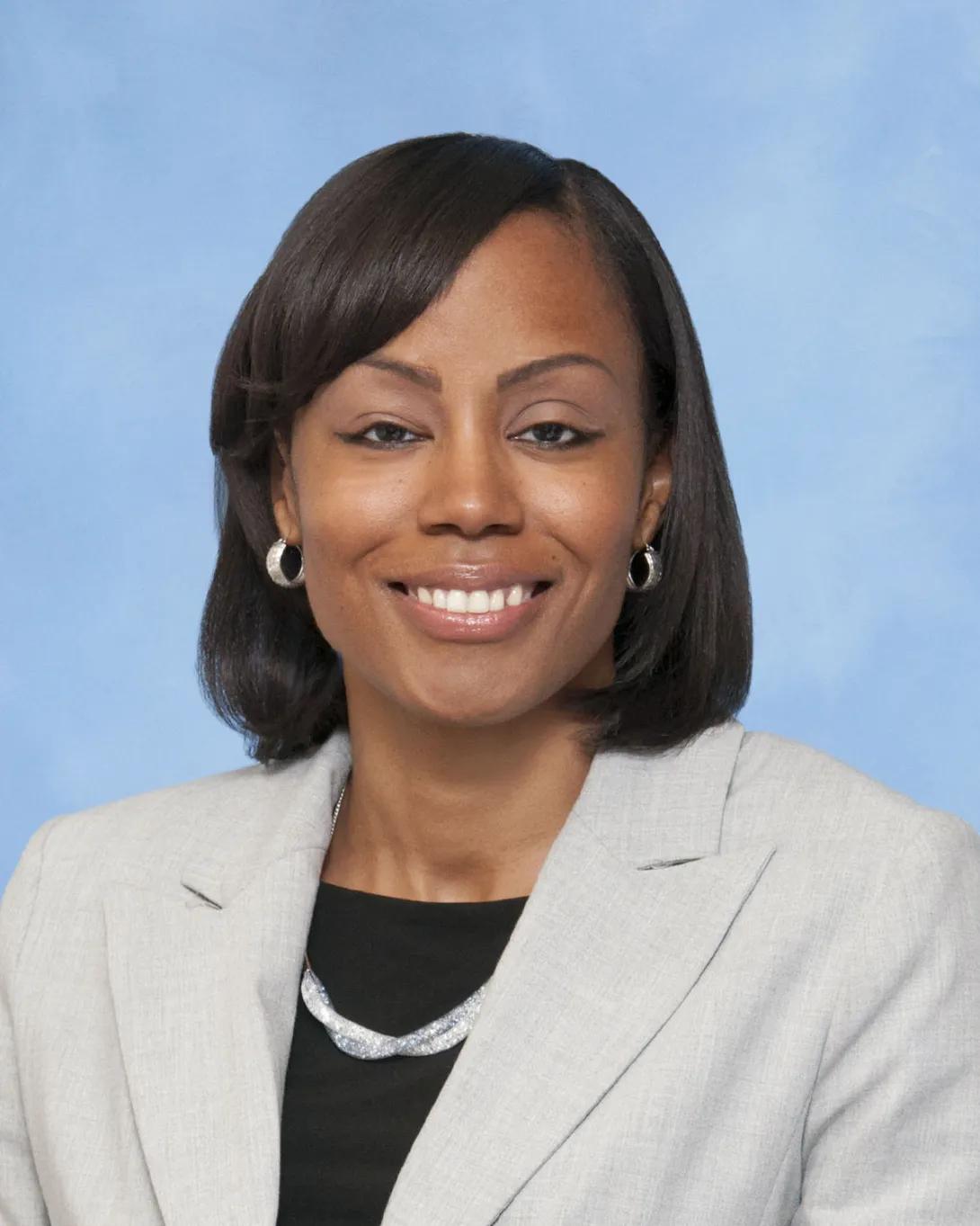
Rachel C Hooper
Associate Program Director, Hand Surgery Fellowship
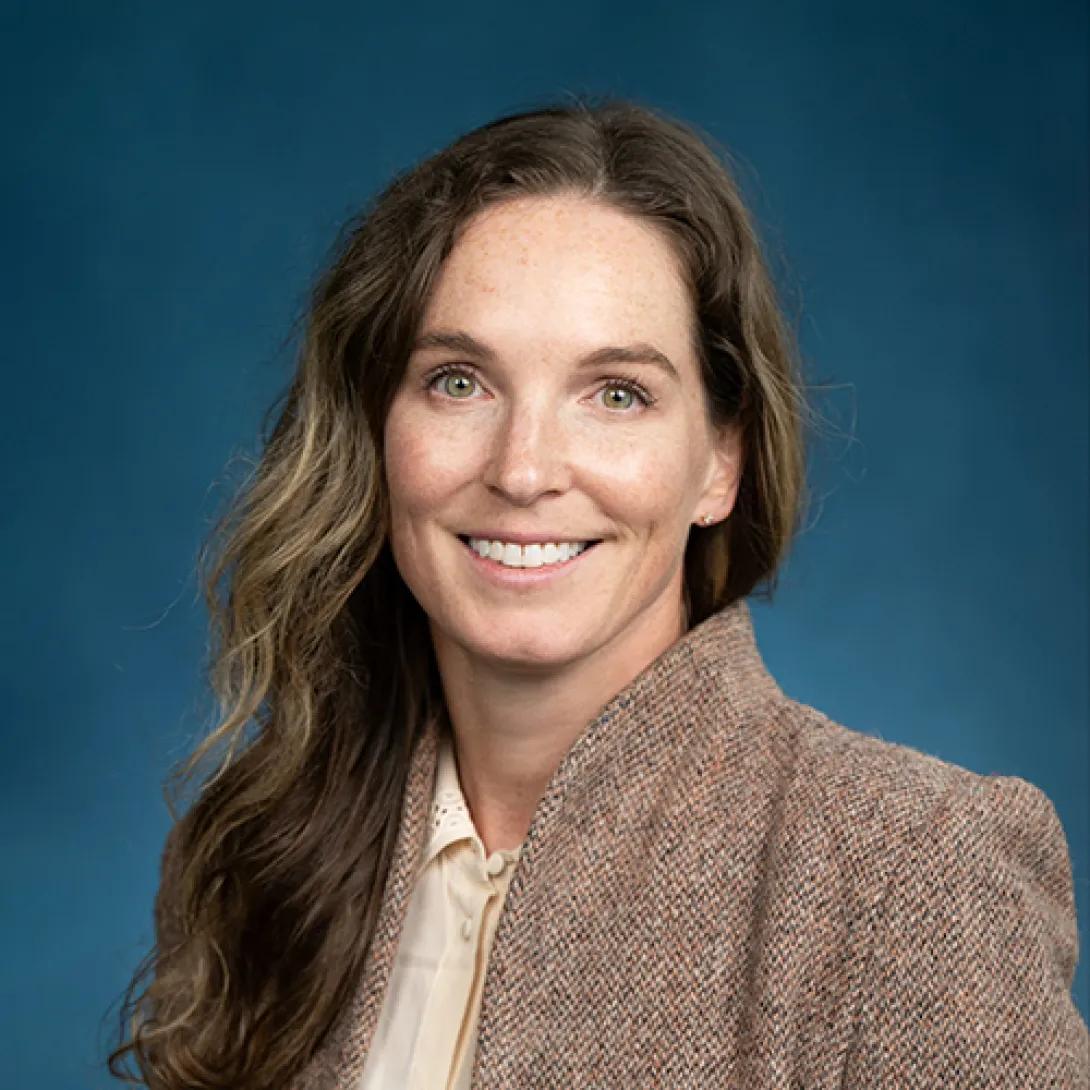
Miranda J Rogers
Clinical Assistant Professor of Plastic Surgery
Associate Program Director, Hand Surgery Fellowship
Program Faculty
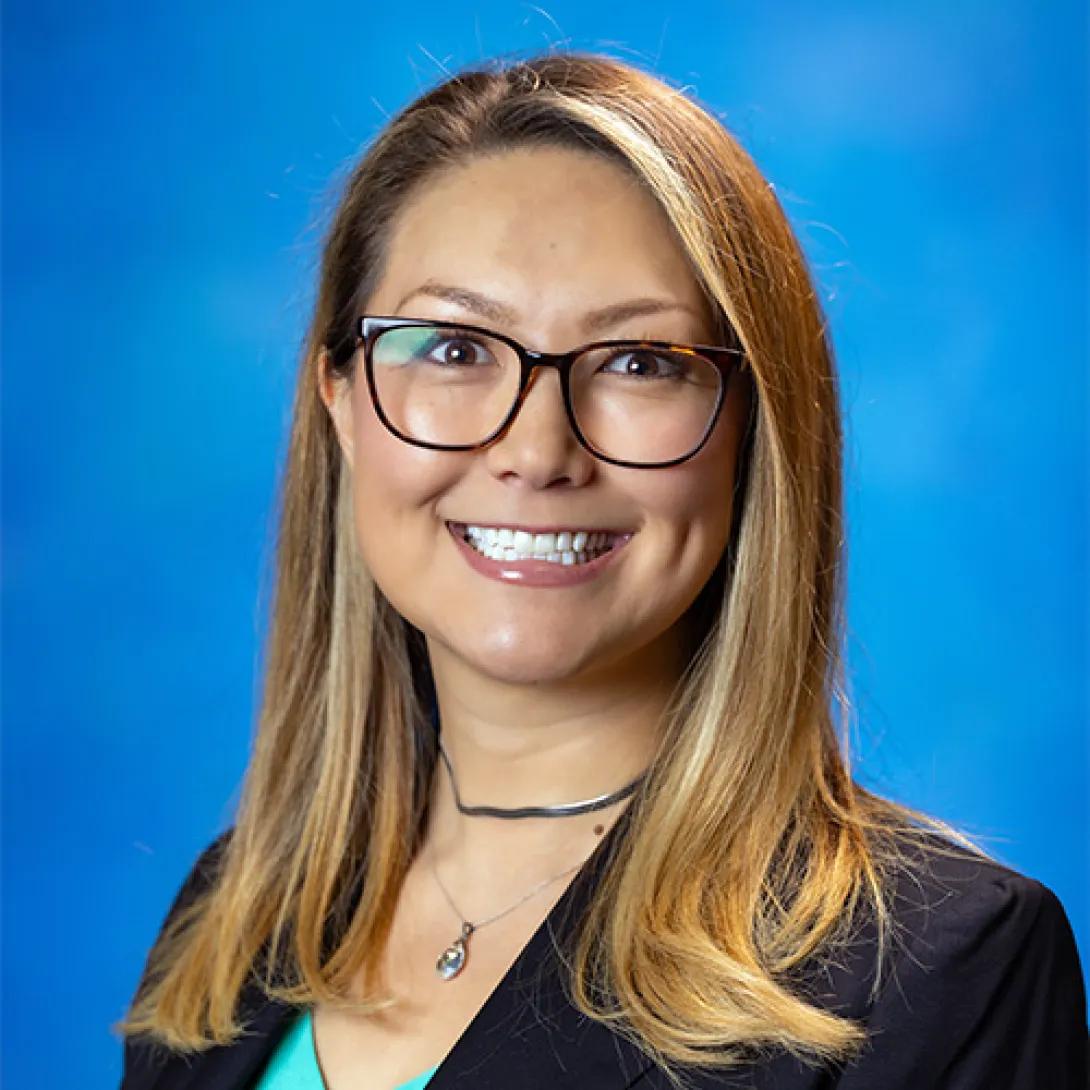
Christina I Brady
Medical School
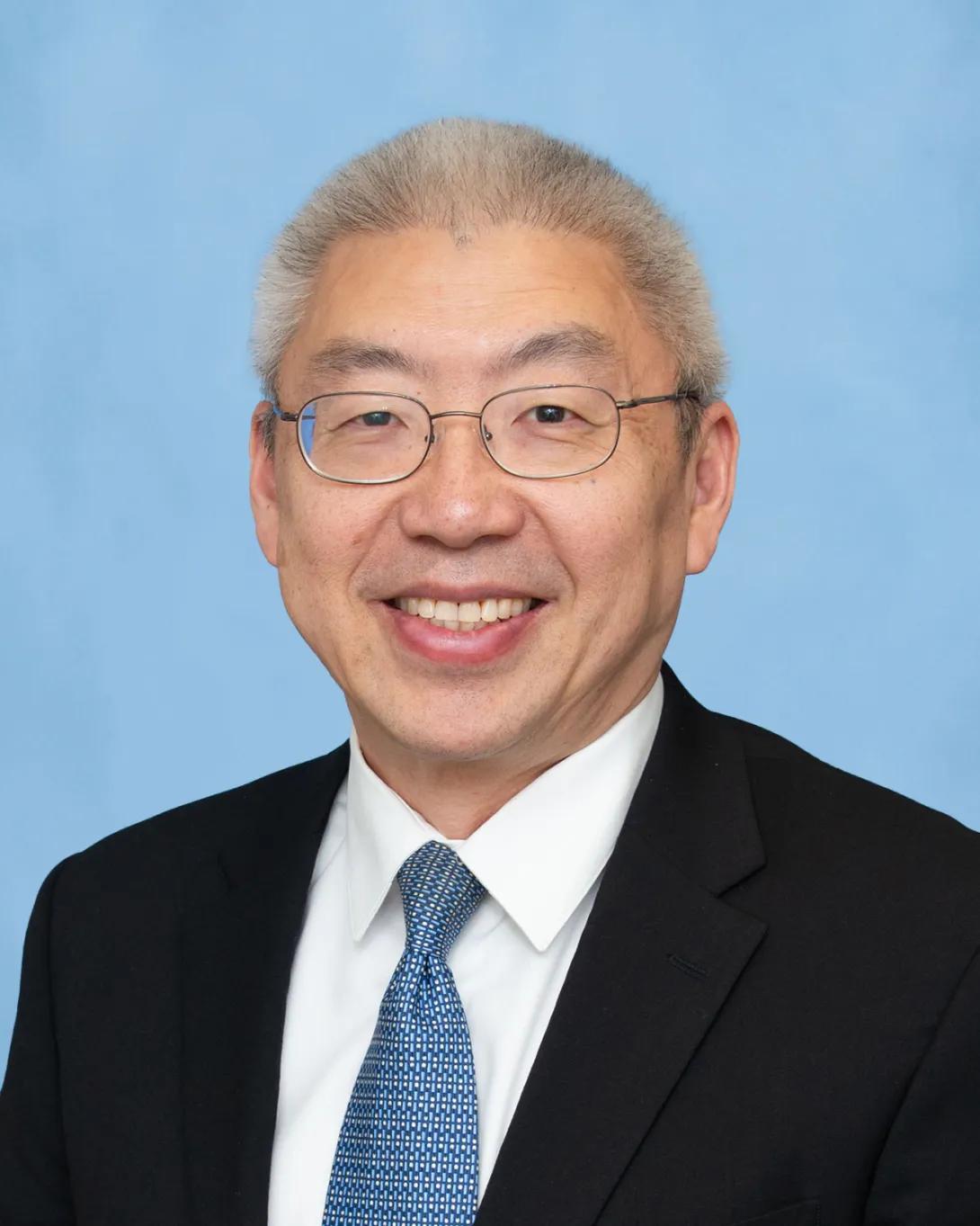
Kevin C Chung, MD, MS
Charles B de Nancrede Professor of Surgery
Professor of Surgery and Professor of Orthopaedic Surgery
Medical School
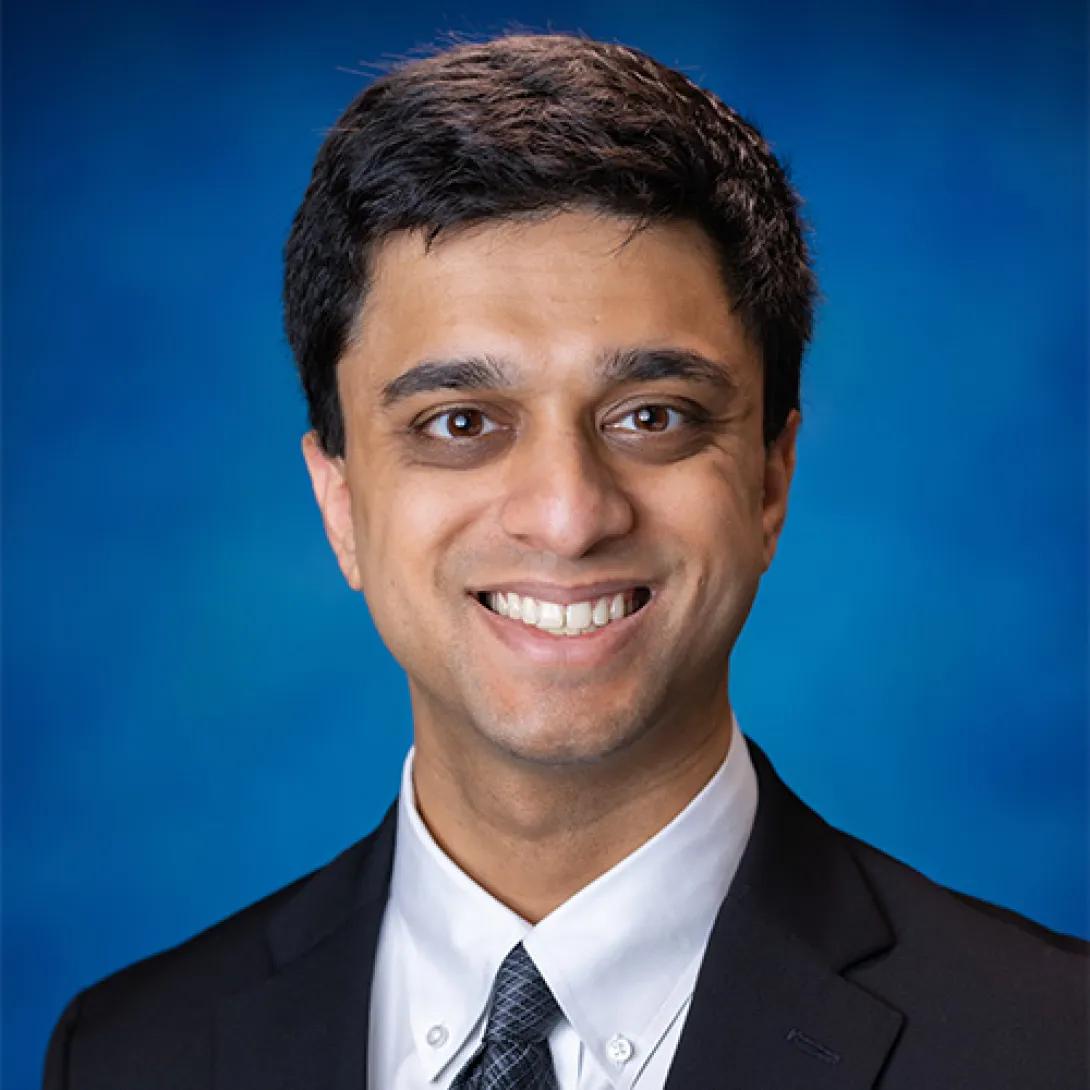
Nirbhay S Jain
Medical School
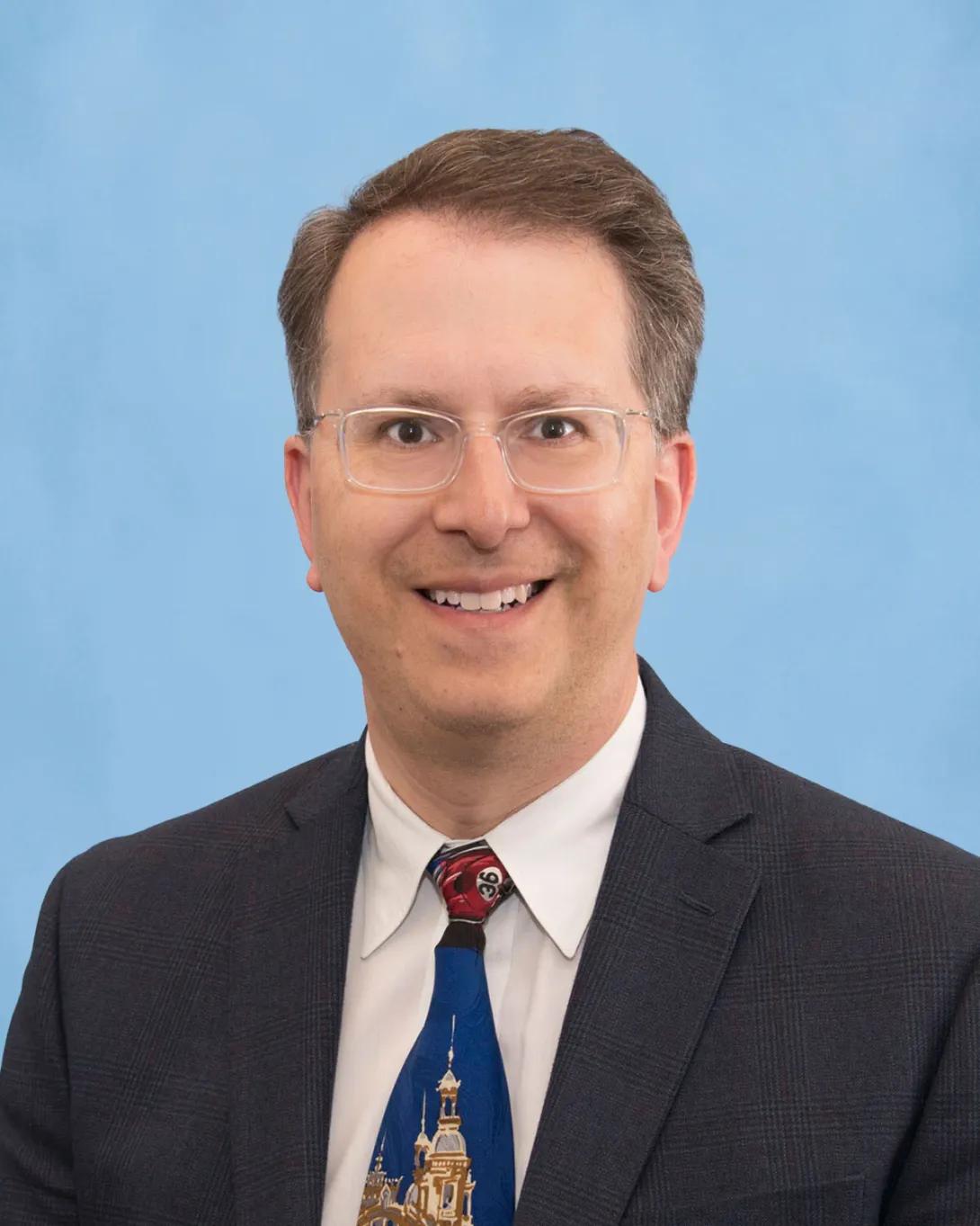
Jeffrey Nathan Lawton, MD
Clinical Professor of Surgery and Medical Director
PSQIP Co-Medical Director
Medical School
Kelsey A Rebehn, MD
Medical School
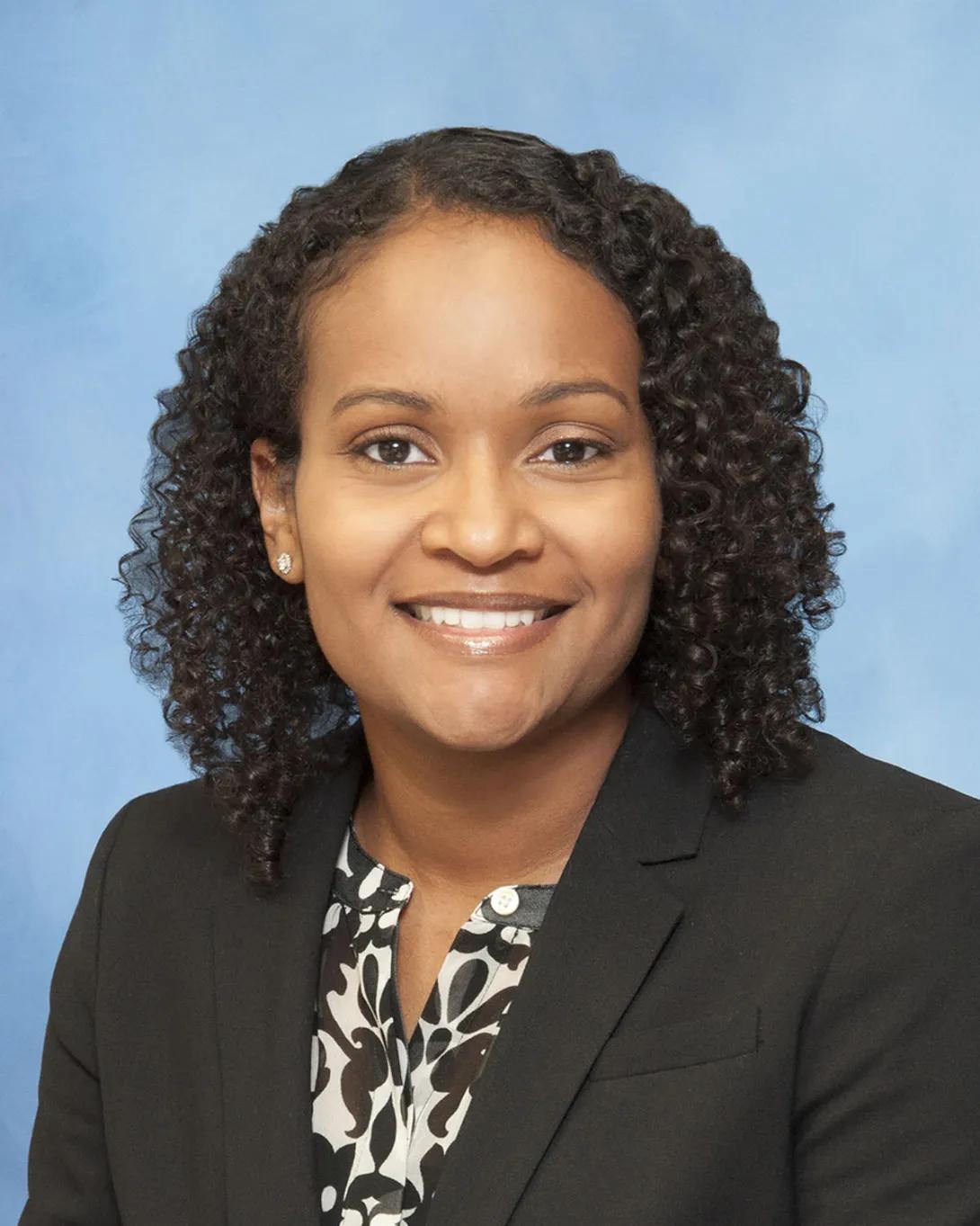
Erika Sears, MD, MS
Program Associate, Plastic Surgery
Associate Professor of Orthopaedic Surgery
Medical School
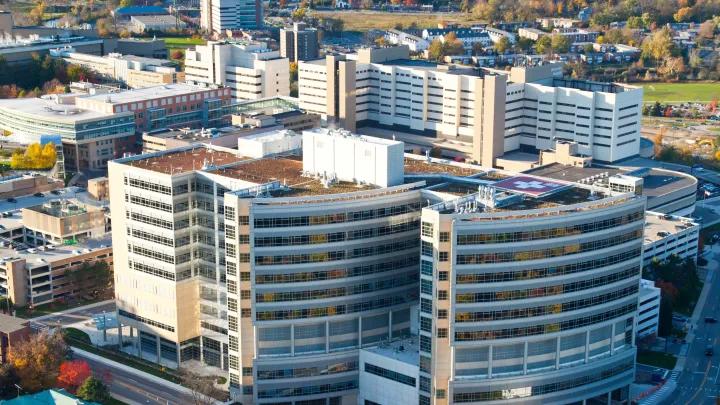
See Where Training Takes Place
Expand your career trajectory in a high-volume academic medical center that also supports and excels in a wide range of basic science, translational and clinic outcomes research programs.
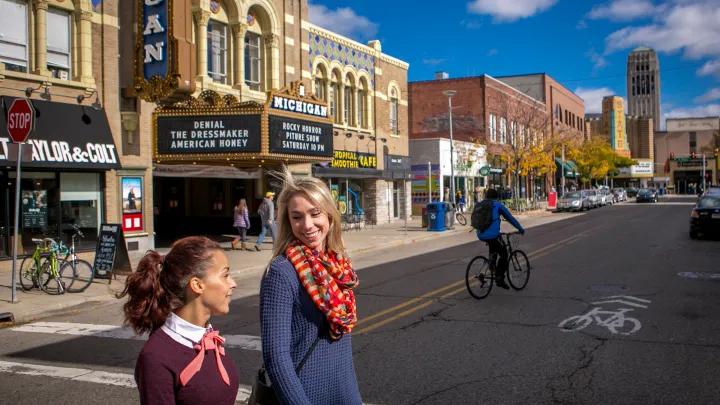
Life in Ann Arbor
We find a new reason to love Ann Arbor nearly every day — year-round outdoor activities, cultural experiences, a growing food scene, and a welcoming, family-friendly atmosphere are just a few that come to mind. Explore all that Ann Arbor and our surrounding communities have to offer.
