Surgery Sections
Our Sections
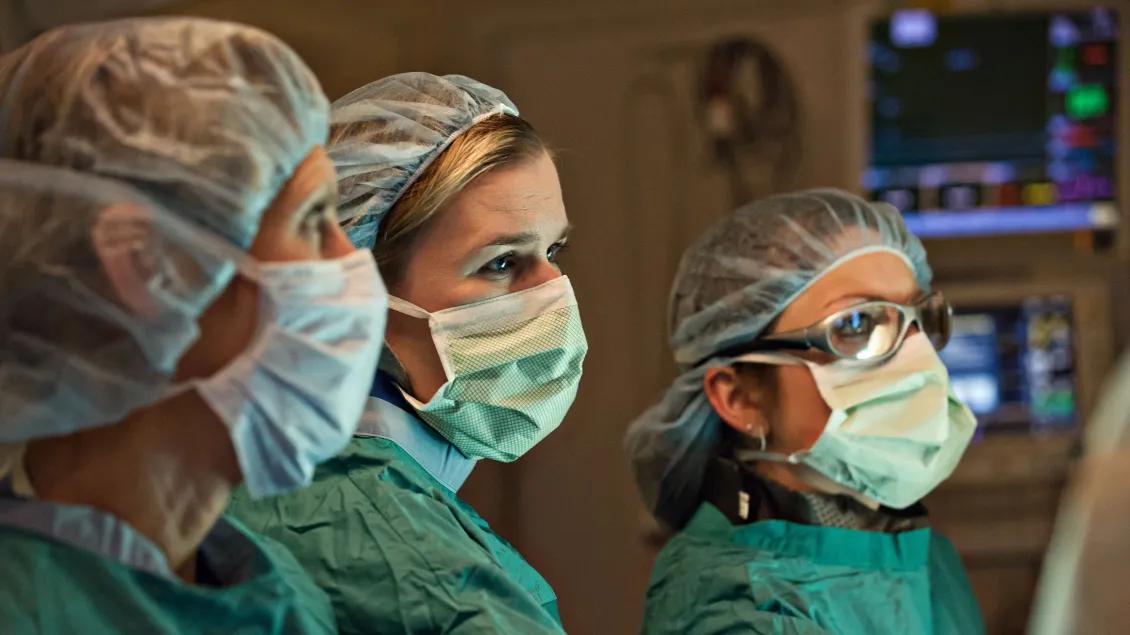
As one of the largest and oldest departments of our kind in the country, we’ve grown our clinics into a national destination for care — from adrenal cancer to melanoma to rare pediatric tumors.
Leaders in Surgical Care
Our department is top-ranked nationally for federal research funding. This support fuels innovations in surgical techniques and devices that enhance patient care and quality of life, contributing lasting knowledge to the practice of medicine.
We put this experience to work across our department, with a special strength in:
- Multidisciplinary programs that assemble the optimal mix of experts to treat cases affecting complex bodily systems, such as endocrine disorders, peripheral artery disease, and pediatric solid tumors. A multidisciplinary approach means a patient benefits from the expertise of many physicians — not just one second opinion.
- Surgical care for cancer that situates surgical excellence within high-performing teams of oncologists, radiologists, pathologists, basic scientists, all working to diagnose, stage, treat, and monitor cancer cases humanely and effectively.
- Minimally invasive surgical techniques that use fewer and smaller incisions to lessen pain, improve long-term outcomes, and shorten patient recovery time. U-M is a leader in laparoscopic, endoluminal, robotic, and incisionless surgical techniques, a pioneer of the transhiatal esophagectomy, and a continuing innovator in less-invasive surgical treatments.
Our Sections
See Where Training Takes Place
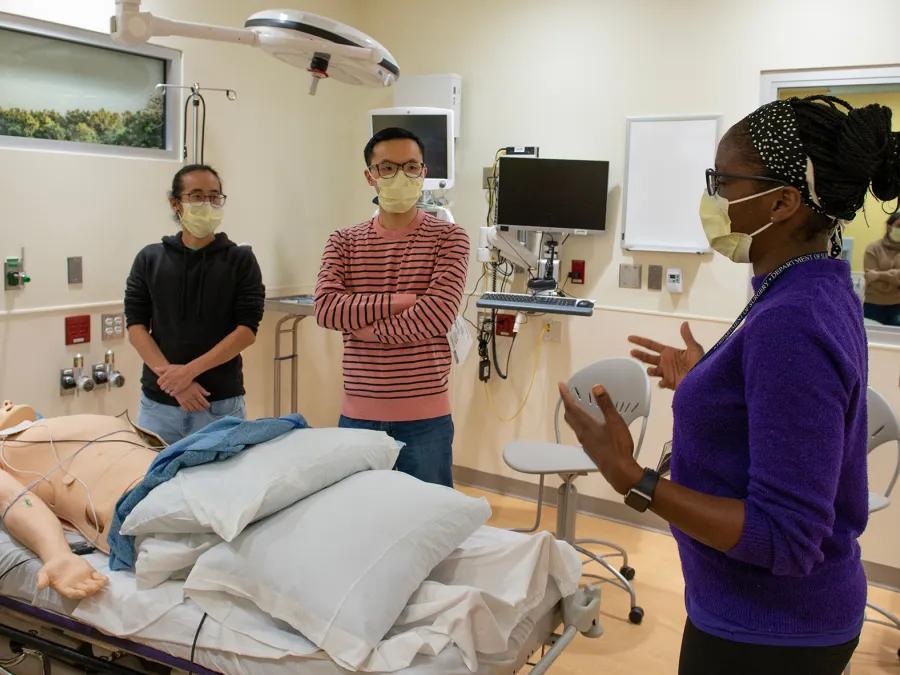
Discover the spaces where you'll train, learn and practice at the University of Michigan Medical School Department of Surgery. As one of the largest training programs in the country, we provide unparalleled opportunities for our learners. Explore the clinical, work and common areas where you’ll train and grow as a physician.
Featured News & Stories
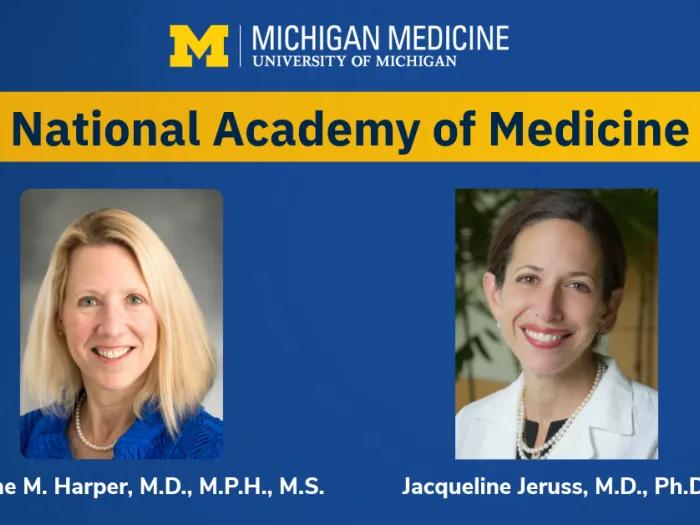
Two U-M Researchers Earn Election to National Academy of Medicine

Jacqueline Jeruss elected to the National Academy of Medicine

Exceptional response to immunotherapy gives patient with liver cancer more milestones to celebrate

Pediatric patient treated for rare kidney cancer

Advancements and trends in lung transplantation