
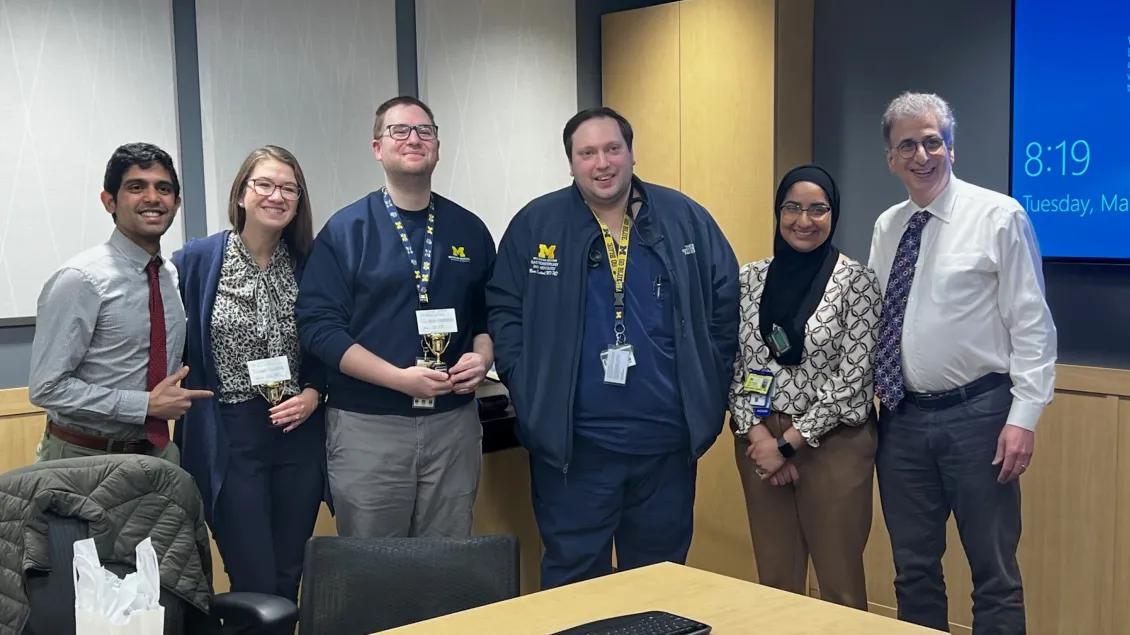
Transplant Hepatology Fellowship
The Transplant Hepatology Fellowship is a 1-year training program for candidates who have already completed a 3-year ABIM-certified Gastroenterology fellowship.
The University of Michigan Transplant Hepatology Fellowship has one available training slot for July 2027.
Interested applicants or individuals seeking additional information are encouraged to contact the GI/Hepatology Fellowship Coordinators directly: Robert Fontana and GI Fellowship Coordinators
For More Information
Program Overview
The objective of the Transplant Hepatology Fellowship is to provide outstanding clinical and research training so that candidates become independent hepatology consultants, qualify for UNOS certification as a transplant hepatologist, and meet all criteria for the ABIM Certificate of Added Qualification (CAQ) in transplant hepatology.
Upon completion of the program, the fellow will be competent in evaluating and managing liver transplant candidates with acute and chronic liver failure and in evaluating and managing transplant recipients during the perioperative and posttransplant period. The fellow will also become competent in the care of patients with a variety of acute and chronic liver diseases including the management of acute liver failure, complications of portal hypertension, and liver cancer.
How to Apply
The University of Michigan Transplant Hepatology Fellowship has one available training slot for July 2027.
Interested applicants or individuals seeking additional information are encouraged to contact the GI/Hepatology Fellowship Coordinators directly at: [email protected]
Contact Us
Clinical Training
Per ACGME requirements, Transplant Hepatology Fellowship candidates are required to have completed a 3-year categorical ABIM-certified Gastroenterology Fellowship prior to this additional year of advanced training. About 80% of the Transplant Hepatology Fellowship will be devoted to clinical activities. Rotations offered during the 1-year fellowship include inpatient hepatology ward and consultation services, outpatient transplant hepatology and general hepatology clinics, liver pathology, liver radiology, and pediatric hepatology.
In the multidisciplinary liver transplant clinics, the Transplant Hepatology fellow will become familiar with the evaluation of patients with advanced liver disease, including the management of ascites, encephalopathy, variceal bleeding, and treatment options for liver cancer. The Transplant Hepatology fellow will see patients in the clinic and follow them preoperatively, perioperatively, and postoperatively under the supervision of Hepatology faculty. The toxicity of immunosuppressive medications as well as the management of rejection and vascular, biliary, and infectious complications after transplantation will be emphasized. In addition, fellows will be exposed to transplant immunology, pediatric liver transplantation, living donor liver transplantation, and research opportunities in transplant hepatology.
Conferences
The U-M Medical School Transplant Hepatology Fellowship Program supports its educational mission with a variety of educational activities. Liver conferences that are held on a weekly basis during the academic year include Liver Pathology, Clinical Case Presentations, and Journal Club. In addition, multidisciplinary liver transplant patient evaluation conferences are held weekly. Multidisciplinary transplant conferences are held twice monthly, including the Morbidity and Mortality Conference, as well as Transplant Grand Rounds. In addition, many of the GI and Hepatology Division Grand Rounds presentations are dedicated to liver disease topics. Both internal and external speakers present at these conferences with about 12 visiting professors per year. The Transplant Hepatology fellow will be expected to attend and participate in the monthly Hepatology Research Conference and attend the American Association for the Study of Liver Diseases annual meeting.
Salary & Benefits
The University of Michigan offers highly competitive salaries and generous benefits to our fellows and advanced trainees. Trainee salary will be commensurate with that of a House Officer at an equivalent level of training based on the HOA contract.
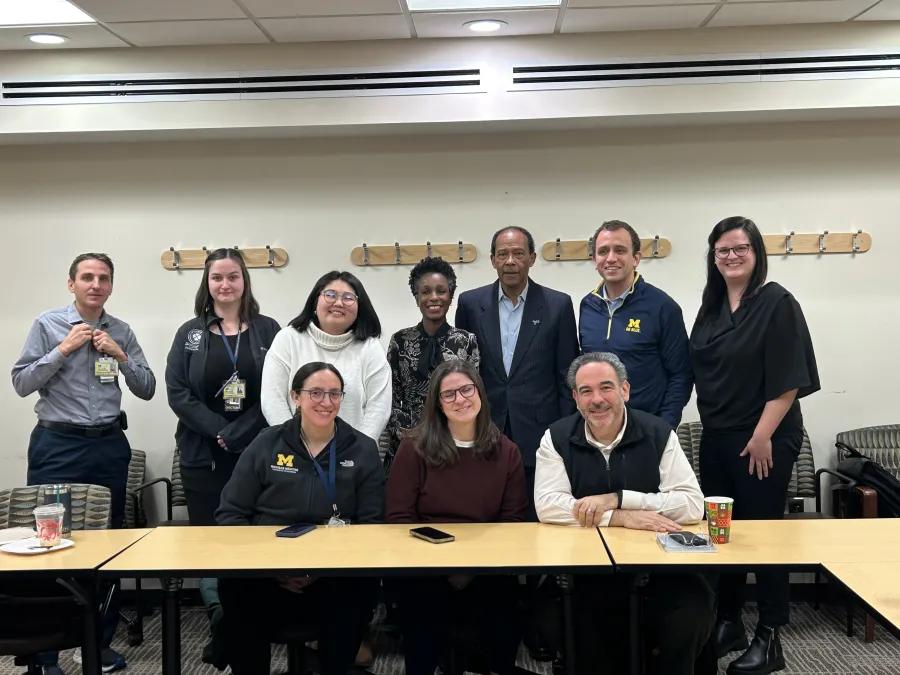
Current Fellows
We are committed to equipping each fellow with the necessary tools they need to excel as experts and leaders, and empowering them to advance patient care, research and education in gastroenterology and hepatology.
Recent Graduates
The U-M Medical School Transplant Hepatology Fellowship Program was established in 1986. Over the past 35 years, many individuals have completed formal training in Gastroenterology with a focus in Transplant Hepatology.
Watch testimonial videos from our 2023 graduates:
2024
- Abhishek Shenoy, MD
2023
- Shilpa Junna, MD
- Yun Wang, MD
2022
- Jason Pan, MD
- Karn Wijarnpreecha, MD
2021
- Brian Nadeau, MD
- Dempsey Hughes, MD
Past Graduates
Our graduating fellows have gone on to a wide variety of practices and universities while others have stayed here at Michigan Medicine. Here is a sampling of our graduates since 2007.
- Brian Nadeau, MD – Beaumont Hospital, Royal Oak, MI
- Dempsey Hughes, MD – University of Pittsburgh
- Jason Pan, MD – Brown University
- Karn Wijarnpreecha – Mayo Clinic
- John Bassett, MD – Transplant Hepatologist, Walter Reed Medical Center, Bethesda, MD
- Mohammed Jafri, MD – Medical Director, Multivisceral Organ Transplant, Henry Ford Health System, Detroit, MI
- Hellan Kwon, MD - Associate Professor, University of Michigan, Ann Arbor, MI
- Dekey Lhewa, MD – Oregon Health & Science University, Portland, OR
- Jessica Mellinger, MD, MSc – Michigan Medicine, Ann Arbor, MI
- Mina Rakoski, MD, MSc – Loma Linda University, Loma Linda, CA
- Shreya Sengupta, MD - Cleveland Clinic
- Pratima Sharma, MD, MS - Associate Professor, University of Michigan, Ann Arbor, MI
- Amit Singal, MD, MS – Medical Director of the Liver Tumor Program and Clinical Chief of Hepatology, University of Texas Southwestern, Dallas, TX
- Erin Spengler, MD – Gastroenterology and Hepatology, University of Wisconsin, Madison, WI
- Monica Tincopa, MD, MSc – Michigan Medicine, Ann Arbor, MI
Program Faculty
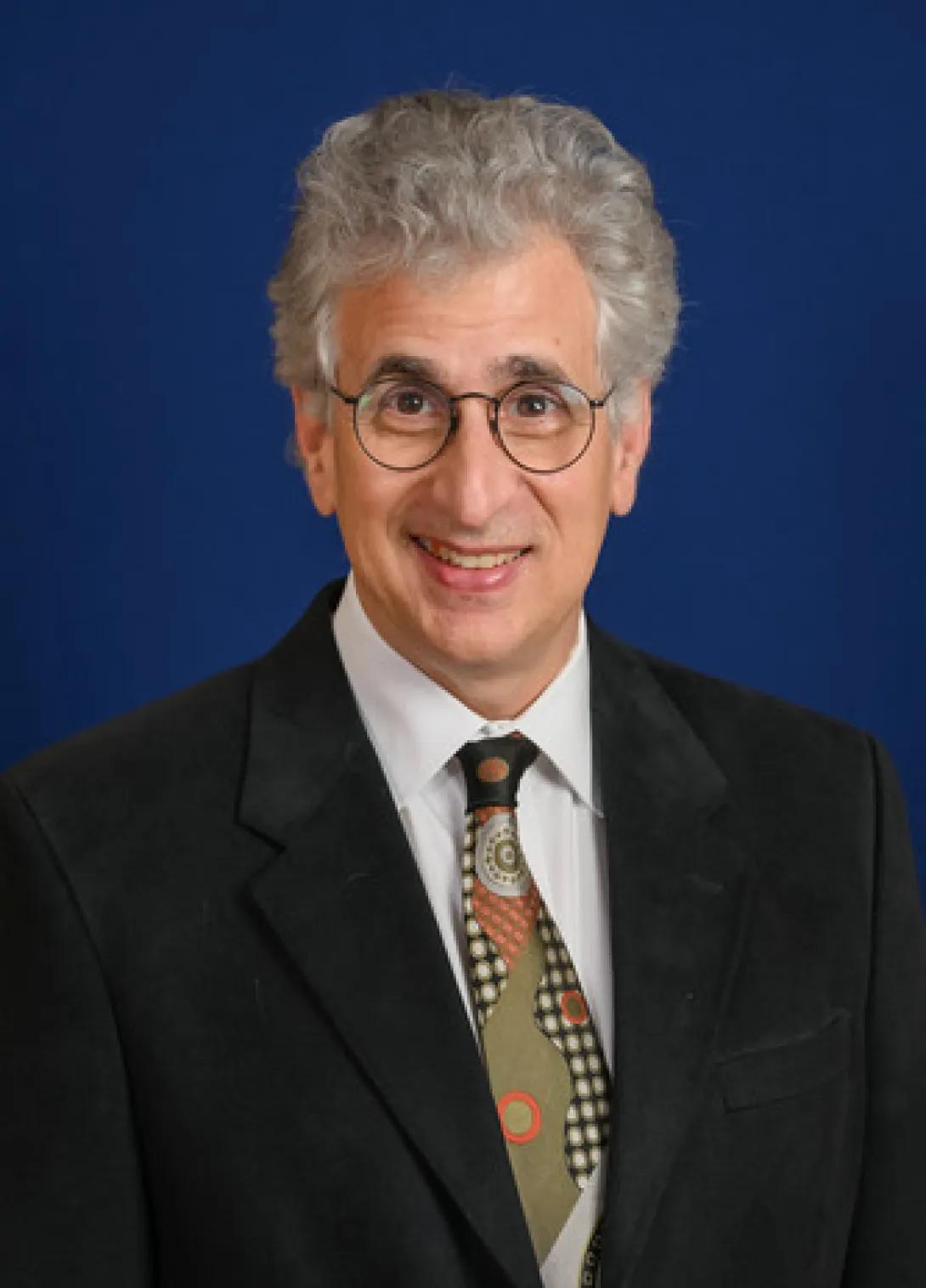
Robert John Fontana, MD
Anna Suk-Fong Lok, MD
Frederick K Askari, MD, PhD
Graham Brady, MD, PhD
Vincent Chen, MD, MS
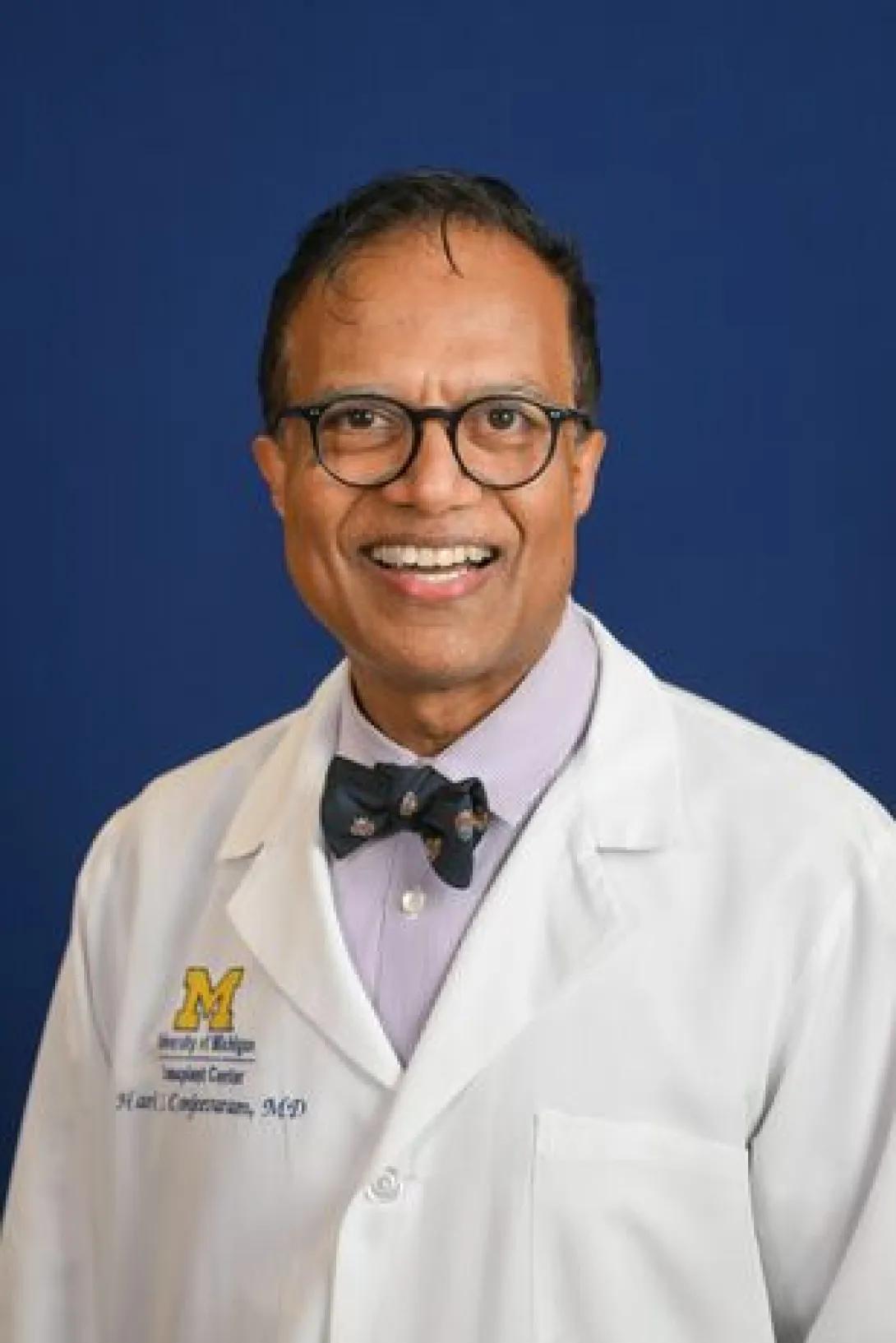
Hari S Conjeevaram
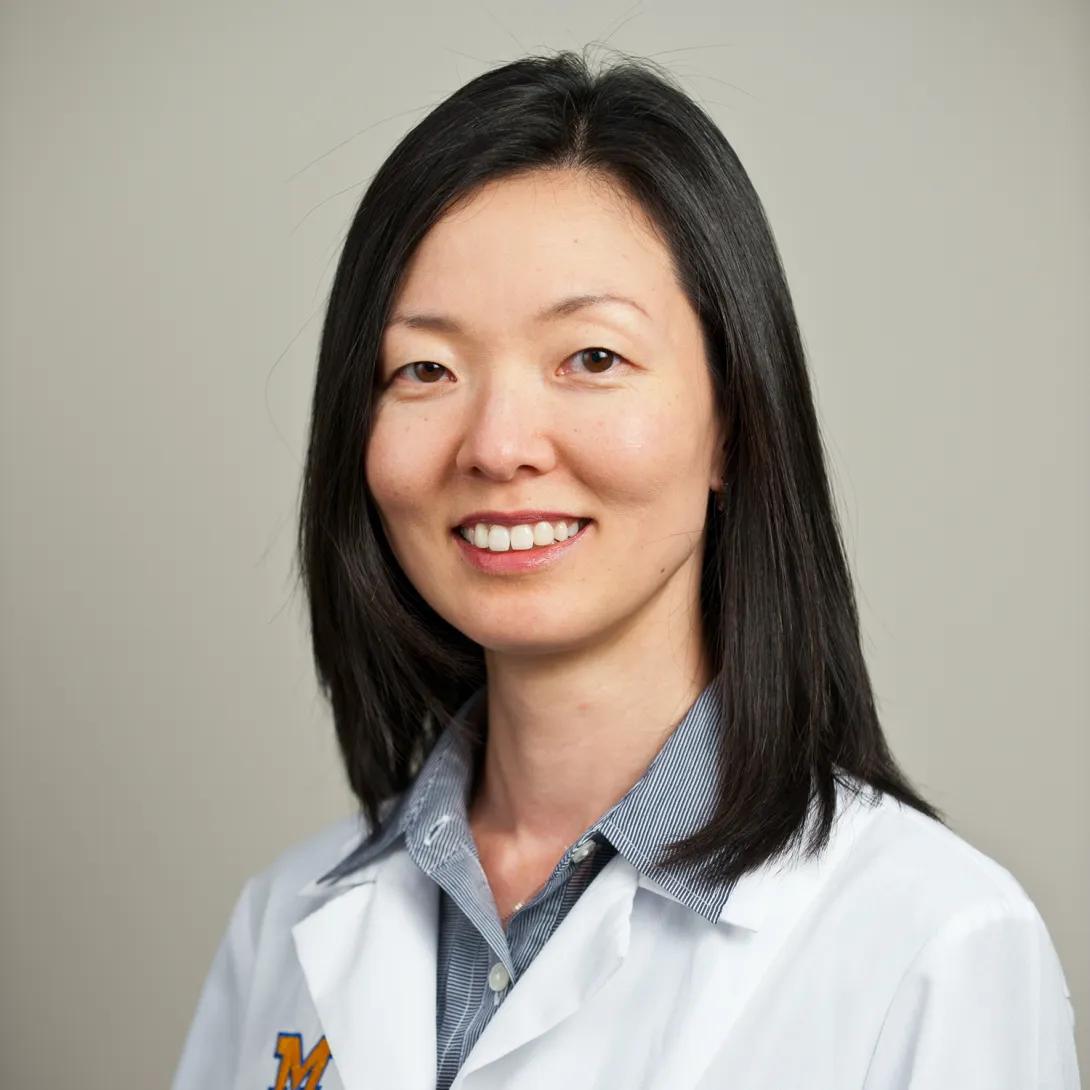
Hellan Kang Kwon MD
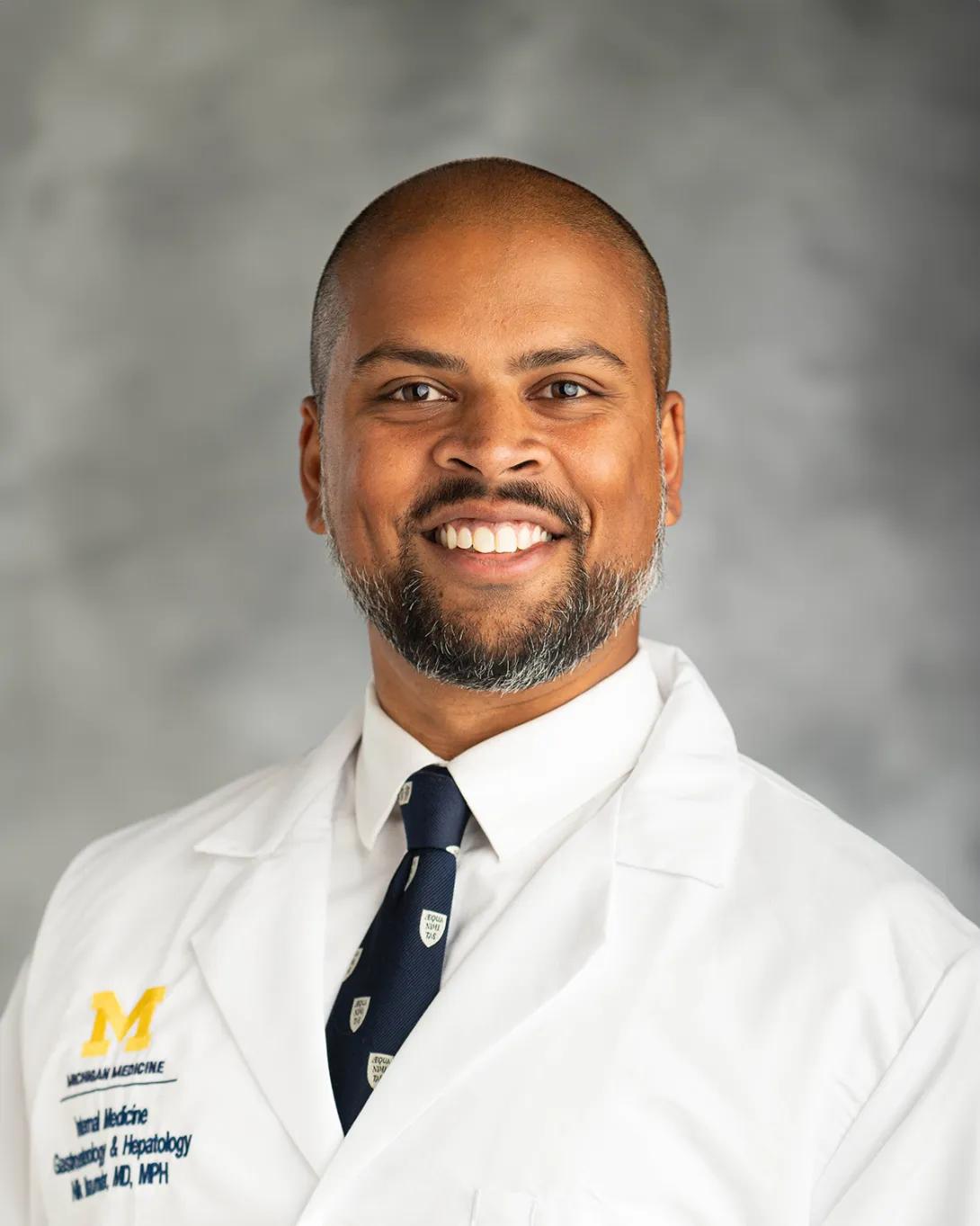
Nikhilesh Mazumder MD, MPH
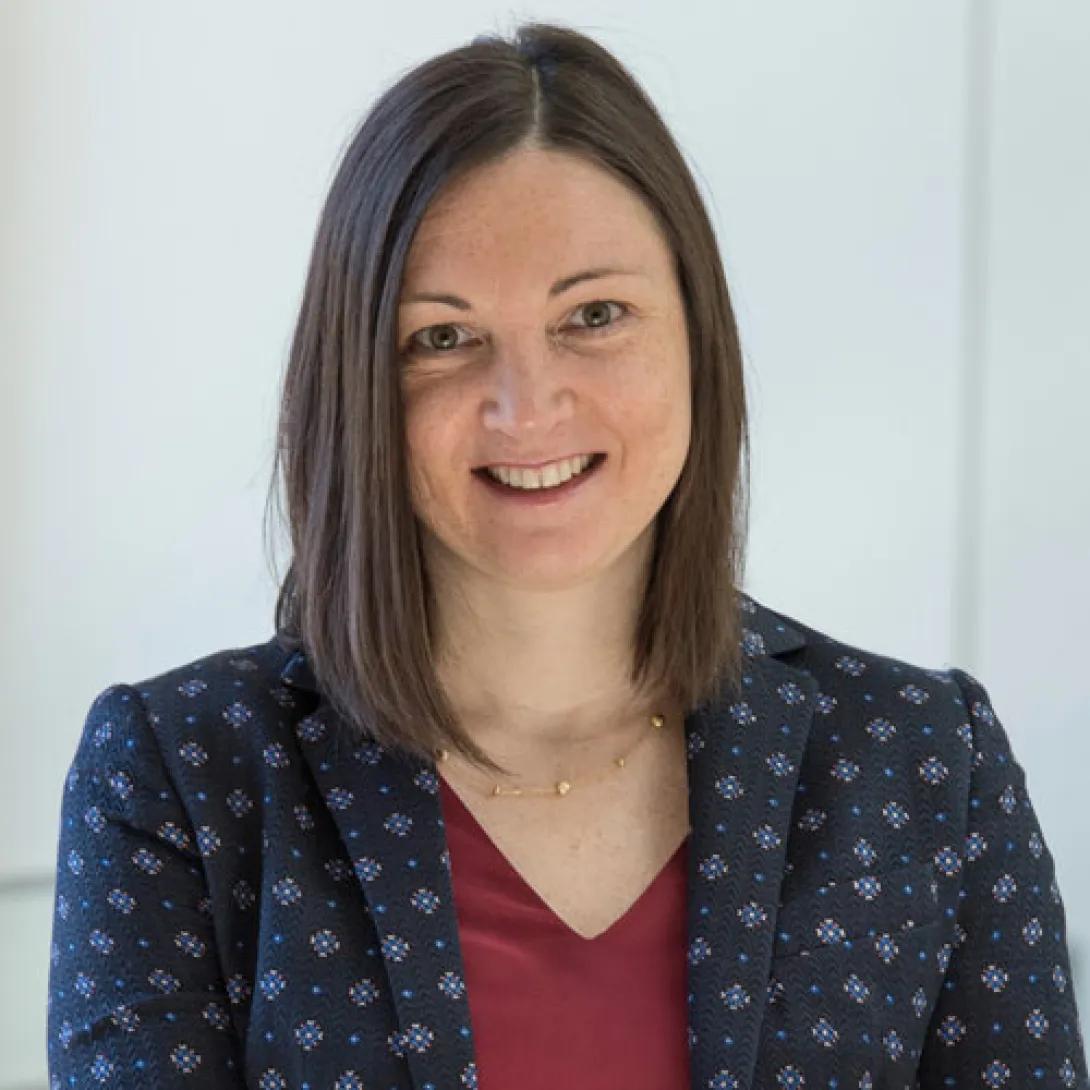
Nataliya Razumilava, MD
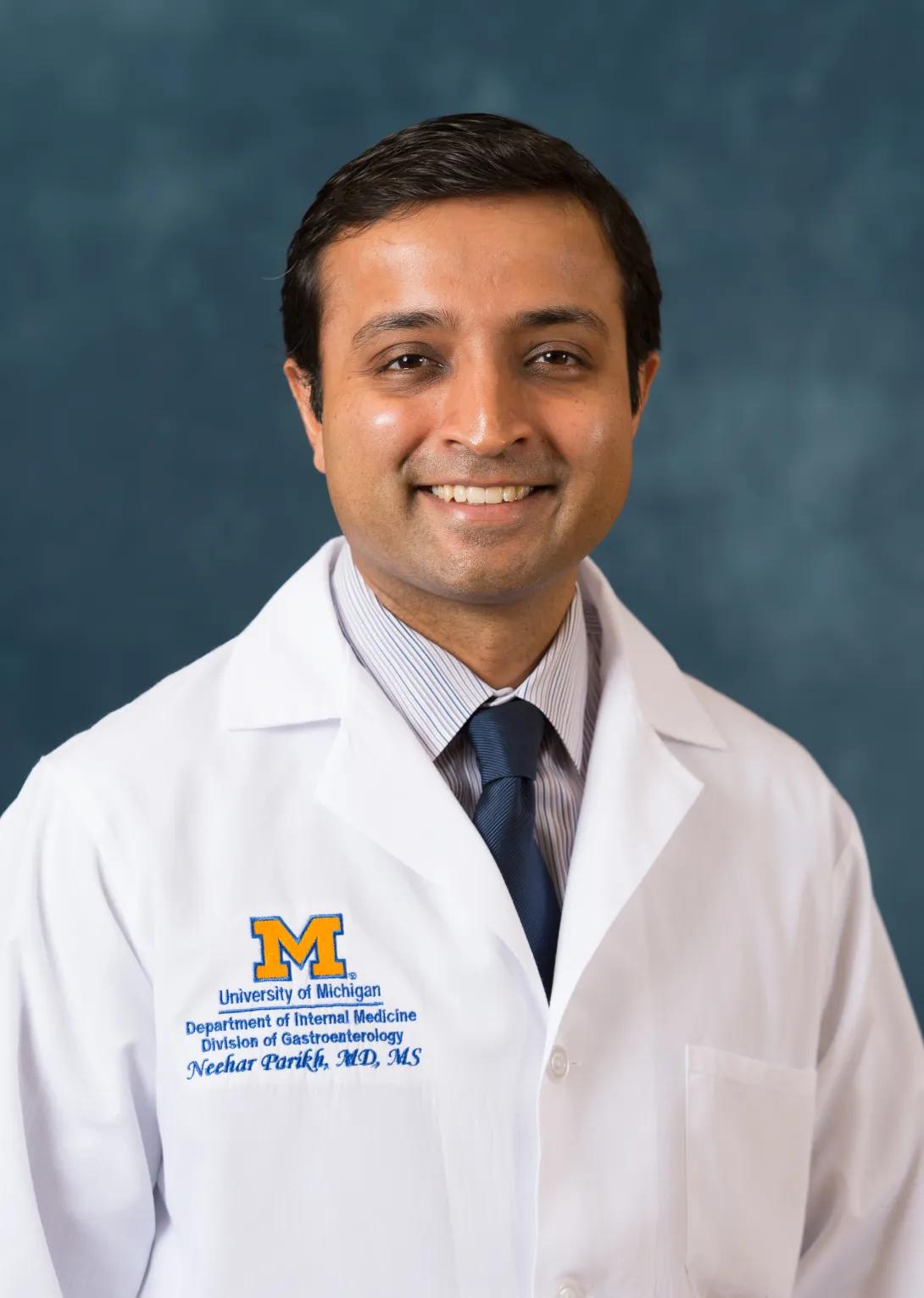
Neehar Dilip Parikh MD, MS
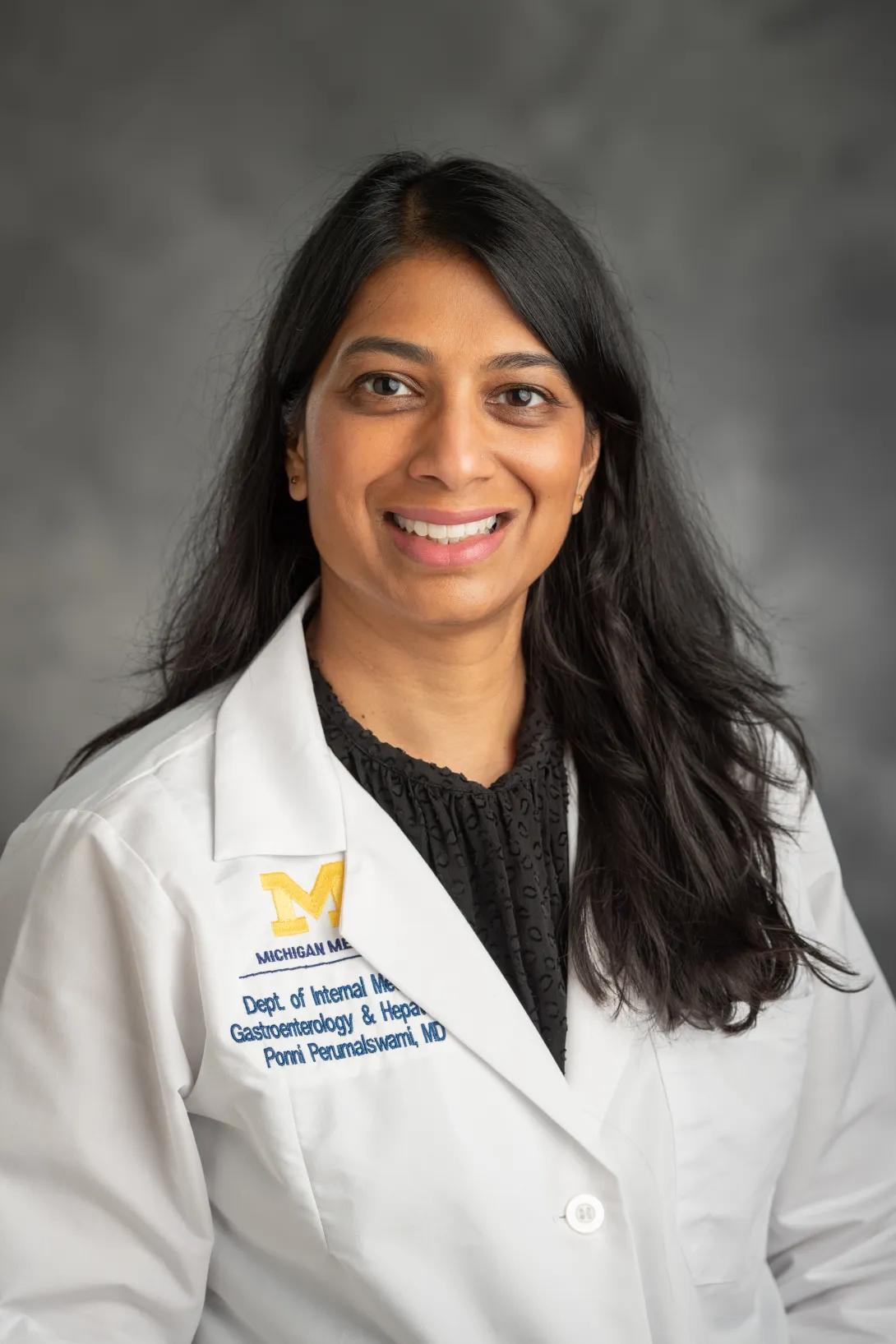
Ponni Perumalswami, MD, MsCR
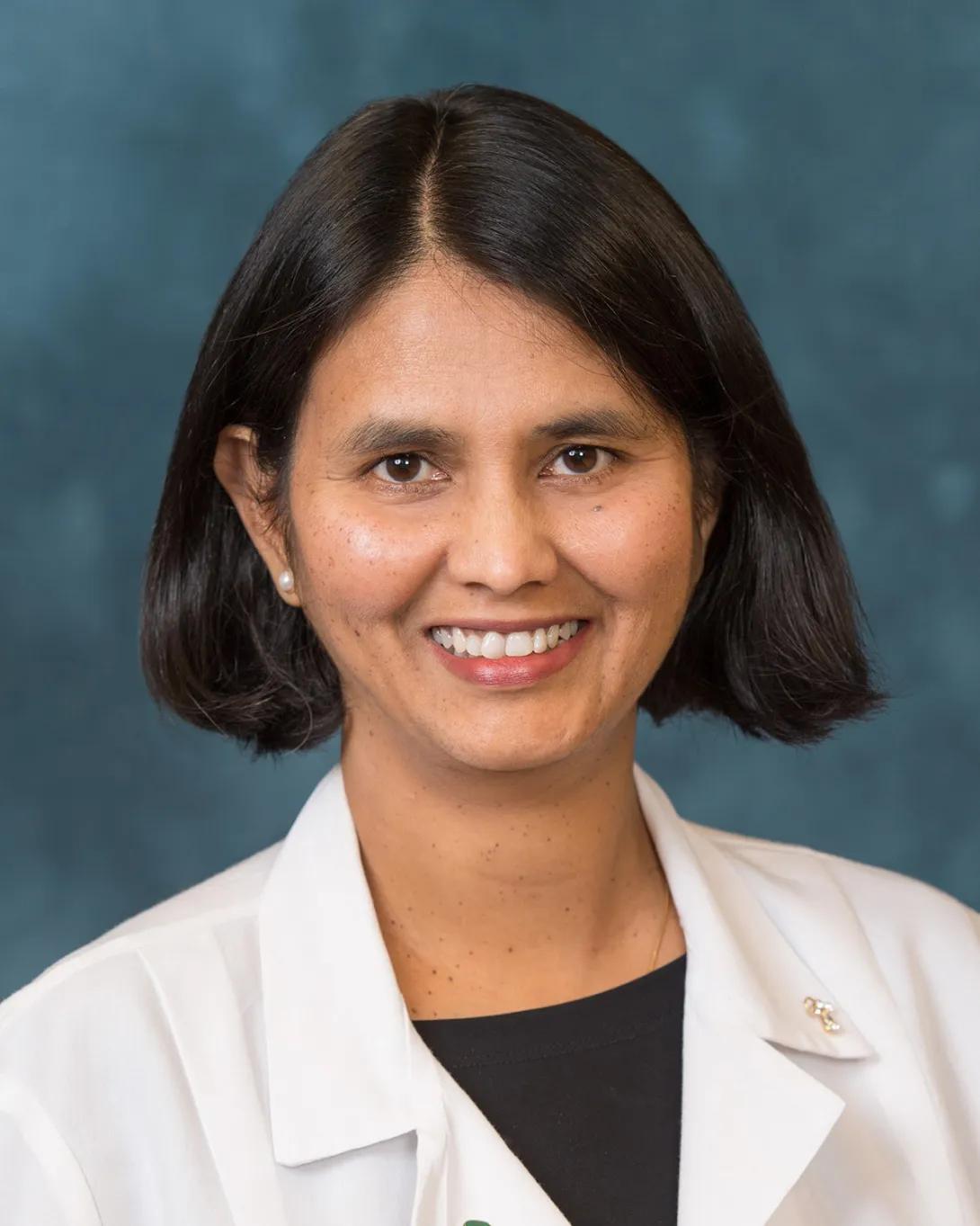
Pratima Sharma, MD, MS
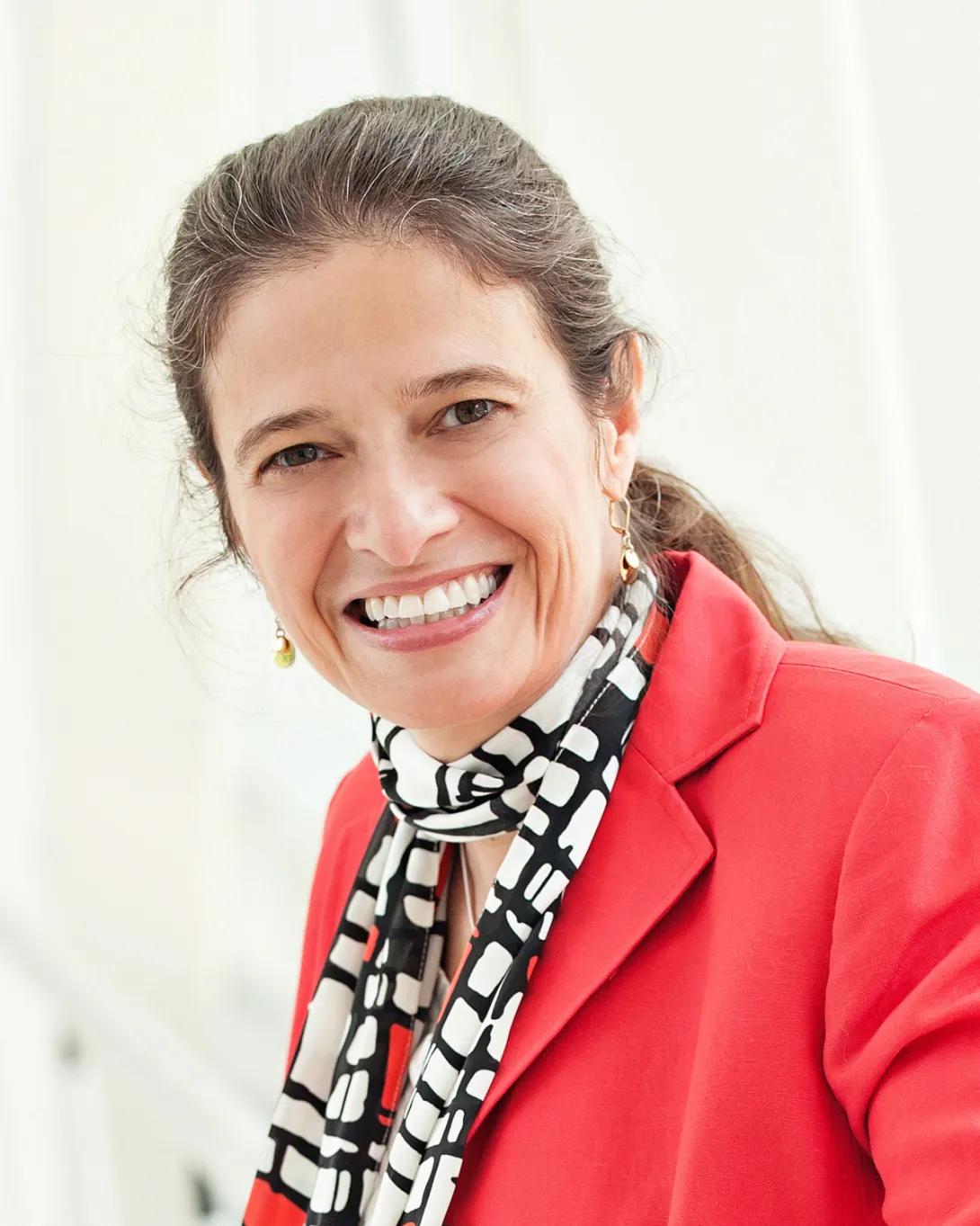
Elizabeth K Speliotes, MD, PhD, MPH
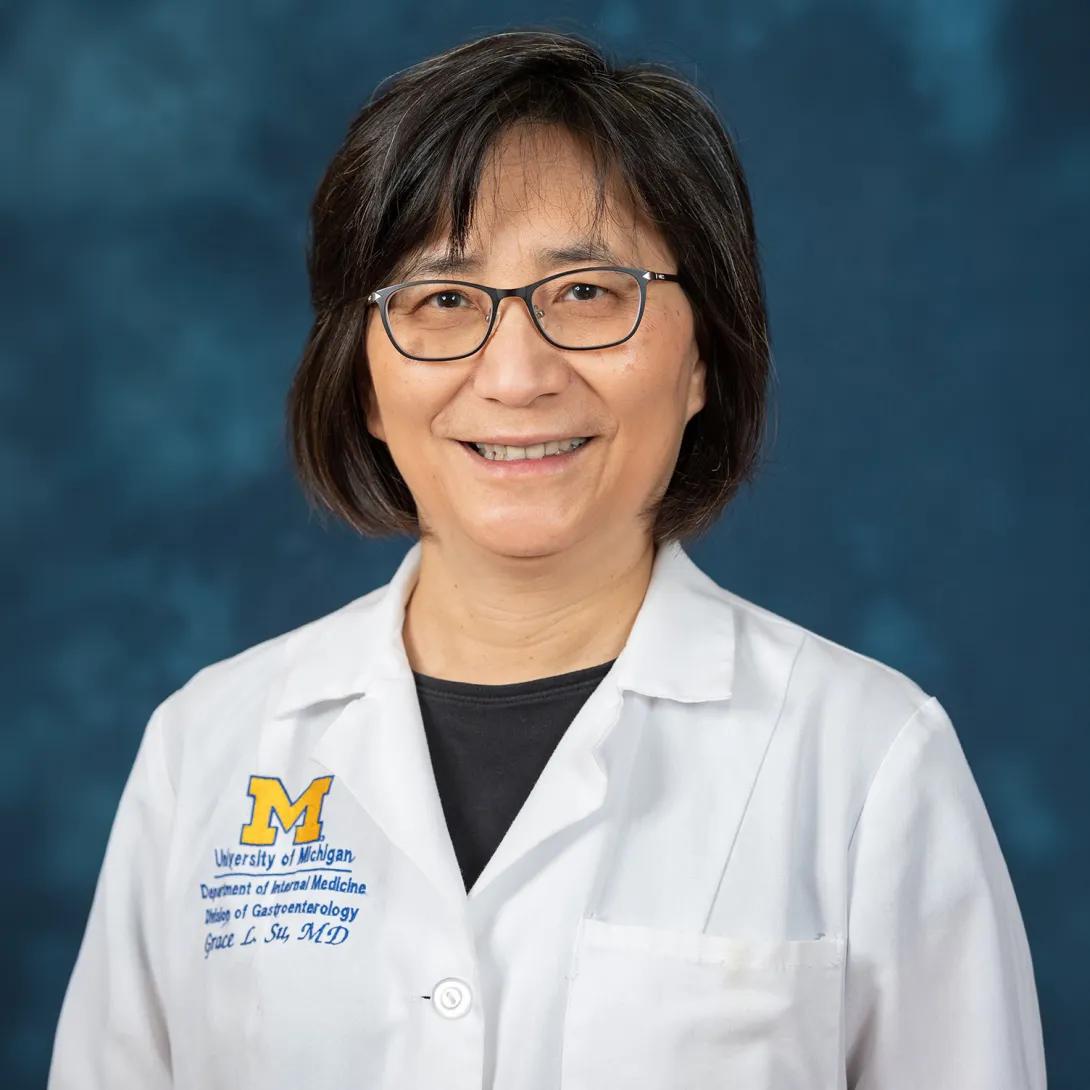
Grace Su, MD
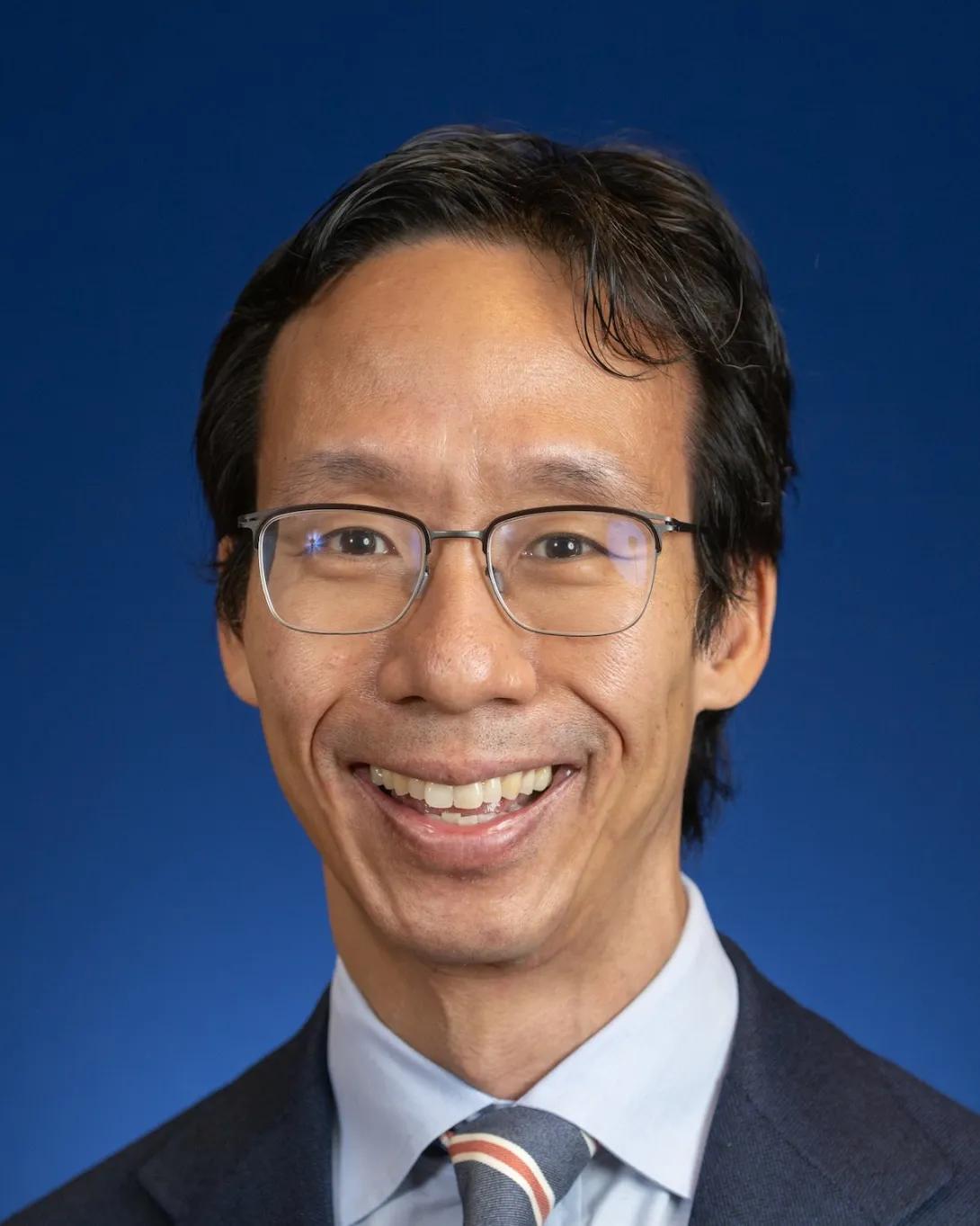
Andrew W Tai, MD, PhD
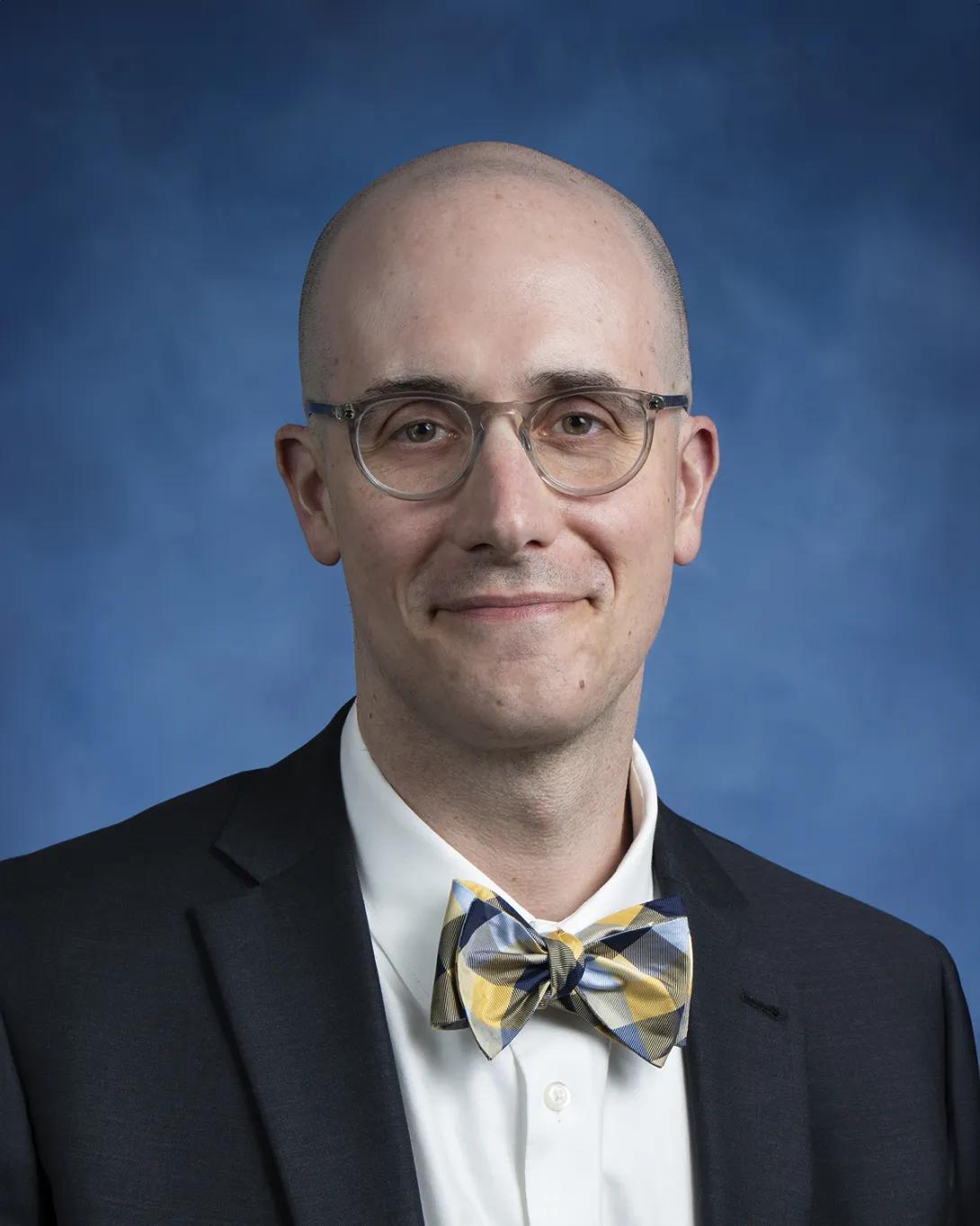
Elliot B Tapper, MD, FAASLD
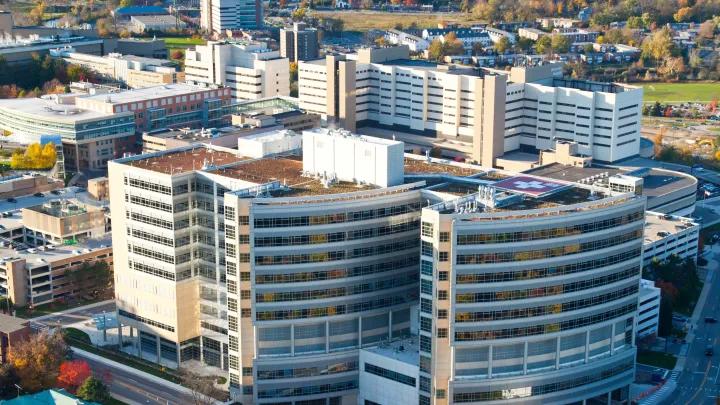
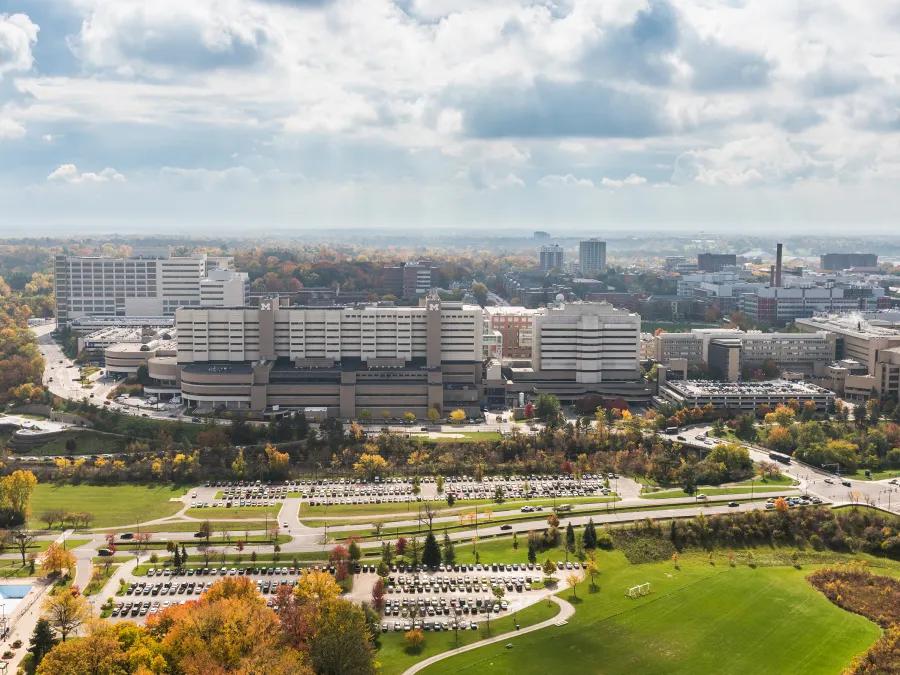
See Where Training Takes Place
Expand your career trajectory in a high-volume academic medical center that also supports and excels in a wide range of basic science, translational and clinical research programs.

Life in Ann Arbor
We find a new reason to love Ann Arbor nearly every day — year-round outdoor activities, cultural experiences, a growing food scene, and a welcoming, family-friendly atmosphere are just a few that come to mind. Explore all that Ann Arbor and our surrounding communities have to offer.
