-
Allergy & Clinical Immunology -
Cardiovascular Medicine -
Gastroenterology & Hepatology -
General Medicine -
Genetic Medicine -
Geriatric & Palliative Medicine -
Hematology & Oncology -
Hospital Medicine -
Infectious Diseases -
Metabolism, Endocrinology & Diabetes -
Nephrology -
Pulmonary & Critical Care Medicine -
Rheumatology
Gastroenterology & Hepatology Research
Innovative Research
Our physician scientists and clinical investigators are leading the way in enhancing the prevention, diagnosis, and treatment of gastrointestinal and hepatology diseases through their research.
Our Research
The U-M Medical School Department of Internal Medicine Division of Gastroenterology and Hepatology has a long tradition of excellence and national leadership in basic science and clinical research and is consistently among the top divisions funded by the National Institutes of Health.
Continuing in this tradition, our division conducts cutting-edge investigations into the molecular, cellular, and physiological conditions of normal and disease states of the gastrointestinal tract, liver, and pancreas, and state-of-the-art clinical research ranging from hepatitis C to Wilson Disease.
Advanced training and collaborative research involving faculty, fellows, medical students, and graduate students enhance our research endeavors to discover cures and improve clinical outcomes.
Clinical & Research Programs
The Division of Gastroenterology and Hepatology is home to multiple nationally-recognized clinical and research programs.
GI & Hepatology Research
Learn more about the Division of Gastroenterology and Hepatology research.
Gut Talk, on Healio Gastroenterology, is a podcast hosted by Dr. Sameer Berry and Dr. William Chey that explores the impact of health policy, technology, practice management, and research on the field of gastroenterology. Listen to the podcast.
T32 Training Programs
Our three-year GI Fellowship Training Program prepares fellows for careers in academic medicine and is separated into three tracks, including two NIH-funded tracks:
- NIH-funded T32 Clinical Research track (“Gastroenterology/Research-Outcomes” – NRMP Program Code 1293144F2)
- NIH-funded T32 Basic/Translational Research track (“Gastroenterology/Basic Science Research” – NRMP Program Code 1293144F1)
Featured News & Stories
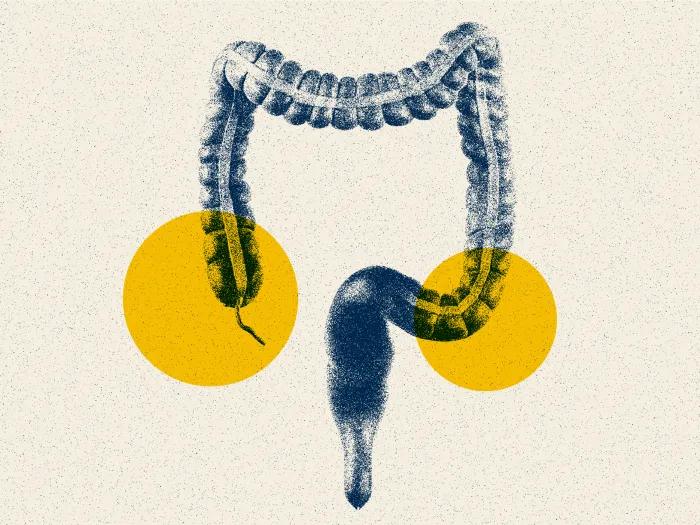
Enzyme supplement improves IBS symptoms for most in new study

Akbar K. Waljee, MD, MSc, appointed Associate Dean of Global Health Research

Exceptional response to immunotherapy gives patient with liver cancer more milestones to celebrate

Liver cancer can be preventable. Do you know the treatable risk factors?
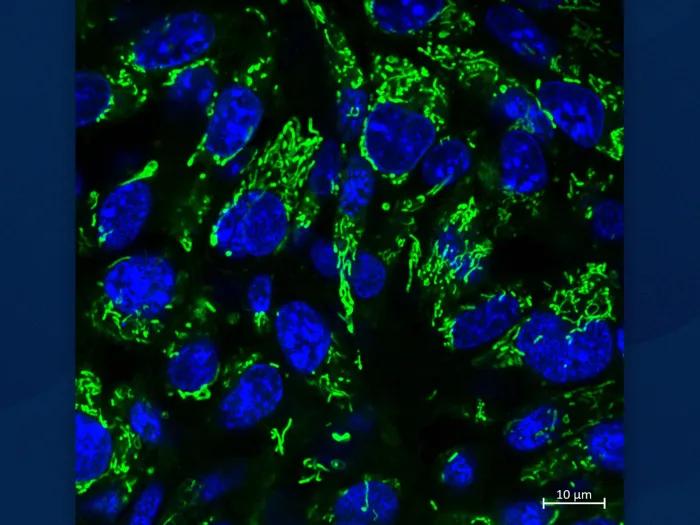
Engineered nanoparticles sensitize gliomas to radiotherapy