
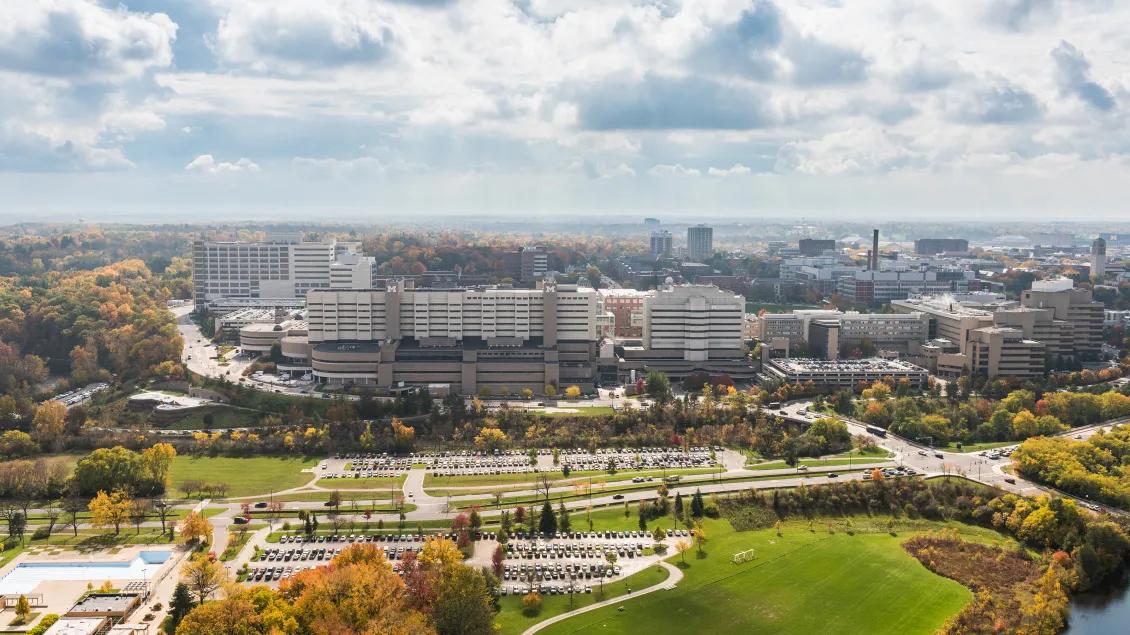
Inflammatory Bowel Disease Program
The U-M Medical School Department of Internal Medicine Division of Gastroenterology and Hepatology's Inflammatory Bowel Disease Program is an internationally recognized group of clinicians, surgeons, and researchers, led by Peter Higgins, MD, PhD, MSc and Shrinivas Bishu, MD.
Our program is committed to providing expert patient care and comprehensive educational opportunities as well as conducting relevant and innovative research with the goal of improving the quality of life of our patients.
For More Information
Education
The Division of Gastroenterology and Hepatology offers three fellowship programs, including our three-year GI Fellowship Training Program. Our faculty are also heavily involved with training activities within the Department of Internal Medicine and the U-M Medical School.
Patient Care
Our IBD program sees thousands of patients with inflammatory bowel disease, providing consultations for patients from across the United States and throughout Michigan every year. Crohn's disease and ulcerative colitis often present unique challenges requiring specialty expertise and a multidisciplinary approach to care. Experienced medical decision-making, expert surgical knowledge, dedicated nutritional support services, and access to new treatments and clinical trials all merge in our program to provide complete care for the complex issues associated with Crohn's disease and ulcerative colitis.
Research
Our researchers study the molecular and genetic causes of Crohn's disease and ulcerative colitis to help better understand the underlying causes and mechanisms of these conditions. We are also engaged in clinical research to discover new methods of diagnosing, monitoring, and treating inflammatory bowel disease, supported by millions of dollars of competitive research funding. Our world-class research program collaborates with other centers internationally to improve the lives of people suffering from inflammatory bowel disease.
We are currently researching several areas of interest, including:
- Developing adaptive treatment strategies personalized to individual patients' unique needs using novel clinical trial methodology and machine learning prediction modeling.
- Identifying gaps in health care delivery to develop models that facilitate chronic care transitions, support self-management, and improve care quality.
- Integrating clinical outcomes and translational research to improve prognostication of disease course and therapy response in patients.
- Investigating molecular mechanisms of intestinal fibrosis using ultrasound to measure intestinal scarring and biomarkers to detect early scarring.
- Evaluating patient-reported outcomes, medication holidays after long-term remission, and biomarker-guided therapy.
- Developing new markers of disease activity that are minimally invasive, low cost, and can be performed in a doctor's office.
- Investigating mechanisms of immune dysregulation leading to diseases of the luminal gastrointestinal tract.
- Developing, evaluating, and implementing decision support systems for physicians.
Faculty Researchers
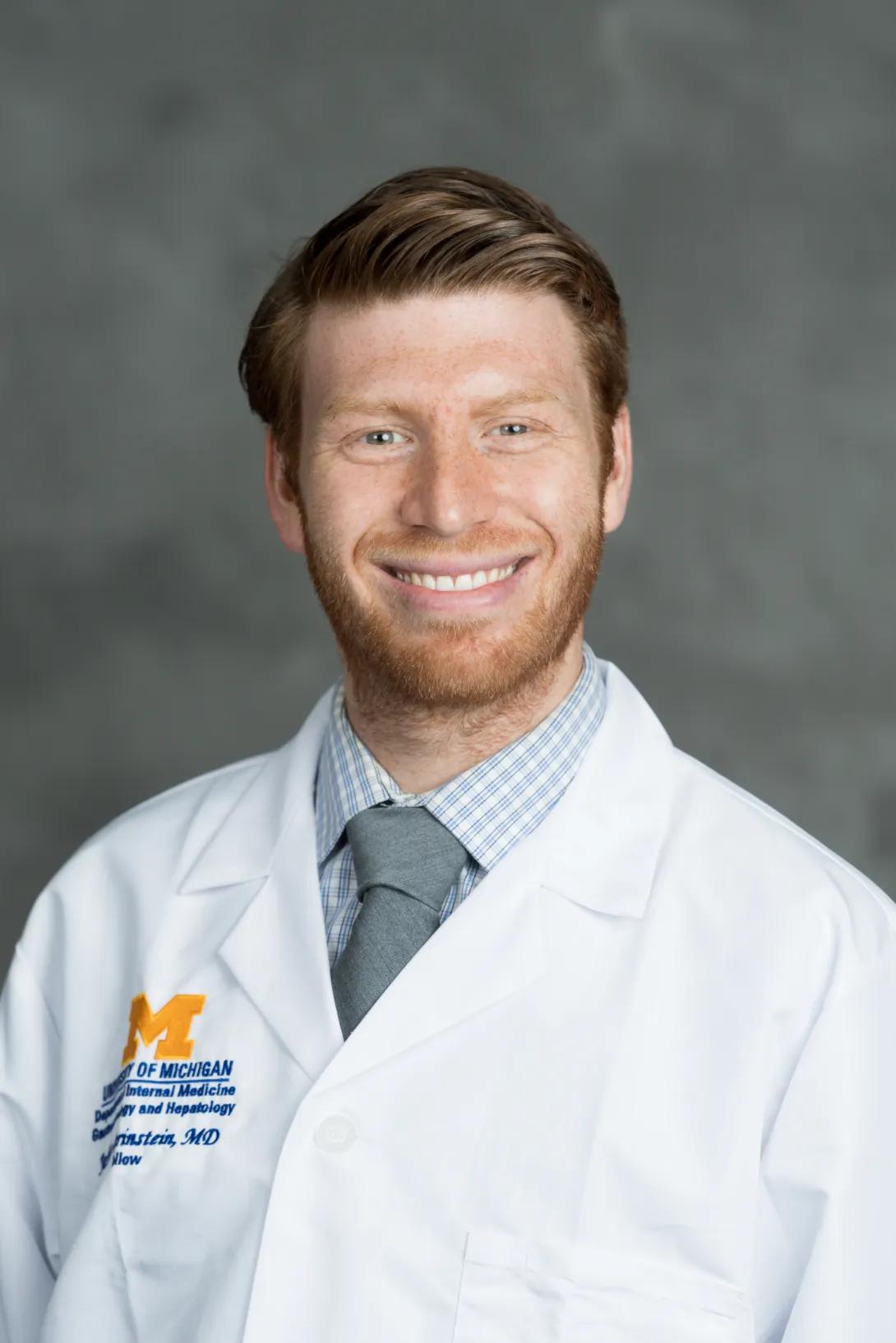
Jeffrey Berinstein, MD, MSc
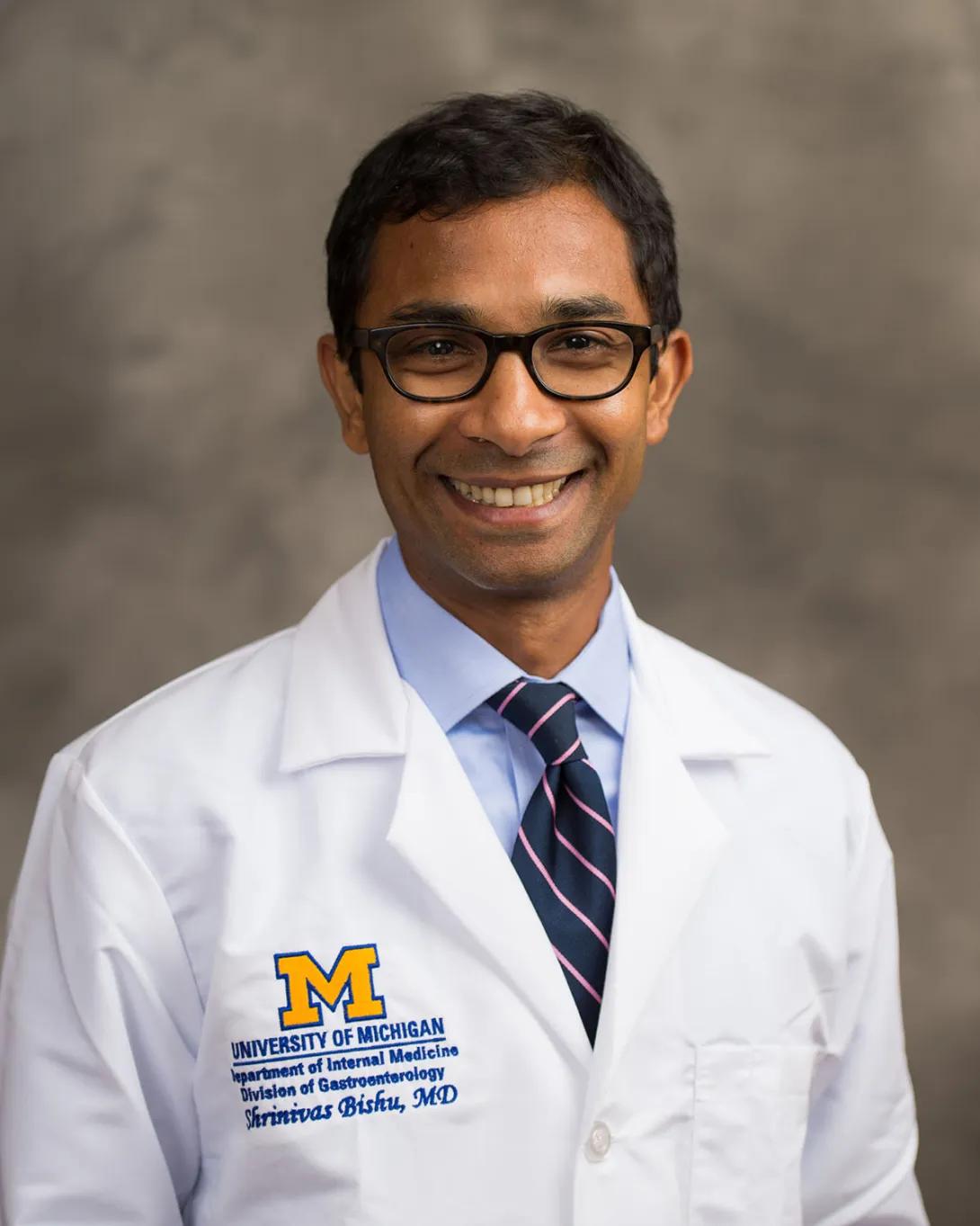
Shrinivas Bishu, MD, FACG
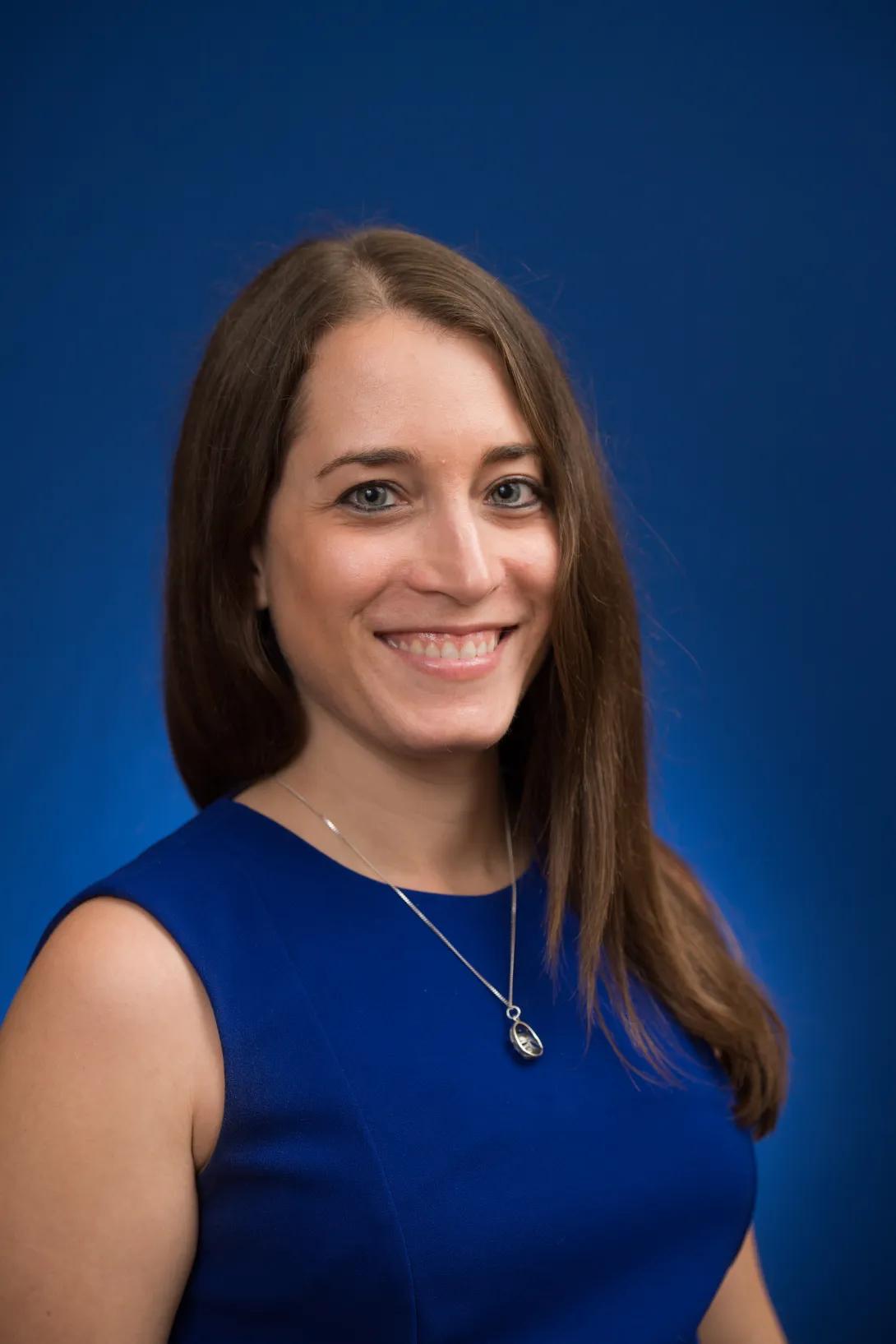
Shirley Cohen-Mekelburg, MD, MS
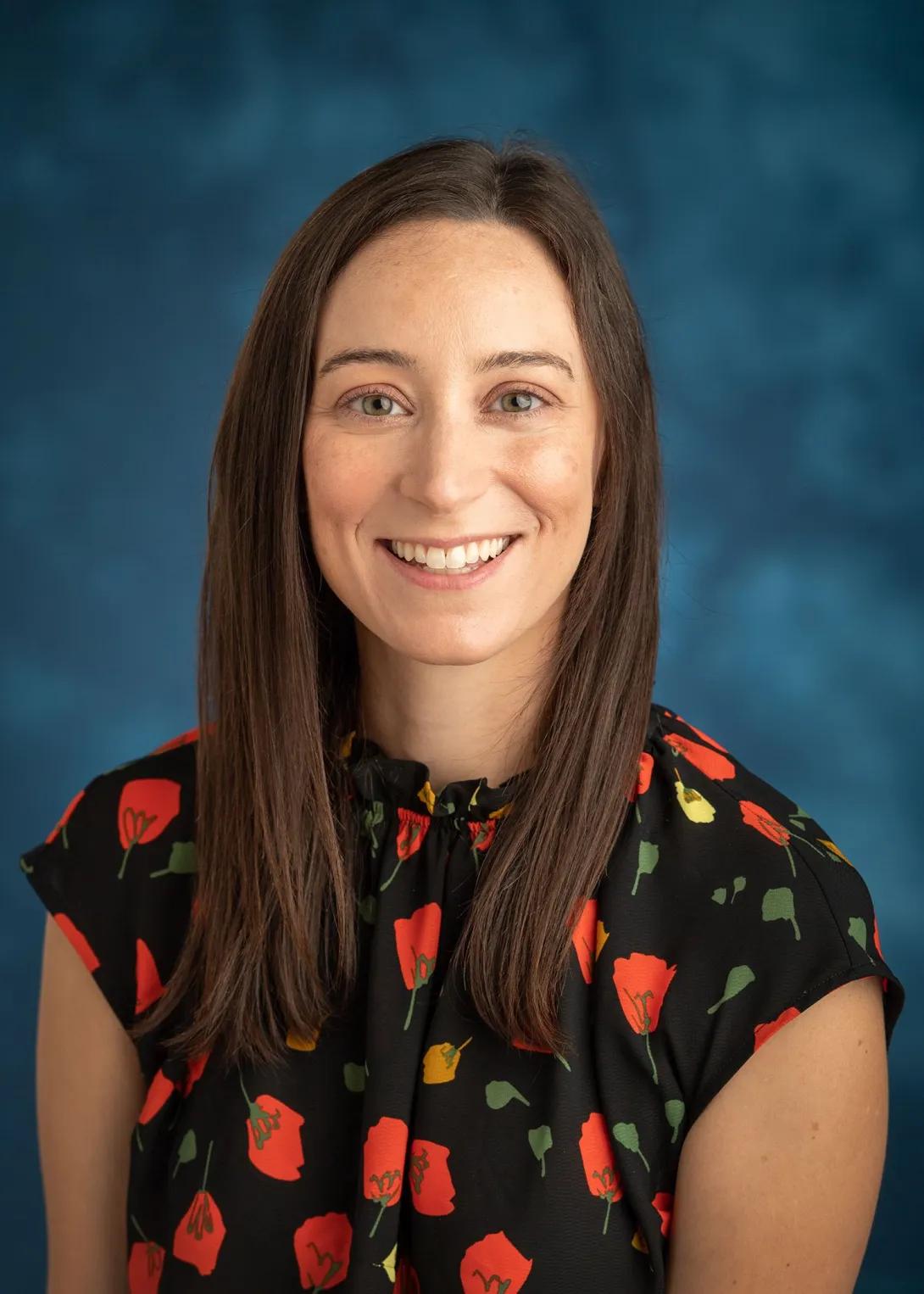
Kelly C Cushing-Damm, MD MSCI
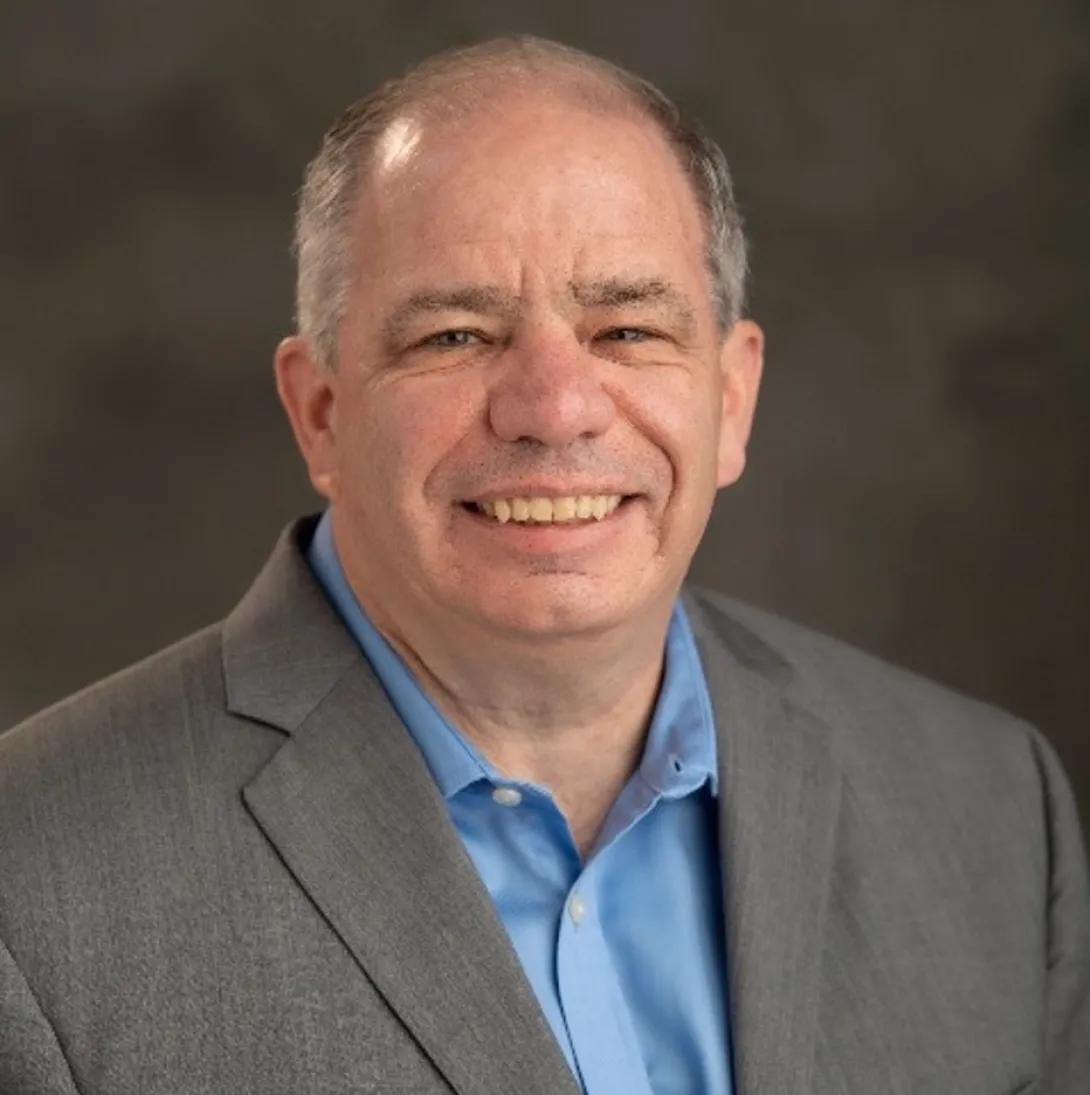
Peter DR Higgins, MD, PhD, MSc(CRDSA), AGAF
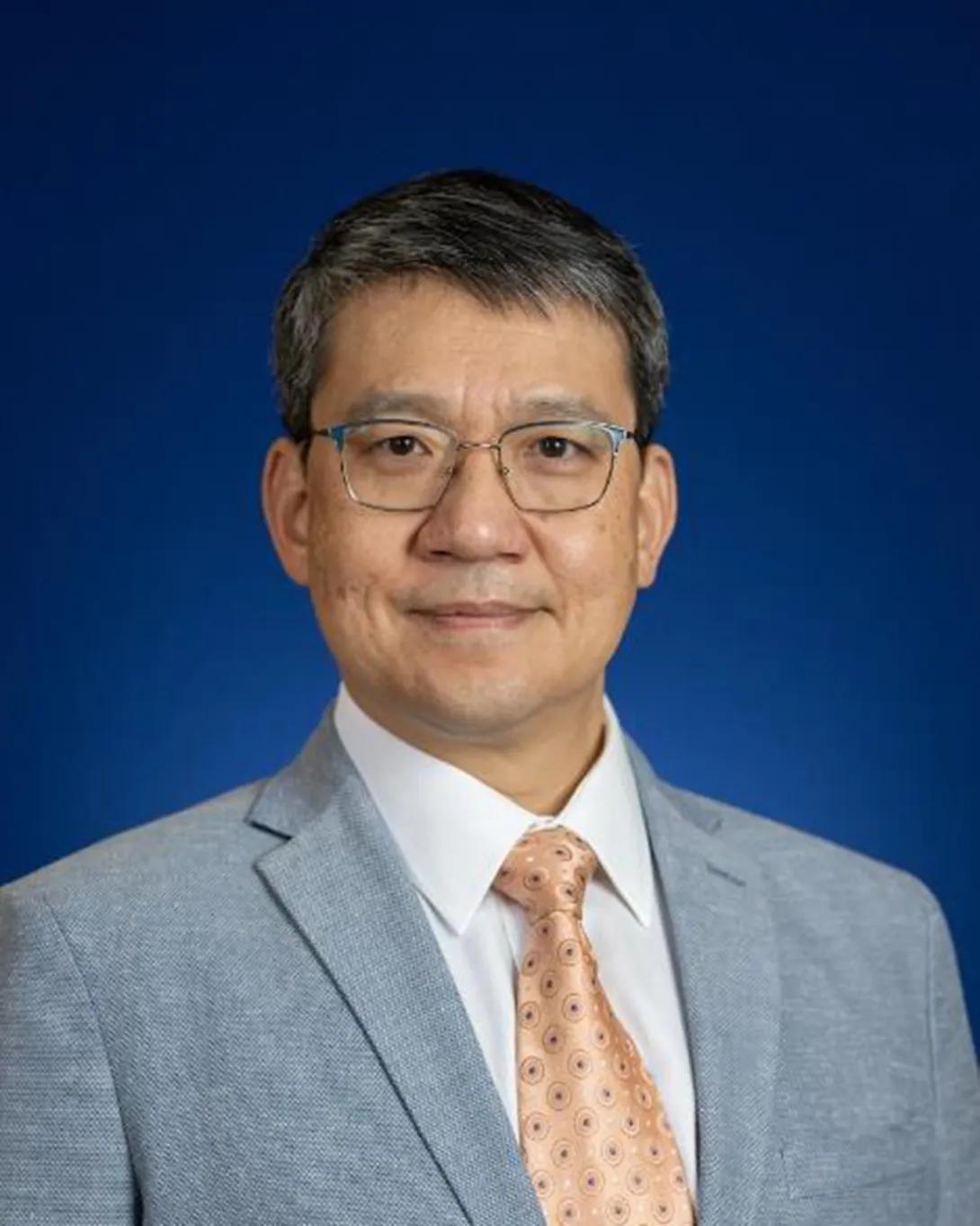
John Y Kao, MD
Ryan William Stidham, MD, MS, AGAF
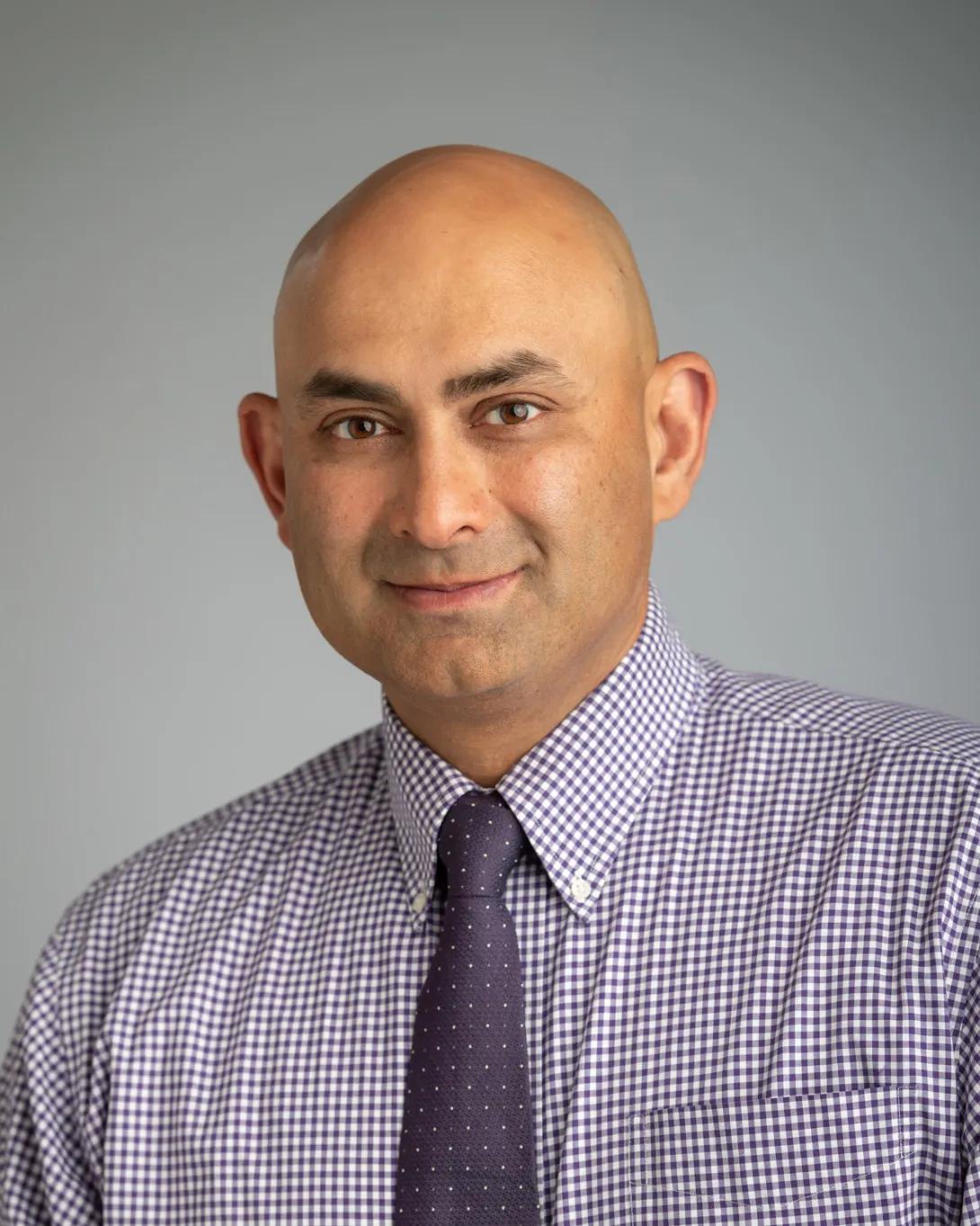
Akbar Waljee, MD, MSc
Make a Gift
Most of our research is supported by grant funding from federal and state agencies, foundations, industry, and professional societies. However, to compete for such grants, our researchers must be able to show “proof of concept” preliminary data to show that their research ideas are likely to work. This is particularly true for highly innovative projects that have the potential to dramatically improve the diagnosis and treatment of Crohn's disease and ulcerative colitis.
The support of individual donors is needed to help jump-start our most promising research projects in their earliest stages, when they are not yet eligible for support from traditional funding agencies. With your seed funding; however, we can develop these ideas to the point where we can then compete for larger grants.
