-
Allergy & Clinical Immunology -
Cardiovascular Medicine -
Gastroenterology & Hepatology -
General Medicine -
Genetic Medicine -
Geriatric & Palliative Medicine -
Hematology & Oncology -
Hospital Medicine -
Infectious Diseases -
Metabolism, Endocrinology & Diabetes -
Nephrology -
Pulmonary & Critical Care Medicine -
Rheumatology
Gastroenterology & Hepatology Patient Care
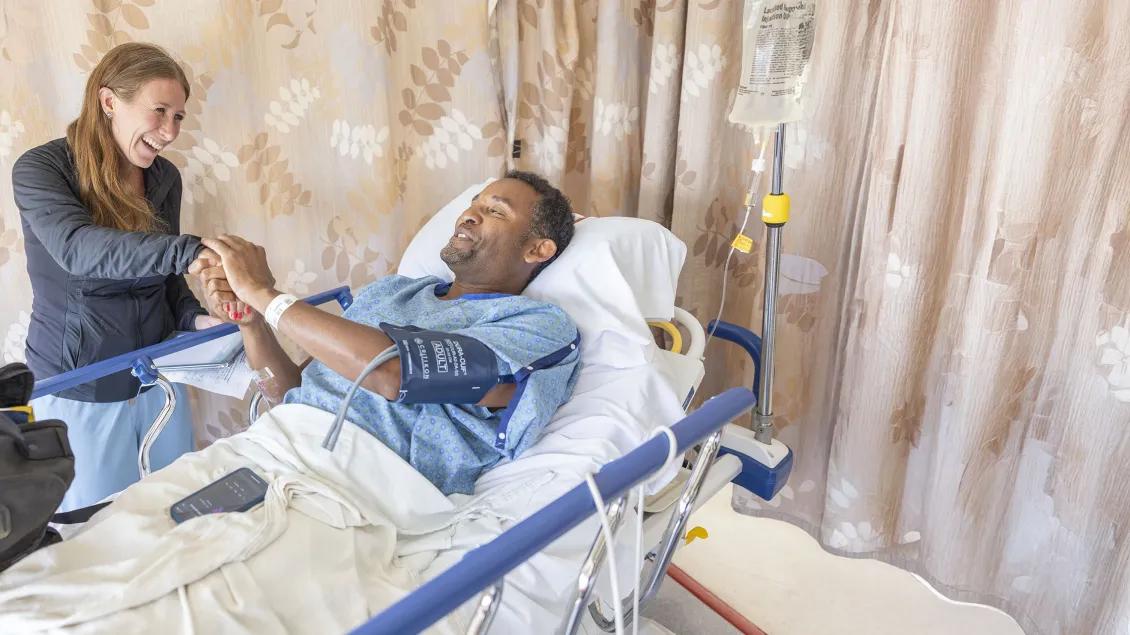
Quality Care Across Communities
Cutting-edge therapeutics for all forms of digestive and liver diseases at clinics throughout Michigan
We provide the highest quality of care and offer the most cutting-edge therapeutics available. Our faculty are also leaders in their respective areas of research, conducting and participating in many pharmaceutical clinical investigations. The innovative research conducted by our physicians and faculty has paved the way for more effective methods of prevention, diagnosis and treatment of gastrointestinal diseases.
The Department of Gastroenterology & Hepatology physicians, along with GI radiologists, surgeons, physician assistants, nurse practitioners, nurses and dietitians, provide care for all forms of digestive and liver diseases at numerous clinics in Ann Arbor, surrounding communities and the state of Michigan. In addition, we have several specialty, multidisciplinary programs including the Comprehensive Pancreas Program, Esophageal Disorders Program, Functional Bowel Disorders Program, Hepatology Program, IBD Program, Interventional Endoscopy Program and Michigan Bowel Control Program.
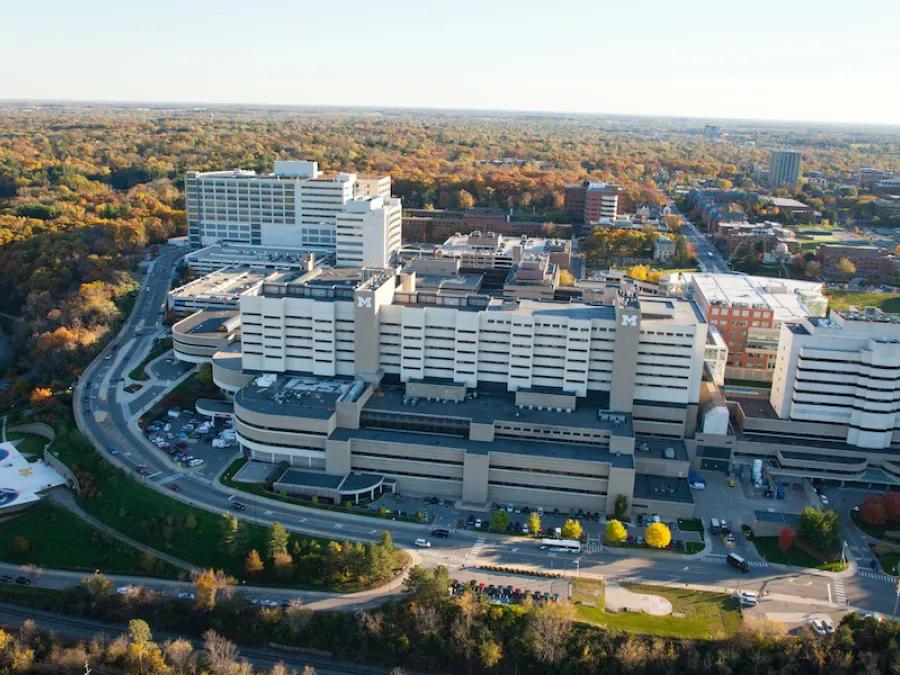
Gastrointestinal Care at U-M Health
We are home to one of the largest digestive health and liver disease programs in the country. Our highly-trained specialists are dedicated to innovative and effective treatments for every single patient. Find the treatment that's right for you.
Featured News & Stories
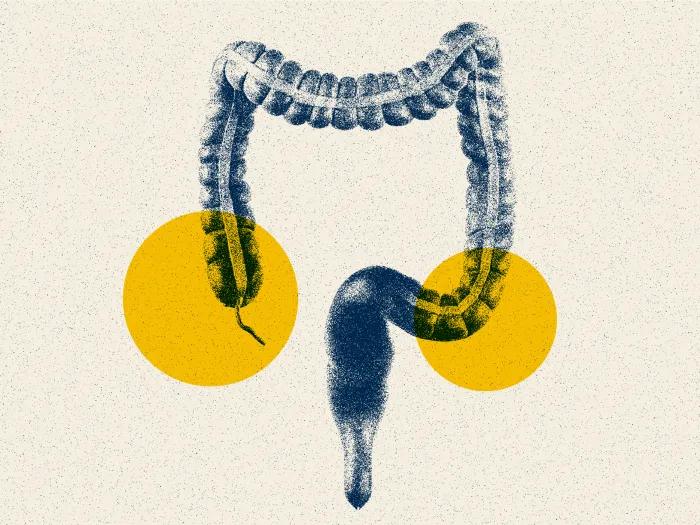
Enzyme supplement improves IBS symptoms for most in new study

Akbar K. Waljee, MD, MSc, appointed Associate Dean of Global Health Research

Exceptional response to immunotherapy gives patient with liver cancer more milestones to celebrate

Liver cancer can be preventable. Do you know the treatable risk factors?
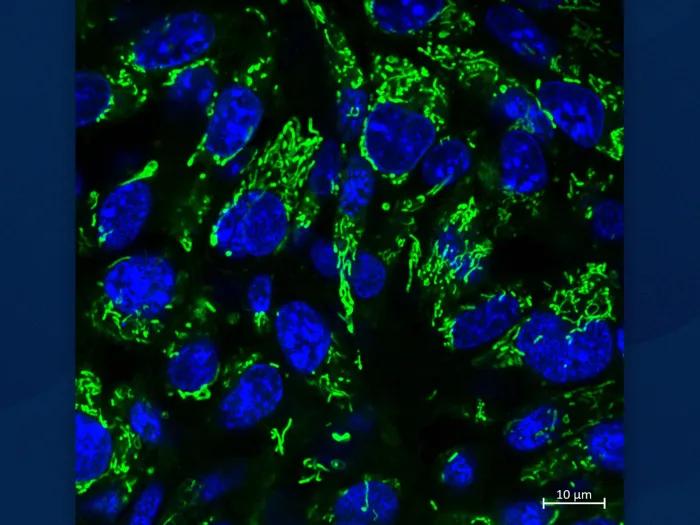
Engineered nanoparticles sensitize gliomas to radiotherapy