Hematology & Oncology Patient Care

Dr Qin listening to patient

Committed to Excellence

Caring for patients with disorders of the blood and lymphatic organs and solid tumor malignancies.

The Division of Hematology and Oncology is the largest subspecialty unit within the Department of Internal Medicine. Our faculty, staff, students, and laboratory personnel occupy space in seven locations on the medical campus, including the Michigan Medicine Rogel Cancer Center. 

We have dedicated coagulation, hemophilia and thrombosis clinics, plus multiple experts in myeloproliferative disorders. In addition, we have numerous state-of-the-art specialty clinics and programs to evaluate, diagnose, treat and manage cancer and hematologic disorders, along with several support programs for patients and their families.

For our clinic information, specialty clinics and programs, procedure information and more, please visit the Michigan Medicine Rogel Cancer Center website or call the Cancer AnswerLine at (800) 865-1125 or [email protected].

Find a Doctor

Find a doctor who meets your needs

Find a Clinic

Find a clinic near you

Patient & Visitor Guide

Find additional information and resources for patient and visitors

For Referring Providers

Connect with M-LINE for referral and consultation information

exterior front entrance to rogel cancer center with blue skies and building sign
Multidisciplinary Care

Adult Hematology Clinic

Our cutting-edge services include dedicated coagulation, hemophilia and thrombosis clinics, a Blood and Marrow Transplantation program, plus multiple experts in myeloproliferative disorders. Visit us to see our full spectrum of care and make an appointment.

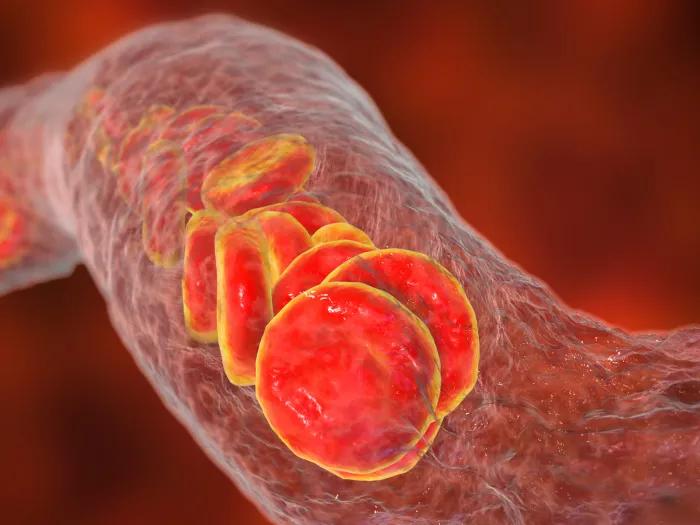
Blood Disorders (Hematology) Services

Featured News & Stories

See all news
Portrait of Rose Page. She has short black hair and is wearing a sleeveless white blouse. She is smiling and turned 45 degrees to the right of the viewer.
Philanthropy News

Gifts advance colon cancer prevention and early detection

The Rose and Lawrence C. Page, Sr. Family Charitable Foundation supports lifesaving colon cancer research at Michigan Medicine.
woman touching her neck in robe at home
Health Lab

Phase 1 trial of alrizomadlin shows promise in targeting metastatic salivary gland cancers

University of Michigan researchers, in partnership with Ascentage Pharma, developed a drug known as alrizomadlin, or APG-115, to target metastatic salivary gland cancers.
Man in a blue pullover against the background of Michigan Stadium
Health Lab

Thriving after a rectal cancer diagnosis

Kyle Kipke was diagnosed with rectal cancer and received chemotherapy and radiation as treatment at Michigan Medicine.
Cancer Aware surrounded by a circle of multicolor ribbons
Cancer Aware

Cutting edge treatment for advanced colon cancer

Andrew Sweeney, now 35, was aware of his risk for colorectal cancer – his mother had had been diagnosed with it when she was 41. When he was 31, a CT scan at University of Michigan Health’s University Hospital revealed that Sweeney had a mass in his colon and potential metastases in his liver and lymph nodes. A colonoscopy confirmed that he had stage 4 colorectal cancer. After 1.5 years of chemotherapy, his care team began discussing how they could remove the damaged parts of Sweeney’s liver. They developed a colorectal cancer liver transplant protocol from a deceased donor and Sweeney was the first patient to undergo a liver transplant in Michigan for colon cancer. After minor recurrences of tumors in his lung in 2024, which were treated by surgery and radiation, his scans have been clear.
Four 1880s female graduates of the U-M Medical School -  Dr. Bertha Van Hoosen ('88), Dr. Josephine Dorr Blake ('87), Dr. Elizabeth Farrand ('87), Dr. Esther Clara Herrick Brooks ('86)
News Release

Milestones in the history of women in medicine and biomedical science at U-M

While their path was not smooth, faces and names from the past and present show the power of persistence
pill bottle spilling yellow blue
Health Lab

Nearly 1 in 6 older adults take aspirin despite no history of heart disease

Around 1 in 6 older adults take aspirin as their primary method of preventing cardiovascular disease, despite stricter guidelines. For some patients, the benefit of aspirin may not outweigh the risk of bleeding.