Internal Medicine Patient Care

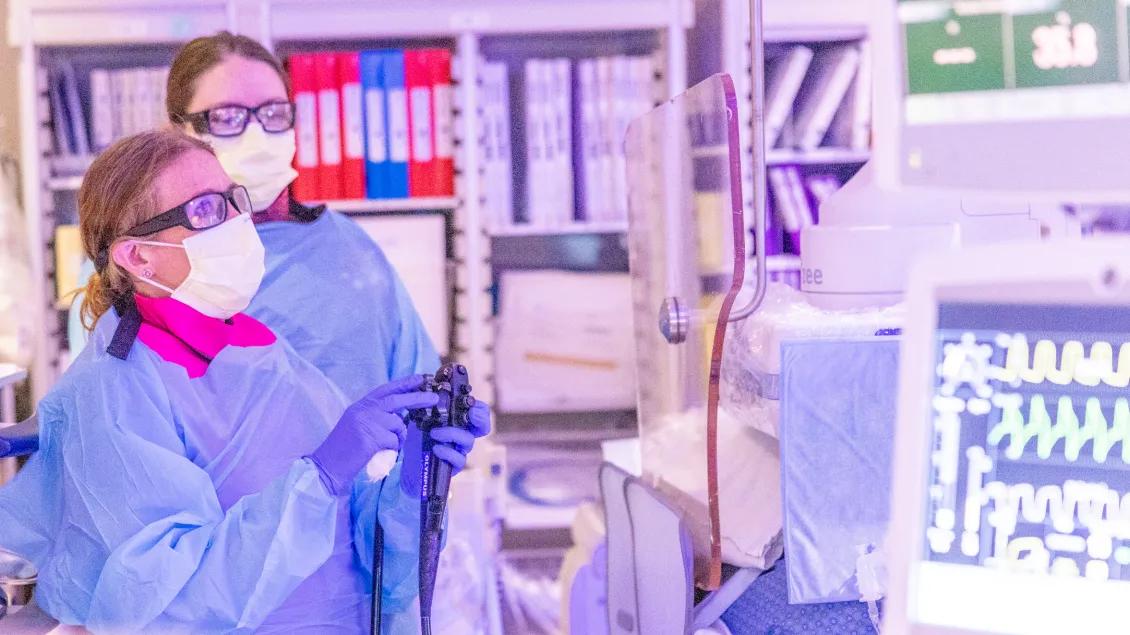
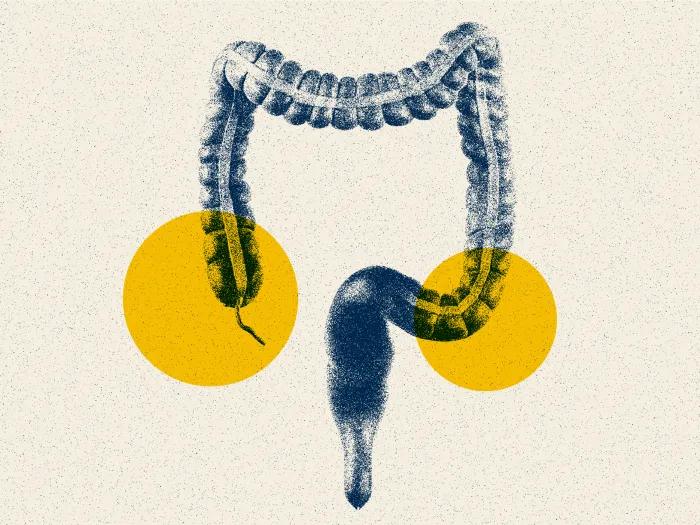
GI Hep patient care

Top-Ranked Adult Care

The multiple subspecialties of Internal Medicine span the spectrum of adult patient care, with seven of our clinical services lines ranked nationally.

About Us

University of Michigan Health continues to be #1 in the state as ranked by the U.S. News & World Report for 2025-2026, including being ranked among the top ten hospitals in the nation in three specialties, and nationally ranked in more specialties than any other Michigan hospital.    

Find a Doctor

Find a doctor who meets your needs

Find a Clinic

Find a clinic near you

Patient & Visitor Guide

Find additional information and resources for patient and visitors

For Referring Providers

Connect with M-LINE for referral and consultation information

Clinical Experience & Quality Program

The Clinical Experience and Quality (CEQ) program works to improve safety and optimize patient care.

Learn about the program

Veterans Affairs

Our Veterans Affairs team of health care providers from across the department’s subspecialties are dedicated to advancing patient care, research and education efforts at the VA Ann Arbor Healthcare System. Key areas include: 

  • Ensuring that Veterans have access to high-quality care and treatment
  • Improving patient outcomes and reducing hospital readmissions
  • Exploring telemedicine options and how to best utilize to overcome some of the challenges Veterans face, including accessing the internet or having their own devices
  • Conducting transformative research that will improve quality of life for our Veterans

We are also focused on growth and continue to expand our clinical programs and reach out to Veterans who need care. We are ranked #4 in the country (out of 171 VAs) in inpatient Veteran satisfaction nationwide.

We have a committed executive leadership team that has invested in the tripartite mission. I am especially grateful to our first-line care teams who have continued to provide superb and compassionate Veteran-centered care to an extremely deserving and immensely grateful patient population.”

Vice Chair, Veterans Affairs, Department of Internal Medicine
Sanjay Saint

Featured News & Stories

See all news
Photo of U of M Hospital with the 2026-27 US News & World Report badge
Department News

7 Internal Medicine Specialties Nationally Recognized in USNWR Rankings

The Department of Internal Medicine was recognized in seven specialties in the 2026-27 U.S. News & World Report Best Hospitals rankings.
prescription pad blue yellow sketch
Health Lab

Social, financial barriers linked to reduced treatment for dangerous blood clots

People who experience social and financial challenges are less likely to receive certain anticoagulant prescriptions for potentially deadly blood clots, according to a study.
Computer image of a blue DNA strand and red chromosomes on a black background
Health Lab

Mutations attracted to the X chromosome amplify disease risk

Researchers have discovered that the human X chromosome attracts an unusual kind of DNA mutation, potentially doubling the associated risk of certain genetic disorders, including haemophilia and muscular dystrophy.
Lupus conference
Department News

2026 Lupus Conference

An educational program for Lupus warriors and their caregivers.
nicotine packets close up in container
Health Lab

Lung health expert weighs in on Zyn and other nicotine pouches

Michigan Medicine’s MeiLan Han, M.D., provides her professional and medical thoughts on the use of nicotine pouches.
Ibtissam Gad performs a demo of her hand model with an HPE Connect '26 attendee.
Department News

Helping Hands: Ibtissam Gad Is Rethinking How Clinicians Learn to Feel Disease

For most physicians, learning to recognize swollen joints begins in the classroom. Students study anatomy, learn examination techniques, observe experienced clinicians, and gradually gain experience examining patients during medical school and residency. For Ibtissam Gad, MD, a clinical assistant professor in Michigan Medicine's Division of Rheumatology, one limitation stood out. Learners often had relatively few opportunities to practice distinguishing subtle swelling by touch, and asking patients whose joints were already painful to undergo repeated examinations wasn't ideal for anyone involved.