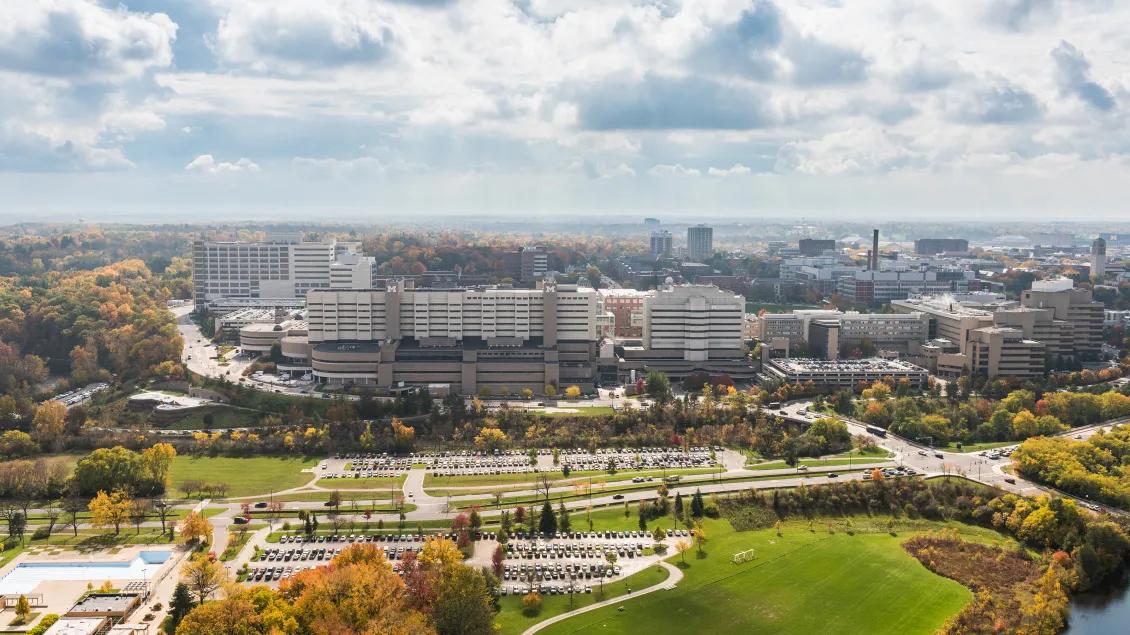
Medical Campus aerial

Hepatology Program

The Hepatology Program at Michigan Medicine is one of the largest and most prestigious programs in the world. Our team has excelled in research, education, and in providing compassionate care since 1954.

For More Information

Program Overview

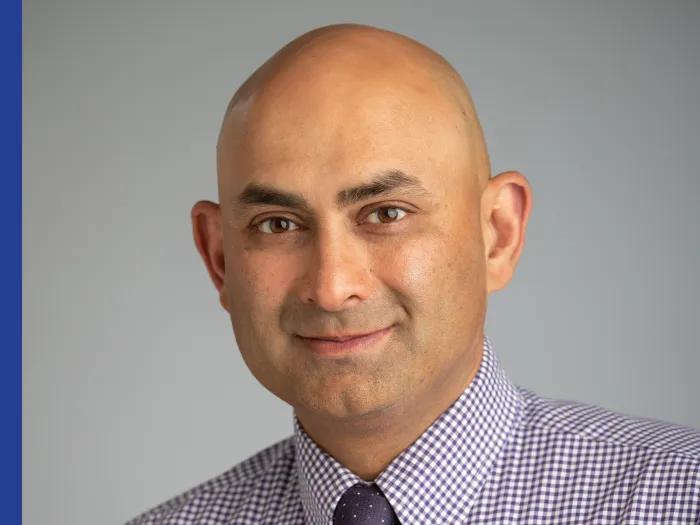
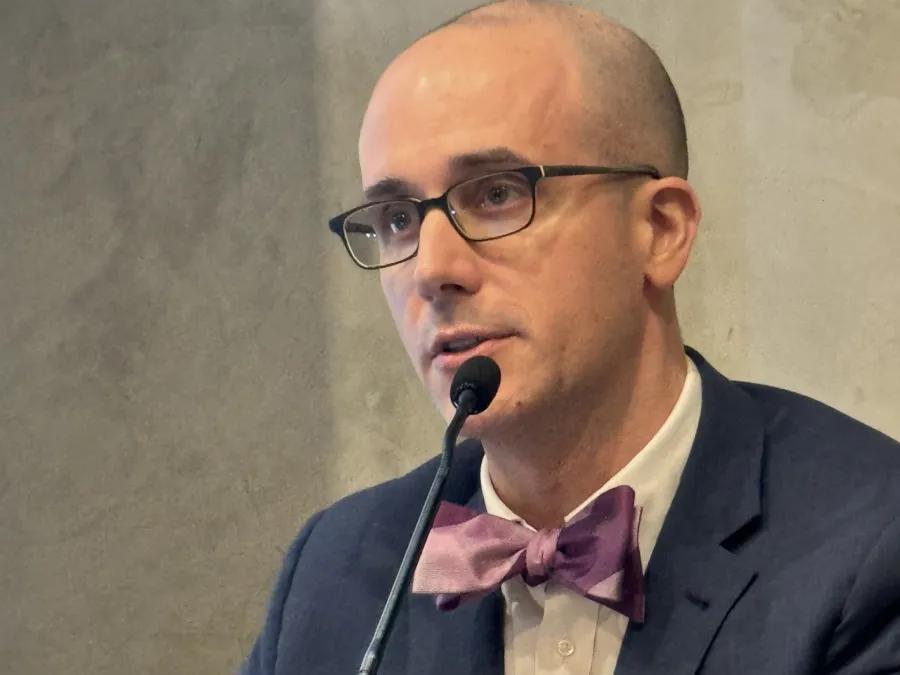
Led by Dr. Neehar Parikh and Dr. Elliot Tapper, the Hepatology Program includes 18 faculty members and four advanced practice providers with world-leading expertise in a wide variety of liver diseases

Learn more about our program's leadership and history

Leading with excellence: The Division of Gastroenterology and Hepatology at the University of Michigan is the largest in the United States, with a large, dedicated team that takes a three-tiered approach to delivering care for liver disease.
About

Learn more about our program's history, our team members and our mission for providing state-of-the-art liver care.

Research

With a broad research portfolio, our program’s investigations span scientific, clinical and health services research.

Education

Our team is committed to the training of fellows in the GI Fellowship Program and Transplant Hepatology Fellowship Program.

Patient Care

Find clinic information, specialty clinics, procedure information and more.

Tapper

Lectures & CME

During the year, we provide a variety of hepatology educational lectures and CME courses to U-M faculty as well as external health care providers.

See Opportunities

Featured News & Stories

See all news
particles forming colorful in intestines
Health Lab

IBS treatment response predicted by gut microbiome in new study

A Michigan Medicine study finds the low FODMAP diet and the antibiotic rifaximin provided similar and significant relief for patients with irritable bowel syndrome with diarrhea (IBS-D).
red cells clustered together inside body black light up blue see through
Health Lab

Understanding esophageal cancer

In this Q&A, a Michigan Medicine doctor talks about esophageal cancer, its signs and risk factors to know.
Man in a blue pullover against the background of Michigan Stadium
Health Lab

Thriving after a rectal cancer diagnosis

Kyle Kipke was diagnosed with rectal cancer and received chemotherapy and radiation as treatment at Michigan Medicine.
close up microscopic grey close up
Health Lab

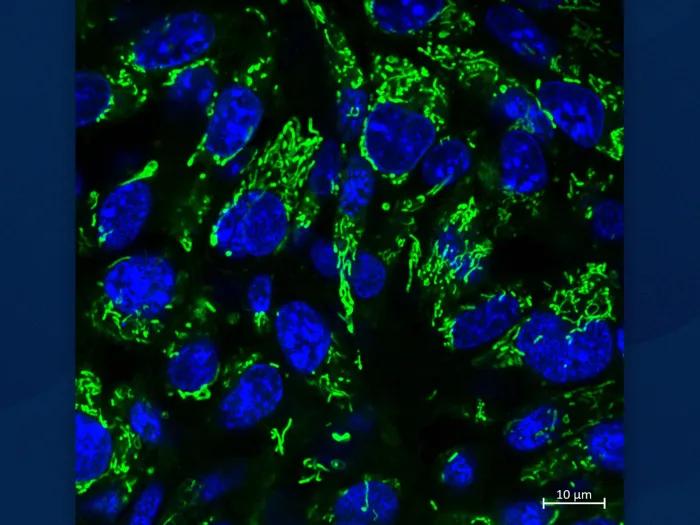
FDA-approved cancer drug fedratinib reshapes how cell organelles communicate, providing new therapeutic avenues

University of Michigan researchers found that the FDA-approved drug fedratinib can lead to endoplasmic reticulum and mitochondria contact site formation, providing a potential therapeutic avenue.
intestines red with red dot
Health Lab

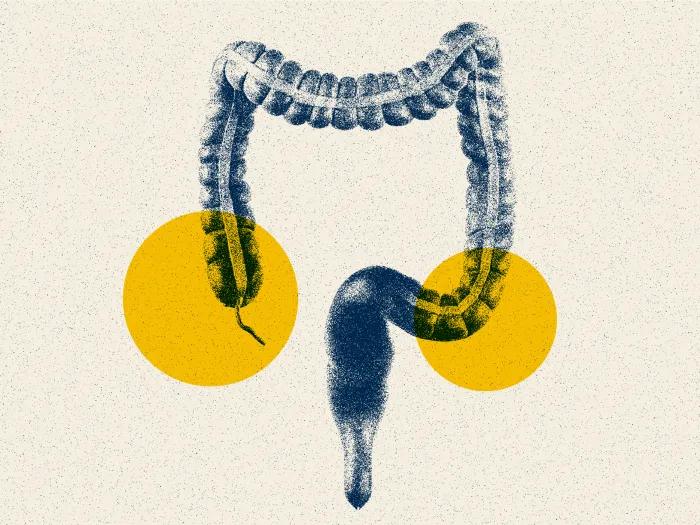
Colorectal cancer is no longer just a disease of older adults

With colorectal (CRC) on the rise in younger patients, a specialist in gastroenterology and human genetics discusses why that may be and what to look for.
microscope drawing yellow navy
Health Lab

Glucose drives STAT3 activation in colorectal cancer cells, leading to tumor growth

University of Michigan researchers have shown that glucose levels sustain the increased STAT3 activation in colorectal cancer cells. Their findings suggest that targeting glucose metabolism could inhibit STAT3, leading to novel therapeutic strategies.

Stay Connected With Us